Many home cooks and foragers alike encounter wood ear mushrooms, prized for their unique texture and subtle flavor. However, like many fresh ingredients, these fascinating fungi have a limited shelf life, and understanding when they’ve passed their prime is crucial for both culinary success and food safety. Failure to recognize wood ear mushroom spoilage can lead to unpleasant experiences, and in some cases, potential health risks. This guide aims to equip you with the knowledge to confidently identify when these mushrooms are no longer fit for consumption, ensuring you only use the freshest and safest ingredients in your kitchen.
How to Tell If Wood Ear Mushrooms Have Gone Bad
Determining if wood ear mushrooms are still fresh relies on engaging your senses. Fresh wood ears should have a relatively neutral and clean profile. Any deviation from their normal state is a signal to inspect them more closely. Trusting your judgment on changes in their appearance, feel, and scent is the most effective way to prevent using an ingredient that has turned. Proper inspection before cooking is a fundamental step in kitchen safety, and understanding the signs of spoilage is key.
Visual Indicators of Spoilage
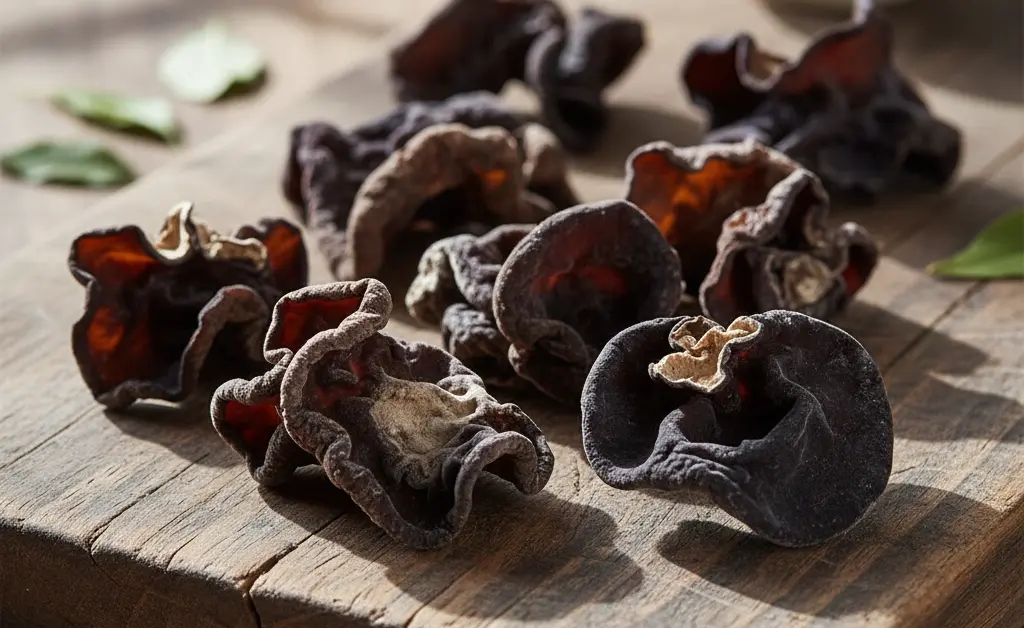
Your eyes are the first line of defense against spoiled mushrooms. Fresh wood ears typically have a dark brown to black color and a healthy, somewhat translucent appearance. The most obvious visual indicator of spoilage is the presence of mold. Look for fuzzy patches that may be white, green, blue, or black. These should not be confused with the mushroom’s natural, fine fuzz if it has any. Additionally, look for any dark, mushy spots or areas of discoloration that appear unnatural. If the mushrooms look dull, dried out in patches, or have developed any visible growths, they should be discarded.
Changes in Texture
Texture is a defining characteristic of wood ear mushrooms, which are known for their firm, springy, and gelatinous feel when fresh. A significant change in this texture is a clear warning sign. The most common sign of decay is the development of a slimy or sticky film on the surface of the mushroom. If you touch the mushrooms and they leave a slippery residue on your fingers, they have begun to break down due to bacterial activity. Conversely, if they become overly dry and brittle or unusually soft and mushy to the point of falling apart, they are no longer in their ideal state for consumption.
Unpleasant Odors
Fresh wood ear mushrooms have a very subtle, earthy smell, or sometimes no discernible scent at all. Your nose is an excellent tool for detecting spoilage. If the mushrooms emit any strong, unpleasant odors, it is a definitive sign that they should not be eaten. Be alert for sour, acidic, or fishy smells, which indicate bacterial contamination. An ammonia-like scent is another telltale sign of decay. Any aroma that is sharp, pungent, or simply “off” is a clear signal that the mushrooms have passed their prime and are no longer safe to use.
Signs and Risks of Consuming Spoiled Wood Ear Mushrooms
Consuming any food that has spoiled carries potential risks, and wood ear mushrooms are no exception. When mushrooms decay, they become a breeding ground for bacteria and mold, which can produce substances that may cause digestive distress and other adverse reactions. Ingesting spoiled mushrooms could lead to general feelings of discomfort. The specific reactions can vary widely depending on the type of contaminant and an individual’s sensitivity. Recognizing the early signs of wood ear mushroom spoilage is the best practice to avoid these potential issues and ensure your culinary creations are both delicious and safe. For comprehensive health and safety information, resources such as the National Institutes of Health provide valuable guidance.
Identifying Spoiled Wood Ear Mushrooms
To confidently identify spoiled wood ear mushrooms, it’s best to use a multi-sensory approach every time you handle them. Whether you are at the market selecting them or pulling them from your refrigerator, perform a quick check. Look closely for any visible mold or unusual dark spots. Gently touch the mushrooms to ensure they are firm and springy, not slimy or mushy. Finally, give them a quick sniff to check for any sour or foul odors. If the mushrooms fail any of these tests, it is safest to err on the side of caution and discard them. This simple, three-step process—look, feel, and smell—is your most reliable method for avoiding the consumption of spoiled fungi.
Ultimately, your senses are the most reliable tools for assessing the freshness of wood ear mushrooms. By paying close attention to their appearance, texture, and scent, you can confidently determine whether they are suitable for your dish. When in doubt, it is always the wisest choice to discard any mushroom that seems questionable. Prioritizing food safety ensures a positive and enjoyable cooking experience.
This material is shared for educational insight, not for clinical decision-making. The information provided is not intended to be a substitute for professional medical advice, diagnosis, or treatment. Always seek the advice of a qualified health provider with any questions you may have regarding a medical condition or food safety concerns.
FAQ
What are the signs of wood ear mushroom spoilage?
Signs of wood ear mushroom spoilage include the development of off-putting odors, changes in texture like sliminess or excessive dryness, and the visible presence of mold. These indicators suggest that the mushrooms are no longer fresh and may have undergone decomposition.
How can you tell if wood ear mushrooms have gone bad?
You can tell if wood ear mushrooms have gone bad by examining their appearance, smell, and feel. A strong, unpleasant odor, a slimy or sticky surface, or the presence of fuzzy mold are all clear indicators that the mushrooms are no longer suitable for consumption.
What does a spoiled wood ear mushroom look like?
A spoiled wood ear mushroom often appears duller in color and may develop a slimy, web-like coating. Visible mold, appearing as fuzzy white, green, or black spots, is another definitive sign of spoilage.
Is it safe to eat wood ear mushrooms that feel slimy?
It is not safe to eat wood ear mushrooms that feel slimy, as this texture is a common indicator of bacterial growth and spoilage. This sliminess suggests the mushrooms have begun to break down, making them unsafe for consumption.
What does rotten wood ear mushroom smell like?
A rotten wood ear mushroom typically emits a foul, fishy, or ammonia-like odor. This strong, unpleasant smell arises from the decomposition processes occurring as the mushroom ages and spoils.
Should you discard wood ear mushrooms with mold?
Yes, you should always discard wood ear mushrooms with mold, regardless of the mold’s color. Mold growth signifies that the mushroom has begun to decompose and may harbor harmful bacteria, making it unsafe to eat.