Wood ear mushroom jelly is a fascinating ingredient that bridges the gap between culinary delight and potential wellness benefits. Its unique texture and subtle flavor profile make it a versatile addition to various dishes, often appreciated for its mouthfeel and subtle, earthy undertones. When prepared into a jelly, the wood ear mushroom transforms, offering a smooth, almost gelatinous consistency that is both intriguing and pleasing. This guide aims to demystify this ingredient, exploring its characteristics, preparation, and common uses in a straightforward, accessible manner for home cooks and wellness enthusiasts alike.
wood ear mushroom jelly
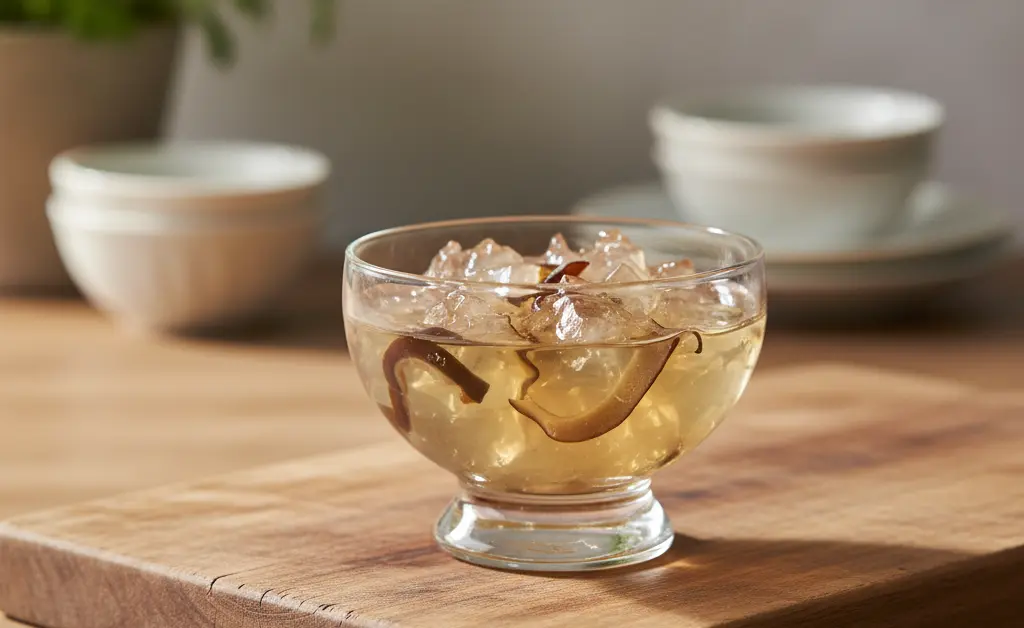
The concept of wood ear mushroom jelly arises directly from the fungus’s intrinsic properties. Unlike many other mushrooms known for their flavor, the wood ear mushroom (species in the *Auricularia* genus) is celebrated primarily for its extraordinary texture. When hydrated or fresh, the mushroom has a firm, rubbery, and gelatinous quality that is unique in the culinary world. This natural consistency makes it an ideal candidate for dishes where texture is a key component, and it can be further processed into smoother, more refined jellies for various culinary applications, from savory appetizers to sweet desserts.
Why are they called ‘Jelly Ears’?
The common name ‘Jelly Ear’ is a remarkably descriptive title that perfectly captures the two most prominent features of this fungus. The “Jelly” part of the name refers to its distinctive, gelatinous texture when fresh or rehydrated. It has a slippery, smooth, and slightly resilient quality that feels like a firm jelly. The “Ear” portion of the name comes from its uncanny resemblance to a human ear, with its often convoluted, lobed, and cup-like shape. This combination of an ear-like appearance and a jelly-like consistency makes the name ‘Jelly Ear’ an intuitive and memorable identifier for the mushroom.
Appearance and Ear-like Shape
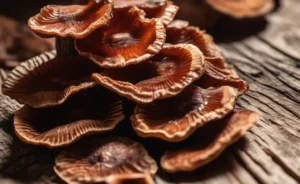
The most striking visual characteristic of the wood ear mushroom is its shape. It typically grows in clusters on dead or dying wood, forming irregular, cup-shaped, or lobed structures that strongly resemble the outer part of a human ear. The surface can be smooth or slightly wrinkled, and the overall form is often undulating and folded. This ear-like appearance is not just a passing resemblance; it is a consistent feature that makes the mushroom relatively easy to identify in its natural habitat.
Visual Appearance (Color and Shape)
In terms of color, wood ear mushrooms display a range of earthy tones. They are most commonly found in shades of brown, from a light tan or reddish-brown to a deep, dark brown that can appear almost black, especially when dried. The upper surface is often darker and smoother, while the underside may be a lighter, grayish-brown and covered in a fine, downy fuzz. The shape, while consistently ear-like, can vary significantly from one specimen to another. Some may be perfectly cup-shaped, while others are more convoluted and irregularly folded, adapting to the surface of the wood on which they grow.
Distinctive Gelatinous Texture
The texture of the wood ear mushroom is arguably its most important culinary attribute. When cooked, it does not become soft and mushy like many other fungi. Instead, it retains a pleasant, gelatinous quality with a slight chewiness. This texture is often described as smooth, slippery, and satisfyingly resilient. It has the unique ability to absorb the flavors of the broths, sauces, and dressings it is cooked in while providing a delightful mouthfeel that adds a contrasting textural element to dishes like soups, stir-fries, and salads.
Gelatinous and Cartilaginous Nature
Delving deeper into its texture, the wood ear mushroom is both gelatinous and cartilaginous. The main body of the mushroom is soft and jelly-like, yielding easily to pressure. However, it also possesses a subtle firmness or “bite” that prevents it from dissolving completely during cooking. This dual nature is what many find so appealing. The texture can be compared to that of soft cartilage—firm yet flexible, offering a slight crunch or snap when bitten into. This combination of a slippery, gelatinous surface and a firm, cartilaginous interior makes it a prized ingredient in many Asian cuisines where textural complexity is highly valued. Scientific studies exploring the unique biophysical properties of fungi like the wood ear mushroom are often found on sites like NCBI.
In conclusion, the wood ear mushroom is a truly unique fungus defined by its remarkable physical characteristics. Its common names, such as ‘Jelly Ear’, aptly describe its ear-like shape and distinctive gelatinous, cartilaginous texture. While its flavor is mild and earthy, its primary contribution to the culinary world is its unparalleled mouthfeel. This combination of a slippery yet firm consistency makes it a versatile ingredient, celebrated for the textural dimension it brings to a wide array of dishes.
While this article discusses health-related topics, it does not provide medical guidance. The information presented here is for educational and informational purposes only and should not be considered a substitute for professional medical advice, diagnosis, or treatment. Always seek the advice of your physician or another qualified health provider with any questions you may have regarding a medical condition. Never disregard professional medical advice or delay in seeking it because of something you have read in this article.
FAQ
Why are wood ear mushrooms also called jelly ears?
Wood ear mushrooms are named for their appearance, which resembles a human ear, and their distinct gelatinous texture. This characteristic texture is a defining feature that contributes to their common names.
Do wood ear mushrooms have a jelly-like texture?
Yes, wood ear mushrooms are known for their unique gelatinous and somewhat chewy texture when rehydrated. This texture is desirable in culinary applications, providing a pleasing mouthfeel.