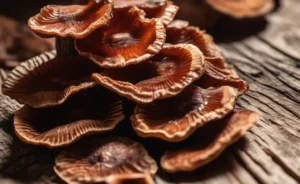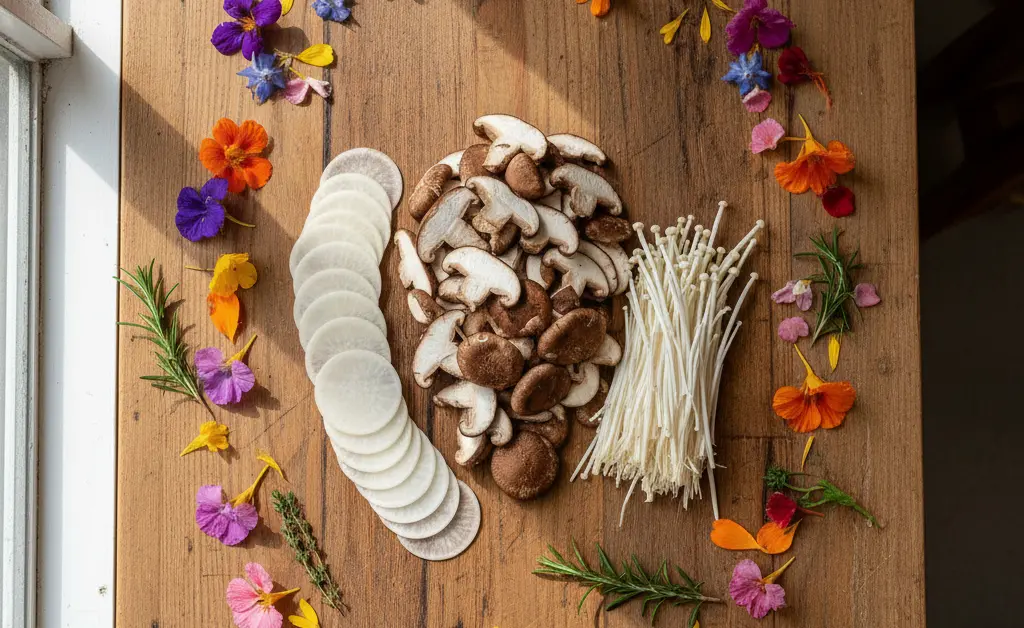
The culinary world is constantly evolving, with home cooks and professional chefs alike exploring new ingredients and techniques to elevate their dishes. As global flavors become more accessible, so too does the desire to recreate authentic tastes and textures. This growing interest often leads to discovering unique ingredients like the wood ear mushroom, prized for its distinctively crisp yet tender texture in Asian cuisine. However, for various reasons, sourcing these fungi can sometimes be a challenge. This exploration delves into the growing need for a reliable wood ear mushroom alternative, aiming to provide practical solutions for enthusiasts who wish to maintain the integrity of their favorite recipes without compromising on that signature bite.
Why Seek Wood Ear Mushroom Alternatives?
Wood ear mushrooms are celebrated for their unique gelatinous, crunchy texture and mild, earthy taste that absorbs the flavors of the dish. They are a staple in many Asian recipes, from soups to stir-fries. However, several factors can prompt a cook to look for a substitute. The most common reason is accessibility, but personal preference, dietary considerations, or simply the desire to experiment with different ingredients can also lead one to search for a replacement. For comprehensive health and dietary information, resources from the NIH are often valuable.
Availability and Sourcing Issues
Fresh wood ear mushrooms are a rare find in standard Western grocery stores. They typically require a trip to a specialized Asian market, and even then, their availability can be inconsistent. While dried wood ear mushrooms are more widely available online and in specialty shops, they require advance planning for rehydration. This sourcing difficulty is a primary driver for home cooks seeking more readily available fungi to complete their recipes without a special shopping trip.
7 Best Substitutes for Wood Ear Mushroom in Stir-Fries
When preparing stir-fries, the key characteristic of the wood ear mushroom is its ability to retain a firm, crisp-chewy texture even when exposed to high heat. It doesn’t add significant flavor, but rather acts as a textural component that soaks up the surrounding sauce. A good substitute should ideally mimic this textural quality. While no replacement is perfect, several options can perform admirably in a stir-fry, providing a pleasant mouthfeel and complementing the other ingredients.
Can I use black fungus instead of wood ears?
Yes, black fungus is not only a suitable substitute but is often considered the best replacement. In fact, black fungus (Auricularia polytricha) and wood ear mushrooms (Auricularia auricula-judae) belong to the same family and are frequently used interchangeably in Asian cuisine. Black fungus tends to be slightly larger and a bit more delicate than wood ear, but it delivers a very similar chewy and gelatinous texture once rehydrated and cooked. For most recipes, the difference is negligible, making it an excellent first choice.
Usage in Hot & Sour Soup and Other Asian Dishes
In dishes like hot and sour soup, the wood ear mushroom’s role is almost purely textural, providing a delightful chewiness that contrasts with the soft tofu and silky egg ribbons. When substituting in soups and other wet dishes, it’s crucial to choose an ingredient that won’t become mushy or disintegrate during cooking. Black fungus excels here, holding its shape and texture beautifully. Other options, like thinly sliced shiitake caps, can also work, though they will contribute a more pronounced flavor. Finding a good **wood ear mushroom alternative** is essential to preserving the authentic experience of these classic Asian dishes.
Top Mushroom Substitutes for Wood Ear
Beyond black fungus, several other types of mushrooms can be used in place of wood ears. The success of the substitution often depends on how closely the replacement can match the desired texture and how its flavor profile integrates with the dish. While common mushrooms like button or cremini can be used in a pinch, they offer a much softer texture and will alter the dish’s character more significantly.
Matching Texture and Mouthfeel
The signature feature of a wood ear mushroom is its unique snap and springy chew. To replicate this, look for mushrooms that are firm and can hold up to cooking. Dried and rehydrated shiitake mushrooms offer a satisfyingly chewy texture, although not as crisp as wood ears. Oyster mushrooms, particularly the stem portions, can provide a pleasant, slightly resilient bite. Snow fungus, another related jelly fungus, offers an even more delicate, crunchy texture and is an excellent substitute in soups and desserts where a lighter mouthfeel is desired.
Flavor Compatibility in Soups
Wood ear mushrooms are prized for their mild, almost neutral flavor, which allows them to absorb the tastes of the broth or sauce they are cooked in. When choosing a substitute, consider its inherent flavor. Shiitake mushrooms, for example, will impart a deep, savory umami flavor to a soup, which can be a delicious modification but will change the dish’s traditional profile. If you want to stay true to the original recipe’s taste, a milder **wood ear mushroom alternative** like black fungus or even bamboo shoots (for texture) would be more appropriate.
Selecting the Best Alternative for Your Dish
Choosing the right substitute involves balancing texture, flavor, and the specific demands of your recipe. There is no single “perfect” replacement for every situation. The best choice is one that aligns with your culinary goals, whether that’s perfectly mimicking the original or creating a new and interesting variation on a classic dish.
Desired Texture and Flavor Profiles
First, decide on your priority. If the springy, crunchy texture is the most important element you want to replicate, black fungus is the undeniable winner. If you’re open to a chewier, meatier texture and a richer flavor, rehydrated shiitake mushrooms are an excellent choice. For a simple textural addition without much flavor, consider non-mushroom options like sliced bamboo shoots or water chestnuts, which provide a fantastic crunch in stir-fries.
Specific Recipe Requirements
The cooking method should guide your selection. For quick, high-heat cooking like stir-frying, you need an ingredient that won’t release too much water or become soft. Black fungus, shiitakes, and oyster mushrooms are all suitable. For long-simmered soups and braises, you need a substitute that will maintain its integrity. Here again, black fungus and dried shiitakes are superior choices, as softer mushrooms like button or cremini would likely become mushy. A versatile **wood ear mushroom alternative** can adapt to various cooking times, but it is always wise to match the substitute to the recipe’s demands.
Preparation and Rehydration Considerations
Many of the best substitutes, like their wood ear counterparts, come in a dried form and require rehydration. Dried black fungus and dried shiitake mushrooms must be soaked in warm water until they are pliable and fully expanded. This process can take anywhere from 20 minutes to an hour. Always remember to rinse the rehydrated mushrooms thoroughly to remove any grit and trim off any tough, woody stems, particularly on shiitakes. If you’re looking for a low-prep option, fresh oyster mushrooms or even canned options like bamboo shoots or water chestnuts can be used with minimal preparation.
What is a good mushroom replacement?
A good mushroom replacement depends entirely on the context of the dish and the specific mushroom being substituted. When seeking a **wood ear mushroom alternative**, the primary goal is usually to replicate its unique texture. For this purpose, black fungus mushrooms are the top recommendation due to their close genetic relationship and nearly identical textural properties. If black fungus is unavailable, dried shiitake mushrooms offer a pleasant chewiness and add a rich umami flavor, making them a great secondary choice, especially in savory dishes. For those prioritizing crunch over chewiness, non-mushroom ingredients like bamboo shoots or water chestnuts can fill the textural void in stir-fries. While common button or cremini mushrooms are easily accessible, their soft texture makes them a less ideal substitute for the firm bite of wood ears.
Ultimately, while the distinctive crunch of wood ear mushrooms is hard to replicate perfectly, the culinary world offers several excellent substitutes. The closest and most recommended replacement is black fungus, which shares a similar texture and mild flavor. Other options, like shiitake mushrooms, can provide a satisfying chewiness with an added depth of flavor. By considering the specific needs of your recipe—whether it’s a quick stir-fry or a slow-simmered soup—you can confidently select an alternative that honors the spirit of the dish. Experimenting with these substitutes not only solves sourcing issues but can also lead to delicious new interpretations of your favorite Asian recipes.
This content is for informational use and should not be considered medical instruction. The information provided is not intended to be a substitute for professional culinary or dietary advice. Always consult with a qualified professional for any health or dietary concerns. The reader assumes full responsibility for their use of this information and for ensuring the edibility and safety of any fungi they choose to consume.
FAQ
What can I use instead of wood ear mushrooms?
When seeking a wood ear mushroom alternative, consider ingredients that offer a similar chewy texture and can absorb flavors well. Ingredients like rehydrated shiitake mushrooms or even certain types of seaweed can provide a comparable mouthfeel in dishes. The goal is to replicate the unique textural element that wood ear mushrooms contribute to a meal.
What is a good substitute for wood ear mushrooms in hot and sour soup?
For hot and sour soup, substitutes that provide a pleasant chewiness are ideal. Sliced rehydrated shiitake mushrooms can offer a slightly different, yet satisfying, texture and umami flavor. Some recipes also benefit from the addition of firm tofu strips, which soak up the savory broth beautifully.
Do button mushrooms work as a wood ear mushroom alternative?
Button mushrooms can be used, but they do not offer the same textural experience as wood ear mushrooms. They are softer and more tender when cooked, lacking the distinct crisp-chewy quality that wood ears are known for. While they will add mushroom flavor, the textural component will be different.
What has a similar texture to wood ear mushrooms?
Ingredients that have a similar texture to wood ear mushrooms often share a characteristic chewiness or slight crispness. Rehydrated dried shiitake mushrooms, when sliced thinly, can provide a comparable bite. Some dried seaweeds, when rehydrated, also possess a unique, slightly gelatinous yet firm texture that can be reminiscent of wood ear mushrooms.
Can black fungus be used as a wood ear mushroom substitute?
Yes, black fungus, which is another name for wood ear mushroom, is not a substitute but rather the same ingredient. Its distinctive crunchy yet chewy texture makes it a valued component in many Asian cuisines. If you’re looking for a different ingredient entirely, rehydrated shiitake mushrooms offer a different texture but are often used in similar dishes.