
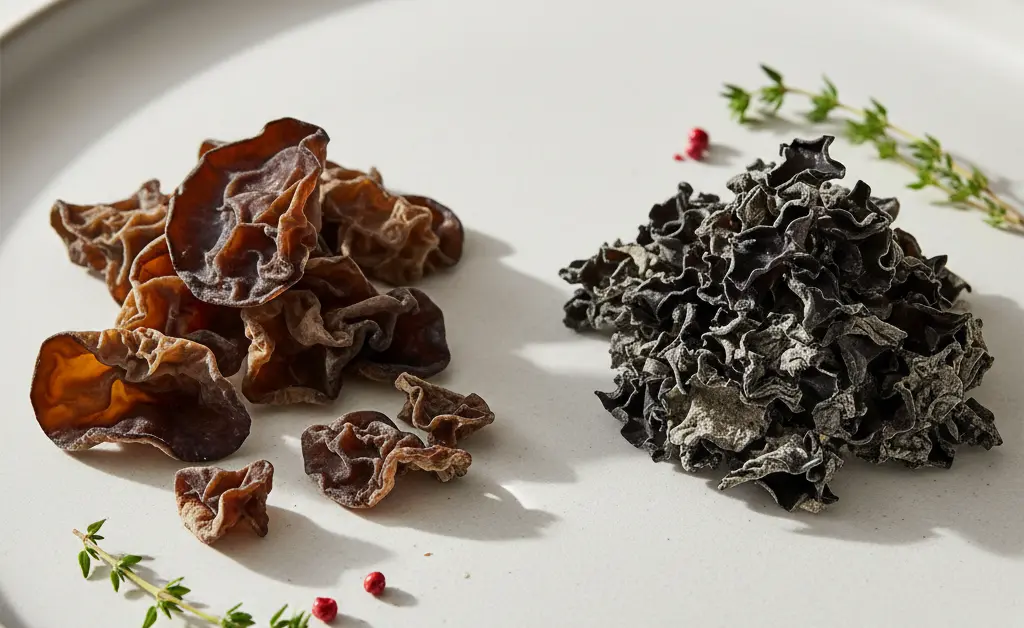
Many edible mushrooms are used in cooking around the world, and some can be easily mistaken for one another due to their appearance. When it comes to the wood ear mushroom and black fungus, this confusion is quite common, especially since both are popular ingredients in Asian cuisine. While they share some similarities that lead people to lump them together, understanding their distinctions is key for chefs and home cooks alike. This guide delves into the subtle yet important differences between wood ear mushroom vs black fungus, covering their visual traits, textural qualities, and culinary applications to help clarify any lingering questions about these versatile fungi.
Wood Ear Mushroom Vs Black Fungus,Key Differences and Similarities
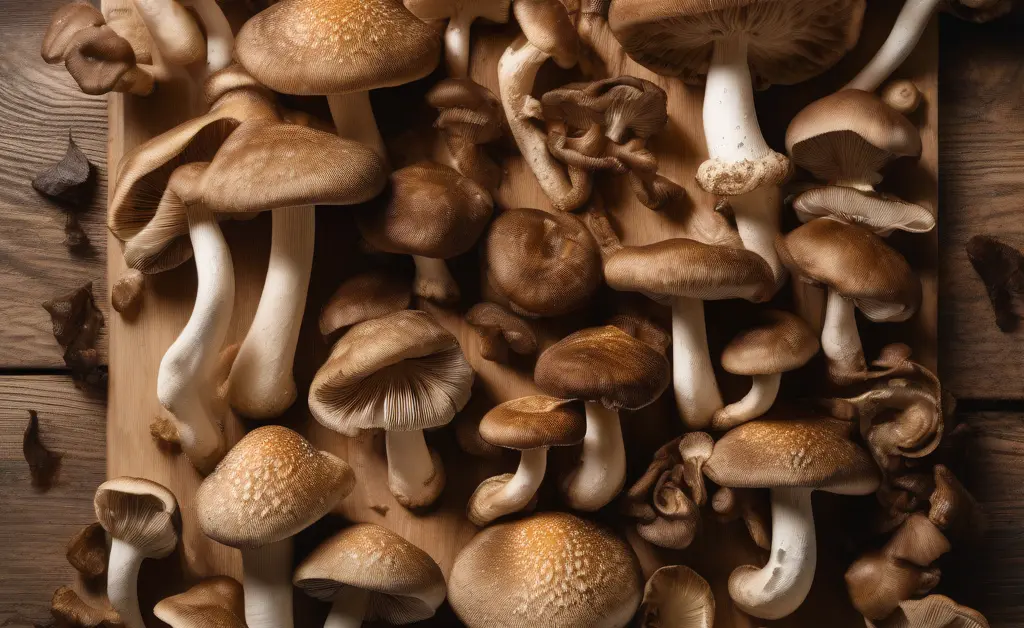
While often used interchangeably in recipes, wood ear mushrooms and black fungus possess unique characteristics that set them apart. These distinctions, though subtle, can influence the final texture and presentation of a dish. Understanding their specific traits in appearance, flavor, and mouthfeel allows for more precise culinary application, while also acknowledging the similarities that cause them to be so frequently confused. To further broaden one’s culinary knowledge, understanding the wood ear mushroom vs oyster mushroom comparison can be insightful.
Appearance and Texture Comparisons
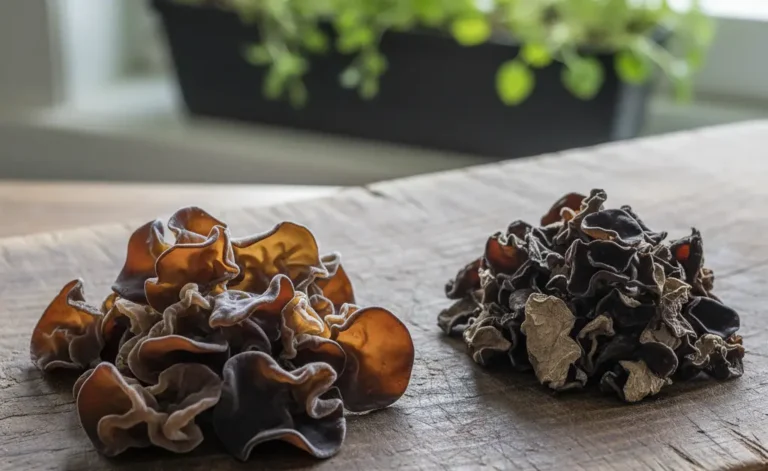
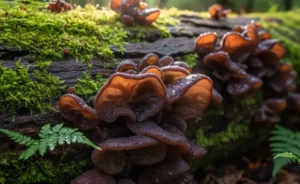
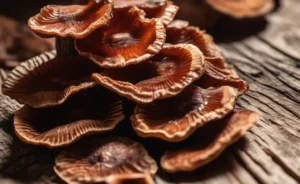
The most immediate difference between wood ear and black fungus lies in their physical form. Wood ear mushrooms are typically larger, thicker, and have a more pronounced shape that resembles a human ear, which is how they got their name. Their color ranges from reddish-brown to dark brown, and they have a smooth, slightly velvety surface when fresh. Upon rehydration from a dried state, they become quite firm, rubbery, and gelatinous.
In contrast, black fungus is generally smaller, thinner, and more delicate. It often has a more ruffled or frilly appearance rather than a distinct ear shape. As its name suggests, it is usually darker in color, often appearing almost black. When reconstituted, black fungus has a finer, less rubbery texture that can be described as slightly crisp or crunchy.
Flavor Profile and Mouthfeel
Neither wood ear nor black fungus is known for a powerful flavor. Both are exceptionally mild and possess a subtle, earthy taste that does not overpower other ingredients. Their primary culinary value comes from their unique ability to absorb the flavors of broths, sauces, and seasonings they are cooked with. The main distinction is in the mouthfeel they provide. Wood ear mushrooms contribute a substantial, chewy, and gelatinous quality to dishes, making them a hearty addition to stir-fries and braises. Black fungus, on the other hand, offers a more delicate, crisp-tender bite that adds a delightful textural contrast, especially in soups and salads. For further insights into healthy eating and food choices, resources like the NHS provide valuable information.
Shared Characteristics and Common Confusion
The confusion between these two fungi is understandable, as they share several key traits. Both belong to the same scientific family and grow on wood in similar environments. They are most commonly sold in dried form in Asian markets and require soaking in water before use, during which they expand significantly. Because they are both dark, gelatinous fungi used in many of the same traditional dishes, such as hot and sour soup or moo shu pork, the lines between them often blur. The ongoing debate over wood ear mushroom vs black fungus is largely a result of these overlapping culinary roles and their close botanical relationship. Similarly, a comparison between wood ear mushroom vs shiitake is often explored by chefs.
cloud ear mushroom vs wood ear
Adding another layer to the confusion is the cloud ear mushroom. The term “cloud ear” is often used to refer to a specific species frequently marketed as black fungus (*Auricularia polytricha*). It is considered a type of wood ear fungus but is distinct from the more common, thicker wood ear (*Auricularia auricula-judae*). Cloud ears are prized for being particularly thin and delicate, with a finer, crisper texture than their larger relatives. In essence, cloud ear is a variety that falls under the black fungus umbrella and represents the more tender end of the wood ear family spectrum.
In summary, while wood ear and black fungus are closely related and share many similarities, their differences in size, thickness, and texture are significant. Wood ear offers a chewier, more substantial bite, while black fungus provides a delicate crispness. Both serve as excellent textural ingredients that readily absorb the flavors of a dish, and choosing between them often comes down to the specific mouthfeel desired by the cook. Understanding these nuances can elevate your cooking and help you make more informed choices at the grocery store.
It is important to note that this content is not intended as medical advice. The information provided in this article is for educational and culinary purposes only. Before making any changes to your diet or lifestyle, especially if you have underlying health conditions or are taking medication, it is essential to consult with a qualified healthcare professional or a registered dietitian. This text should not be used as a substitute for professional medical guidance.
FAQ
Are wood ear mushrooms and black fungus the same thing?
Yes, wood ear mushrooms and black fungus refer to the same type of edible fungus, scientifically known as Auricularia auricula-judae. The different names often arise from regional dialects and culinary traditions.
What is the main difference between wood ear and black fungus?
There is no inherent biological difference between wood ear mushrooms and black fungus, as they are the same species. Any perceived differences in appearance or texture in culinary applications often stem from variations in growing conditions, harvesting, and preparation methods.
Can you substitute black fungus for wood ear mushrooms?
Absolutely, since they are the same species, black fungus can be readily substituted for wood ear mushrooms in any recipe. Their characteristic chewy texture and mild flavor make them versatile across various cuisines.
What does black fungus taste like compared to wood ear?
Both wood ear mushrooms and black fungus have a very mild, almost neutral flavor profile. They are primarily valued for their unique, slightly crunchy or chewy texture once rehydrated, rather than a distinct taste.