You’re standing in the grocery aisle, recipe in hand, ready to whip up that flavorful stir-fry. But then, a familiar confusion arises: “Wood ear mushroom vs black fungus” – are they the same thing? Often used interchangeably, these popular edible fungi, particularly in Asian cuisine, can lead to a bit of a culinary crossroads. Understanding their subtle distinctions is key to achieving the desired texture and authentic taste in your dishes. While they share a visual resemblance and are frequently lumped together, a closer look reveals unique characteristics that set them apart, impacting everything from their preparation to their final presentation on your plate.
Wood Ear Mushroom Vs Black Fungus,Key Differences and Similarities
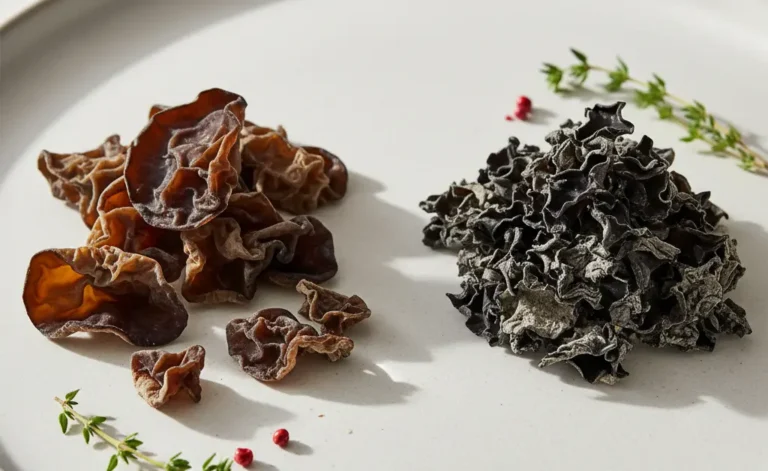
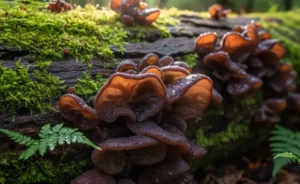
The discussion surrounding wood ear mushroom vs black fungus often stems from the fact that they belong to the same botanical family, *Auricularia*. Both are jelly fungi known for growing on wood, and in many culinary contexts, the names are used without distinction. However, for those seeking specific textures and culinary results, knowing the differences is valuable. Their preparation is similar, usually involving rehydrating the dried form in warm water, which causes them to expand significantly and regain their signature gelatinous, pliable texture. After rehydration, they should be thoroughly rinsed to remove any debris before being added to dishes.
Appearance and Texture Comparisons
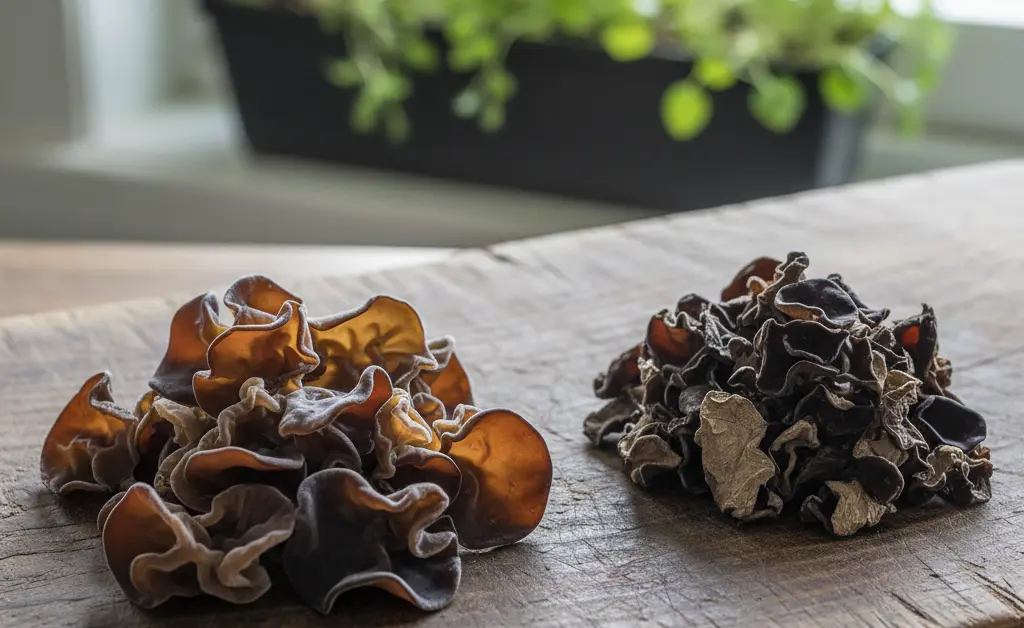
At first glance, wood ear and black fungus appear similar, especially when dried. Once rehydrated, their differences become more apparent. Wood ear mushrooms (*Auricularia heimuer*) are typically larger, thicker, and have a more distinctly ruffled, ear-like shape. Their color can range from dark brown to black, and they possess a firm, substantial, and satisfyingly crunchy texture. In contrast, what is often sold simply as “black fungus” (*Auricularia polytricha* or other related species) can be thinner, more delicate, and less pronounced in its ear-like form. Its texture is still gelatinous and crisp but might be perceived as slightly softer or more tender than the classic wood ear.
Flavor Profile and Mouthfeel
Neither wood ear nor black fungus is prized for a strong flavor. Both are exceptionally mild, with subtle earthy and woodsy notes that easily absorb the tastes of the broths, sauces, and seasonings they are cooked with. Their primary culinary contribution is their unique mouthfeel. Both fungi provide a delightful textural contrast in dishes, offering a combination of a slippery, gelatinous surface and a firm, crisp bite. This crunchy-chewy quality holds up well during cooking, making them a favorite addition to soups, salads, and stir-fries where they add body and an interesting textural element without overpowering other ingredients. For those exploring other mushroom comparisons, understanding wood ear mushroom vs oyster mushroom can also be beneficial.
Shared Characteristics and Common Confusion
The confusion between these fungi is understandable. Both are members of the *Auricularia* genus, share a dark coloration, and grow on decaying wood. They are most commonly sold in a dried, shriveled state in Asian markets, where packaging and labeling can be inconsistent. Often, the term “black fungus” is used as a broad, generic category that includes wood ear mushrooms and other related varieties. This interchangeable naming convention in commerce and recipes is the primary source of the mix-up. For most home cooking, substituting one for the other will not drastically alter the outcome of a dish, as their main role is to provide texture. Information regarding food safety and proper handling of produce is often provided by organizations like the CDC.
cloud ear mushroom vs wood ear
To add another layer to the conversation, the cloud ear mushroom (*Auricularia polytricha*) is another closely related variety. It is often considered a type of black fungus and is distinguished by being even thinner and more delicate than the common wood ear. Cloud ears are typically smaller and have a finer, more crinkled appearance. When rehydrated, they offer a very tender yet crisp texture. In the hierarchy of these fungi, the cloud ear is the most delicate, followed by the more general black fungus, with the wood ear being the thickest and most robust of the three. The choice between them often comes down to personal preference for a finer or a more substantial crunch in a dish. Distinguishing between wood ear mushroom vs shiitake also highlights the diverse culinary uses of fungi.
In summary, while wood ear, black fungus, and cloud ear are botanically related and share a similar mild flavor and textural role in cooking, they do have subtle differences. Wood ear is generally the largest and most robust, providing a significant crunch. Black fungus can be a slightly more delicate term, while cloud ear is the thinnest and most tender of the group. For most recipes, they can be used interchangeably, but discerning chefs may choose one over the other to achieve a specific textural balance. Understanding these distinctions can help you navigate the grocery aisle with confidence and select the perfect fungus for your culinary creation.
It is important to note that this content is not intended as medical advice. The information provided in this article is for general informational and culinary purposes only. It should not be used as a substitute for professional consultation with a healthcare provider or registered dietitian regarding health conditions, dietary needs, or nutritional guidance. Always consult a qualified professional before making changes to your diet.
FAQ
Are wood ear mushrooms and black fungus the same thing?
Wood ear mushrooms and black fungus are indeed the same organism, belonging to the species Auricularia auricula-judae. The name “black fungus” is a common culinary term used to describe this edible mushroom, especially in Asian cuisine.
What is the main difference between wood ear and black fungus?
The primary distinction lies in the terminology rather than a biological difference. “Wood ear” is a more descriptive common name referring to its shape and growth habit, while “black fungus” is widely used in culinary contexts, particularly when referring to dried preparations.
Can you substitute black fungus for wood ear mushrooms?
Yes, since they are the same mushroom, you can readily substitute dried black fungus for fresh wood ear mushrooms in recipes. It’s important to rehydrate the dried form before use, as it will expand significantly.
What does black fungus taste like compared to wood ear?
Both wood ear and black fungus offer a very mild, earthy flavor that primarily serves as a textural element in dishes. They are known for their distinctively crunchy and slightly chewy texture when prepared correctly.