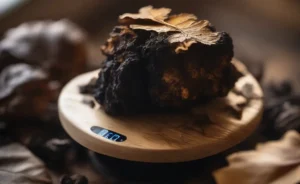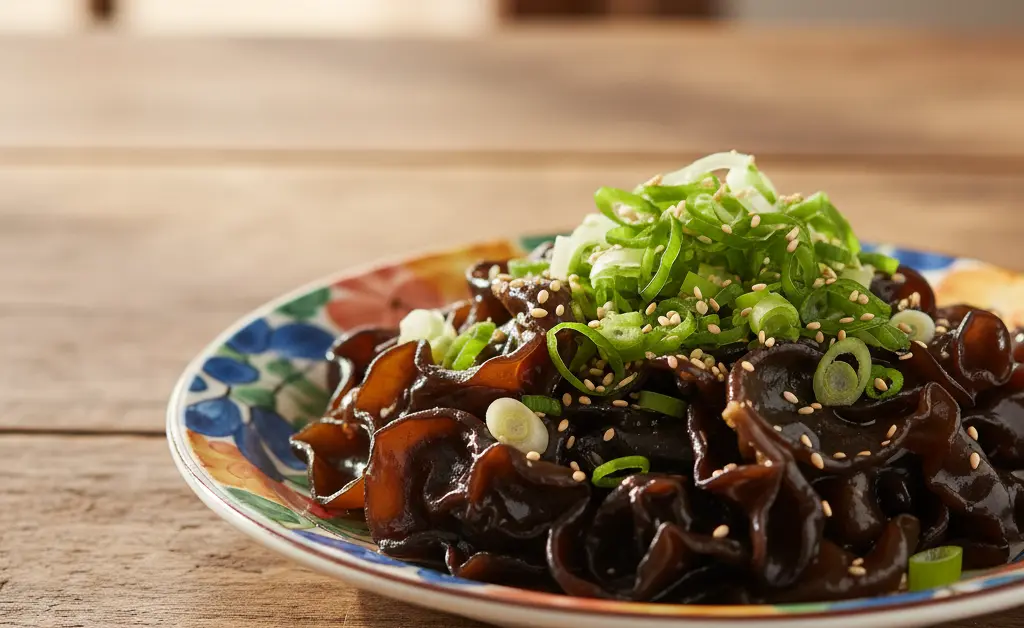
Banchan are small side dishes served with Korean meals. This wood ear mushroom banchan recipe offers a delightful combination of chewy texture and savory-sweet-tangy flavor, making it a versatile addition to any table. It’s a straightforward preparation that requires minimal cooking, focusing instead on fresh ingredients and a well-balanced dressing. Whether you’re a seasoned cook or new to Korean cuisine, this recipe provides a simple yet impressive way to enjoy these unique mushrooms. The appeal lies in its refreshing taste and satisfying crunch, a perfect counterpoint to richer main dishes.
Wood Ear Mushroom Banchan Recipe
This dish is essentially a cold mushroom salad, marinated in a flavorful dressing. It is prized for its unique textural qualities—a satisfying chewiness with a slight crunch that is hard to find in other ingredients. The preparation is simple and highlights the natural, earthy taste of the mushrooms while enhancing them with a classic combination of Korean seasonings. For those exploring other applications, a wood ear mushroom ramen recipe offers another delightful way to enjoy this ingredient.
Simple Wood Ear Mushroom Banchan Recipe
The core of this recipe involves blanching the mushrooms, preparing a simple vinaigrette-style dressing, and allowing the ingredients to marinate. The process is quick, with most of the time dedicated to letting the flavors meld in the refrigerator. The result is a refreshing and savory side dish that can be prepared ahead of time, making it an excellent choice for meal planning or entertaining guests. Its simplicity means that even beginners can achieve a delicious and authentic-tasting result.
Ingredients for Wood Ear Mushroom Banchan
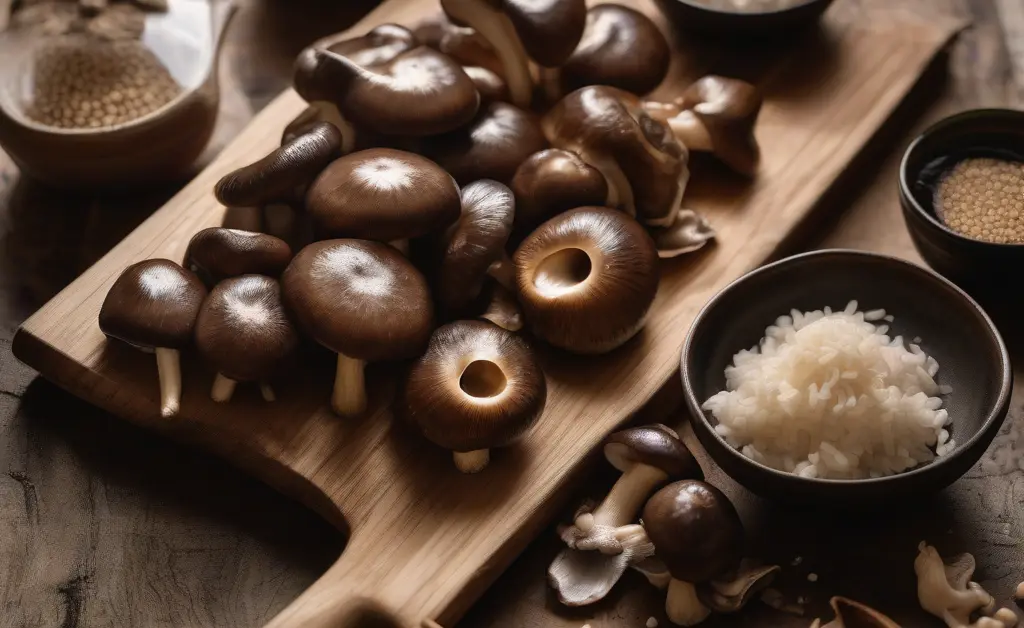
The success of this simple side dish relies on quality ingredients. While the list is short, each component plays a crucial role in building the final flavor profile of this wood ear mushroom banchan recipe. The balance between savory, tangy, and sweet elements is key.
Wood Ear Mushrooms (Fresh or Dried)
The star ingredient can be used in either its fresh or dried form. Fresh wood ear mushrooms should be firm, plump, and free of any slimy texture. They require minimal preparation beyond a quick rinse and trim. Dried wood ear mushrooms are more commonly available and offer a more concentrated flavor. They need to be rehydrated in warm water until they are fully softened and have expanded significantly before use. Both options provide the signature chewy, jelly-like texture. For those interested in other fungi, there are many delightful shiitake mushroom recipes to discover.
Aromatics (Garlic, Ginger)
Finely minced garlic and freshly grated ginger are essential for creating the aromatic foundation of the dressing. Garlic provides a pungent, savory kick, while ginger adds a warm, spicy note that brightens the overall flavor. The freshness of these ingredients is paramount, as they contribute significantly to the banchan’s zesty character.
Seasonings (Soy Sauce, Vinegar, Sugar, Sesame Oil)
This classic quartet of Korean seasonings creates a perfectly balanced dressing.
- Soy Sauce: Provides the primary savory and umami flavor, as well as the salty base.
- Vinegar: Adds a necessary tang and acidity that cuts through the earthiness of the mushrooms. Rice vinegar is a common and excellent choice for its mild, slightly sweet profile.
- Sugar: Balances the saltiness of the soy sauce and the acidity of the vinegar. It rounds out the dressing, preventing any single flavor from being too overpowering.
- Sesame Oil: Toasted sesame oil is added for its distinctive nutty aroma and rich flavor. A little goes a long way in adding depth and a classic Korean finish to the dish.
Optional Add-ins (Chilies, Cilantro)
While the basic recipe is delicious on its own, several additions can customize it to your preference. Thinly sliced fresh chilies or a sprinkle of Korean chili flakes (gochugaru) can introduce a pleasant level of heat. Chopped fresh cilantro or scallions can add a layer of herbaceous freshness and a pop of color, transforming the dish into a more complex wood ear mushroom salad.
Instructions for Making Wood Ear Mushroom Banchan
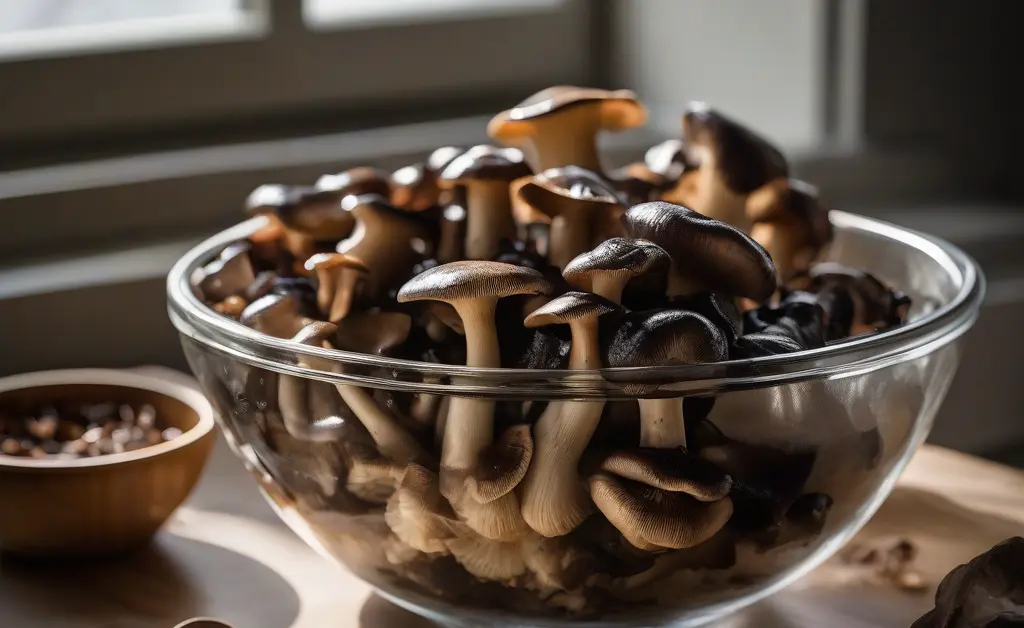
Following these steps will ensure your mushrooms are perfectly textured and seasoned. The process is straightforward, with the most important part being the marination time, which allows the flavors to fully develop. This particular wood ear mushroom banchan recipe is designed to be easy to follow.
Preparing the Mushrooms
First, prepare the mushrooms based on whether they are fresh or dried. If using dried mushrooms, place them in a bowl and cover them with warm water. Let them soak until they are fully rehydrated, pliable, and have expanded in size. This can take some time. Once rehydrated, or if using fresh mushrooms, rinse them thoroughly and trim off any tough, woody stems at the base. Bring a small pot of water to a boil and briefly blanch the mushrooms. This quick cook helps to achieve the perfect snappy texture and cleans the mushrooms. Immediately drain them and rinse with cold water to stop the cooking process. Pat them dry and slice them into thin, bite-sized strips.
Making the Dressing
In a medium-sized mixing bowl, combine the soy sauce, rice vinegar, sugar, minced garlic, and grated ginger. Whisk the ingredients together until the sugar has completely dissolved. Finally, whisk in the toasted sesame oil. Taste the dressing at this point and adjust the seasonings if necessary. You may prefer it slightly sweeter, saltier, or tangier depending on your personal preference.
Combining Ingredients
Add the prepared mushroom strips to the bowl with the dressing. If you are using any optional add-ins like sliced chilies or chopped cilantro, add them now. Gently toss everything together until the mushrooms are evenly coated with the dressing.
Chilling and Marinating
Cover the bowl and place it in the refrigerator to chill for at least 30 minutes before serving. For the best flavor, allow the banchan to marinate for a few hours or even overnight. This resting period is crucial as it allows the mushrooms to absorb the savory and tangy notes of the dressing, resulting in a much more flavorful dish.
Tips for Perfect Wood Ear Mushroom Banchan
Achieving the ideal texture and taste in this dish is simple with a few key considerations. These tips will help you master the nuances of this classic Korean side dish and ensure a delicious outcome every time.
Mushroom Texture Control
The texture of the wood ear mushroom is its most celebrated quality. The key to preserving its signature crunch and chewiness is the blanching time. Be careful not to overcook the mushrooms. A very brief dip in boiling water is all that is needed to cook them through without making them soft or mushy. The goal is to heat them just enough to remove any raw taste while maintaining their snappy, resilient bite. Understanding how to cook shiitake mushrooms can also expand your culinary repertoire.
Balancing Flavors
The dressing is a delicate balance of savory, sweet, and tangy. Always taste your dressing before you combine it with the mushrooms. The flavor profile can be easily adjusted to suit your palate. If it tastes too salty, a little more sugar can help. If it’s too sweet, an extra splash of vinegar will brighten it up. Remember that the flavors will become more concentrated and will meld as the banchan marinates, so a well-balanced dressing from the start is important for the final wood ear mushroom banchan recipe.
Storage and Shelf Life
Wood ear mushroom banchan stores very well, and its flavor often improves after a day in the refrigerator. Keep it in an airtight container in the fridge. It will typically stay fresh and delicious for several days. The mushrooms will continue to absorb the dressing, becoming even more flavorful over time. This makes it an excellent side dish to prepare in advance.
Serving Suggestions for Wood Ear Mushroom Banchan
Traditionally, this dish is served as one of many banchan accompanying a Korean meal. Its cool, refreshing taste and crunchy texture provide a wonderful contrast to rich, heavy, or spicy main courses like grilled meats (bulgogi or galbi), stews (jjigae), and rice. The savory and tangy profile of this wood ear mushroom banchan recipe helps cleanse the palate between bites of other dishes.
Beyond its traditional role, this versatile mushroom salad can be enjoyed in many other ways. It makes a fantastic standalone appetizer or a light and healthy snack. For more general health information, resources are available from organizations like the NIH. You can also add a larger portion to a bed of greens to create a more substantial salad or use it as a flavorful topping for simple rice bowls or noodle dishes. Its unique texture adds an interesting element wherever it is used. Another creative use for these fungi is a flavorful wood ear mushroom dumplings recipe.
Making this wood ear mushroom banchan is a simple and rewarding process. The combination of chewy mushrooms with a savory, tangy, and slightly sweet dressing creates a refreshing side dish that complements a wide array of meals. Its appeal lies in its unique texture and the bright, clean flavors of the marinade. Whether you are new to Korean cooking or an experienced enthusiast, this recipe offers a delicious way to enjoy the delightful qualities of wood ear mushrooms.
This information should be viewed as educational rather than medical advice. The content in this article is provided for informational purposes only and is not intended to be a substitute for professional medical consultation, diagnosis, or treatment. Always seek the advice of your physician or another qualified health provider with any questions you may have regarding a medical condition. Never disregard professional medical advice or delay in seeking it because of something you have read here.
FAQ
Can you make wood ear mushroom banchan ahead of time?
Yes, wood ear mushroom banchan can be prepared in advance, as the flavors often meld and deepen over time. Storing it in an airtight container in the refrigerator helps maintain its freshness and texture for several days. This characteristic makes it a convenient dish for meal prepping or serving at gatherings.