
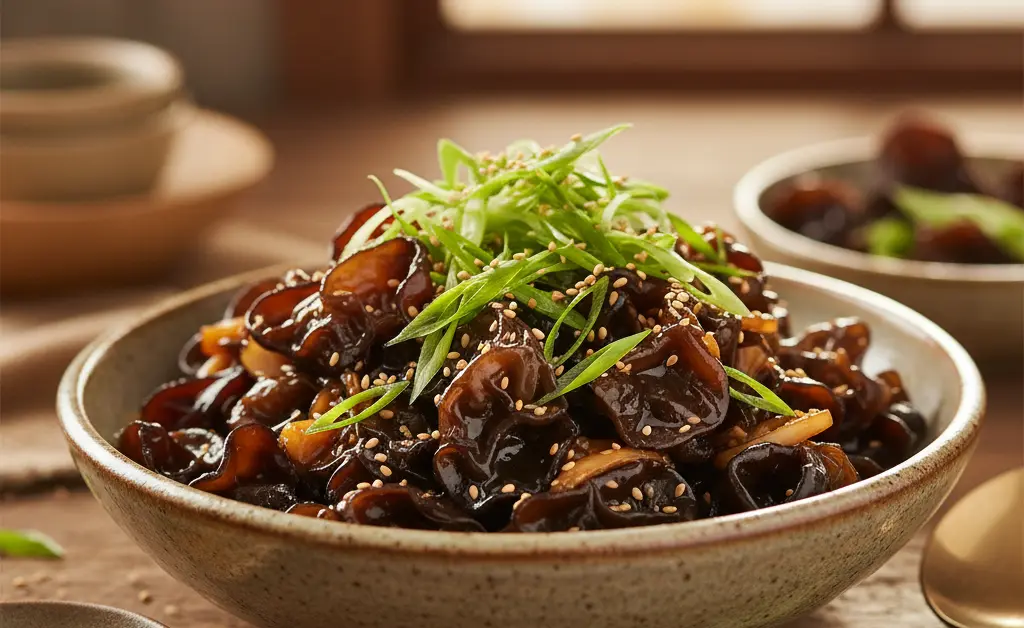
Wood ear mushrooms bring a unique texture and subtle flavor to many dishes. This wood ear mushroom Korean recipe offers a delightful way to experience them, balancing earthy notes with classic Korean seasonings for a dish that’s both refreshing and satisfying. It’s an approachable yet authentic preparation that highlights the versatility of this fascinating ingredient, making it a wonderful addition to any meal. Whether you’re a seasoned cook or new to Korean cuisine, this guide will walk you through creating a memorable wood ear mushroom dish that you’ll want to make again and again.
Understanding Wood Ear Mushrooms in Korean Cuisine
In Korean cuisine, wood ear mushrooms are prized not for an overpowering flavor, but for their distinctively crisp, snappy, and slightly gelatinous texture. Unlike many other mushrooms that offer deep, earthy notes, wood ears act as a textural canvas, absorbing the flavors of the sauces and ingredients they are paired with. They are commonly featured in stir-fries (japchae), soups, and particularly in cold salads, where their unique bite provides a refreshing contrast. For different culinary experiences, you might also explore shiitake mushroom recipes.
Wood Ear Mushroom Korean Recipe: A Comprehensive Guide
A typical wood ear mushroom Korean recipe is designed to highlight its textural qualities. These preparations often involve a simple blanching or rehydration process followed by tossing the mushrooms in a vibrant dressing. The goal is to create a balanced dish that is savory, slightly sweet, and tangy, allowing the mushroom’s crunch to shine through. This approach makes it a staple in creating delicious side dishes, known as banchan.
Wood Ear Mushroom Salad Recipe
One of the most popular ways to enjoy this ingredient is in a cold salad, or “muchim.” This style of dish involves mixing prepared wood ear mushrooms with various thinly sliced vegetables and a flavorful dressing. It’s served chilled, making it a perfect palate cleanser or a light, refreshing accompaniment to heavier main courses, especially during warmer months.
Essential Ingredients for Your Wood Ear Mushroom Recipe
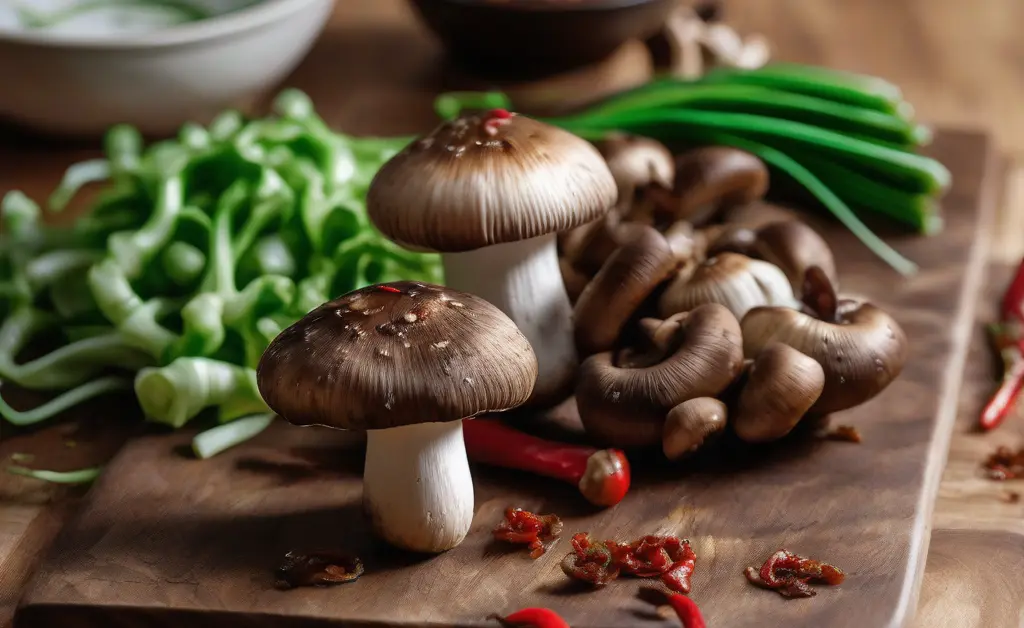
The success of a wood ear mushroom dish hinges on a balance of fresh ingredients and quintessential Korean flavorings. These components work together to complement the mushroom’s unique texture without overpowering it. Gathering the right mix of seasonings and fresh produce is the first step toward an authentic and delicious result.
Key Korean Flavorings and Seasonings
The dressing is the heart of most Korean wood ear mushroom dishes. Essential seasonings typically include a base of soy sauce for savory depth and saltiness. Rice vinegar adds a bright, tangy counterpoint, while sesame oil provides a nutty aroma and rich finish. For a touch of sweetness to balance the flavors, sugar or a liquid sweetener like rice syrup is often used. Finally, gochugaru (Korean chili flakes) can be added for a mild to moderate spiciness and vibrant color. This dressing provides the main flavor, but other savory options, like a rich shiitake mushroom sauce, could also be explored for different dishes.
Vegetables and Aromatics
To enhance the texture and freshness of any wood ear mushroom Korean recipe, a variety of vegetables and aromatics are incorporated. Thinly sliced cucumbers, bell peppers of various colors, and julienned carrots add crunch and visual appeal. Essential aromatics like minced garlic and finely chopped scallions provide a pungent, fresh foundation that is fundamental to Korean cooking. A sprinkle of toasted sesame seeds is often used as a final garnish for added texture and nutty flavor.
Step-by-Step Korean Wood Ear Mushroom Recipe
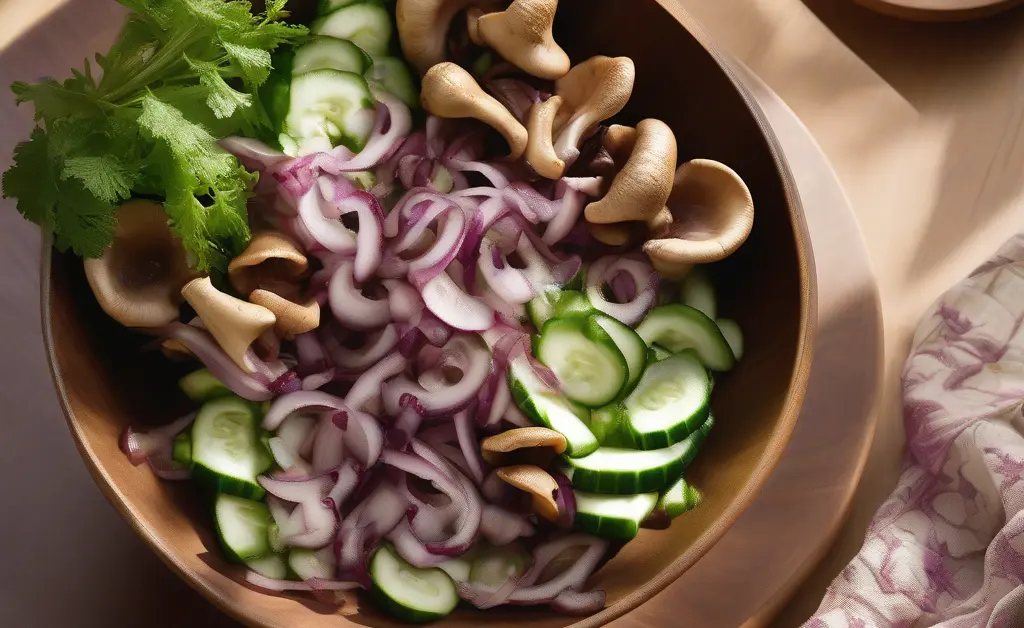
Creating this dish is a straightforward process focused on proper preparation and assembly. The key is to prepare each component—the mushrooms, the vegetables, and the dressing—separately before bringing them all together. This method ensures that every ingredient maintains its ideal texture and flavor, resulting in a perfectly balanced salad.
Preparing the Dressing/Sauce
Begin by creating the sauce to allow the flavors time to meld. In a small bowl, combine the primary liquid seasonings, such as soy sauce and rice vinegar. Whisk in the sugar until it fully dissolves. Next, stir in the aromatics, including minced garlic and chopped scallions, along with the sesame oil. If you desire a spicy kick, add the gochugaru at this stage. Mix everything thoroughly until you have a cohesive and fragrant dressing.
Combining Ingredients
Once your wood ear mushrooms are rehydrated, cleaned, and blanched, they are ready for the salad. In a large mixing bowl, add the prepared mushrooms along with any other vegetables you are using, such as sliced cucumbers or carrots. Pour the prepared dressing over the ingredients. Using your hands or a pair of spoons, gently toss everything together until the mushrooms and vegetables are evenly coated with the sauce. This careful mixing ensures the delicate ingredients are not bruised.
Chilling and Serving
For the best flavor and texture, the dish should be served cold. After combining the ingredients, cover the bowl and place it in the refrigerator to chill. This resting period allows the wood ear mushrooms to absorb the dressing, deepening the overall flavor of the salad. When ready to serve, give it one last gentle toss and transfer it to a serving dish. It can be garnished with extra sesame seeds for presentation.
Tips for Preparing and Cooking Wood Ear Mushrooms
Proper preparation is crucial for achieving the perfect texture that makes wood ear mushrooms so enjoyable. Whether you are starting with dried or fresh varieties, a few key steps will ensure they are clean, safe, and have that signature snappy bite. Following the correct preparation for your wood ear mushroom korean recipe is essential for a successful dish. For more information on food safety guidelines, you can refer to the FDA.
Wood Ear Mushroom Cucumber Salad
A classic pairing in Korean cuisine is wood ear mushroom and cucumber. For this salad, the cucumber is often lightly salted to draw out excess water, which keeps it crisp and prevents the final dish from becoming watery. The refreshing crunch of the cucumber provides a wonderful contrast to the snappy texture of the mushrooms, creating a light and hydrating side dish.
Wood Ear Mushroom Stir Fry
Wood ear mushrooms are also excellent in stir-fries. Because they are already tender after rehydrating and blanching, they should be added near the end of the cooking process. Tossing them in for the last minute or two of stir-frying allows them to heat through and absorb the sauce without losing their characteristic crunch. They pair well with a wide range of proteins and vegetables in stir-fried dishes.
Variations and Serving Suggestions

One of the best aspects of this dish is its versatility. You can easily adjust the ingredients to suit your taste preferences, add protein for a more substantial meal, or serve it as part of a larger traditional Korean spread. These simple modifications allow you to customize the recipe while preserving its authentic character.
Spicy Korean Wood Ear Mushroom Salad
For those who enjoy more heat, creating a spicy version is simple. The level of spiciness can be increased by adding more gochugaru (Korean chili flakes) to the dressing. For a deeper, more complex heat, a small amount of gochujang (Korean chili paste) can be whisked into the sauce. This creates a richer, slightly thicker dressing that clings beautifully to the mushrooms.
Adding Protein or Other Vegetables
To transform this side dish into a light main course, consider adding a protein. Shredded cooked chicken, pan-fried tofu, or even cold shrimp are excellent additions. You can also incorporate other vegetables to add more texture and nutrients. Thinly sliced radishes, blanched bean sprouts, or slivered onions can be tossed into the salad for extra crunch and flavor complexity. Customizing your wood ear mushroom korean recipe with these additions can make it a more complete meal. Another delicious application for this ingredient is a wood ear mushroom egg roll recipe, offering a different textural experience.
Serving as a Side Dish (Banchan)
Traditionally, this wood ear mushroom salad is served as banchan, one of many small side dishes that accompany a Korean meal. Its tangy, refreshing flavor profile makes it an ideal complement to rich and savory main courses like grilled meat (bulgogi or galbi) or hearty stews. Serve it chilled in a small bowl alongside other banchan like kimchi, seasoned spinach, and pickled radish to create a complete and balanced dining experience. For a unique twist on banchan, consider making a wood ear mushroom tofu skin salad recipe.
This authentic Korean wood ear mushroom dish is a testament to how a simple ingredient can be transformed into something truly special. Its appeal lies in the delightful textural contrast and the harmonious blend of savory, tangy, and sweet flavors. Easy to prepare and endlessly adaptable, it’s a refreshing side dish that can brighten any meal. By following these steps and tips, you can confidently bring the unique taste of Korean cuisine into your own kitchen.
This information is provided for educational purposes only. It is not intended as a substitute for professional culinary guidance or dietary advice. The suitability of ingredients and recipes can vary based on individual dietary needs and health status. Always consult with a qualified professional for personalized recommendations.
FAQ
How do you rehydrate dried wood ear mushrooms for a Korean recipe?
To rehydrate dried wood ear mushrooms, place them in a bowl and cover with warm water for at least 30 minutes, or until they become soft and pliable. Gently squeeze out excess water before using them in your recipe.
What are the best seasonings for a Korean wood ear mushroom salad?
A Korean wood ear mushroom salad is often enhanced with a balance of savory, sweet, and tangy flavors. Common additions include soy sauce, rice vinegar, sesame oil, garlic, and a touch of sugar or honey.
Can I use fresh wood ear mushrooms in this recipe?
While dried wood ear mushrooms are commonly used for their concentrated flavor and texture, fresh ones can be used if available. They may require less rehydration time and can offer a more delicate crunch.