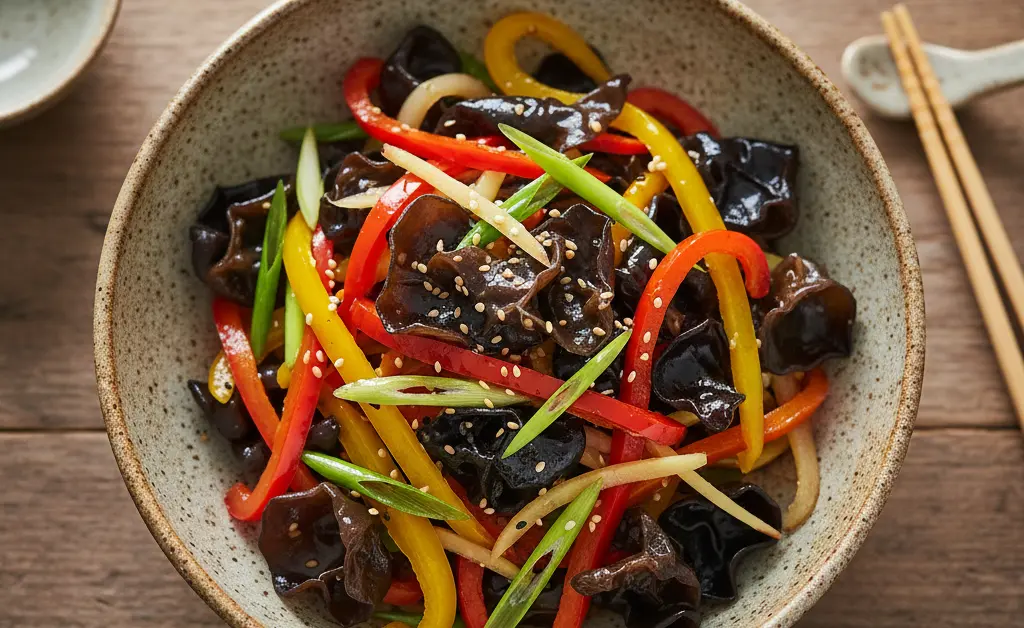
Integrating the unique texture and subtle flavor of wood ear mushrooms into your home cooking can elevate everyday meals. This versatile ingredient offers a satisfying chewiness and a delightful crunch, making it a standout component in various dishes. Discovering how to prepare them properly is key to unlocking their full culinary potential, especially within the context of traditional Chinese cuisine. This guide aims to provide a clear, accessible path to mastering a popular wood ear mushroom chinese recipe, ensuring delicious results whether you’re a novice cook or seeking to refine your skills. We’ll explore a straightforward approach that highlights the mushroom’s best qualities, offering a rewarding cooking experience.
Wood Ear Mushroom Chinese Recipe
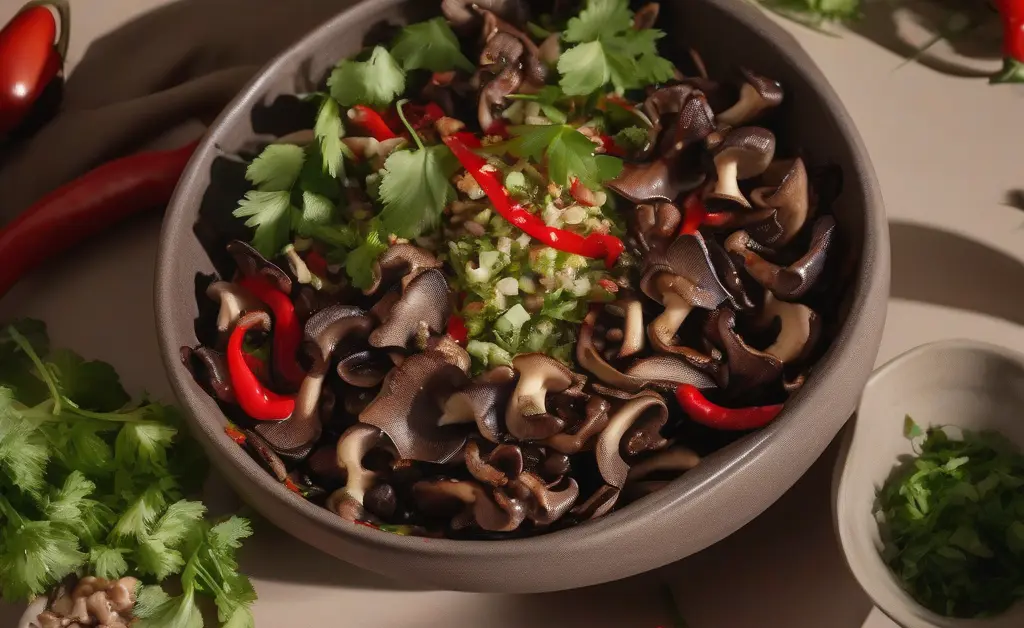
While often associated with stir-fries, one of the most popular ways to enjoy wood ear mushrooms in Chinese cuisine is in a cold salad. These refreshing appetizers are celebrated for their vibrant flavors and invigorating textures. A great wood ear mushroom salad showcases the mushroom’s signature crunch, pairing it with a tangy and savory dressing. This type of preparation is a staple in many households and restaurants, offering a light and flavorful start to a meal or a cooling counterbalance to richer main courses. The simplicity of the dish allows the unique qualities of the mushroom to shine through.
Wood Ear Mushroom Salad
A classic wood ear mushroom salad is a study in simplicity and balance. Typically served cold or at room temperature, this dish features blanched wood ear mushrooms tossed in a simple yet flavorful dressing. The core components of the dressing usually include black vinegar, soy sauce, sesame oil, minced garlic, and a touch of sugar to harmonize the flavors. The result is a dish that is simultaneously savory, tangy, and slightly sweet, with the satisfyingly crisp texture of the mushrooms taking center stage. It is a quintessential cold appetizer that prepares the palate for the meal to come.
Spicy Wood Ear Mushroom Salad
For those who prefer a bit of heat, a spicy version of the wood ear mushroom salad is an excellent choice. Building upon the classic recipe, this variation incorporates spicy elements to create a more dynamic flavor profile. The most common way to add heat is by using chili oil, which imparts both spiciness and a beautiful red hue to the dish. Other options include adding fresh, thinly sliced red chilies, a spoonful of a chili-garlic sauce, or a pinch of red pepper flakes. This fiery kick provides a wonderful contrast to the cool, crunchy texture of the mushrooms. For those interested in fermented and spicy preparations, a dedicated wood ear mushroom kimchi recipe offers another delightful option.
Adding Other Vegetables
To enhance the flavor, texture, and visual appeal of a wood ear mushroom salad, incorporating other vegetables is highly recommended. Thinly sliced or julienned vegetables that retain their crunch are ideal partners. Common additions include crisp cucumber, fragrant cilantro, thinly sliced red onion, or shredded carrots. These ingredients not only add fresh flavors and vibrant colors but also introduce different textural elements that complement the chewy-crispness of the mushrooms, making the salad more substantial and complex.
Serving as an Appetizer or Side Dish
Wood ear mushroom salad is incredibly versatile in its role within a meal. It is most frequently served as a cold appetizer, one of several small dishes presented at the beginning of a meal to whet the appetite. Its light and refreshing nature makes it a perfect starter. Alternatively, it functions beautifully as a side dish, providing a cooling and textural contrast to heavier, richer main courses like braised meats or oily stir-fries. Its bright, acidic flavor can cut through richness and cleanse the palate between bites. Exploring a wood ear mushroom banchan recipe can introduce more versatile side dish options to your repertoire.
Wood Ear Mushroom Recipe Stir Fry
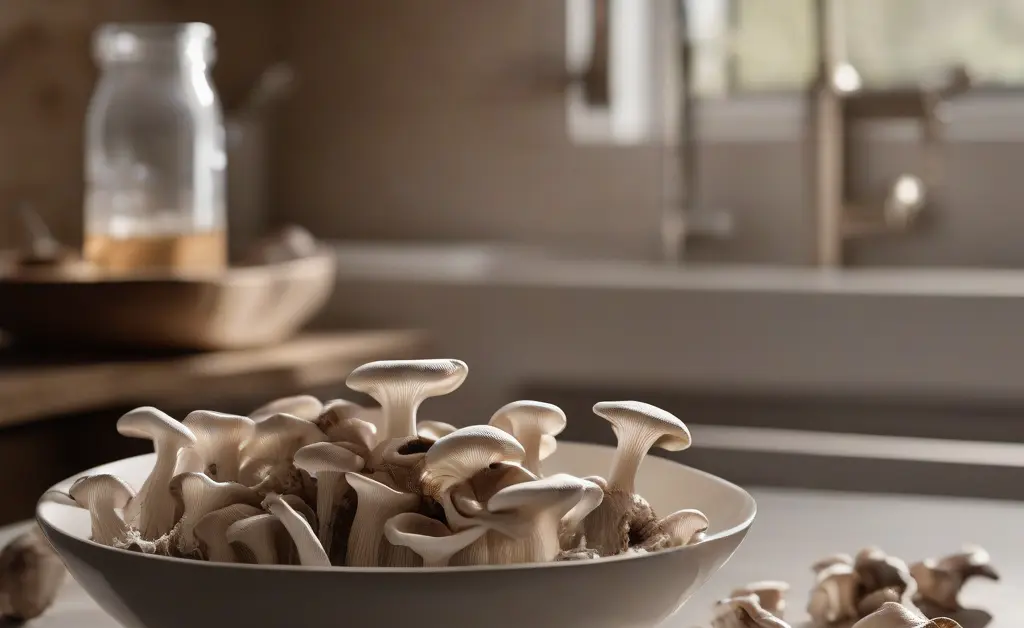
The foundation of any successful dish featuring wood ear mushrooms, whether it’s a salad or a stir-fry, lies in the preparation of the mushrooms themselves. Understanding how to handle them from their dried state to the final cooking process is essential for achieving the desired texture and flavor. These steps ensure that the mushrooms are clean, perfectly rehydrated, and ready to absorb the flavors of your chosen sauce or dressing. Mastering this prep work is the key to unlocking the full potential of this unique ingredient in any wood ear mushroom recipe stir fry and beyond. Exploring diverse culinary options, like various shiitake mushroom recipes, can further broaden your cooking skills.
Dried Wood Ear Mushrooms
In most markets outside of Asia, wood ear mushrooms are most commonly found in their dried form. Dried mushrooms have an exceptionally long shelf life and are prized for their concentrated earthy flavor and ability to rehydrate to a perfectly crisp-tender texture. Further scientific understanding of mushrooms can often be found on PubMed. They look like small, hard, and brittle black flakes in their dried state but undergo a dramatic transformation when soaked in water.
Rehydrating Dried Wood Ear Mushrooms
Rehydration is the essential first step in preparing dried wood ear mushrooms. This process is not optional; it is necessary to render the hard, brittle mushrooms edible and to restore their signature texture. Soaking softens the mushrooms and causes them to expand significantly, often to several times their original size. This step also begins the process of cleaning them, as it helps to loosen any dust or debris from their crevices.
Proper Rehydration Techniques
To properly rehydrate wood ear mushrooms, they should be fully submerged in a large bowl of warm water. Using warm water helps to speed up the process compared to cold water. They need to soak until they are fully softened, pliable, and have expanded completely. The time required can vary depending on the thickness and size of the dried mushrooms. Once rehydrated, they will feel soft and have a slightly rubbery, gelatinous quality.
Trimming and Cleaning
After rehydration, proper trimming and cleaning are crucial. Each mushroom grows on wood and has a tough, gritty “foot” or base where it was attached. This hard nub should be carefully trimmed off with a knife as it remains unpleasantly tough even after cooking. Following trimming, the mushrooms should be rinsed thoroughly under running water to remove any remaining grit or impurities that may have been trapped in their folds.
Achieving the Right Texture
The goal when cooking with wood ear mushrooms is to preserve their unique, delightful texture, which is a combination of crunchy, chewy, and tender. For salads, this is often achieved by briefly blanching the rehydrated and trimmed mushrooms in boiling water and then immediately plunging them into an ice bath. This technique cooks them just enough while maintaining their firm bite. In a stir-fry, they should be added towards the end of the cooking process to prevent them from becoming too soft. Different cooking techniques, such as using a shiitake mushroom air fryer, are also popular for preparing mushrooms.
Preparing the Dressing
A versatile dressing or sauce is key to complementing the mild flavor of wood ear mushrooms. A classic combination for a salad dressing or a stir-fry sauce involves a balance of savory, acidic, and aromatic elements. Key ingredients often include light soy sauce for saltiness, black vinegar for a deep tang, sesame oil for nutty aroma, minced garlic and ginger for pungency, and a small amount of sugar to balance the acidity. This base can be easily adjusted to suit personal taste.
Combining Ingredients
The final step is bringing all the components together. For a cold salad, the blanched and cooled mushrooms are tossed with the dressing and any additional vegetables until everything is evenly coated. For a stir-fry, the prepared mushrooms are added to the wok with other ingredients and the sauce, then quickly tossed over high heat. In both cases, the goal is to coat the mushrooms in flavor while celebrating their unique texture.
Chilling and Serving
For cold preparations like the classic wood ear salad, a chilling period is highly beneficial. After tossing the ingredients with the dressing, allowing the salad to rest in the refrigerator gives the flavors time to meld and marinate the mushrooms. This step deepens the overall taste of the dish and ensures it is served at a cool, refreshing temperature, making it especially enjoyable as an appetizer or a summer side dish.
Wood ear mushrooms offer a unique culinary experience, bringing an extraordinary texture and subtle flavor to the table. Whether prepared as a zesty cold salad to start a meal or incorporated into a hearty stir-fry, their versatility is clear. By following the fundamental steps of rehydration, cleaning, and cooking, you can confidently add this fascinating ingredient to your cooking repertoire and explore the delicious possibilities it holds.
not applicable
FAQ
How do you rehydrate dried wood ear mushrooms for a salad?
To rehydrate dried wood ear mushrooms, soak them in warm water for about 20 to 30 minutes until they become pliable and plump. After soaking, drain them thoroughly and gently squeeze out any excess water. They are then ready to be incorporated into your salad preparation.
What are the best seasonings for wood ear mushroom salad?
Wood ear mushrooms have a mild flavor, making them a versatile ingredient that pairs well with a variety of seasonings. Common choices include soy sauce, sesame oil, rice vinegar, garlic, ginger, and chili flakes for a touch of heat. A hint of sweetness from honey or sugar can also balance the savory notes.
Can wood ear mushrooms be eaten raw?
Wood ear mushrooms are typically consumed after rehydration and cooking, not raw. While edible, they have a somewhat chewy texture that is best enjoyed when prepared through steaming, stir-frying, or boiling. This process also helps to enhance their subtle flavor.
How long does wood ear mushroom salad last in the refrigerator?
A prepared wood ear mushroom salad, when properly stored in an airtight container in the refrigerator, generally lasts for about 2 to 3 days. It’s always a good practice to check for any signs of spoilage, such as off-odors or changes in texture, before consuming leftovers.