
When you’re working with dried wood ear mushrooms, rehydrating them is a crucial first step to unlock their unique texture and culinary potential. These fascinating fungi, often found in Asian cuisine, transform from a brittle state into tender, gelatinous morsels with a satisfyingly crisp bite once they absorb moisture. Achieving the perfect texture doesn’t require complex techniques, just a bit of patience and understanding of the process. This guide will walk you through the straightforward methods for how to rehydrate wood ear mushrooms, ensuring they are ready to elevate your dishes.
Why Rehydrate Dried Wood Ear Mushrooms?
Dried wood ear mushrooms are sold in a hard, brittle state, making them completely unsuitable for direct consumption. This raises questions like can you eat raw wood ear mushroom, which is generally not recommended. The drying process preserves the fungi for long-term storage but removes all the moisture that gives them their characteristic texture. Rehydration is the essential process of reintroducing water into the mushroom’s structure, causing it to swell dramatically and return to a pliable, edible state. This step not only restores their size and signature gelatinous, slightly crunchy texture but also cleanses them, preparing them for incorporation into various dishes like stir-fries, soups, and salads. Some recipes may call for a wood ear mushroom marinade to enhance flavor. Ensuring food safety during preparation is always a good practice, and you can find general guidelines from reputable sources like the NHS.
Rinsing Before Soaking
Before you begin the soaking process, it is important to give the dried wood ear mushrooms a quick rinse. Place the brittle pieces in a colander and run them under cool water for a few moments. This initial step helps to wash away any dust, sediment, or fine debris that may have accumulated on the surface during the drying, packaging, or storing process. A quick rinse ensures that you are starting with a clean product and that the water you use for soaking remains as clear as possible.
How to Rehydrate Wood Ear Mushrooms
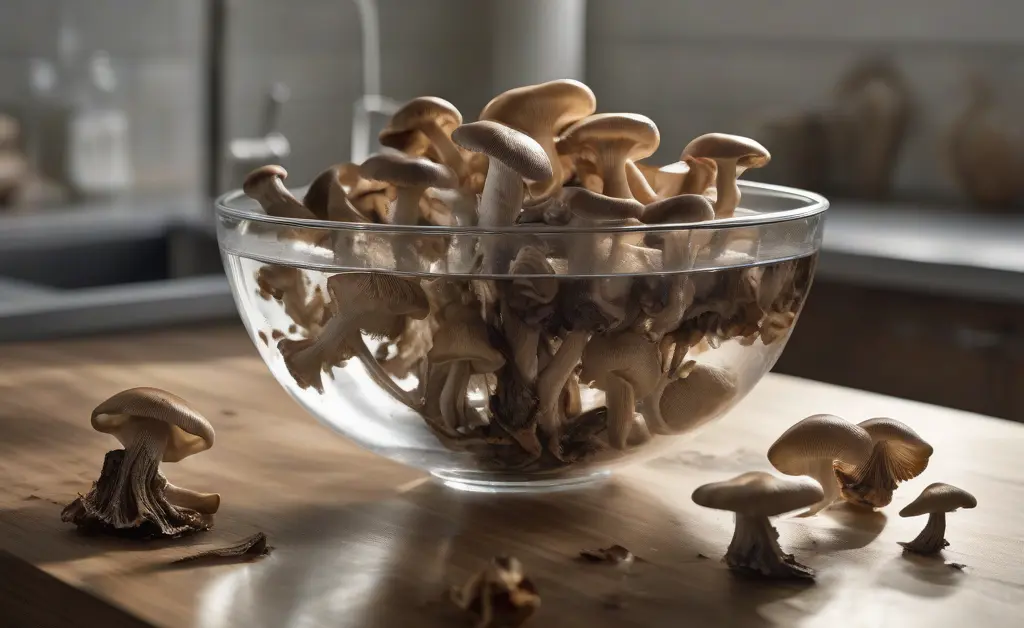
The fundamental process for preparing dried wood ear mushrooms is straightforward and centers on soaking them in water until they are soft and pliable. The key is to provide enough water and time for the fungi to expand fully, which can be several times their original dried size. The general method can be adapted based on how much time you have available and the desired final texture.
Soaking Method
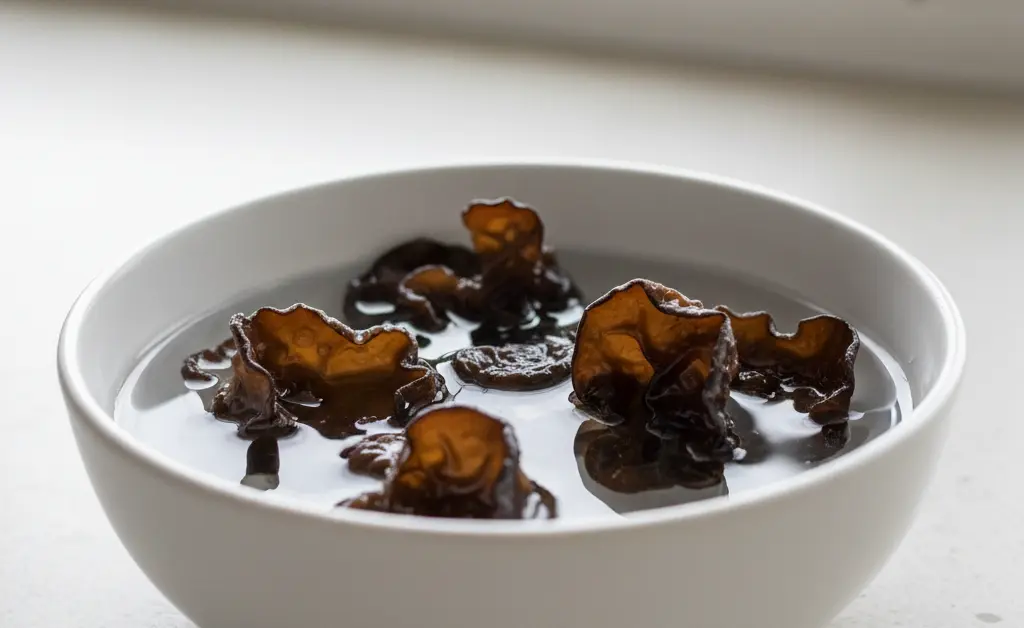
The standard soaking method involves placing the rinsed, dried wood ear mushrooms in a large bowl. It’s crucial to use a bowl that is significantly larger than the initial volume of the mushrooms, as they will expand considerably. Cover the mushrooms with a generous amount of water, ensuring they have plenty of room to grow. Let them sit until they are fully softened and have lost their brittleness. The time this takes will depend on the water temperature and the thickness of the mushrooms.
How to Rehydrate Wood Ear Mushrooms Overnight
For a hands-off approach that yields excellent results, consider an overnight soak. After rinsing the mushrooms, place them in a large bowl, cover them with cool water, and place the bowl in the refrigerator. Soaking them overnight allows for a slow, even absorption of water. This gentle method is ideal for preserving the mushroom’s firm, crisp texture, making it a preferred technique for many cooks. This is a reliable way to learn how to rehydrate wood ear mushrooms for consistently great texture in your recipes.
Choosing the Right Water Temperature
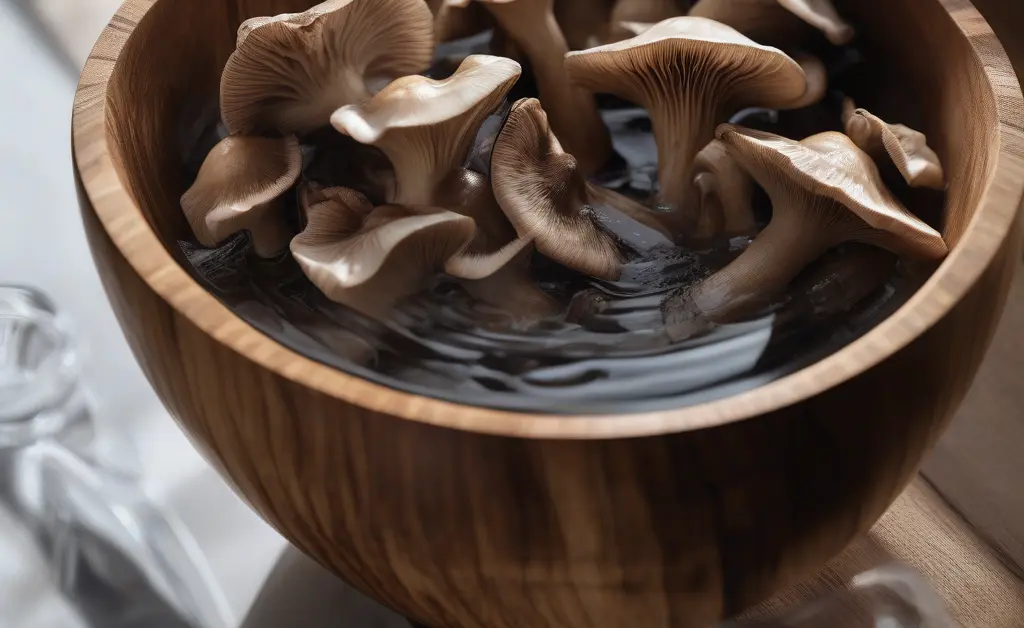
The temperature of the water you use for soaking can significantly impact both the rehydration time and the final texture of the wood ear mushrooms. While there is no single “correct” temperature, each option offers different benefits, allowing you to choose the best method for your specific needs and timeline. Understanding these differences is a key part of mastering how to rehydrate wood ear mushrooms for any culinary application.
Using Hot Water
Using hot, but not boiling, water is the quickest way to rehydrate wood ear mushrooms. If you’re short on time, this method can soften the fungi in a fraction of the time it takes with cooler water. Simply cover the mushrooms with hot water and let them sit. While this is efficient, be aware that the heat can sometimes result in a slightly softer, less crunchy texture compared to cold water soaking. This is an excellent option when speed is the top priority.
Using Room Temperature Water
Soaking the mushrooms in room temperature or lukewarm water is the most common and balanced method. It offers a happy medium between the speed of hot water and the superior texture preservation of cold water. This technique reliably produces well-hydrated mushrooms with a good texture, making it a dependable choice for everyday cooking. The mushrooms will become fully pliable and ready for use without the risk of being partially cooked by hot water.
Using Cold Water
For the best possible texture, cold water is the ideal choice. Soaking dried wood ear mushrooms in cold water, often done in the refrigerator, is a slow process that allows the fungi to rehydrate gently and evenly. This slow absorption helps the mushrooms retain their delightful crispness and firm bite, which is highly prized in many dishes, especially cold appetizers and salads. Though it requires more patience, the superior textural result is often worth the wait.
Tips for Rehydrating Wood Ear Mushrooms
Achieving perfectly rehydrated wood ear mushrooms is easy with a few simple tips. These suggestions help address common issues like floating and uneven soaking, ensuring every piece is tender and ready for your recipe. Paying attention to these details will refine your technique for how to rehydrate wood ear mushrooms and guarantee a better final product.
Ensuring Full Submersion
Because dried wood ear mushrooms are very light, they will naturally float to the surface of the water. If left floating, they won’t rehydrate evenly. To prevent this, you need to weigh them down. An easy solution is to place a small plate, a saucer, or even a smaller bowl filled with some water directly on top of the mushrooms. This keeps them fully submerged and ensures all parts of the fungi absorb water consistently.
Dealing with Tougher Fungi
Occasionally, you may encounter pieces that are exceptionally thick or have sections that remain tough even after a standard soaking period. If you notice any hard spots, simply allow the mushrooms to soak for a longer duration. Extending the soaking time gives these denser parts more opportunity to absorb water and soften completely. You can also target specific pieces by moving them to the bottom of the bowl where they are more likely to stay submerged.
Avoiding Over-Soaking
While it is difficult to truly ruin wood ear mushrooms by soaking them for too long, especially in cold water, it is possible. If left in water for an excessive amount of time (e.g., more than a day or two at room temperature), they can start to develop a slimy texture or even spoil. It’s best to use them once they have become fully pliable and have reached their desired texture. Once they are soft and expanded, they are ready to be prepared for your dish.
What to Do After Rehydrating Wood Ear Mushrooms
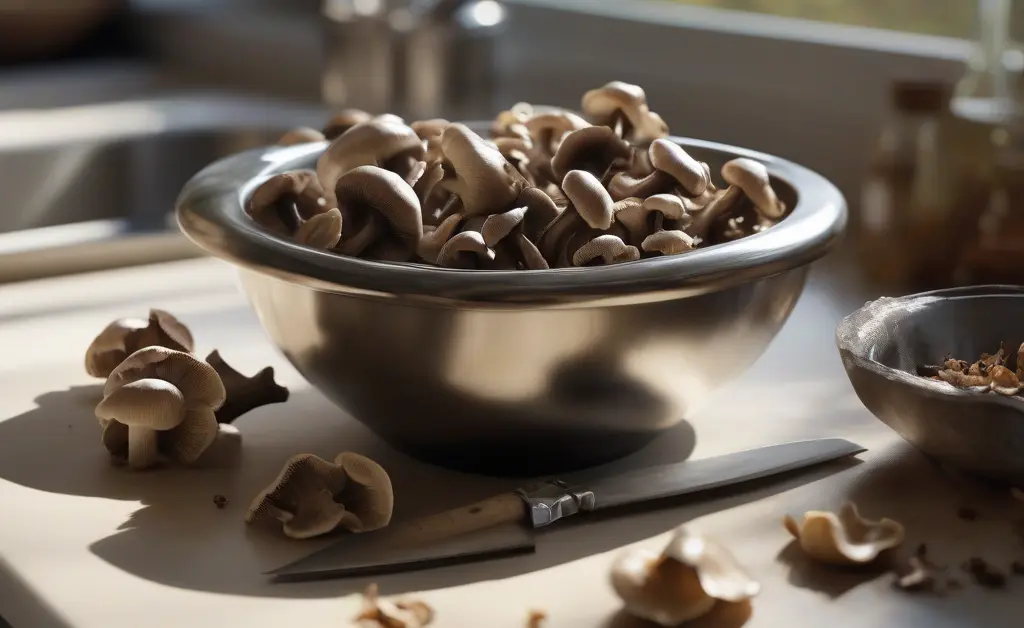
Once the soaking is complete, a couple of final steps are necessary to prepare your rehydrated wood ear mushrooms for cooking. These post-soaking preparations are crucial for ensuring the mushrooms have the best taste and texture in your finished dish. Taking the time to properly clean and trim them is just as important as the process of learning how to rehydrate wood ear mushrooms itself. You can then learn how to cook wood ear mushrooms to incorporate them into your meals.
Rinsing and Draining
After the mushrooms have fully rehydrated, it’s important to give them a final rinse. The soaking water may contain grit or sediment released from the folds of the fungi. Pour the mushrooms and water into a colander to drain. Then, rinse them thoroughly under fresh, cool running water. You can gently squeeze the mushrooms to expel the cloudy soaking water before rinsing again. This ensures they are perfectly clean and free of any residual debris.
Trimming Tough Bits
Rehydrated wood ear mushrooms often have a hard, woody, or nub-like area at the base where they were originally attached to the wood they grew on. This part does not soften during soaking and remains unpleasantly tough and chewy. Before using the mushrooms, feel each one for this tough spot and carefully trim it away with a small knife. Removing this section is a critical step for a pleasant eating experience and ensures every bite is tender.
This content is for informational use and should not be considered medical instruction. The information provided about food preparation is not intended to replace professional dietary or health advice. If you have specific dietary needs, allergies, or health concerns, it is recommended to consult with a qualified healthcare provider or a registered dietitian. Always handle and prepare food safely according to established guidelines.
FAQ
How long do you soak dried wood ear mushrooms?
The soaking time for dried wood ear mushrooms can vary depending on their dryness and size. Typically, they require at least 30 minutes to an hour in warm water to fully rehydrate and achieve a tender, gelatinous texture. Some sources suggest soaking them for several hours or even overnight for optimal results, especially if they are very brittle.
Can you rehydrate wood ear mushrooms with cold water?
Yes, you can rehydrate wood ear mushrooms using cold water, though it will take longer than with warm water. Cold water immersion is a gentler method that can help preserve the delicate texture of the mushrooms. This process might extend the soaking time to several hours, or even overnight, until the mushrooms become pliable and expand.