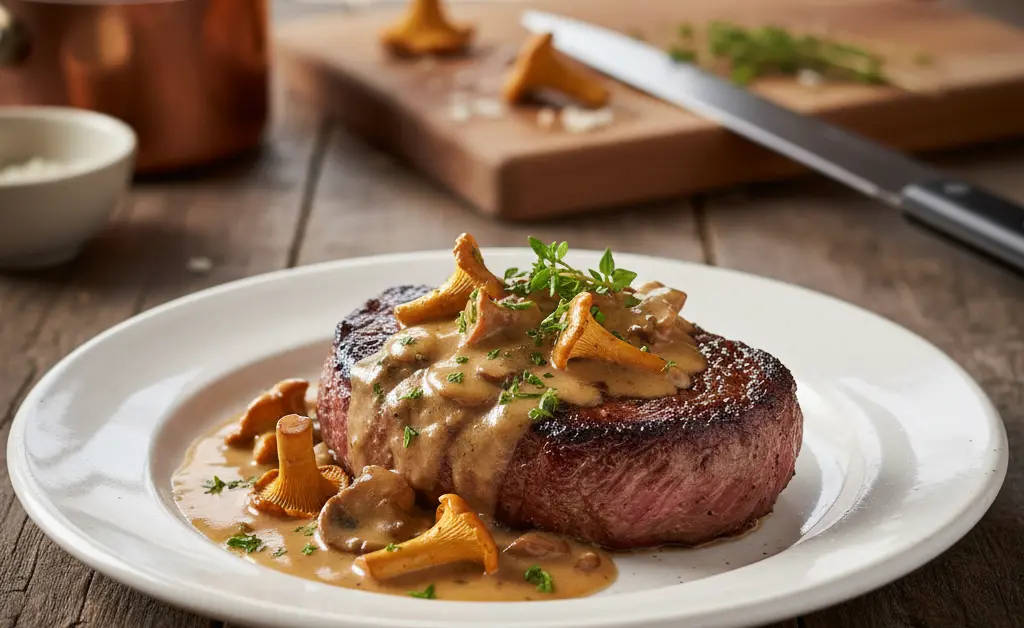
Many home cooks approach steak night with a sense of trepidation, particularly when aiming for restaurant-quality results. The assumption often is that achieving a perfectly seared steak alongside a rich, flavorful sauce requires complex techniques or obscure ingredients. However, elevating a simple steak dinner can be surprisingly accessible. By focusing on quality ingredients and a few fundamental cooking principles, you can craft a truly memorable meal. This guide demystifies the process, offering a delicious chanterelle mushroom steak recipe that balances elegance with ease, proving that gourmet flavors are well within reach for any home chef.
Simple Chanterelle Mushroom Steak Recipe
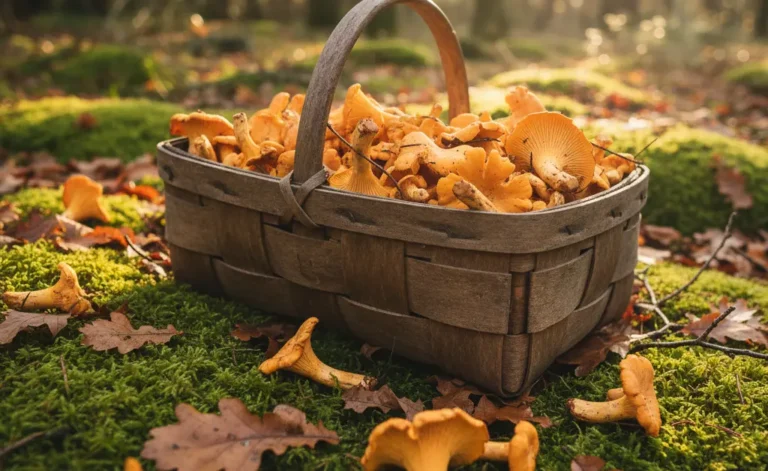
A classic steak dinner becomes an extraordinary meal with the addition of a wild mushroom sauce. The delicate, apricot-like aroma and firm texture of chanterelle mushrooms make them an ideal partner for a well-cooked steak. Whether you prefer a rustic, hearty cut or a tender, elegant one, there is a perfect pairing that highlights the best of both ingredients. The beauty of this meal lies in its versatility and the depth of flavor that comes from simple, high-quality components. Discover more chanterelle mushroom recipes to expand your culinary repertoire.
Bavette Steak with Chanterelle Mushroom Pan Sauce
Bavette steak, also known as flank steak, is celebrated for its rich, beefy flavor and satisfying chew. When cooked properly—seared quickly at high heat—it remains tender and juicy. This robust cut pairs wonderfully with a simple chanterelle mushroom pan sauce. After searing the steak, the sauce is built directly in the same pan, incorporating the flavorful browned bits (fond) left behind. The earthy chanterelles are sautéed with shallots and garlic, then deglazed with a splash of broth or wine, creating a rustic yet refined sauce that perfectly complements the bavette.
Filet Mignon with Chanterelle Marsala Sauce
For a truly luxurious experience, filet mignon is an unparalleled choice. This cut is exceptionally tender with a mild, buttery flavor that acts as a perfect canvas for a more complex sauce. A chanterelle Marsala sauce elevates the dish to fine-dining status. The process involves creating a reduction with sweet Marsala wine, which adds a layer of sweet, nutty complexity. This sweetness beautifully balances the earthy notes of the chanterelles and the richness of the cream, resulting in a velvety sauce that drapes elegantly over the delicate filet mignon. Try making a delicious chanterelle mushroom chicken recipe for another meal idea.
Ingredients for Steak with Chanterelle Cream Sauce
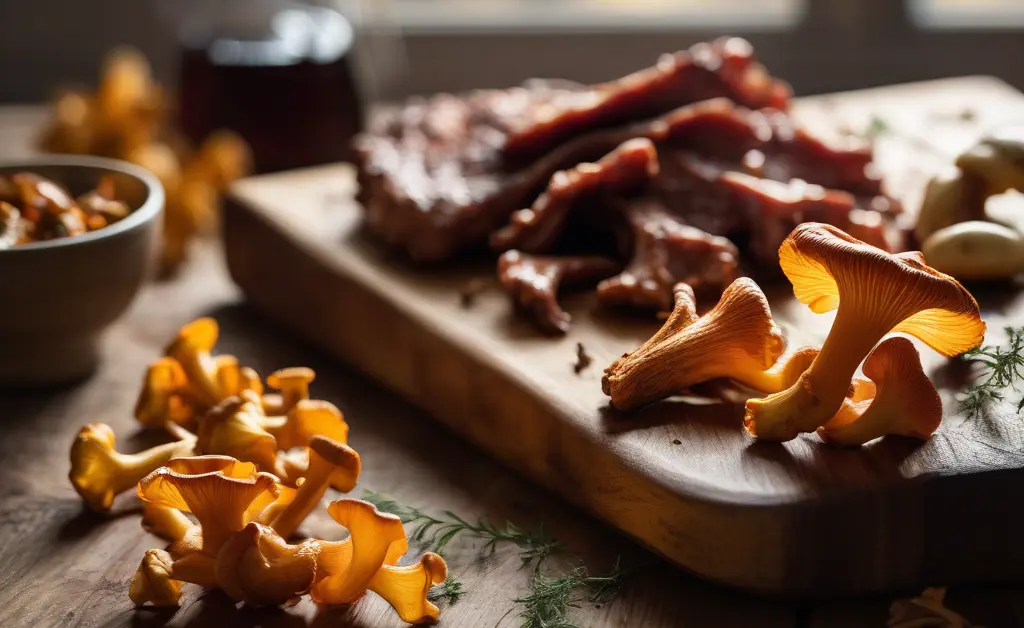
Gathering the right components is the first step toward creating this impressive dish. While the steak and mushrooms are the stars, the supporting ingredients are crucial for building layers of flavor. For a successful chanterelle mushroom steak recipe, focus on fresh, high-quality items that will allow the natural flavors to shine. The ingredients listed below are foundational for building a balanced and delicious sauce to accompany your chosen cut of steak.
For the Creamy Chanterelle Sauce
The sauce is where the magic happens, transforming a simple seared steak into a gourmet meal. The core ingredients work in harmony to produce a rich, savory, and aromatic complement to the beef.
- Chanterelle Mushrooms: The key ingredient, providing a unique fruity and peppery flavor profile.
- Aromatics: Finely chopped shallots and garlic form the flavor base, offering a sweet and savory foundation without overpowering the delicate mushrooms.
- Fat: A combination of unsalted butter and a neutral oil is ideal. Butter adds flavor, while oil helps prevent the butter from burning during the initial sauté.
- Deglazing Liquid: A dry white wine, such as Sauvignon Blanc, or a quality beef or vegetable broth helps lift the flavorful bits from the bottom of the pan and adds acidity and depth.
- Cream: Heavy cream is essential for creating the luxurious, velvety texture. Its high fat content makes it less likely to curdle when simmered.
- Fresh Herbs: Fresh thyme sprigs added during simmering infuse the sauce with a subtle, woodsy aroma. Finely chopped fresh parsley or chives stirred in at the end add a touch of freshness and color.
Step-by-Step Cooking Instructions
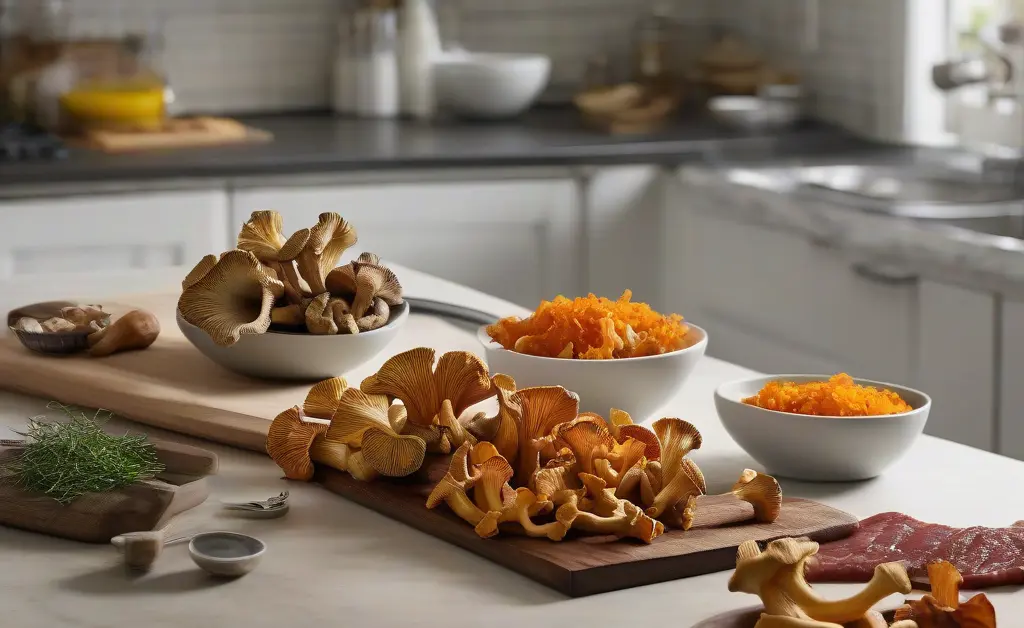
Following a methodical process ensures that both the steak and the sauce are cooked to perfection. The key is to have all your ingredients prepared before you begin cooking, as the process moves quickly once the steak hits the pan. This organized approach, known as mise en place, is fundamental to a stress-free cooking experience and is central to a great chanterelle mushroom steak recipe.
1. Prepare and Clean the Chanterelle Mushrooms
Chanterelle mushrooms are foraged and can often harbor dirt and debris in their gills. Proper cleaning is essential. Avoid soaking them in water, as they are porous and will become soggy. Instead, use a soft mushroom brush or a dry paper towel to gently wipe away any dirt. For stubborn bits, a slightly damp paper towel can be used. Trim the very end of the stems, and slice any larger mushrooms in half or into quarters to ensure even cooking.
2. Season and Sear the Steak
For an exceptional crust, start by patting the steak completely dry with paper towels. Moisture on the surface will steam the meat instead of searing it. Season all sides generously with coarse salt and freshly ground black pepper. Heat a heavy-bottomed skillet, such as cast iron, over high heat. Add a thin layer of high-smoke-point oil. Once the oil is shimmering, carefully place the steak in the pan. Sear it for a few minutes per side without moving it, allowing a deep, golden-brown crust to develop. Cook to your desired level of doneness and transfer the steak to a cutting board to rest. You might also enjoy a chanterelle mushroom pasta recipe.
3. Create the Chanterelle Cream Sauce
Using the same skillet with the rendered beef fat and drippings, reduce the heat to medium. Add a bit of butter, followed by the chopped shallots, and cook until softened. Add the garlic and cook until fragrant. Add the prepared chanterelle mushrooms to the pan and cook until they have released their liquid and started to brown. Deglaze the pan by pouring in the white wine or broth, scraping the bottom with a wooden spoon to release all the flavorful fond. Allow the liquid to reduce slightly before stirring in the heavy cream and thyme sprigs. Let the sauce simmer gently until it thickens to your desired consistency. Season with salt and pepper to taste.
4. Combine and Finish the Dish
Allowing the steak to rest for several minutes before slicing is a critical step. This permits the juices to redistribute throughout the meat, ensuring every bite is moist and flavorful. Once the steak has rested, you can slice it against the grain or serve it whole. To serve, place the steak on a warm plate and generously spoon the creamy chanterelle sauce over the top. Garnish with a sprinkle of fresh, chopped parsley for a final touch of color and freshness.
Tips for the Perfect Steak and Sauce
Achieving restaurant-quality results at home is all about mastering a few key techniques. Choosing the right cut of steak is just the beginning. The method for achieving a perfect sear and creating a stable, creamy sauce are equally important for the ultimate meal. These tips will help you perfect your chanterelle mushroom steak recipe and avoid common pitfalls.
- Choose the Right Cut: The best steak is a matter of personal preference. Ribeye offers a great balance of fat and flavor, making it incredibly juicy. Sirloin is a leaner, more budget-friendly option that is still full of beefy taste. For ultimate tenderness, filet mignon is the premium choice. Cuts like bavette or hanger steak provide a robust flavor that stands up well to a rich sauce.
- Ensure a Dry Surface for a Great Sear: The secret to a deep brown crust is a completely dry steak surface. Pat your steak thoroughly with paper towels before seasoning. A dry surface allows the Maillard reaction to occur efficiently, creating complex flavors and a beautiful texture.
- Use a Very Hot Pan: A screaming-hot pan, preferably cast iron for its heat retention, is non-negotiable for a good sear. The goal is to cook the exterior quickly and intensely, locking in the juices while the interior cooks more gently.
- Avoid a Split Sauce: To prevent your cream sauce from breaking or curdling, use heavy cream or full-fat whipping cream. Lower-fat dairy products are more prone to splitting under heat. Add the cream over medium-low heat and avoid bringing it to a rolling boil. A gentle simmer is all that is needed to thicken the sauce beautifully.
Recipe Variations and Storage
Once you have mastered the basic recipe, feel free to experiment with different flavor profiles. This dish is wonderfully adaptable, allowing for simple substitutions and additions that can make it your own. Proper storage is also key to enjoying any leftovers without sacrificing quality. For instance, consider preparing a chanterelle mushroom breakfast recipe for a different meal occasion.
- Herb and Spice Variations: While thyme is a classic pairing, fresh rosemary can add a piney, robust flavor. A pinch of smoked paprika can lend a subtle smokiness, while a small amount of Dijon mustard whisked into the sauce at the end can add a pleasant tang that cuts through the richness.
- Spirit Swaps: Instead of white wine, try deglazing the pan with a splash of brandy, cognac, or sherry. Each will contribute a unique background note, from the fruity warmth of brandy to the nutty depth of sherry.
- Making the Sauce Ahead: The chanterelle cream sauce can be prepared a day in advance to save time. Simply prepare the sauce as directed, let it cool, and store it in an airtight container in the refrigerator. Reheat it gently in a saucepan over low heat, adding a splash of cream or broth if it has thickened too much.
- Storing and Reheating Leftovers: For best results, store leftover steak and sauce in separate airtight containers in the refrigerator for up to three days. To reheat, warm the sauce gently on the stovetop. The steak is best reheated carefully to avoid overcooking; place it in a low-temperature oven or briefly pan-sear it until just warmed through.
Crafting a steak dinner with a creamy chanterelle sauce is a rewarding culinary project that transforms a simple meal into something truly special. By focusing on quality ingredients, from the cut of steak to the fresh wild mushrooms, and by respecting fundamental cooking techniques like searing and resting, any home cook can achieve a dish worthy of a fine restaurant. This recipe serves as a perfect template, inviting variations and personal touches while proving that elegance and flavor are easily attainable in your own kitchen.
This article is written for general understanding and not for medical decision-making. The information provided is for culinary and informational purposes only and is not intended as a substitute for professional dietary advice or nutritional guidance. Always consult with a qualified professional regarding your dietary needs or health concerns before making changes to your diet. For general health information, you can consult the WHO.
FAQ
What kind of steak is best for a chanterelle sauce?
A tender cut of steak, such as a ribeye or New York strip, pairs wonderfully with the earthy, delicate flavor of chanterelle mushrooms. These cuts offer a rich marbling that complements the sauce without overpowering its subtle notes. The natural tenderness of these steaks ensures a luxurious dining experience alongside the unique mushroom sauce.
How do you clean chanterelle mushrooms before cooking?
Chanterelle mushrooms are best cleaned gently by brushing off any dirt with a soft brush or a damp paper towel. Avoid washing them under running water, as their delicate texture can absorb too much moisture. This careful cleaning process helps maintain their shape and prevent them from becoming waterlogged when cooked.
Can I make the chanterelle cream sauce ahead of time?
Yes, a chanterelle cream sauce can be prepared in advance and refrigerated for later use. When reheating, it’s advisable to warm it gently over low heat to prevent the sauce from breaking or curdling. You may need to add a splash of cream or broth to restore the desired consistency.
What can I use if I don’t have fresh chanterelles?
If fresh chanterelles are unavailable, dried chanterelles can be rehydrated and used as a substitute, though their flavor may be more concentrated. Alternatively, other wild mushrooms with a similar texture and earthy profile, like oyster mushrooms, can offer a suitable, though different, culinary experience. A well-executed chanterelle mushroom steak recipe relies on the unique flavor of the mushroom, so choosing the best available substitute is key.
How do I prevent my cream sauce from becoming too thin?
To prevent a cream sauce from becoming too thin, you can simmer it gently to allow it to reduce and thicken naturally. Incorporating a roux, made from equal parts butter and flour cooked together, is another effective method to achieve a desired, stable consistency. Ensure the sauce is cooked through to allow the thickening agents to fully activate.
What does chanterelle mushroom sauce taste like?
Chanterelle mushroom sauce offers a delicate, earthy flavor with subtle notes of apricot and a peppery finish. Its unique taste is less intensely “mushroomy” than some other varieties, providing a more nuanced and aromatic profile. This refined taste makes it a versatile accompaniment to many dishes, especially richer meats.