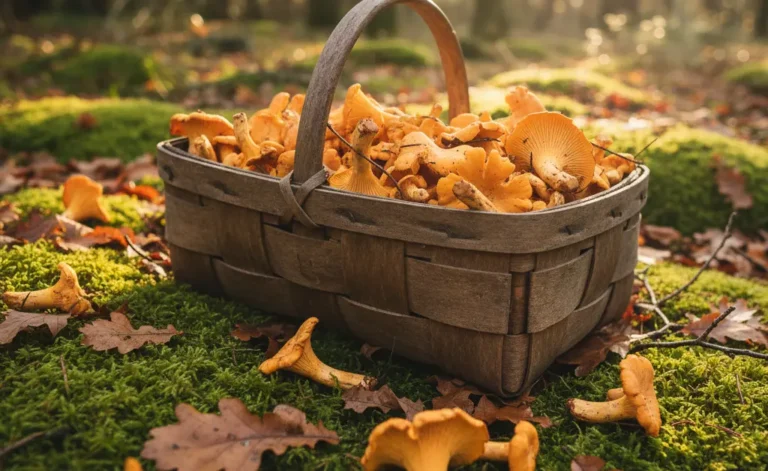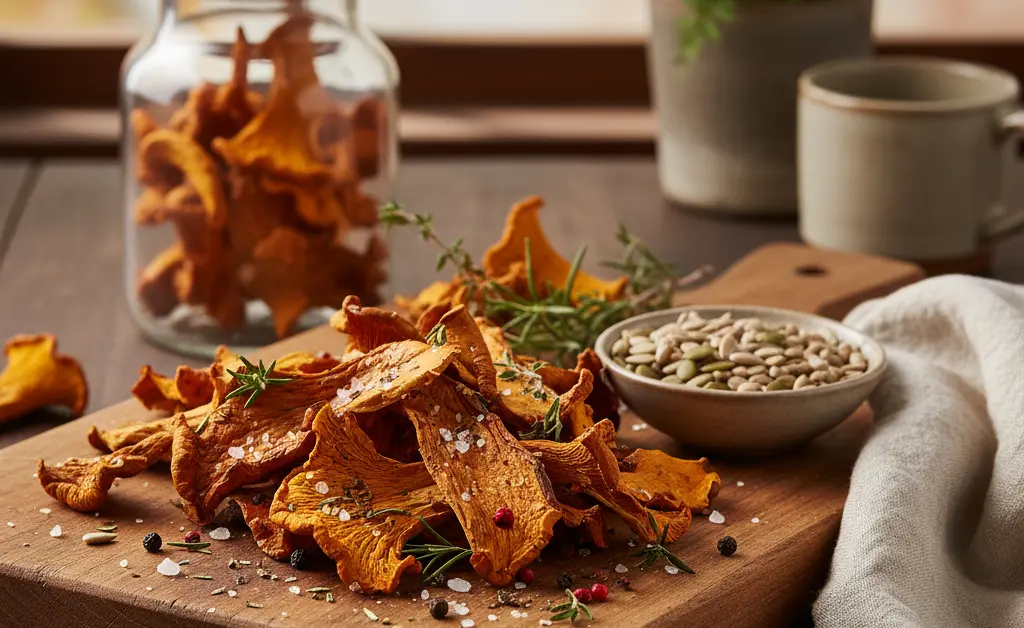
In the ever-evolving landscape of healthy snacking and innovative home cooking, finding unique and flavorful options can be a delightful pursuit. Foraging enthusiasts and adventurous cooks alike are discovering the versatility of wild mushrooms, transforming them into gourmet treats that satisfy cravings and impress guests. One such culinary creation that bridges the gap between nature’s bounty and modern pantry staples is chanterelle mushroom jerky. This artisanal snack offers a satisfying chew, a rich umami depth, and a customizable flavor profile, making it a perfect addition to any hiker’s trail mix, a sophisticated appetizer, or a nutrient-dense alternative to processed snacks.
Chanterelle Jerky
Chanterelle jerky captures the unique, slightly fruity and peppery essence of chanterelle mushrooms and concentrates it into a chewy, savory snack. Unlike meat-based jerkies, mushroom jerky offers a plant-based alternative that is surprisingly satisfying. The firm texture of chanterelles makes them an ideal candidate for dehydration, allowing them to absorb marinades beautifully while retaining a pleasant, leathery chewiness once dried.
Foraged mushroom jerky recipe ideas
While chanterelles are a gourmet choice, the world of foraged and cultivated mushrooms offers many other possibilities for making jerky. Each type of mushroom brings its own unique texture and flavor profile to the final product. Some excellent alternatives to explore include:
- Shiitake Mushrooms: Known for their deep, smoky flavor and firm texture, shiitakes create a wonderfully rich and savory jerky.
- Portobello Mushrooms: Their large size and meaty texture make them easy to work with. They absorb marinades well and yield thick, satisfying strips of jerky.
- Oyster Mushrooms: These can be torn into strips that mimic the texture of pulled meat, offering a unique and delightful jerky experience.
- Maitake (Hen of the Woods): The frilly, layered structure of maitake mushrooms results in a jerky with varied textures, from tender to crispy, all in one bite.
Chanterelle Jerky Recipe
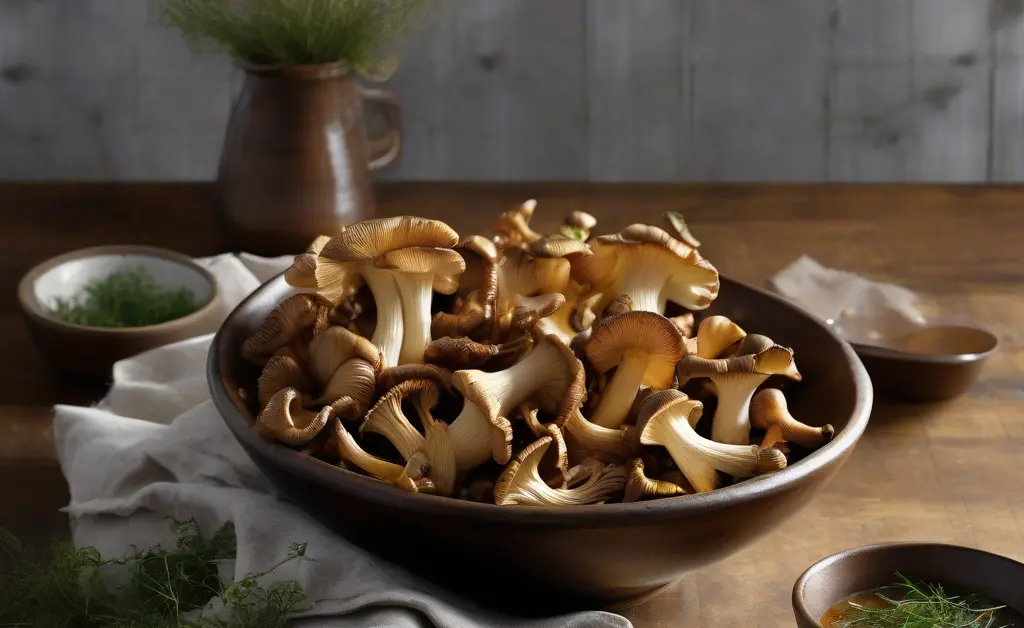
Creating your own chanterelle jerky at home is a straightforward process that rewards you with a gourmet snack tailored perfectly to your taste. The key lies in a flavorful marinade and a slow dehydration process that locks in flavor while achieving the perfect chewy texture. Below are two popular approaches to flavoring your jerky.
Best chanterelle mushroom jerky recipe
A classic savory and smoky chanterelle mushroom jerky recipe often involves a marinade that enhances the mushroom’s natural umami flavor. This style aims for a deep, complex taste that is reminiscent of traditional beef jerky but with the distinct, elegant notes of the chanterelle. The flavor profile is typically built on a foundation of soy sauce or tamari, balanced with smokiness from liquid smoke or smoked paprika, and rounded out with garlic and onion powders. A touch of black pepper can add a subtle warmth, completing a robust and universally appealing flavor.
Teriyaki chanterelle mushroom jerky recipe
For those who prefer a balance of sweet and savory, a teriyaki-style marinade is an excellent choice. This version transforms the chanterelles into a snack with an irresistible Asian-inspired flavor. The marinade typically features a base of soy sauce, sweetened with an element like maple syrup, brown sugar, or honey. Freshly grated ginger and garlic add a pungent, aromatic kick, while a splash of rice vinegar or mirin can provide a bright, acidic note to cut through the richness. The resulting jerky is glossy, flavorful, and incredibly moreish. Discover more chanterelle mushroom recipes to expand your culinary horizons.
Chanterelle Jerky Ingredients
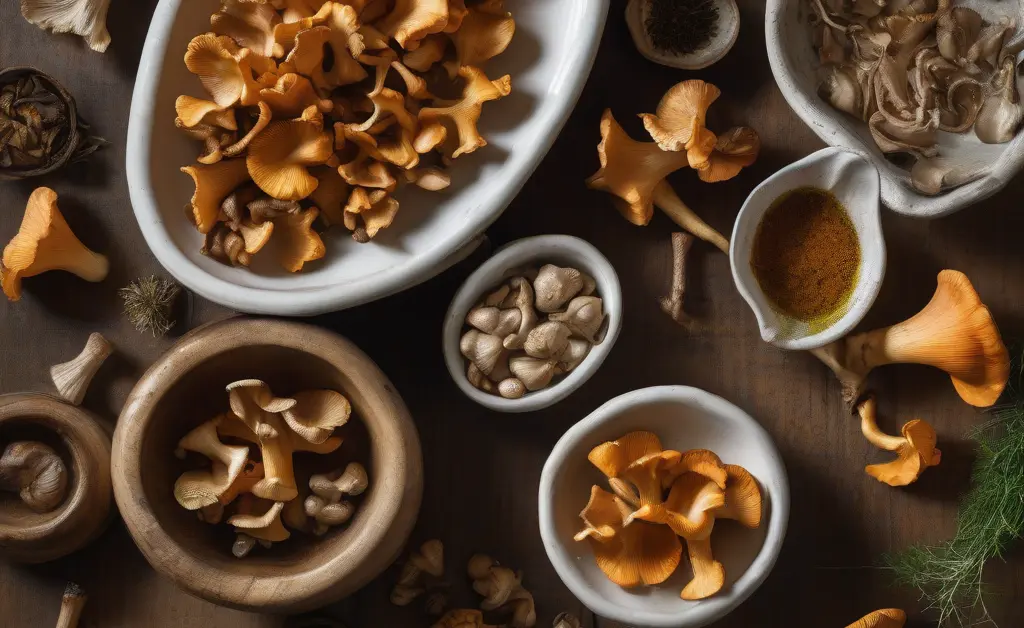
The beauty of homemade mushroom jerky lies in its simplicity. With just a handful of high-quality ingredients, you can create a snack that is both delicious and wholesome. The two main components are the mushrooms themselves and the marinade that gives them their signature flavor.
For the Mushrooms
The star of the show is, of course, the chanterelle mushroom. When selecting your chanterelles, look for mushrooms that are firm, plump, and free of soft spots or significant blemishes. Freshness is key, as it ensures the best possible texture and flavor. Younger, smaller chanterelles can often be used whole or halved, while larger specimens are perfect for slicing into uniform strips ideal for jerky.
For the Savory Marinade
The marinade is where you can truly customize your jerky. It not only imparts flavor but also helps in the preservation process. A well-balanced savory marinade might include a combination of the following ingredients to create a rich and complex taste. Consider using tamari or soy sauce for a salty, umami base, a touch of liquid smoke for that classic jerky flavor, and spices like smoked paprika, garlic powder, and onion powder to add layers of complexity. This combination is a fantastic starting point for a classic chanterelle mushroom jerky recipe that can be adjusted to your personal preference.
Step-by-Step Preparation and Cooking
The transformation from fresh mushroom to chewy jerky is a process of careful preparation and patience. Each step, from cleaning to dehydrating, plays a crucial role in the quality of the final product. Following these instructions will guide you toward making perfect chanterelle jerky every time.
Cleaning and Slicing the Chanterelles
Chanterelles grow in the wild and often have dirt and forest debris clinging to them. It is best to clean them without using excess water, which can make them soggy. Use a soft brush or a dry paper towel to gently wipe away any dirt. If a rinse is absolutely necessary, do it quickly and pat the mushrooms thoroughly dry immediately afterward. Once clean, slice the chanterelles into uniform strips. A consistent thickness is vital for even drying.
Marinating for Maximum Flavor
Place the sliced mushrooms in a bowl or a resealable bag and pour the prepared marinade over them. Ensure all the slices are coated evenly. For the best results, allow the mushrooms to marinate for at least a few hours, or even overnight, in the refrigerator. This extended time allows the chanterelles to fully absorb the savory, smoky, or sweet flavors of your marinade. Exploring other chanterelle mushroom ice cream recipe ideas can inspire unique flavor profiles for your jerky marinades.
Arranging on Dehydrator Trays
After marinating, remove the mushroom slices from the marinade, allowing any excess liquid to drip off. Arrange the slices in a single layer on your dehydrator trays. It is important to leave a little space between each piece to ensure proper air circulation, which is essential for even drying. If you don’t have a dehydrator, you can use a wire rack placed on a baking sheet in your oven set to its lowest temperature.
Dehydrating to the Ideal Texture
The final step in this chanterelle mushroom jerky recipe is the slow dehydration process. Set your dehydrator to a low temperature setting to gently remove the moisture without cooking the mushrooms. The exact time required will vary depending on the thickness of your slices and the humidity in your environment. The goal is to achieve a texture that is leathery and chewy, not brittle or crispy. Check the jerky periodically until it bends without breaking. Consider this similar to how you might prepare ingredients for a chanterelle mushroom pizza recipe, where texture is key.
Tips for Perfect Chanterelle Mushroom Jerky
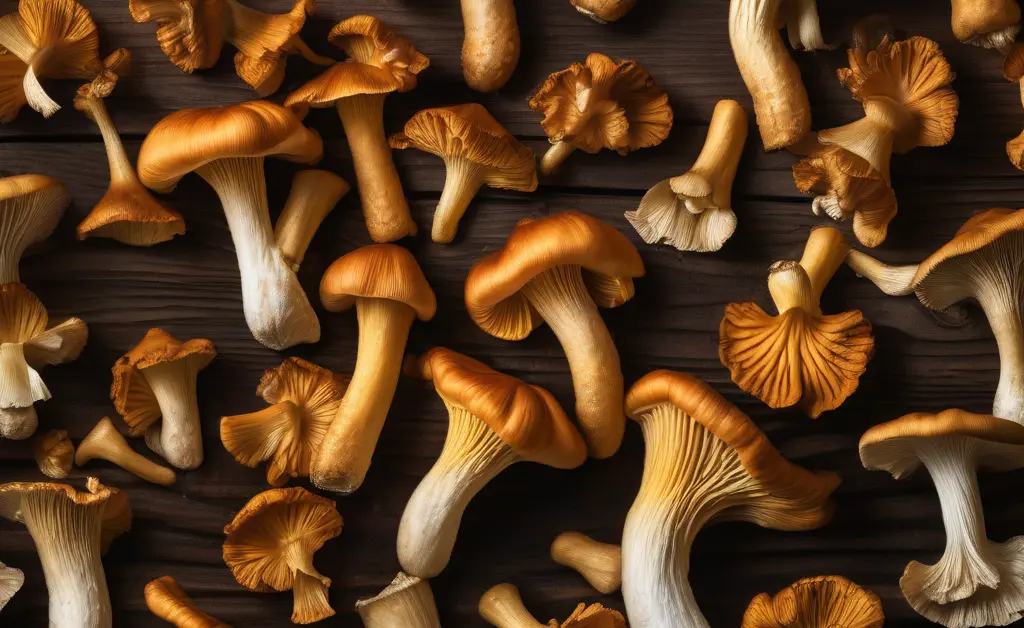
Mastering the art of mushroom jerky involves a few key techniques that can elevate your snack from good to great. Paying attention to details like thickness, flavor balance, and doneness will ensure a consistently delicious result. A great chanterelle mushroom jerky recipe is as much about technique as it is about ingredients.
Achieving Consistent Thickness
The single most important factor for even-textured jerky is consistent slicing. Slices that are too thick will remain moist in the center while thinner parts become brittle. Slices that are too thin may become overly crisp. Using a mandoline slicer can be a great way to achieve perfectly uniform slices every time, ensuring that every piece of jerky has that ideal chewy consistency.
Adjusting Marinade Sweetness and Spice
Don’t be afraid to taste and adjust your marinade before adding the mushrooms. If you prefer a sweeter jerky, add a little more maple syrup or your chosen sweetener. For a spicy kick, incorporate a pinch of cayenne pepper or some finely chopped hot peppers. The marinade’s flavor will concentrate during dehydration, so aim for a balance that is bold but not overwhelming.
How to Know When It’s Done
Determining the perfect point of doneness is key. The ideal jerky should be dry to the touch on the outside. When you bend a piece, it should be flexible and leathery, possibly with a few cracks, but it should not snap in half. If it feels moist or spongy, it needs more time in the dehydrator. If it snaps easily, it has been over-dried. For other mushroom cooking methods, consider trying a chanterelle mushroom air fryer recipe.
Cooling and Conditioning
Once the jerky is done, turn off the dehydrator and let the pieces cool completely on the trays. This prevents condensation from forming when you store them. For optimal shelf life, it’s a good practice to “condition” the jerky. Place the cooled pieces in a loosely sealed container or paper bag for about 24 hours. This allows any residual moisture to equalize among the pieces, reducing the risk of mold.
Storing Your Homemade Jerky
Proper storage is essential to maintain the freshness and flavor of your homemade chanterelle jerky. Because it has been dehydrated, it has a much longer shelf life than fresh mushrooms, but it still requires care to keep it at its best. Protecting it from air, moisture, and light will ensure you can enjoy your delicious creation for weeks to come.
Best Containers for Long-Term Freshness
The best way to store your jerky is in an airtight container. Glass jars with tight-fitting lids are an excellent option, as they are impermeable to air and moisture. Vacuum-sealed bags are another superior choice, as they remove almost all oxygen, which is a primary cause of spoilage and staleness. For shorter-term storage, a well-sealed zip-top bag will suffice. Whatever container you choose, store it in a cool, dark, and dry place like a pantry or cupboard. For information on food safety standards, consult the EFSA.
The journey from a foraged treasure to a savory, chewy snack is a rewarding culinary adventure. Making chanterelle mushroom jerky is not just about creating a delicious treat; it’s about transforming a gift from nature into a pantry staple you can enjoy anytime. With its rich umami flavor and satisfying texture, this homemade jerky is perfect for hiking trips, sophisticated appetizer platters, or simply as a healthy and flavorful snack to have on hand. Once you’ve mastered the basic process, you can experiment with endless flavor combinations, making each batch a unique reflection of your own taste.
The purpose of this content is to educate, not to diagnose or treat. The information provided in this article is for informational and culinary purposes only. It is not intended as a substitute for professional advice. Always ensure proper identification of wild mushrooms with an expert before consumption, as many poisonous varieties exist. Readers should consult with a qualified professional regarding food safety, allergies, or any health-related questions.
FAQ
How long does it take to dehydrate chanterelle mushrooms for jerky?
The dehydration time for chanterelle mushrooms can vary depending on factors like the thickness of the slices and the humidity of your environment. Typically, it can take several hours to achieve the desired dryness, ensuring they are pliable yet firm. This process aims to remove most of the moisture content, which is crucial for preservation.
What should the texture of mushroom jerky be?
Well-dehydrated mushroom jerky should have a chewy, leathery texture, similar to traditional meat jerky. It should be pliable enough to bend without snapping but firm enough to feel substantial. This texture indicates that sufficient moisture has been removed, contributing to its shelf stability and satisfying chew.
How long will homemade chanterelle mushroom jerky last?
When properly dehydrated and stored in an airtight container in a cool, dark place, homemade chanterelle mushroom jerky can last for several weeks. The key to longevity is ensuring the mushrooms are completely dry before packaging, which inhibits microbial growth. For extended storage, refrigeration or freezing may be considered.
Can you make mushroom jerky in an oven?
Yes, you can effectively make mushroom jerky in an oven if you do not have a dehydrator. The oven should be set to its lowest temperature, typically between 140-170°F (60-75°C), with the oven door slightly ajar to allow moisture to escape. This method requires vigilance to prevent the mushrooms from cooking or burning instead of drying.
What does chanterelle jerky taste like?
Chanterelle mushroom jerky offers a unique umami flavor profile, often described as slightly peppery or apricot-like, with earthy undertones. The dehydration process intensifies these natural flavors, creating a savory and satisfying snack. The specific taste can also be influenced by any marinades or seasonings used during preparation, making the chanterelle mushroom jerky recipe a versatile base for different flavor combinations.