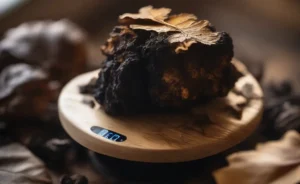

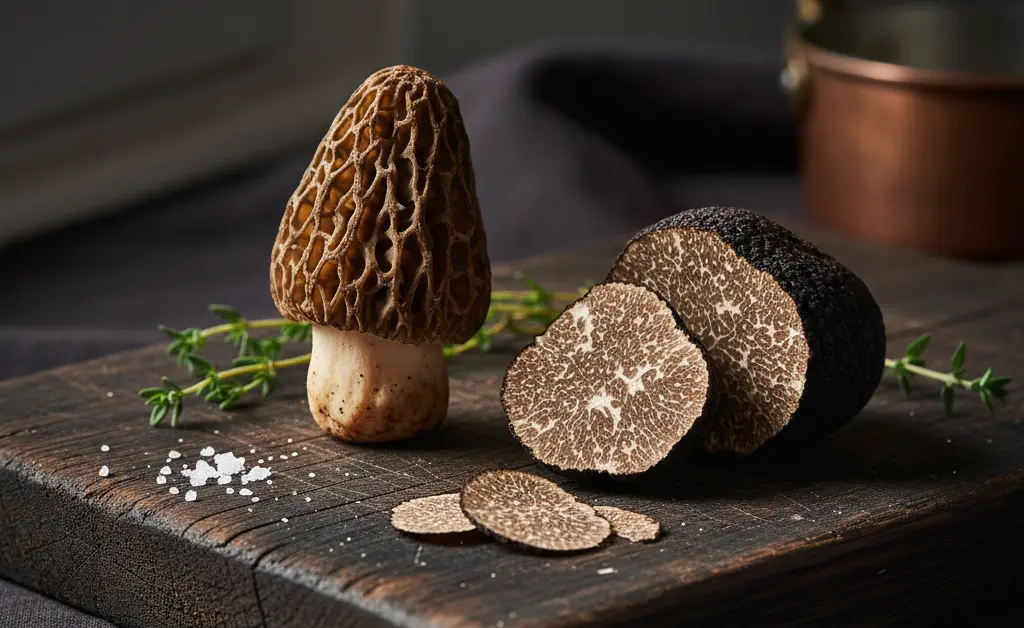
Imagine you’re at a gourmet market, faced with two distinct, earthy treasures: the intricately capped morel and the deeply fragrant truffle. Both are revered ingredients, capable of transforming a simple dish into an extraordinary culinary experience. However, beneath their shared prestige as sought-after fungi, lie significant differences that impact their flavor, aroma, texture, and indeed, their price tag. Choosing between them for a special recipe or simply understanding their unique characteristics requires a deeper dive. This article will thoroughly explore the fundamental aspects of moreel mushroom vs truffle, helping enthusiasts and chefs alike appreciate what sets these two gastronomic delights apart, from their origins to their specific culinary applications.
Morel Mushroom vs Truffle: Key Distinctions
While both morels and truffles are highly prized fungi in the culinary world, they are fundamentally different organisms. A morel is the above-ground fruiting body of a fungus from the genus Morchella, easily recognized by its distinctive honeycomb-like cap. A truffle is the subterranean fruiting body of a fungus from the genus Tuber, appearing more like a rough-skinned, lumpy potato. These differences in origin and appearance are just the beginning, leading to vast distinctions in how they are found, how they taste, and how they are used in the kitchen.
Morels and truffles: their hidden evolutionary story
Despite both being classified as ascomycetes—a large phylum of fungi—morels and truffles took very different evolutionary paths. They belong to separate families and have adapted to entirely different methods of spore dispersal. Morels release their spores into the air from their pitted caps to be carried by the wind. Truffles, developing entirely underground, evolved to produce a powerful aroma that attracts animals. These animals dig up and consume the truffle, later dispersing the spores in their droppings in a new location. This symbiotic relationship with animals is a cornerstone of the truffle’s life cycle and a key reason for its unique characteristics.
Taste Profile and Aroma
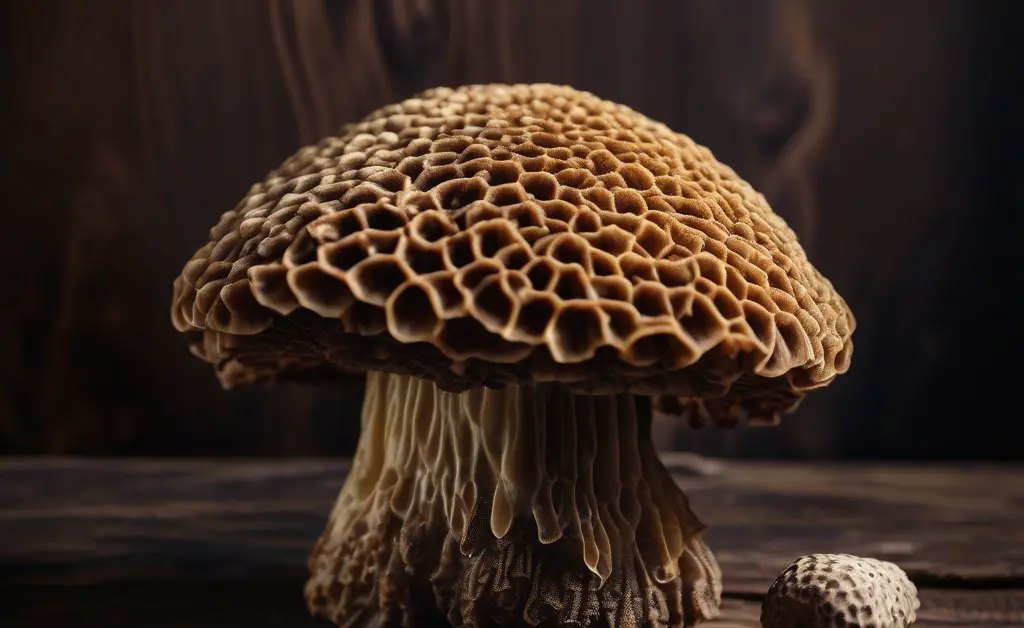
The sensory experience is where the contrast between morel mushroom vs truffle is most pronounced. Morels possess a deep, earthy, and nutty flavor with subtle smoky and woodsy notes. Their aroma is rich and appealing but not overpowering, blending beautifully with other ingredients. The texture of a cooked morel is a significant part of its charm; it is uniquely meaty yet tender, with a satisfying, slightly chewy consistency.
Truffles, on the other hand, are all about the aroma. They emit an intense, pungent, and complex scent that can be described as musky, garlicky, and profoundly earthy, with some varieties even having hints of chocolate or other unexpected notes. This aroma is so powerful that it perfumes any dish it graces. The taste of a truffle is a reflection of its scent, but its texture is firm, and it is almost always used in very small quantities as a finishing touch rather than a primary ingredient.
Edibility and Safety
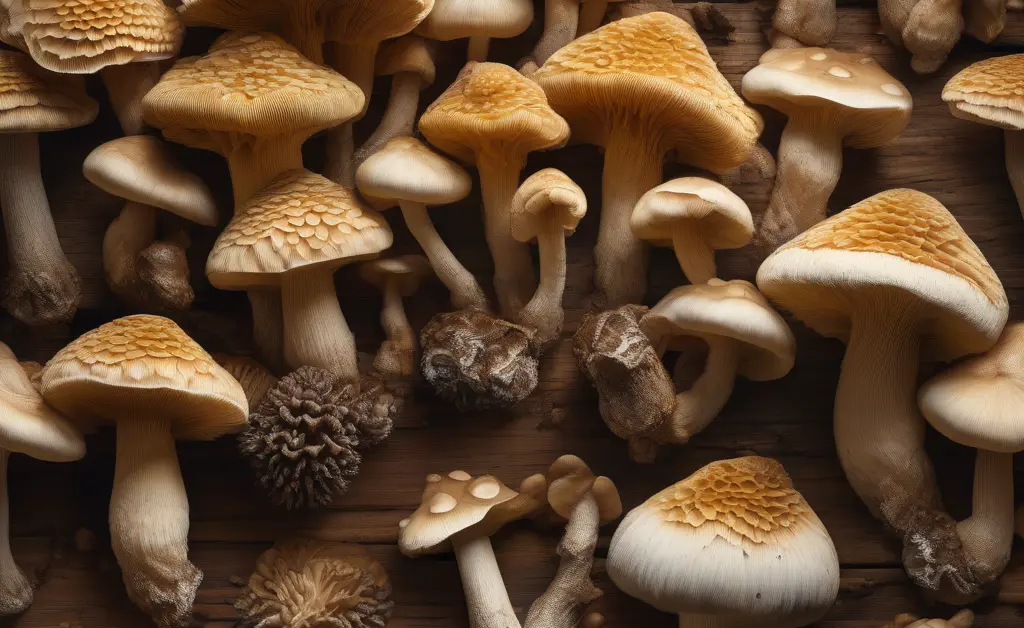
Both morels and truffles are celebrated edibles, but safety considerations are paramount, particularly with wild fungi. Morels must always be thoroughly cooked before consumption. When raw, they contain compounds that can cause gastrointestinal distress. The most significant safety concern with morels is the existence of toxic look-alikes, often called “false morels.” These similar-looking fungi can be poisonous, making absolute and positive identification essential for foragers. For general health information and safety guidelines, consult reputable organizations like the WHO.
Truffles sourced from reputable suppliers are generally safe to eat. The primary safety issue in the wild is misidentification, although true toxic look-alikes are less common than with morels. The greater risk comes from consuming spoiled or improperly stored truffles. Because they are used in such small amounts, the risk is often lower, but quality and freshness are key. When comparing the safety aspects of morel mushroom vs truffle, the most critical factor for both is proper identification and handling.
Seasonality and Habitat
Morels are famously elusive and are a hallmark of spring. They typically appear for a short window from March to June, depending on the climate and elevation. Their preferred habitat is often woodland areas, particularly around dying elm trees, old apple orchards, ash trees, and in forested areas that have recently experienced a fire. They thrive in moist soil and often appear after a good spring rain when temperatures begin to warm.
Truffle seasonality is dependent on the specific variety. Winter black truffles are harvested from late fall through winter, while summer truffles have their season, as the name implies, in the summer months. The rarest white truffles are found only in the autumn. Truffles form a symbiotic relationship with the roots of specific host trees, such as oak, hazel, poplar, and beech, and are only found in regions with the right soil composition—typically alkaline and well-drained—and climate.
Growth Location (Above vs. Below Ground)
The most fundamental difference in their growth habits is their location relative to the ground. Morel mushrooms are epigeous, meaning their fruiting body emerges and matures above the soil. While their distinctive shape makes them recognizable, their earthy colors provide excellent camouflage among the leaf litter on the forest floor, making them a challenge to spot.
Truffles are hypogeous, meaning they grow and ripen entirely underground, sometimes several inches below the surface. They remain completely hidden from sight, attached to the root systems of their host trees. This subterranean growth habit is the reason they cannot be harvested by sight and require specialized methods to locate.
Identification and Foraging
Foraging for morels is a popular springtime activity for enthusiasts. A true morel is identified by a few key characteristics: a cap with a pitted, honeycomb-like appearance that is fully attached to the stem, and a completely hollow interior from the tip of the cap down through the stem. This hollow structure is the most reliable way to distinguish them from potentially toxic false morels, which often have a solid or cottony-filled interior. Foragers should always be aware of local morel mushroom laws and licenses.
Foraging for truffles is a completely different endeavor. Because they are underground, human foragers are almost entirely reliant on the superior sense of smell of trained animals. Traditionally, pigs were used, but their tendency to eat the prize has led to the widespread preference for specially trained dogs, often called “truffle hounds.” These dogs are trained to detect the truffle’s potent aroma and signal its location to their human partners, who then carefully excavate the fungus.
Value and Rarity
The discussion of value and rarity is a central theme in the morel mushroom vs truffle debate. Truffles are among the most expensive food items in the world, with prices varying dramatically based on type, size, and quality. Their extreme cost is a result of a combination of factors: their profound rarity, the very specific and non-replicable conditions required for their growth, a short and unpredictable season, and the highly specialized, labor-intensive harvesting process involving trained animals.
Morel mushrooms are also considered a luxury ingredient and can command a high price, particularly when sold fresh. However, their value is generally much lower than that of truffles. Their cost is driven by their short seasonal availability, the fact that they are notoriously difficult to cultivate commercially, and the manual labor required to forage them from the wild. Unlike truffles, they can be found and harvested without specialized equipment or animals.
Culinary Uses of Morel Mushroom vs Truffle
In the kitchen, the distinct natures of morel mushroom vs truffle dictate very different applications. Morels are treated as a versatile ingredient. Their meaty texture and ability to absorb flavors make them excellent for sautéing in butter and herbs, adding to rich cream sauces for pasta and poultry, or being featured in soups and stews. Their hollow structure also makes them ideal for stuffing with ingredients like breadcrumbs, cheese, or ground meats before being baked.
Truffles, by contrast, are almost exclusively used as a finishing ingredient. Their powerful aroma is volatile and can be diminished or destroyed by excessive heat. Therefore, they are typically shaved, grated, or thinly sliced over a finished dish just before serving. Classic pairings include simple backgrounds that allow the truffle’s aroma to shine, such as scrambled eggs, risotto, pasta with butter or cream sauce, and mashed potatoes. Truffle is also infused into oils, butters, and salts to capture its essence.
Nutritional and Culinary Differences: Morel Mushroom vs Truffle
Summarizing the culinary differences, morels are a textural and flavor component integrated into a dish, while truffles are an aromatic garnish that transforms a dish. This fundamental divergence extends to their nutritional profiles as well. Because morels are eaten in larger quantities as a primary mushroom ingredient, their nutritional content is more of a contributing factor to a meal. Truffles are consumed in such minuscule amounts that their nutritional impact is often negligible, with their value being almost entirely sensory.
Truffle vs. True morels — In-Depth Nutrition Comparison
When comparing the nutritional makeup, it’s important to consider the typical serving size. Morels are considered a good source of several nutrients. They are often noted for their mineral content, potentially providing iron, copper, and manganese. They are also one of the few food sources of vitamin D, especially wild-harvested specimens exposed to sunlight, and contain various B vitamins. Like other mushrooms, they provide dietary fiber and are low in calories.
Truffles also contain a range of nutrients, including protein, fiber, and certain minerals. However, since a typical serving might be just a few grams shaved over a dish, the total amount of any nutrient consumed is minimal. The primary reason to include truffles in a diet is for their unparalleled flavor and aroma, not for their nutritional contribution.
This article is meant for general informational use and awareness. The information provided is not intended to be a substitute for professional advice, including medical or foraging guidance. Foraging for wild mushrooms can be dangerous and should only be undertaken with expert identification skills or the supervision of a seasoned professional. Always cook wild mushrooms thoroughly before consumption.
FAQ
Are morels and truffles related?
While both morels and truffles are prized fungi, they belong to distinct biological families. Morels are Ascomycetes, characterized by their honeycomb-like caps. Truffles, on the other hand, are also Ascomycetes but are typically found underground and lack visible stems or caps.
Can you eat morels and truffles raw?
It is generally recommended to cook morel mushrooms before consumption to ensure they are safe to eat. Raw truffles are often shaved or grated directly onto dishes to impart their flavor and aroma.
What is the taste difference between morels and truffles?
Morels possess an earthy, nutty, and slightly smoky flavor profile, with a uniquely chewy texture. Truffles are celebrated for their intense, pungent aroma and a flavor that is often described as musky, garlicky, and deeply umami.
Which is more expensive, morels or truffles?
Truffles are typically far more expensive than morels, with their price reflecting their rarity, intense flavor, and the difficulty of cultivation and harvesting. The morel mushroom, while also a delicacy, is generally more accessible and less costly.
Are morels and truffles poisonous?
Uncooked morels can cause gastrointestinal upset and are considered toxic in their raw state. Properly identified and cooked morels are safe to consume. Truffles are not known to be poisonous.
Where do morels and truffles grow?
Morels are found in forests, often near decaying trees or in disturbed soil after fires, emerging above ground in spring. Truffles grow underground, forming symbiotic relationships with the roots of certain trees like oaks and hazelnut trees, and are typically harvested in the fall and winter.