There’s a unique frustration that comes with returning from the woods with an empty basket, knowing the brief, magical window for morels has either not yet opened or has already slammed shut. You check the soil temperature, you watch the weather, but the timing can still feel like a complete guessing game. This annual challenge of predicting exactly when the first fungi will emerge is why so many enthusiasts rely on a community-driven morel mushroom watch. By tracking sightings reported by fellow foragers across different regions, you can transform your strategy from one of pure luck into an informed plan. This guide will help you understand and utilize these sighting trackers to maximize your chances of a successful and bountiful harvest this season.
Morel Mushroom Watch Season
Understanding morel mushroom seasonality is the foundation of a successful hunt. The season doesn’t start on a fixed calendar date but is instead triggered by a specific set of environmental conditions. Key factors include soil temperatures consistently reaching a certain warmth, adequate ground moisture from spring rains or snowmelt, and the budding of specific tree species like elms, ashes, and old apple trees. The season is a fleeting event, often lasting just a few weeks in any given location. This variability is why a dedicated watch is so crucial for foragers hoping to time their efforts perfectly.
Progression of Morel Mushroom Season Across Regions
The morel season unfolds in a predictable, rolling wave across the country. It generally begins in the warmer southern states and gradually progresses northward as spring temperatures advance. This progression also occurs with elevation, with morels appearing in valleys and low-lying areas before they emerge in higher, cooler altitudes. By observing sighting maps, a forager in a northern state can watch the season move through regions to their south, providing a valuable heads-up that their local season is likely just weeks or even days away. This regional progression allows enthusiasts to anticipate the arrival of morels in their own woods with much greater accuracy.
Morel Mushroom Watch 2022
Looking back at historical data, such as a **morel mushroom watch** from 2022, offers valuable insights for current and future seasons. Analyzing past trends can help foragers understand how different weather patterns, like a particularly wet spring or a late frost, impacted the timing and abundance of the harvest. For example, the 2022 data might show that a dry spell in April delayed the season in a specific region, or that an unusually warm March led to a very early start. This historical context helps you build a more nuanced understanding of your local environment and spot anomalies in the current season’s progression, allowing you to adjust your foraging strategy accordingly. For data on environmental factors, you can consult Cochrane Library.
Morel Mushroom Sightings
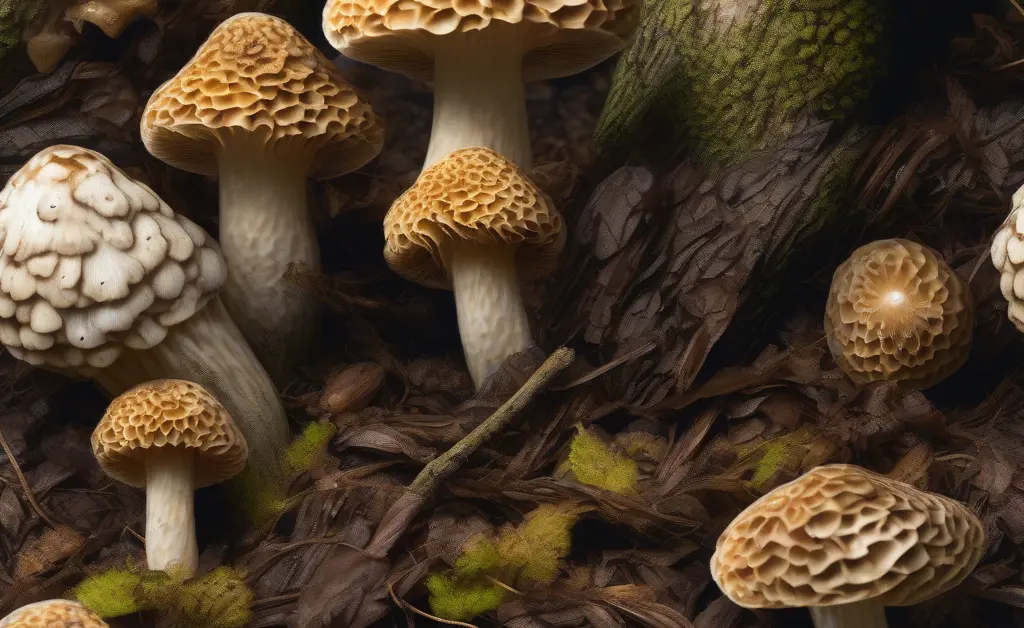
At the heart of any tracking system are the individual sightings reported by the foraging community. These reports are the data points that create the larger picture of the season’s progress. A typical sighting includes the date the morels were found, the approximate location (often just the county to protect specific spots), and sometimes notes about the habitat, such as the types of trees nearby or whether the ground was sloped. The collective power of thousands of these individual reports transforms anecdotal evidence into a powerful predictive tool, allowing everyone in the community to benefit from each other’s successes.
Using Sighting Maps for Foraging
Sighting maps are dynamic visualizations of all the reported finds. They allow you to see, at a glance, where morels are currently popping. Users can typically see clusters of recent sightings, indicating that a particular area is active. Foragers can use these maps to narrow down their search from an entire state to a few promising counties or forest systems. It’s important to remember that these maps show where morels *have been* found, not where they *will be*. They are a guide to point you in the right direction, but success still depends on your ability to identify the correct habitat and read the subtle cues of the forest floor once you are there.
Morel Mushroom Map 2026
While a morel mushroom map for 2026 does not yet exist, the concept highlights the long-term value of community-driven data collection. Every sighting reported today contributes to a growing database that will make future trackers even more accurate. The information gathered over multiple seasons helps data scientists and programmers refine the algorithms that predict seasonal progression. This ongoing effort ensures that the **morel mushroom watch** of the future, including the one in 2026, will be an even more powerful tool for the foraging community, built upon years of shared knowledge and experience.
Morel Mushroom Watch California
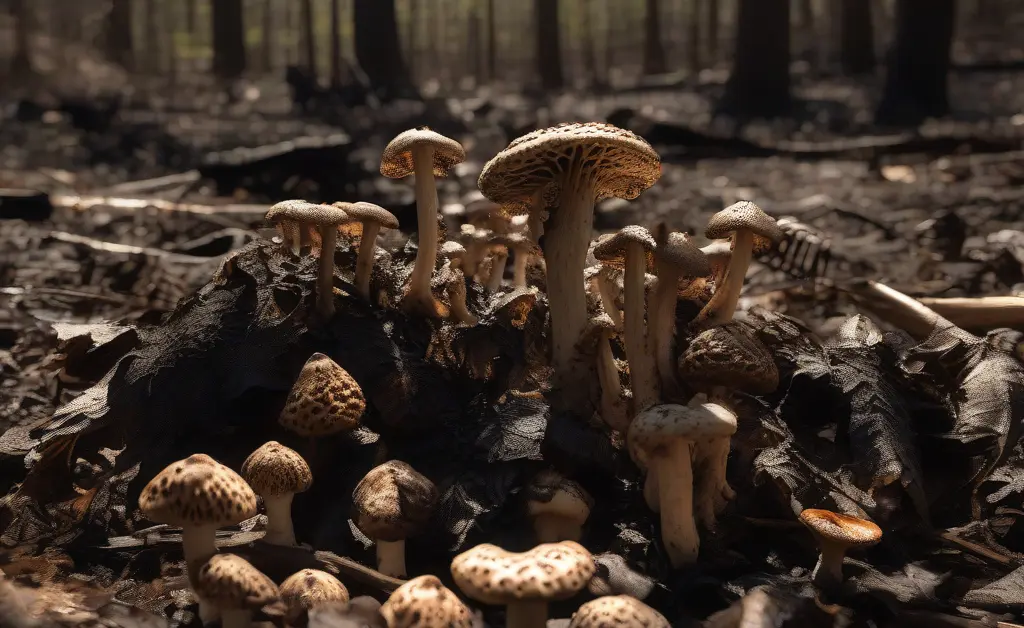
Foraging for morels in California presents a unique set of conditions compared to other parts of the country. The state’s diverse geography, from coastal ranges to the Sierra Nevada, creates varied microclimates and seasons. However, the most significant factor for a **morel mushroom watch** in California is the prevalence of “burn morels.” These morels fruit in astounding numbers in the spring following a forest fire from the previous year. Trackers focused on California often include data on recent wildfire perimeters, as these areas become prime hunting grounds. Foragers in the state pay close attention to both elevation-based spring progression and the locations of these post-fire zones.
Morel Mushroom Watch Near Me
The ultimate goal of any tracker is to answer the question: “Are morels popping near me?” Modern sighting websites and apps are designed to provide this hyper-local information. By allowing the platform to use your location or by manually entering a zip code or county, you can filter the map to show only the most relevant, recent sightings in your immediate vicinity. This feature is invaluable for deciding whether it’s worth heading out on a given day. It helps you avoid a wasted trip when the season hasn’t started locally while ensuring you don’t miss the peak window right in your own backyard.
You can find many creative representations of mushrooms, such as a morel mushroom lego set. These items can bring a touch of nature indoors.
Consider adding a decorative morel mushroom lawn ornament to your garden for a whimsical touch.
For those with a crafty inclination, a morel mushroom embroidery project can be a satisfying endeavor.
In conclusion, leveraging a community-powered tracker is one of the most effective strategies a modern forager can employ. These platforms transform the often-unpredictable hunt for morels into a data-driven pursuit. By understanding the seasonal progression, analyzing sighting maps, and focusing on local reports, you can significantly increase your chances of finding these elusive and delicious fungi. While technology provides a powerful advantage, it complements rather than replaces the essential skills of mushroom identification and understanding the forest ecosystem. Happy and safe foraging.
This material is shared for educational insight, not for clinical decision-making. The information provided is for general knowledge about wild mushroom foraging patterns and should not be used to identify fungi. Proper identification of any wild mushroom is critical, as many poisonous species exist. Consuming a misidentified mushroom can lead to severe illness or death. Always consult with a local mycological expert before consuming any wild fungus, and never eat any mushroom you cannot identify with absolute certainty.
FAQ
Where can I find morel mushroom sighting maps?
Information regarding morel mushroom sighting maps can often be found on specialized foraging websites, forums, and social media groups dedicated to mushroom hunting. These platforms frequently feature shared user-submitted reports and discussions about current foraging conditions and locations. Many experienced foragers also maintain blogs or websites where they share their findings and advice, which can include valuable insights into recent sightings and potential hotspots for the morel mushroom watch.