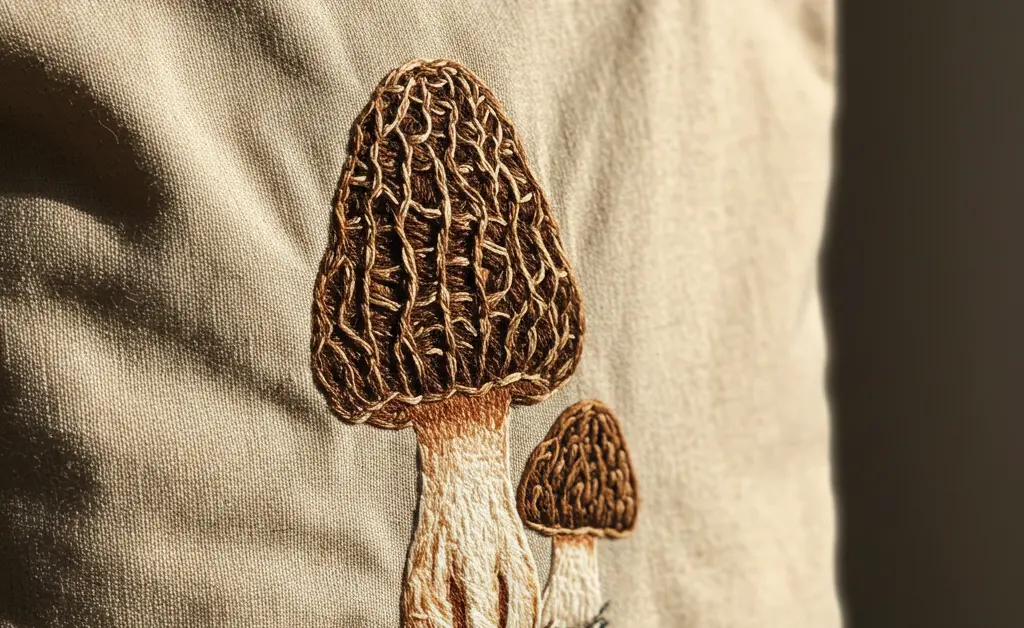
A simple canvas tote bag or a plain denim jacket can serve as a functional but uninspired accessory. However, by applying the right techniques and a well-chosen design, that same item can be elevated into a distinctive piece of wearable art. A carefully stitched morel mushroom embroidery, for example, can transform a generic garment into a personalized statement that reflects a passion for nature and foraging. This intricate art form allows you to capture the unique, honeycomb-like texture of the prized fungus, adding a touch of rustic elegance to everything from kitchen towels to framed wall decor. The process is not about dramatic makeovers but about adding meaningful, detailed craftsmanship to everyday objects, making them truly your own.
Morel Mushroom Embroidery Patterns
Embroidery patterns are the blueprints for your stitching projects. For a subject as detailed as a morel mushroom, a quality pattern is essential for achieving a recognizable and beautiful result. These patterns typically provide an outline of the design to be transferred onto fabric, along with a guide to the types of stitches and thread colors recommended by the artist. They can range from simple line art suitable for beginners to complex, multi-layered designs for experienced stitchers.
Morel Mushroom Embroidery Pattern – Elegant Satin Stitch
The satin stitch is a fundamental technique often highlighted in morel mushroom patterns. It consists of a series of straight stitches laid closely together to fill an area with solid color. This stitch is particularly effective for creating the smooth, solid stem of the mushroom, providing a clean contrast to the textured cap. In more stylized designs, a well-executed satin stitch can also be used on the cap itself to create a glossy, dimensional effect that catches the light beautifully, giving the finished piece an elegant and polished appearance.
Design Size and Hoop Compatibility
The final size of the embroidered design is a critical consideration that influences both the project it’s suitable for and the tools you’ll need. Pattern creators usually specify the finished dimensions of the design, which helps you decide if it’s appropriate for a small pocket detail or a large back panel on a jacket. This size also dictates the required embroidery hoop. A hoop must be large enough to contain the entire design area with some extra fabric around the edges, ensuring the fabric remains taut and even throughout the stitching process.
Stitch Count and Complexity
For machine embroidery, stitch count refers to the total number of stitches the machine will make to complete the design. A higher stitch count often indicates a denser, more detailed, and time-consuming project. For hand embroidery, complexity is determined by the number of different stitches used, the frequency of color changes, and the intricacy of the details. A beginner-friendly morel pattern might use only two or three basic stitches, while an advanced one could incorporate complex knot work and blended threads to achieve a photorealistic texture.
Color Palettes and Thread Selection
The choice of thread color is what brings a morel mushroom design to life. Naturalistic palettes often include a range of earthy tones such as cream, beige, taupe, and deep brown to mimic the fungus’s natural variations. Some artists also introduce subtle hints of yellow or grey. The type of embroidery thread also plays a significant role. Standard six-strand cotton floss is versatile and widely used, but using silk threads can add a subtle luster, while variegated threads with multiple colors on a single strand can create organic, realistic shading with minimal effort.
Morel Mushroom Embroidery Kits
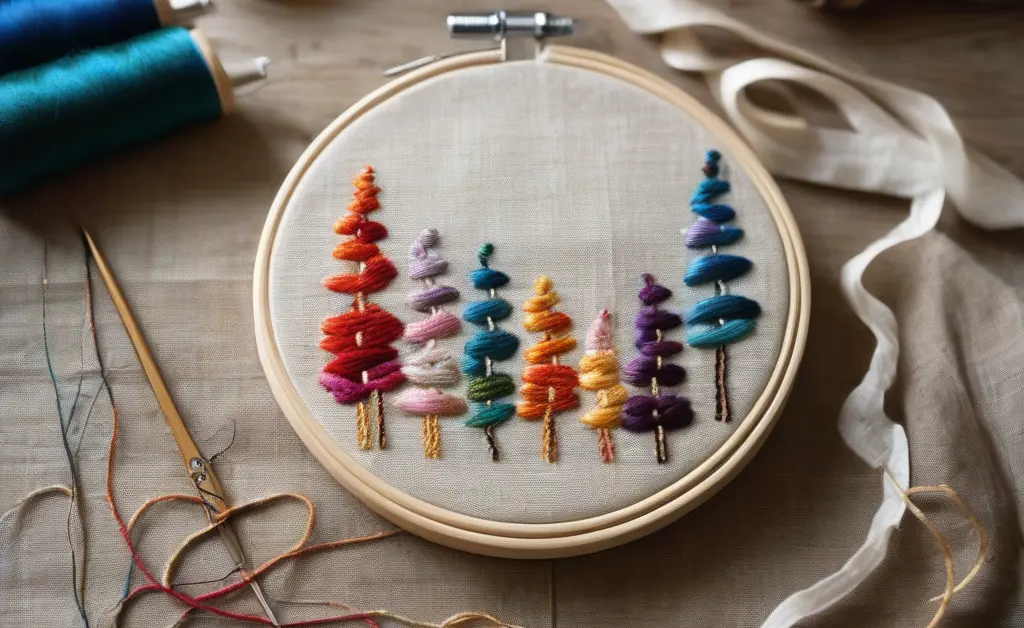
For those new to embroidery or simply seeking convenience, a kit is an excellent starting point. These all-in-one packages are designed to provide you with everything needed to complete a specific project. A typical kit for a `morel mushroom embroidery` project includes a high-quality embroidery hoop, a piece of fabric often pre-printed with the design, all the necessary thread colors, an embroidery needle, and a comprehensive set of instructions. This removes the guesswork from gathering supplies and allows you to focus on the enjoyable process of stitching.
Free Morel Mushroom Embroidery Designs
While premium patterns offer detailed instructions and support, there are also many free designs available for hobbyists. These can often be found on artists’ blogs, thread company websites, and in online crafting communities. Free designs are a great way to practice new stitches or test out a color palette. They tend to be simpler than their paid counterparts but can still result in beautiful finished pieces. When using free patterns, it’s important to respect the creator’s terms of use, as most are intended for personal, non-commercial projects only.
Morel Mushroom Embroidery Designs
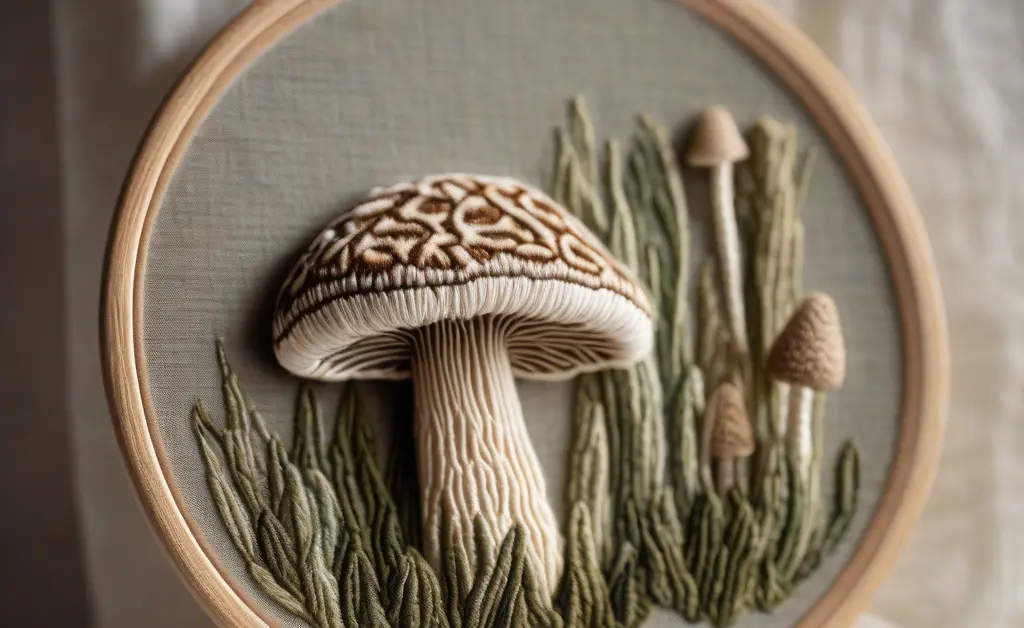
The world of embroidery designs for morel mushrooms is surprisingly diverse, reflecting a wide array of artistic styles and interpretations. Beyond being a simple pattern, a design encompasses the entire artistic vision, from the composition and linework to the suggested textures and colors. A good design is not just a technical guide but an artistic prompt that can be adapted to your personal taste. You might find designs that place the morel in a whimsical forest setting, pair it with other fungi and flora, or isolate it as a stunning botanical specimen. The choice of a `morel mushroom embroidery` design sets the tone for the entire project, whether you’re aiming for rustic charm, scientific accuracy, or modern minimalism.
What are Morel Mushroom Embroidery Designs?
Morel mushroom embroidery designs are the visual artwork, translated into a stitchable format. They can exist in several forms. For hand embroiderers, it’s typically a PDF document containing a traceable outline, a color key, and a stitch guide. For machine embroiderers, it’s a digital file in a specific format (like .PES, .JEF, or .DST) that an embroidery machine can read. The designs themselves vary greatly in style. Some are realistic, focusing on accurately capturing the morel’s unique pitted cap and form. Others are stylized, using bold lines and imaginative colors. You can also find minimalist outline designs, cross-stitch versions, and intricate patterns that are part of a larger nature-inspired tapestry.
Morel Mushroom Hand Embroidery
Hand embroidery is a timeless craft that offers a meditative and deeply personal way to create textile art. When applied to the subject of morel mushrooms, it allows for a level of nuance and texture that can be difficult to replicate by machine. The artist has complete control over the tension, length, and placement of each stitch, enabling them to create subtle shading and three-dimensional effects. This manual process ensures that every piece is unique, bearing the distinct touch of its creator. The slow, deliberate nature of hand embroidery makes it a perfect way to appreciate the intricate details of the morel’s form.
Finishing Your Morel Mushroom Embroidery
The final steps after you’ve made your last stitch are crucial for giving your work a professional and lasting presentation. First, it’s often recommended to gently wash the piece by hand to remove any oils or marks from the hoop. Afterward, press the embroidery from the back while it’s still slightly damp, placing it face down on a thick, clean towel to protect the stitches from being flattened. From here, you have many options: you can frame the piece in its hoop for a rustic wall hanging, mount it in a traditional picture frame, sew it onto a pillow or bag, or cut it out to create a unique patch.
Understanding Morel Mushroom Embroidery Designs
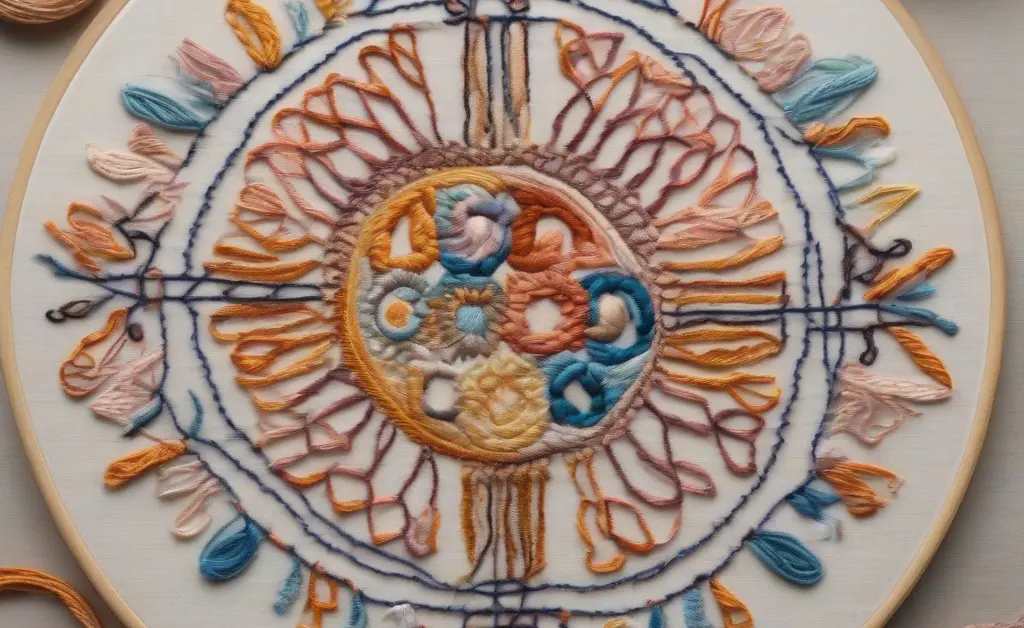
To successfully execute a project, it’s important to understand the components of the design you’ve chosen. For hand embroidery, this means being able to “read” the pattern. You’ll need to identify the different lines and symbols that correspond to specific stitches and colors, as indicated in the pattern’s key. For machine embroidery, understanding the digital file is paramount. You need to ensure the file format is compatible with your specific machine. Furthermore, understanding the data in a digital design, such as the final dimensions and stitch density, is key to selecting the right fabric and stabilizer to prevent issues like puckering or thread breaks. A deeper understanding of how to work with these files is essential for anyone serious about `morel mushroom embroidery` on a digital machine.
Where to Find Morel Mushroom Embroidery Patterns
A wealth of morel mushroom patterns can be found through various online channels. Large marketplaces for handmade and digital goods are an excellent starting point, allowing you to browse designs from countless independent artists in one place. Many talented fiber artists also sell patterns directly from their own websites, where they may also offer tutorials and kits. Joining online embroidery communities on social media or forums can also be fruitful, as members often share their favorite designers and sources. When searching, using terms like “botanical embroidery,” “fungi stitch pattern,” or “forest embroidery” can help broaden your results and uncover unique artistic interpretations.
Choosing the Right Morel Mushroom Embroidery Design
Selecting the perfect design depends on a few key factors. First, honestly assess your skill level. If you are a beginner, look for designs with simple outlines, a limited color palette, and basic stitches like backstitch and satin stitch. Second, consider the final purpose of your embroidery. A highly detailed, dense design might be perfect for a piece of wall art but could be too stiff and heavy for a t-shirt. Conversely, a simple, delicate design might get lost on a large tote bag. Finally, choose a style that genuinely appeals to you. Whether you prefer photorealism, whimsical illustrations, or minimalist aesthetics, selecting a design you love will make the stitching process far more enjoyable.
Tips for Embroidering Morel Mushrooms
Capturing the unique texture of a morel cap is the most rewarding challenge of this project. To create the characteristic pits and ridges, many artists use a combination of French knots or colonial knots scattered within the cap’s sections. Using a slightly darker thread for these knots can enhance the illusion of depth. For the outlines of the cap’s structure, a thin, clean stitch like a split stitch or backstitch works well. It is also wise to work on a stable, medium-weight fabric like linen or cotton twill, as it will hold the tension of dense stitching without puckering. A successful `morel mushroom embroidery` project often relies on creatively combining different stitch types to achieve that iconic honeycomb look.
Projects Featuring Morel Mushroom Embroidery
The rustic elegance of a morel mushroom design lends itself to a wide variety of projects, transforming everyday items into cherished pieces. Apparel is a popular choice; a single morel or a small cluster can add a touch of woodland charm to a denim jacket, the pocket of a chambray shirt, or the cuff of a beanie. In home decor, morel designs shine on kitchen tea towels, cloth napkins, aprons, and throw pillow covers. They can also be used to create beautiful and unique accessories, such as patches for backpacks, embellishments on canvas tote bags, or as the centerpiece of a framed piece of fiber art for your wall.
Morels – Embroidery Tee
Embroidering on a t-shirt requires a few specific considerations due to the stretchy nature of knit fabric. To prevent the fabric from warping or puckering as you stitch, it is essential to use a stabilizer. A cut-away or stick-on stabilizer applied to the back of the design area will provide the necessary support. When choosing a morel design for a tee, a lighter, less dense pattern is often preferable to maintain the fabric’s drape. Popular placements include a small design on the chest pocket area, a central design on the front, or a subtle mushroom on the sleeve for a peekaboo effect.
Morel Mushroom Embroidery Machine
For those who own an embroidery machine, creating morel mushroom designs can be a fast and precise process. Instead of a paper pattern, you will use a digital design file that instructs the machine on exactly where to stitch. These machines are capable of executing incredibly dense and complex designs with perfect consistency, making them ideal for creating batches of items, like embroidered napkins, or for achieving a photorealistic look. When choosing a machine for nature-inspired designs, look for one that handles high stitch counts well, offers flexibility in hoop sizes, and has a reputation for producing clean, high-quality stitches without looping or snagging.
Ultimately, whether stitched by hand or machine, bringing a morel mushroom to life with thread is a rewarding craft. It connects a passion for the natural world with a tradition of textile art, allowing you to create unique and personal items. From simple outlines on a t-shirt to complex, textured wall hangings, embroidering this coveted fungus is a wonderful way to add a touch of forest floor elegance to your life.
not applicable
FAQ
Where can I download morel mushroom embroidery designs?
Embroidery design files for morel mushrooms can be found on various online platforms dedicated to digital embroidery patterns. These sites often feature collections from independent artists and designers specializing in nature-themed motifs. You can explore marketplaces and dedicated embroidery pattern websites to discover a wide selection.
Are there free morel mushroom embroidery patterns available?
Yes, free embroidery patterns for morel mushrooms are sometimes offered by designers as promotional items or through crafting blogs. Searching specifically for “free embroidery patterns” along with “morel mushroom” can lead you to these downloadable resources. Many crafters share their creations online, making it possible to find lovely designs without purchase.