While many culinary enthusiasts prize morel mushrooms primarily for their unique, earthy flavor and delicate texture, this focus on taste often overshadows their significant nutritional value. It’s a common oversight to view them solely as a gourmet ingredient rather than a source of wellness. In reality, these sought-after fungi offer a surprising array of essential micronutrients that contribute to a healthy diet. A deeper look at the specific morel mushroom vitamins reveals their potential to be more than just a seasonal delicacy, positioning them as a functional food with tangible health benefits. This nutritional profile adds another layer of appreciation for one of spring’s most treasured wild edibles, highlighting its role beyond the dinner plate.
Key Vitamins Found in Morel Mushrooms
Beyond their gourmet status, morel mushrooms offer a notable nutritional profile rich in essential vitamins. These compounds are crucial for various bodily functions, from energy production to immune defense. The specific array of morel mushroom vitamins contributes to their reputation as a functional food, meaning they provide health benefits beyond basic nutrition. Understanding this composition helps in appreciating morels not just for their taste but for their contribution to a well-rounded diet.
Vitamin Content: A Closer Look
Morels are a particularly good source of several B vitamins. These include niacin (Vitamin B3), which plays a key role in converting food into energy and supporting the nervous system, and pantothenic acid (Vitamin B5), essential for making and breaking down fats. They also contain riboflavin (Vitamin B2) and vitamin B6, both of which are involved in cellular processes and energy metabolism. This collection of B vitamins works synergistically to support overall vitality and cellular health, making morels a valuable addition to meals.
Vitamin D in Morel Mushrooms
One of the most significant nutritional aspects of morel mushrooms is their potential to provide vitamin D. Like humans, mushrooms can produce vitamin D when exposed to ultraviolet (UV) light. Wild morels, growing in sunlight-dappled forests, naturally contain this vital nutrient. Vitamin D is essential for calcium absorption, which is critical for maintaining strong bones. It also plays a pivotal role in modulating the immune system, and its presence in a food source like morels is a noteworthy benefit, as few foods naturally contain it.
Other Notable Vitamins
While B vitamins and vitamin D are the headliners, morels also contain other vitamins in smaller quantities. Trace amounts of vitamins like vitamin C and vitamin E may be present, contributing to the mushroom’s antioxidant capacity. These antioxidants help protect the body’s cells from damage caused by free radicals, which are unstable molecules linked to aging and various health concerns. Though not a primary source, their presence adds to the overall nutritional value of these unique fungi.
Morel mushroom vitamins and minerals
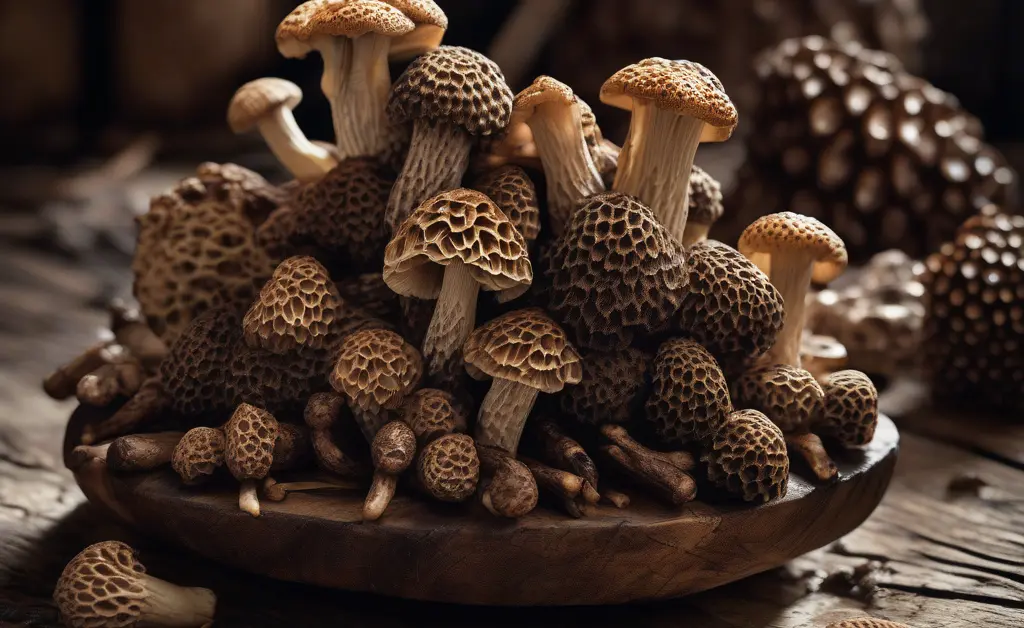
A comprehensive look at morel mushroom nutrition reveals a balanced profile of both vitamins and minerals. While the focus is often on the morel mushroom vitamins, their mineral content is equally impressive and essential for health. Key minerals found in morels include iron, copper, phosphorus, and zinc. Iron is vital for oxygen transport in the blood, while copper supports iron absorption and nerve function. Phosphorus is a fundamental component of bones and teeth, and zinc is crucial for immune function and wound healing. This combination of vitamins and minerals makes morels a nutrient-dense food that supports multiple systems within the body.
Which mushroom is highest in vitamin D?
While morels are a good natural source of vitamin D, some other mushroom varieties can contain even higher levels, particularly when intentionally exposed to UV light. Commercially grown mushrooms like portobello, cremini, and shiitake that are treated with UV radiation after harvesting can become exceptionally rich in vitamin D. Among wild mushrooms, maitake (Hen of the Woods) is also often cited as being particularly high in this nutrient. However, the vitamin D content in any mushroom can vary widely based on its exposure to sunlight or artificial UV sources.
Morel mushroom vitamins for skin
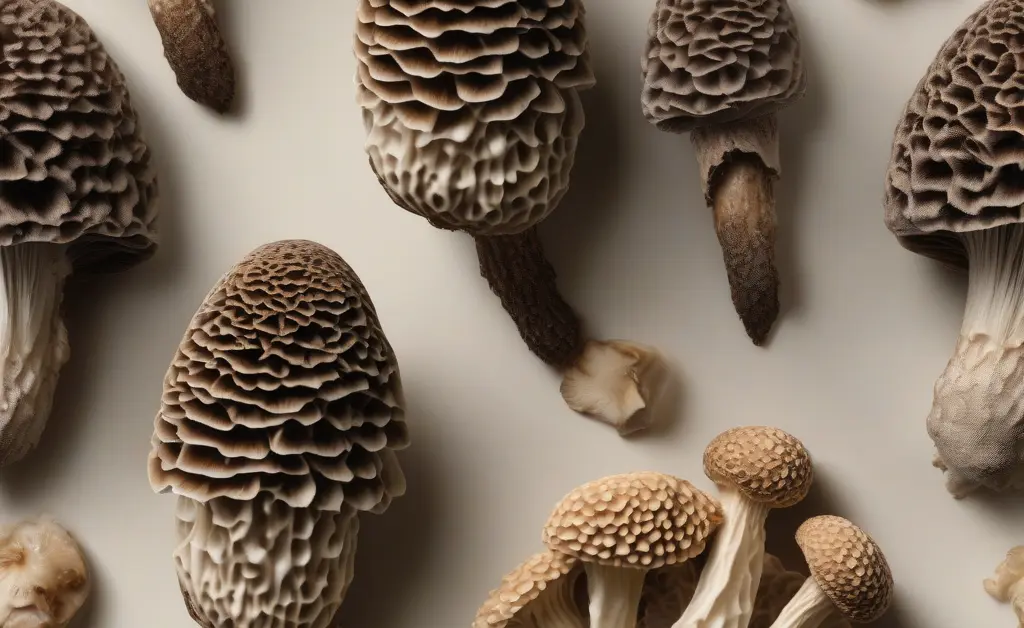
The combination of micronutrients found in morels may offer benefits for skin health. The B vitamins, particularly niacin, are known to support skin barrier function and cellular energy. Additionally, morels contain antioxidants, which help combat oxidative stress—a major factor in premature skin aging. The copper found in morels is also important, as it plays a role in the production of collagen and elastin, proteins that provide structure and elasticity to the skin. By providing these building blocks and protective compounds, the profile of morel mushroom vitamins and minerals can contribute to maintaining healthy, resilient skin.
Morel mushroom vitamins
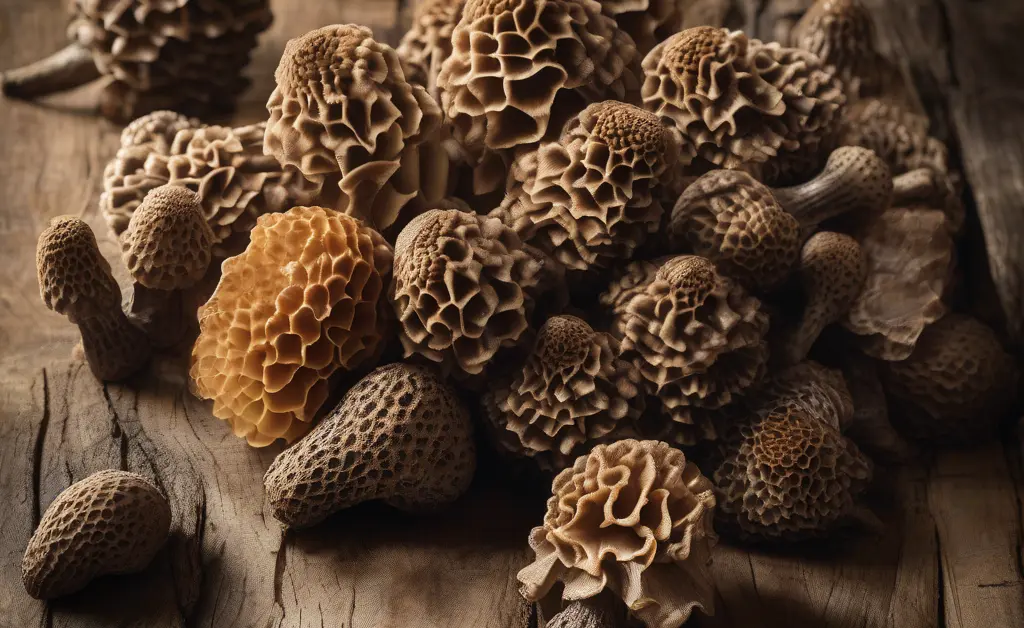
The collective synergy of morel mushroom vitamins is what makes them such a valuable component of a healthy diet. Rather than focusing on a single nutrient, it is the interplay of vitamin D, B-complex vitamins, and associated minerals that provides the most significant benefit. For instance, vitamin D aids in calcium absorption, which works alongside phosphorus for bone health. Similarly, the B vitamins support the energy metabolism needed for all cellular functions, including those of the immune system, which is also supported by zinc and vitamin D. Incorporating morels into meals is a way to consume a spectrum of nutrients that work together to support overall wellness, from skeletal strength to cellular protection.
To best preserve their nutritional content, morel mushrooms should be cooked gently. Sautéing or roasting are excellent methods that enhance their flavor without significant nutrient loss. It is important to always cook morels thoroughly, as they cannot be eaten raw. Integrating them into dishes like pasta, risottos, or simple egg scrambles allows you to enjoy both their unique taste and their impressive nutritional profile, making them a true gift from nature each spring.
This information is provided for educational purposes only. It is not intended to be a substitute for professional medical advice, diagnosis, or treatment. Always seek the advice of your physician or another qualified health provider with any questions you may have regarding a medical condition. Never disregard professional medical advice or delay in seeking it because of something you have read here.
FAQ
Are morel mushrooms high in vitamin D?
Morel mushrooms are known for their ability to produce vitamin D when exposed to ultraviolet light, similar to how human skin synthesizes this nutrient. This makes them a unique source of this essential vitamin, particularly when dried in the sun. Research has explored this capacity, noting the significant levels of vitamin D that can develop under such conditions.
What vitamins are in morel mushrooms?
Morel mushrooms contain a range of B vitamins, including niacin, riboflavin, and pantothenic acid, which are crucial for energy metabolism. They also provide minerals such as iron, potassium, and phosphorus, contributing to overall health. Notably, morel mushroom vitamins include a good amount of vitamin D, especially when they have been exposed to sunlight.