Morel mushrooms have a fascinating ability to appear almost overnight once the spring soil warms up, a trait that captivates foragers. This rapid emergence often leads to questions about the exact timeline from a small pinhead to a harvest-ready mushroom. Understanding the morel mushroom growth rate is key for timing your hunts perfectly, as it’s not a single, fixed speed but a dynamic process influenced by a combination of environmental triggers. Factors like consistent ground temperature, adequate rainfall, and specific soil composition all play a critical role in determining how quickly these elusive fungi develop. By learning about these ideal conditions, you can better predict when and where to find these prized culinary treasures, maximizing your chances of a successful foray into the woods.
Factors Influencing Morel Mushroom Growth Rate
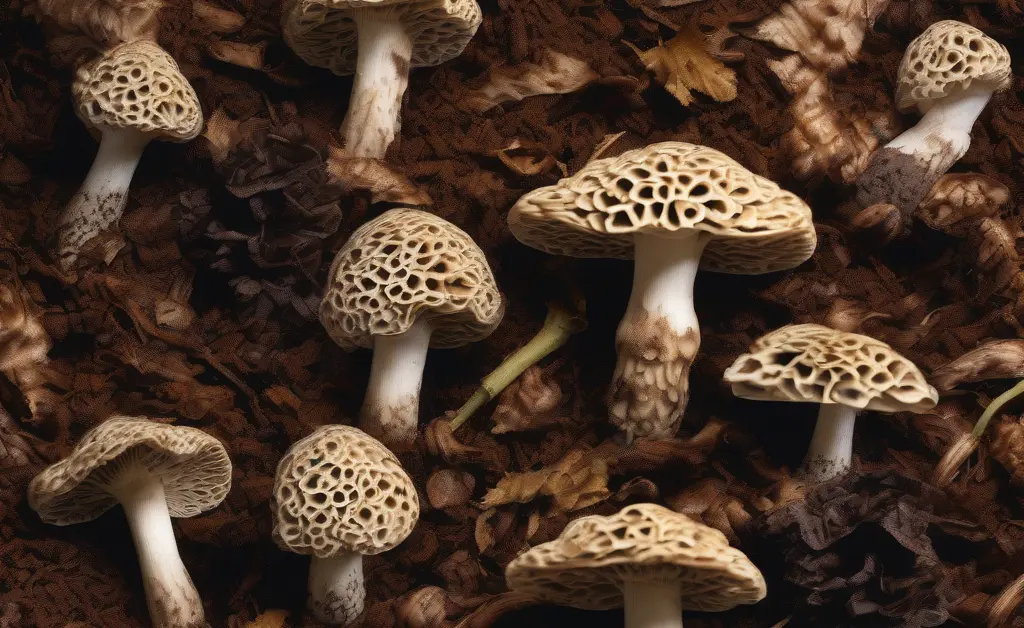
The journey of a morel from an invisible underground network to a harvestable treat is governed by a delicate interplay of environmental cues. The entire process begins long before the mushroom appears, with the development of a vast mycelial network beneath the soil surface. This network acts as the primary organism, gathering nutrients and waiting for the right signals to produce a fruiting body—the morel we see. Key factors that dictate the speed of this final stage include soil temperature, moisture levels, and the specific composition of the soil. A sudden shift in these conditions can trigger the fruiting process, and the stability of this environment will determine the overall morel mushroom growth rate. For example, a warm spell followed by consistent, gentle rain creates a perfect storm for rapid development, while a sudden cold snap or dry period can halt progress entirely. For those interested in cultivating these mushrooms, understanding morel mushroom cultivation is essential.
Maturation Time
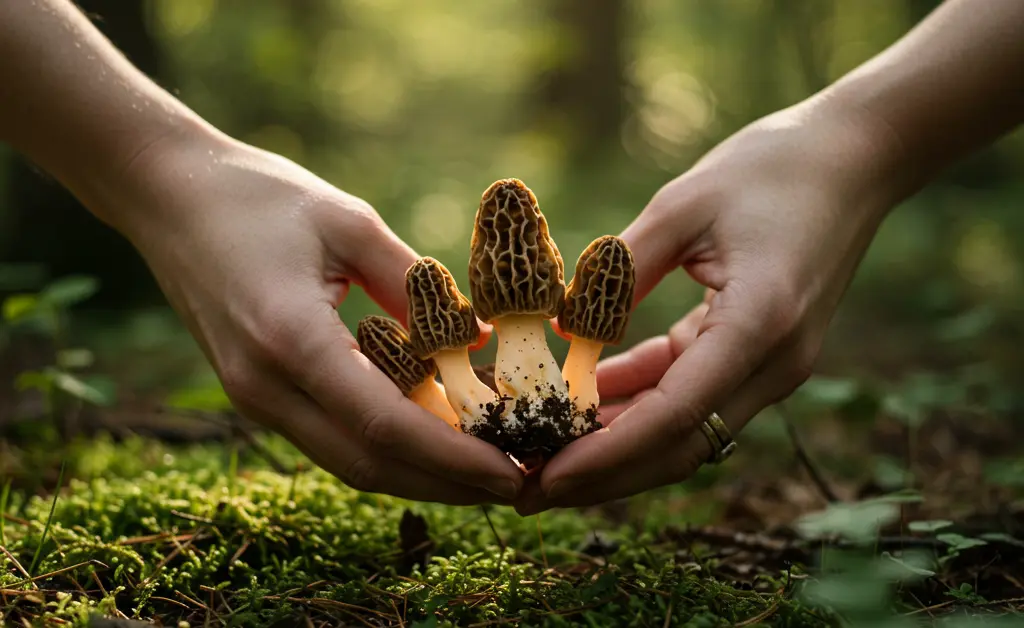
The maturation time for a morel mushroom, from the moment it first breaks the surface as a tiny “pin” to when it becomes a fully developed specimen, is highly variable. In ideal conditions, this process can take several days. Initially, the small fruiting body is dense and tightly formed. As it absorbs moisture and nutrients from the mycelium, its cells expand, causing the mushroom to increase in size and unfurl its characteristic honeycomb-like cap. A morel is generally considered mature when its ridges have darkened slightly and the cap has fully expanded, preparing it to release spores. Once mature, a morel can last in the ground for a limited time before it begins to decay, making the window for harvesting relatively brief.
How fast do morels grow after rain?
Rain is a powerful catalyst for morel growth, often triggering a noticeable surge in size. A significant rainfall event provides the intense hydration needed for the mushroom’s cells to swell rapidly. It’s a common experience for foragers to find small morels one day, only to return after a night of rain to find them substantially larger. This isn’t the mushroom growing from scratch; rather, the existing, pre-formed fruiting body is simply inflating with water. The speed of this expansion depends on the amount of rainfall and the ambient temperature. A warm spring rain can lead to the most dramatic and rapid increase in size, transforming a small button into a respectable morel in just 24 to 48 hours. If you’re looking to start growing morels, a morel mushroom growing kit can be a good starting point.
Optimal Conditions for Rapid Morel Growth
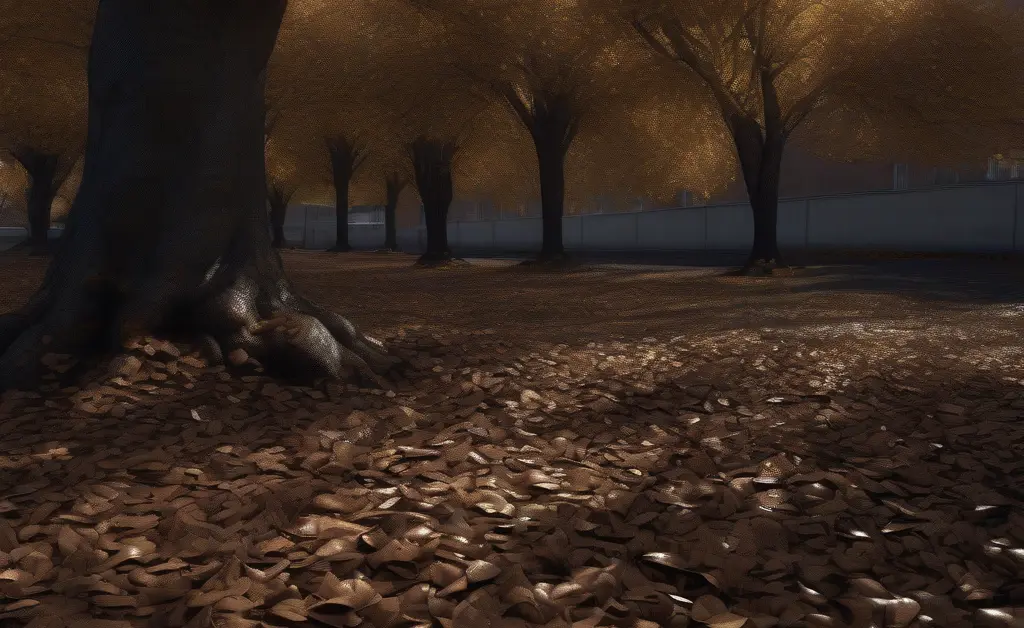
Achieving the fastest possible development requires a specific recipe of environmental conditions. The single most important factor is consistent soil temperature. Morels typically begin to fruit when soil temperatures reach and remain within a specific warm range, which signals to the mycelium that spring has arrived. Alongside temperature, consistent moisture is crucial. The soil should be damp but not waterlogged, as poor drainage and soil compaction can hinder the underground mycelial development. Sunlight exposure plays a secondary role by warming the ground, but morels often thrive in dappled light found in wooded areas, which helps retain soil moisture. Understanding these elements is key to predicting not just where morels will be, but also how quickly they will develop, affecting the overall morel mushroom growth rate. Using morel mushroom liquid culture can also be a method for propagation.
Do morels grow overnight
The popular notion that morels appear fully formed overnight is a slight exaggeration of a very real phenomenon. While a mature morel does not materialize from nothing in a single night, the most significant and visible part of its growth can indeed happen in a very short period. This rapid expansion is what gives the impression of overnight growth. A small, nascent morel can absorb a large amount of water following a rain, causing it to swell to a much larger size in as little as 12 to 24 hours. This growth is primarily due to cell expansion, not the creation of new cells, which is a much slower process that occurs as the mushroom initially forms.
How much does a morel mushroom grow in 3 days?
The amount a morel can grow in three days is entirely dependent on its starting size and the surrounding conditions. If a forager spots a tiny pinhead emerging from the leaf litter and the weather provides ideal warmth and moisture, that same mushroom could be several inches tall and ready for harvest just three days later. During this period of rapid development, the stem will lengthen and the cap will expand significantly. Conversely, if a cold front moves in or the ground dries out, that same mushroom might show very little change over the same time frame. This variability is why experienced morel hunters pay close attention to weather forecasts, as a few days of perfect conditions can make all the difference. In Hindi, this process is sometimes referred to as morel mushroom kaise ugaye.
In conclusion, the development of a morel mushroom is a dynamic and fascinating biological event. Its growth is not a steady, predictable march but rather a series of rapid expansions triggered by the right combination of soil temperature, moisture, and nutrients. While they don’t magically appear overnight, their ability to swell to a significant size in a day or two after a warm rain is what fuels their legendary status. For foragers, success lies in understanding these environmental triggers. By learning to read the woods and the weather, one can better anticipate when these elusive fungi will emerge, increasing the chances of finding them during their brief but glorious appearance each spring. The knowledge that the same patch may fruit again in subsequent years, provided the underlying mycelial network remains undisturbed, adds to the rewarding nature of the hunt. For general health advice, it is always good to consult official resources, such as the NHS.
The information presented in this article is educational and not meant as professional medical counsel. This content is intended for informational purposes only and should not be used for identifying wild mushrooms. Misidentification of fungi can lead to serious or fatal poisoning. Always consult with a trained mycologist or trusted local expert for positive identification before consuming any wild mushroom. The authors and publishers of this content are not responsible for any adverse effects or consequences resulting from the use of any suggestions or procedures described herein.
FAQ
How long does it take for morel mushrooms to grow?
Morel mushrooms typically emerge from the soil during a specific spring window, often following winter thaws and rainfall. The entire fruiting process, from mycelial development to visible fruiting bodies, can take several weeks to a few months, influenced heavily by environmental factors.
What conditions make morel mushrooms grow faster?
Optimal conditions for morel growth include consistent moisture, moderate temperatures, and nutrient-rich soil, often found in disturbed areas or near certain tree species. A rapid increase in soil temperature after a period of dampness is a significant trigger for their fruiting.
Can morel mushrooms grow in a single day?
While noticeable growth spurts can occur, the development of a morel mushroom from its initial formation to a harvestable size is unlikely to happen within a single 24-hour period. Their complex biological processes require more time to complete.
What is the typical growth rate of morel mushrooms?
The morel mushroom growth rate can vary, but once conditions are favorable and primordia form, observable growth can be quite rapid over several days. This rapid expansion is a hallmark of their spring emergence, making them a fascinating subject for study.