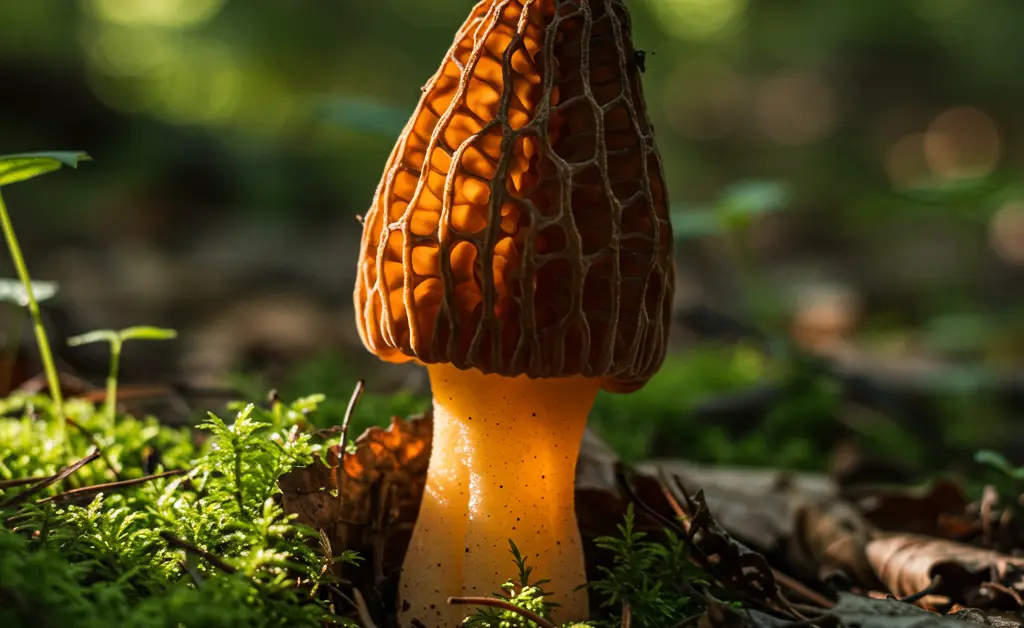
There’s nothing quite as disheartening for a forager as returning from the woods with an empty basket, especially when you’ve been dreaming of the rich, nutty flavor of fresh morels. These culinary treasures are notoriously elusive, often leaving even experienced hunters wondering if they were in the right place at all. The key to turning a fruitless search into a successful harvest often lies not just in luck, but in knowledge. Understanding the specific morel mushroom growing zone is a critical first step. This knowledge helps you focus your efforts on areas where conditions like soil temperature, moisture, and tree associations are perfectly aligned for these fungi to thrive, dramatically increasing your chances of finding them.
Understanding Morel Mushroom Growing Zones
Morel mushrooms have a reputation for being unpredictable, but their appearance is governed by a set of specific ecological rules. Understanding the concept of a growing zone is the first step toward decoding their patterns and increasing your foraging success. These zones are less about lines on a map and more about the convergence of ideal environmental conditions.
What is a Morel Mushroom Growing Zone?
A morel mushroom growing zone is not a formally defined area like a USDA plant hardiness zone. Instead, it refers to a geographic region where the climate, soil composition, and forest ecology create the perfect environment for morel mycelium to fruit. It’s an ecological concept that combines broad climate patterns with local microclimates. Finding yourself within a known zone is a great start, but success hinges on pinpointing the smaller, habitat-specific spots where morels will actually emerge. Learning about morel mushroom cultivation can offer insights into their ideal growing conditions.
Why Do Morel Mushrooms Have Specific Zones?
Morels are particular fungi with a complex life cycle. They engage in a symbiotic, or mycorrhizal, relationship with the root systems of specific trees, exchanging nutrients. This relationship ties them to certain types of forests. Furthermore, the transition from the underground mycelial network to a visible mushroom is triggered by precise environmental cues. Factors like soil temperature reaching a specific range after winter, adequate moisture from spring rains or snowmelt, and the right soil chemistry must all align. These conditions only occur in specific regions at particular times of the year, creating the distinct growing zones where foragers find them.
Morel Mushroom Growing Zone Map
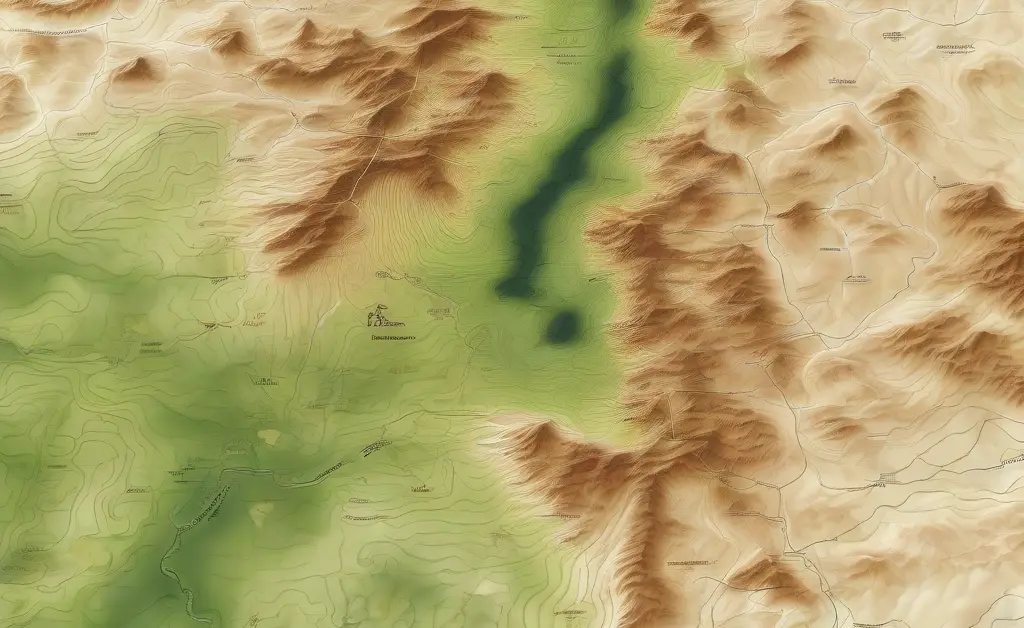
While an exact, universally accepted map of morel zones doesn’t exist, decades of foraging experience have provided a clear picture of their general distribution. Knowing these broad areas allows hunters to focus their efforts on the most productive regions during the spring foraging season.
General Geographic Distribution of Morels
Morel mushrooms are found throughout the temperate forests of the Northern Hemisphere, including North America, Europe, and Asia. In North America, they are particularly abundant. Major hotspots include the Midwest, stretching from the Great Lakes region down through states like Ohio, Indiana, and Missouri. The Appalachian Mountains, from Georgia to New England, also represent a vast and productive morel mushroom growing zone. Additionally, the Pacific Northwest and the mountainous regions of the West are famous for their “burn morels,” which appear in forested areas the year after a wildfire. While they can be found in nearly every state, their prevalence is highest in these key regions. Understanding the science behind fungal growth is important; refer to resources from the NIH for further information.
Key Factors Influencing Morel Growth Zones
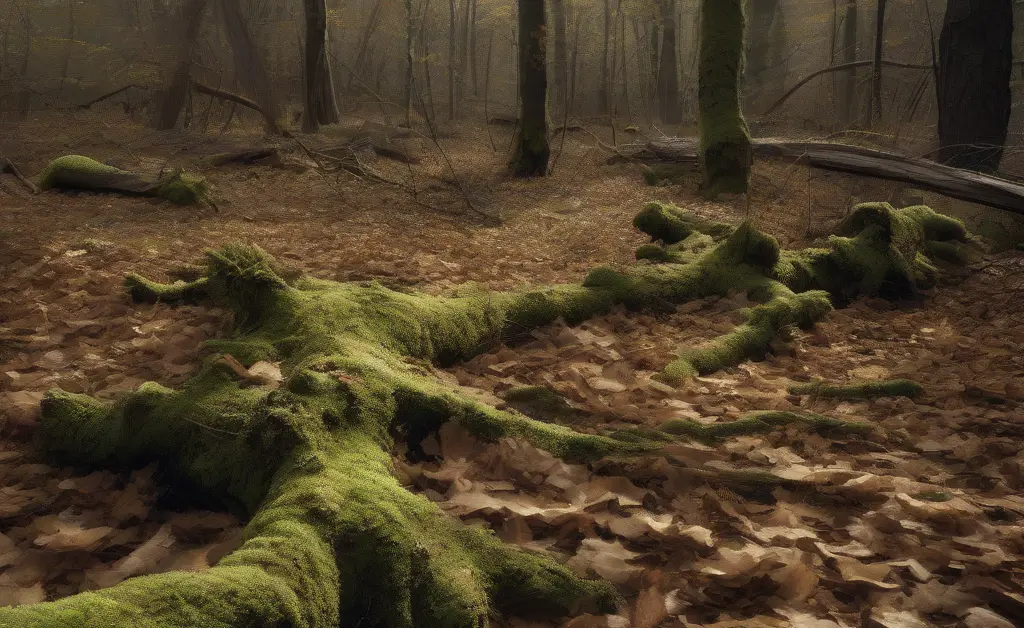
Within a broad geographic area, several key environmental factors determine the exact locations where morels will fruit. A successful forager learns to read these subtle signs in the landscape, using them to pinpoint promising spots. These elements combine to create the perfect microclimate for a morel flush.
Soil Temperature Requirements for Morels
Soil temperature is perhaps the most critical trigger for morel growth. The mycelium, the underground network of the fungus, lies dormant during the cold winter months. Fruiting begins only when the soil warms to a specific, sustained temperature range in the spring. This is why the morel season progresses from south to north and from lower to higher elevations. Foragers often track soil temperatures, knowing that the “pop” happens once the ground is warm enough but before the heat of late spring and summer sets in. Understanding the morel mushroom growth rate is also key.
Moisture Levels and Rainfall Patterns
Morels are composed mostly of water, so adequate moisture is essential for them to develop. The ideal condition is consistently damp soil, but not a waterlogged or flooded area. The timing of spring rains is a huge factor in determining the success of a season within any given morel mushroom growing zone. A dry spring can delay or prevent fruiting altogether, while timely rainfall after the soil has warmed can lead to a bountiful harvest. Areas that retain moisture well, such as low-lying spots and creek bottoms, are often very productive. Foragers sometimes use morel mushroom liquid culture to experiment with growing conditions.
Elevation and Aspect (Slope Direction)
Elevation and the direction a slope faces (its aspect) create microclimates that influence when and where morels appear. South-facing slopes receive more direct sunlight and warm up earlier in the spring, often producing the first morels of the season. Conversely, north-facing slopes remain cooler and moister for longer, extending the hunting season. As the spring progresses, foragers often “follow the season” by moving from south-facing to north-facing slopes and gradually to higher elevations.
Identifying Ideal Morel Mushroom Habitats
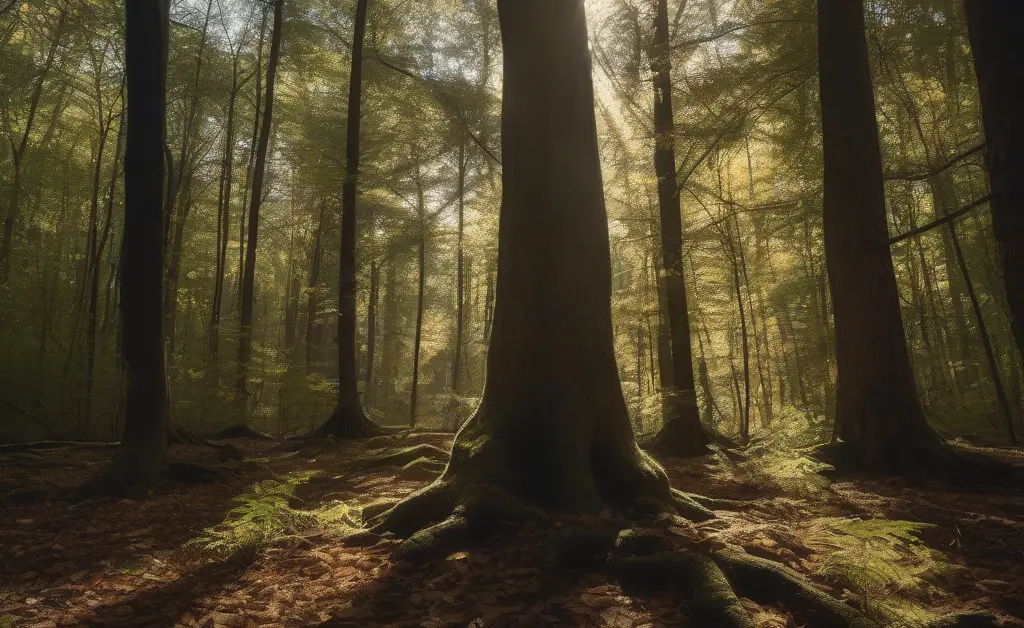
Once you are in the right zone at the right time of year, the search narrows to identifying specific habitats. Morels are creatures of habit and are consistently found in certain types of environments, often in association with particular trees and soil conditions. Learning to recognize these spots is the final piece of the foraging puzzle.
Associated Tree Species
The single most important clue for finding morels is the presence of specific types of trees. Morels form a complex mycorrhizal relationship with the roots of certain trees, meaning they often grow in close proximity to their partners. Learning to identify these key tree species is a fundamental skill for any morel hunter and can turn a speculative walk in the woods into a targeted search.
Areas with Ash, Elm, and Oak Trees
Among the most famous indicator trees are ash, elm, and oak. Dead and dying elm trees, particularly those that have recently succumbed to disease, are classic morel hotspots. Mature ash trees and stands of white and red oak are also highly productive. Foragers pay close attention to the forest canopy, looking for these species to guide their search on the ground below.
Disturbed Ground and Old Orchards
Morels often appear in areas where the soil has been disturbed. This can include the edges of logging roads, areas recovering from a forest fire, or land that has been flooded. This disturbance seems to stimulate the mycelial network to fruit. Old, abandoned apple orchards are another legendary habitat, as the decomposing root systems of the apple trees seem to create perfect conditions. Searching these unique spots can often yield impressive results within a promising morel mushroom growing zone. Some enthusiasts even try to grow them from morel mushroom seeds.
Near Streams and Riverbanks
The areas along streams, creeks, and riverbanks are excellent places to look for morels. These locations, often called “bottomland,” provide two key ingredients: consistent moisture and rich, loamy soil. The soil here is often a mix of sand, silt, and clay that morels favor. Furthermore, these areas are frequently populated by moisture-loving trees like sycamores and cottonwoods, which can also be associated with morels.
Decaying Wood and Leaf Litter
While morels are primarily associated with living trees, they also act as decomposers (saprophytes), drawing nutrients from decaying organic matter. A healthy forest floor with a good layer of leaf litter and fallen, decaying wood helps maintain the soil moisture and temperature that morels need. Gently searching around downed logs and in areas with thick leaf duff can often reveal hidden mushrooms. This rich, organic environment is a hallmark of a healthy morel mushroom growing zone.
In conclusion, finding morel mushrooms is a skill that blends scientific understanding with keen observation. It begins with targeting the right geographic zones during the correct seasonal window. From there, success depends on your ability to read the landscape—recognizing the tell-tale signs of proper soil temperature, moisture levels, and slope direction. By learning to identify associated tree species like elm and ash, and focusing on habitats such as disturbed ground and riverbanks, you can dramatically shift the odds in your favor. A successful hunt is a reward not just for your patience, but for your knowledge of the intricate ecosystem where these remarkable fungi thrive.
The content presented here is not a substitute for professional medical guidance. Furthermore, this article is intended for informational purposes regarding the general habitats of morel mushrooms and is not a field guide for identification. Never consume any wild mushroom unless you are absolutely certain of its identity, preferably with confirmation from a local expert. Misidentification of wild fungi can lead to severe illness or other serious health consequences.
FAQ
What soil temperature is needed for morel mushrooms?
Morel mushrooms typically emerge when the soil temperature reaches between 45°F and 55°F (7°C to 13°C) after a period of warming. This specific temperature range is crucial for triggering the fruiting bodies to develop from the mycelium underground. Fluctuations within this window, often following rain events, are key indicators for their appearance.
Where do morel mushrooms typically grow?
Morel mushrooms are found in diverse environments, often favoring disturbed ground like old burn sites, logging areas, or even ant hills. They can appear in woodlands, orchards, and along riverbanks where specific soil conditions and nutrient availability are present. Their presence is often linked to specific ecological niches that support their unique life cycle.
What trees do morel mushrooms grow near?
Morel mushrooms exhibit a strong association with certain tree species, frequently found near dying or dead ash, elm, and apple trees. They are also commonly sighted in areas with sycamores and cottonwoods, especially along riparian zones. The health and decomposition stage of these host trees play a significant role in creating the necessary microclimate and nutrient-rich substrate for morel mushroom growing zone exploration.