Imagine a home chef finishing the last of their precious, pan-seared morels. They savor the earthy flavor, already lamenting that the short foraging season is over for another year. The unpredictable yields and high market prices make this delicacy a rare treat. What if there was a way to bring this gourmet experience closer to home, providing a more consistent and personal supply? For many enthusiasts looking to extend their enjoyment beyond the wild hunt, cultivating their own fungi is an appealing option. This desire for a reliable harvest is where the concept of using a morel mushroom log comes into play, offering a practical method for growing these elusive treasures right in your own backyard.
Understanding Morel Mushroom Logs
Mushroom logs are a popular method for home cultivation of various fungi, and the concept extends to the prized morel. Unlike many common cultivated species like shiitake or oyster mushrooms, which are purely saprophytic (feeding on dead organic matter), morels have a complex life cycle that can be both saprophytic and mycorrhizal (forming a symbiotic relationship with living tree roots). This complexity is precisely why they are so challenging to cultivate and why a successful harvest is a significant achievement. Learn more about morel mushroom cultivation.
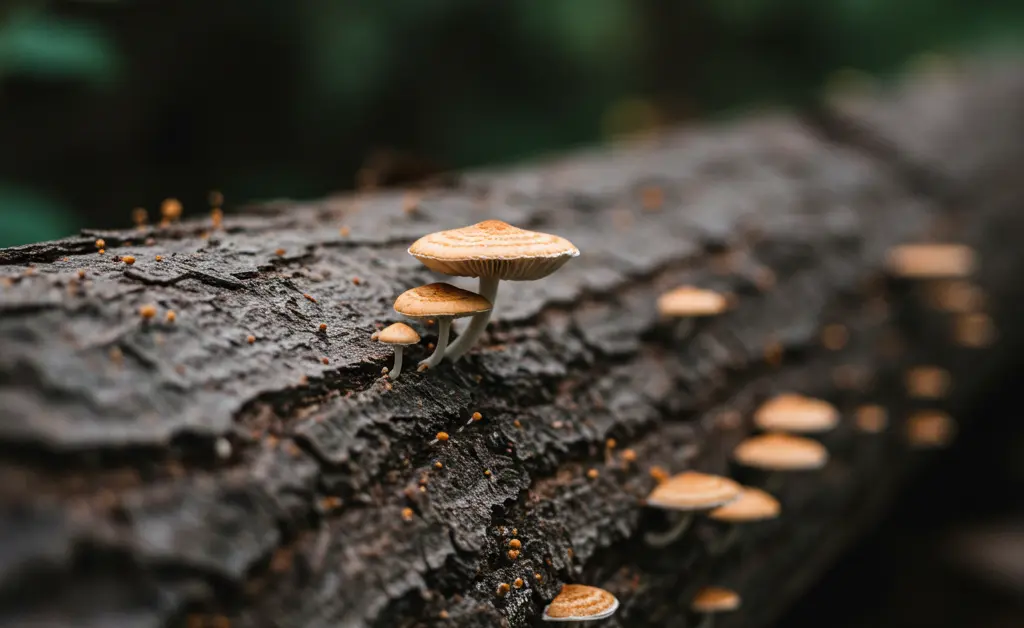
A mushroom log is essentially a piece of hardwood that has been inoculated with mushroom mycelium, the vegetative root-like network of the fungus. The mycelium colonizes the log, breaking down the wood for nutrients. Under the right environmental conditions, this colonization process can eventually lead to the fruiting of mushrooms. While some suppliers offer a pre-inoculated morel mushroom log, many kits are designed to create a “spawn bed” in the soil, using wood chips and other substrates to mimic the natural forest floor environment where morels thrive. You can find more information on morel mushroom growing kits.
Making Your Own Mushroom Log
Creating a DIY mushroom log is an engaging project for the dedicated hobbyist. The process begins with sourcing appropriate hardwood logs. Knowledge from foraging is helpful here; morels in the wild are often found near specific trees like elm, ash, poplar, and old apple trees. Using logs from these species may improve the chances of success. The logs should be from healthy trees and harvested during their dormant season.
The next step is inoculation. This involves introducing morel spawn into the log. Morel spawn, which contains the live mycelium, can be purchased from specialized suppliers. The most common method involves drilling a pattern of holes into the log, filling them with the spawn, and then sealing the holes with a food-safe wax. This wax protects the mycelium from drying out and from contamination by other competing fungi. After inoculation, the log enters a long colonization phase, requiring patience and proper care before any potential fruiting may occur. For those interested in starting their own patch, consider exploring morel mushroom seeds.
Morel Mushroom Log: Where to Buy and For Sale
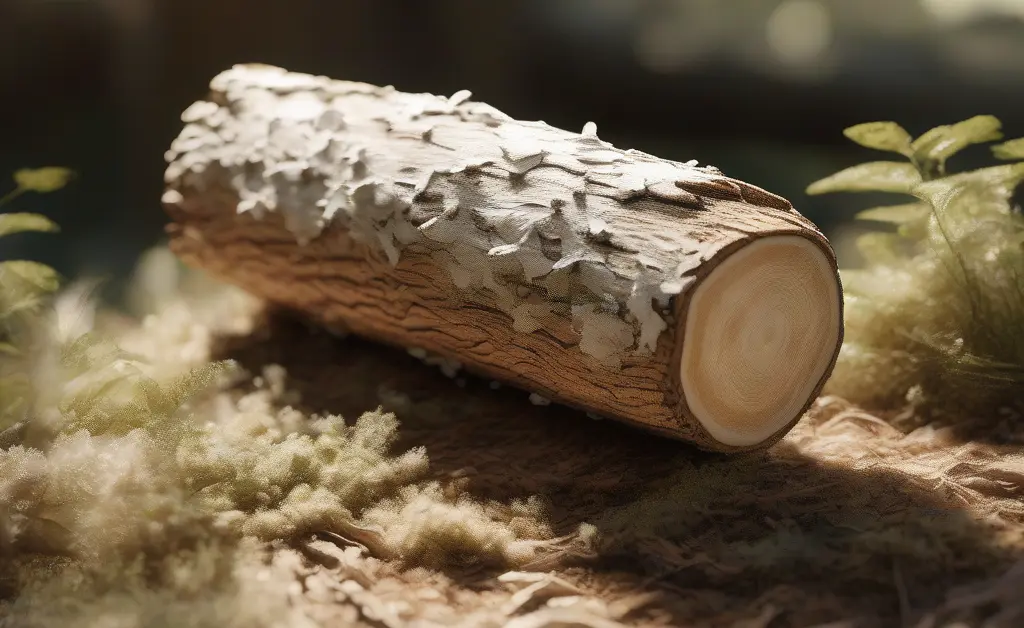
For those who prefer a more direct approach, purchasing a pre-made kit or spawn is the most common route. These products are typically sold by specialized online retailers and mycological supply companies that cater to gourmet mushroom cultivation. You are unlikely to find them at a general garden center due to their niche nature and the expertise required to produce viable spawn. These kits can come in several forms, from fully inoculated logs ready for placement to spawn bags meant for starting an outdoor morel patch. Look for a quality morel mushroom growing kit when you are ready to begin.
When searching for a supplier, look for companies with a strong reputation in the mycology community. Customer reviews and detailed product descriptions can offer insight into the quality of the spawn and the likelihood of success. Keep in mind that the availability of a morel mushroom log or kit can be seasonal, often aligning with the natural spring growing season when cultivators are preparing their garden beds.
Morel Mushroom Log Price and Availability Near Me
Finding a local supplier for morel mushroom kits can be challenging. The majority of sales occur online, shipped directly to the customer. When you search for availability “near me,” you are most likely to be directed to these national e-commerce suppliers. The price of morel kits and spawn is generally higher than that for more common species like oyster mushrooms. This price reflects the difficulty and specialized knowledge required to propagate morel mycelium reliably. Research on fungi cultivation is ongoing, with organizations like the NIH contributing to scientific understanding.
Costs can vary based on the size of the kit, the amount of spawn provided, and the reputation of the vendor. A small bag of spawn for starting a patch will be less expensive than a large, pre-inoculated log. When considering a purchase, factor in the understanding that cultivation is experimental and a harvest is not guaranteed, making it a project of passion as much as production.
Morel Mushroom Log Care and Longevity

Proper care is critical for giving your mushroom log or patch the best chance to produce. The key is to replicate the conditions of a forest floor in early spring. This means finding a location that is shady, cool, and can be kept consistently moist but not waterlogged. An ideal spot might be under a dense tree canopy or on the north side of a building where it is protected from direct sun.
After placing your morel mushroom log or preparing your outdoor patch, the waiting period begins. The mycelium needs time to colonize its new environment, a process that can take many months or even more than a year. During this time, your main task is to monitor moisture levels, providing water during dry spells to prevent the substrate from completely drying out. With patience and the right conditions, you may be rewarded with morels emerging in the spring. If successful, a well-maintained patch can potentially produce mushrooms for several years, though the yield can be unpredictable from one season to the next.
Cultivating morel mushrooms is a journey that blends science, patience, and a bit of luck. While foraging for wild morels offers the thrill of the hunt, growing them at home provides a different kind of satisfaction. Using mushroom logs or spawn kits brings the life cycle of this gourmet delicacy into your own backyard. It is a long-term project that requires realistic expectations, as success is never guaranteed with this notoriously elusive fungus. For the dedicated enthusiast, however, the possibility of harvesting homegrown morels makes the effort a worthwhile and fascinating endeavor.
This information is provided for educational purposes only. It is not intended as a substitute for professional mycological or horticultural advice. Mushroom cultivation involves variables that can impact success, and outcomes are not guaranteed. When foraging, never consume a wild mushroom unless you are absolutely certain of its identification, as many poisonous species can resemble edible ones. Always consult with a local expert if you have any doubts.
FAQ
What are functional mushrooms?
Functional mushrooms are varieties of mushrooms that have been studied for their potential to support various bodily functions beyond basic nutrition. They contain compounds that interact with the body’s systems in specific ways. These mushrooms are often consumed for their unique properties.
How do functional mushrooms work?
Functional mushrooms work by interacting with the body’s systems through their rich array of bioactive compounds, such as beta-glucans and triterpenes. These compounds can influence the immune system, cognitive function, and stress response. The specific effects depend on the type of mushroom and its unique chemical profile.
Are all mushrooms functional?
While all mushrooms offer nutritional value, the term “functional mushrooms” specifically refers to those recognized for their beneficial compounds that go beyond simple sustenance. Culinary mushrooms like white button or cremini are primarily eaten for flavor and texture, whereas functional varieties like Reishi or Lion’s Mane are valued for their potential health-supporting properties. Not all mushrooms are suitable for consumption or possess these specific bioactives.
What is a morel mushroom log?
A morel mushroom log is a specially prepared piece of wood, typically from hardwood species, inoculated with morel mushroom spawn. This process allows enthusiasts to cultivate morel mushrooms at home, providing a natural substrate for their growth. Successfully cultivating a morel mushroom log can yield a harvest of these prized gourmet mushrooms.
What are the benefits of functional mushrooms?
Functional mushrooms are known for their potential to support immune health, enhance cognitive function, and promote a balanced stress response. They contain unique compounds that can interact with the body’s natural processes. Research continues to explore the full spectrum of benefits offered by these natural powerhouses.