
Have you ever returned from a foraging trip empty-handed or tried to cultivate these elusive fungi in your backyard only to be met with disappointment? Morels are notoriously picky, and failure to replicate their specific habitat is a common frustration for aspiring growers. The secret to success isn’t just about luck; it’s a deep understanding of the precise environmental triggers that encourage their growth. Mastering the right combination of soil composition, temperature, moisture, and even companion plants can transform a barren patch into a thriving colony. This guide breaks down the ideal morel mushroom growing conditions, providing the specific parameters you need to create the perfect habitat and finally achieve a successful harvest right at home.
Morel Mushroom Growing Conditions Explained
Understanding the life cycle of the morel mushroom is the first step toward successfully finding or cultivating it. These fungi are not like typical plants. They exist for most of the year as a vast underground network of thread-like cells called mycelium. The mushroom we see and harvest is simply the fruiting body of this larger organism, which emerges only when a specific set of environmental signals align perfectly. These signals involve a complex interplay of soil composition, moisture levels, and temperature fluctuations that tell the mycelium it’s time to reproduce.
What Conditions Do Morel Mushrooms Favor for Growth?
Morels favor loamy soil that is rich in organic matter and has good drainage. Compacted, heavy clay or overly sandy soils are generally less productive. The soil’s pH also plays a role, with morels often appearing in soils that are near neutral or slightly alkaline. A consistent level of moisture is critical; the ground should be damp but not waterlogged. Spring rains followed by warmer, sunnier days often create the perfect combination of moisture and evaporation that encourages fruiting. Getting these factors right is central to replicating the ideal morel mushroom growing conditions, as the mycelial network depends on this delicate balance to thrive and eventually produce the prized mushrooms.
Factors Affecting Morel Mushroom Growth
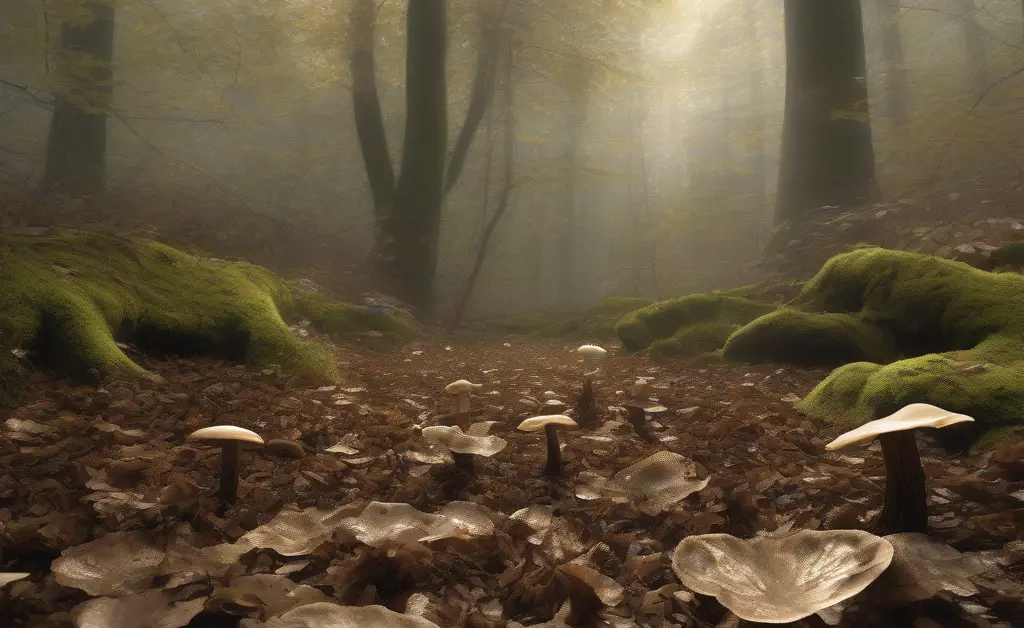
Beyond the basic soil and weather parameters, several other environmental factors significantly influence where and when morels will appear. The type of vegetation in an area is a powerful indicator. Morels are known to form symbiotic or saprophytic relationships with specific trees. Disturbance is another well-documented trigger for morel growth. Areas that have recently experienced events like a forest fire, logging, or even the death of a large tree can often produce a flush of morels in the following spring, as the mycelium capitalizes on the sudden change in resources and competition.
Where Do Morels Grow the Best?
Morels are famously associated with certain types of trees. In many regions, they are commonly found near ash, elm, and old apple orchards. Dying or recently dead elm and ash trees are particularly noteworthy hotspots, as the decomposing root systems provide a rich food source for the morel mycelium. Poplar and cottonwood trees are also common companions. When foraging, focusing your search around the base of these specific tree species can dramatically increase your chances of success. The forest floor composition matters as well; a healthy layer of leaf litter can help maintain the soil moisture and temperature that morels need.
Preferred Slope Directions
The direction a slope faces can have a profound impact on morel hunting, especially early in the season. South- and west-facing slopes receive more direct sunlight, causing the ground to warm up faster in the spring. This means these are often the first places where morels will begin to appear. As the season progresses and ambient temperatures rise, the hunt often shifts to north- and east-facing slopes. These areas remain cooler and retain moisture for longer, providing a later-season habitat for fruiting after the sunnier slopes have become too warm and dry.
Optimal Conditions for Morel Mushroom Growth
Achieving the optimal conditions for morel growth requires paying close attention to temperature, both in the air and in the ground. Morels have a relatively narrow window in which they fruit, and missing this period means waiting until the next year. This window is opened by a consistent warming trend in the spring, signaling the end of winter freezes and the beginning of a period of active growth for the forest ecosystem. Consistent moisture from spring showers is the final piece of the puzzle, ensuring the developing mushrooms do not dry out before reaching maturity. When all these elements align, the chances of a successful harvest are at their highest.
Morel Mushroom Temperature Range
Morels begin to fruit when daytime air temperatures consistently stay within a mild range and nighttime temperatures no longer drop to freezing. A sustained period of cool, but not cold, nights and moderately warm days is a classic trigger. If temperatures rise too quickly or a sudden heatwave occurs, the morel season can end abruptly. Conversely, a late-season cold snap can pause their growth. This sensitivity to air temperature is why the morel season can vary in length and timing from year to year.
Ground Temperature Thresholds
Perhaps the most critical factor is the ground temperature. The morel mycelium will not begin to produce mushrooms until the soil reaches and maintains a specific temperature threshold. Foragers and cultivators often use soil thermometers to monitor this. The soil needs to be warm enough to stimulate growth but not so warm that it becomes inhospitable. The ideal ground temperature window is often what dictates the start of the season, typically occurring a week or two after the last frost. Replicating this thermal shift is a key challenge when attempting to create favorable morel mushroom growing conditions in a controlled setting.
Temperature Requirements for Morels
The temperature requirements for morels are dynamic and change throughout their growth cycle. The underground mycelium can survive freezing winter temperatures, lying dormant in the soil. However, for the fruiting process to begin, a distinct sequence of temperature changes is needed. A period of cold stratification during winter is often considered necessary, followed by the gradual warming of the soil in spring. This temperature fluctuation, combined with adequate moisture, is the primary signal that initiates the formation of the mushroom. Understanding these specific thermal needs is crucial for anyone trying to predict the start of the season or cultivate these fungi, as it goes beyond simply having warm weather. The intricate relationship between air and soil temperature is a cornerstone of the morel mushroom growing conditions that lead to a successful flush.
This article aims to inform, not to replace professional healthcare advice. The information provided is for educational purposes regarding the environmental conditions for mushroom growth and is not intended to guide consumption or identification. Never consume a wild mushroom unless you are completely certain of its identity, as many poisonous species can resemble edible ones. Always consult with a qualified mycologist or foraging expert before eating any wild fungi.
Creating the ideal environment for morel mushrooms is a multifaceted endeavor, combining specific soil conditions, precise moisture levels, and carefully managed temperatures. Successful morel mushroom cultivation hinges on understanding these intricate ecological needs. By diligently replicating these conditions, aspiring growers can significantly enhance their chances of a bountiful harvest.
For those curious about the speed at which these prized fungi develop, understanding the morel mushroom growth rate is essential. This knowledge can help manage expectations and refine cultivation strategies.
If you are interested in learning how to grow morels in Hindi, detailed instructions are available. This resource can be particularly helpful for those looking for region-specific guidance on morel mushroom kaise ugaye (how to grow morel mushrooms).
For an easier entry into mushroom growing, consider using a morel mushroom growing kit. These kits often provide the necessary components and instructions to simplify the cultivation process for beginners. The NHS provides extensive health information; for details on general health advice, one can refer to the NHS website.
FAQ
What ground temperature do morels need to grow?
Morels typically require soil temperatures between 55 and 65 degrees Fahrenheit for fruiting to begin. This specific temperature range is crucial for triggering the underground mycelial network to produce the visible mushrooms. Warmer temperatures within this window, especially after periods of rain, are often when morels are most commonly found.
What kind of slopes do morels grow on?
Morels are often found on slopes that offer good drainage. They can be observed on both north and south-facing slopes, with the specific orientation sometimes influencing the timing of their emergence based on sun exposure and soil moisture. The key factor is usually not the slope itself, but the associated environmental conditions it helps create.
Where do morels like to grow?
Morels have a preference for disturbed ground, often appearing in areas where the soil has been recently impacted, such as after fires, logging, or along stream banks. They are frequently associated with specific tree species like ash, elm, and oak, particularly in moist, well-drained soils. Understanding these morel mushroom growing conditions is key to finding them.
What temperature is too cold for morels?
While morels require cool spring temperatures to initiate growth, prolonged freezing conditions are too cold for their fruiting bodies to develop. Sub-freezing temperatures can damage the delicate fungal structures, preventing mushroom formation. The mycelium itself can survive colder temperatures, but the visible mushroom stage is sensitive to hard freezes.