As home kitchens increasingly transform into culinary laboratories, the quest for unique and flavorful ingredients has never been more pronounced. Food enthusiasts are moving beyond standard grocery store fare, seeking out gourmet items like the elusive morel mushroom to elevate their dishes. This heightened appreciation for fine fungi has created a fascinating opportunity for cultivators and entrepreneurs alike. The challenge of reliably sourcing these prized mushrooms has led many to explore the complexities and potential rewards of establishing their own supply. For those intrigued by this niche agricultural venture, understanding the intricacies of running a successful morel mushroom farm is the essential first step toward turning this culinary trend into a viable business.
Understanding Morel Mushroom Farming
The journey into morel mushroom cultivation is one marked by both scientific challenge and agricultural artistry. For decades, the morel’s complex life cycle and specific environmental triggers made consistent cultivation seem nearly impossible, relegating its supply almost exclusively to wild foraging. However, recent advancements in mycological research have slowly unlocked the secrets to reliably growing these prized fungi in a controlled setting, leading to a growing interest in farming morel mushrooms commercially. Learn more about morel mushroom cultivation.
Feasibility of Commercial Morel Cultivation
Commercial morel cultivation is now a tangible reality, though it remains a highly specialized and demanding field. Unlike many other gourmet mushrooms, morels require a multi-stage process that mimics their natural life cycle, including the formation of an underground structure known as a sclerotium before fruiting can occur. The high market price for morels provides a strong financial incentive, but achieving profitability depends on mastering these intricate biological processes. The feasibility of a commercial operation hinges on significant investment in research, infrastructure, and patience, as it can take several seasons before a harvest is realized.
Insights from Successful Morel Farms
Learning from the pioneers in this field offers valuable insights. Successful growers often share a common dedication to meticulous record-keeping and experimentation. They have typically invested years in refining their techniques, from developing proprietary substrate mixtures to perfecting the environmental cues that signal the mushrooms to fruit. Many successful ventures have found that consistency is key, focusing on replicating specific soil conditions and climate patterns year after year. A successful morel mushroom farm is less a traditional farm and more a scientific laboratory integrated with nature, where careful observation and adaptation are paramount to success.
Essential Requirements for a Morel Mushroom Farm
Establishing a farm dedicated to morel cultivation requires careful planning and a deep understanding of the mushroom’s unique needs. The foundation of any successful operation is built on creating an environment that closely mirrors the ideal conditions found in the wild. This involves more than just planting spores; it requires a holistic approach to land management, soil science, and climate control.
Selecting the Right Site and Environment
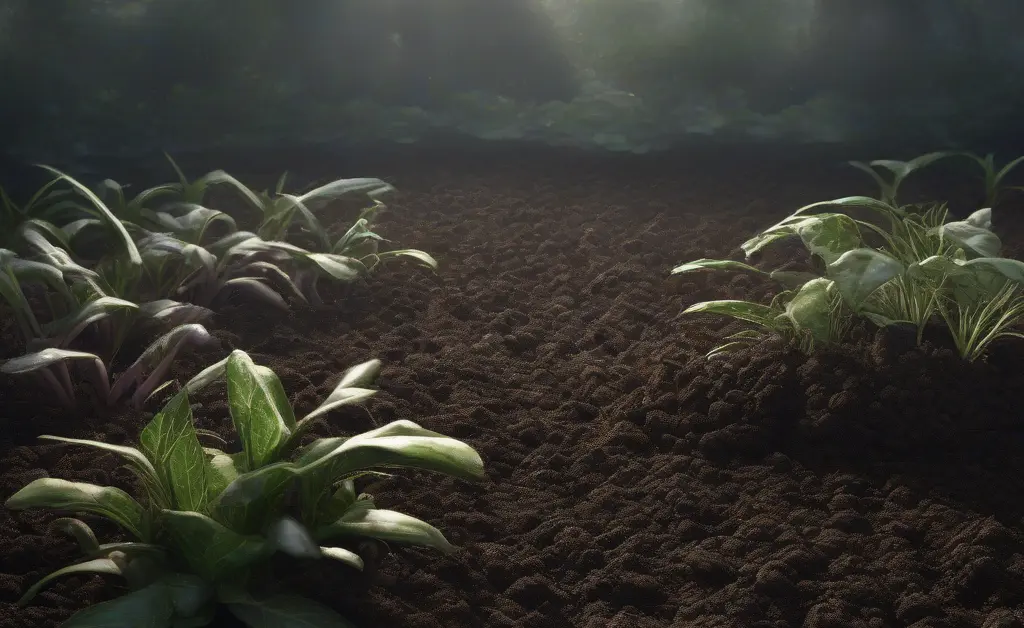
Site selection is arguably the most critical factor in outdoor or semi-wild cultivation. Morels thrive in well-drained, sandy, or loamy soil with a near-neutral pH. The ideal location often features partial shade, mimicking the dappled sunlight of a forest floor. Historically, old apple orchards, areas with dying elm trees, or forests with ash and poplar have been prime hunting grounds, and replicating these symbiotic relationships can be beneficial. Understanding the morel mushroom growing conditions is crucial for success. The site must also be protected from harsh winds and extreme temperature fluctuations. Soil preparation is intensive and may involve amending the native soil with materials like gypsum, peat moss, and wood ash to create the perfect texture and nutrient profile for mycelial growth.
Cultivation Methods for Morel Mushrooms
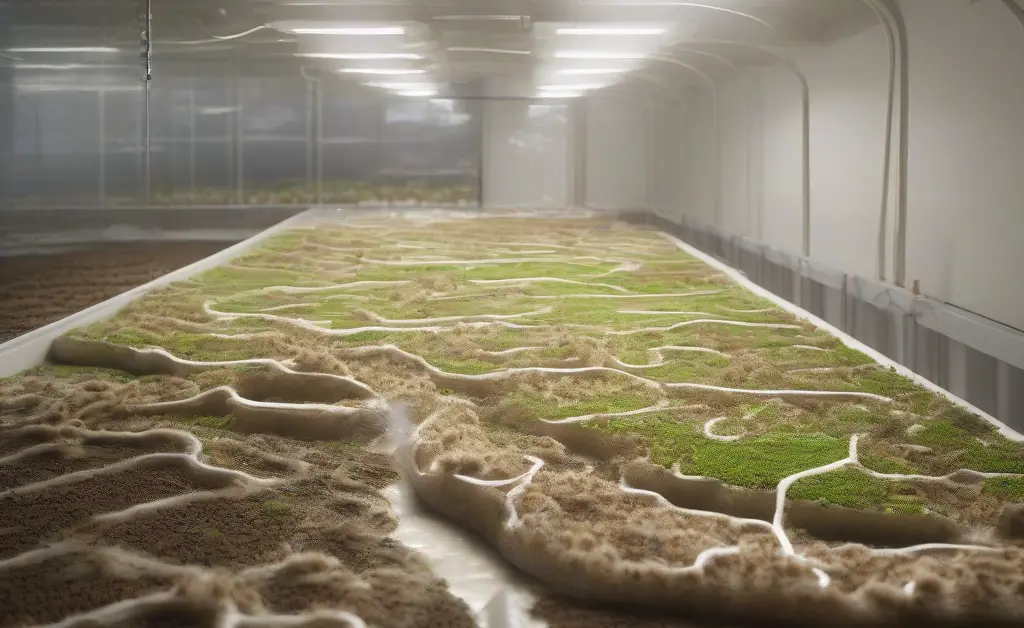
The methods used for morel mushroom cultivation are diverse, ranging from low-intervention outdoor plots to highly controlled indoor facilities. The chosen approach often depends on the cultivator’s goals, resources, and climate. Each method comes with its own set of procedures for inoculation, incubation, and managing environmental conditions to encourage fruiting.
Indoor vs. Outdoor Farming Techniques
Outdoor farming is the most common approach for both hobbyists and some commercial growers. It involves inoculating a prepared outdoor bed with morel spores or mycelium. This method relies on natural seasonal changes to trigger fruiting, making it less predictable but also less expensive to set up. Substrate considerations are vital; layers of hardwood chips, ash, and nutrient-rich soil are often used to create a welcoming environment for the mycelium to colonize. An outdoor morel mushroom farm requires patience, as it can take two or more years for the mycelium to establish before the first potential harvest.
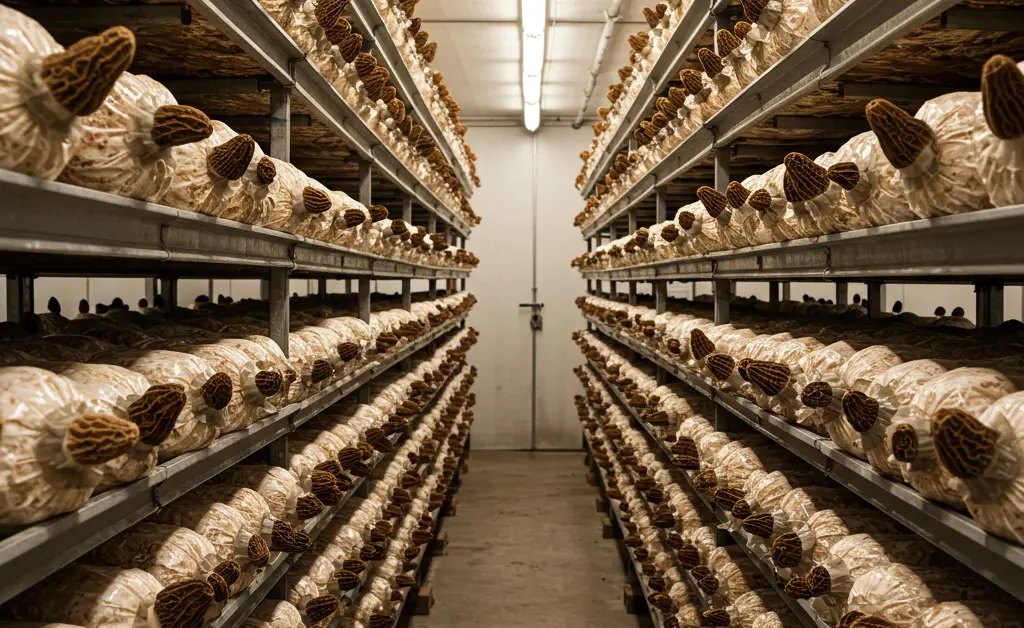
Indoor cultivation, on the other hand, offers complete control over the environment. This method involves growing morels in trays or containers within a climate-controlled facility. Growers can precisely manage temperature, humidity, carbon dioxide levels, and light exposure to simulate the exact conditions needed for each stage of the morel’s life cycle. While this approach can lead to more consistent and predictable yields, it requires a substantial upfront investment in equipment, energy, and specialized knowledge.
Morel Mushroom Farming For Profit
Turning morel cultivation into a profitable business is a long-term endeavor that requires a solid business plan, technical expertise, and resilience. The high demand and premium price for fresh morels can create a lucrative market, but success is not guaranteed. Profitability is directly tied to the ability to produce consistent, high-quality yields, which remains the central challenge of the industry.
Challenges in Establishing a Morel Farm
The path to establishing a morel farm is filled with obstacles. The initial investment can be substantial, particularly for an indoor setup. One of the biggest hurdles is the long and uncertain timeline; it can take years from initial inoculation to the first harvest, with no guarantee of success. Contamination from competing fungi or bacteria is a constant threat that can wipe out an entire crop. Furthermore, mastering the precise environmental triggers for fruiting often involves a steep learning curve with considerable trial and error. Navigating these challenges is essential for anyone aiming to run a profitable morel mushroom farm.
Morel Mushroom Growing Kits
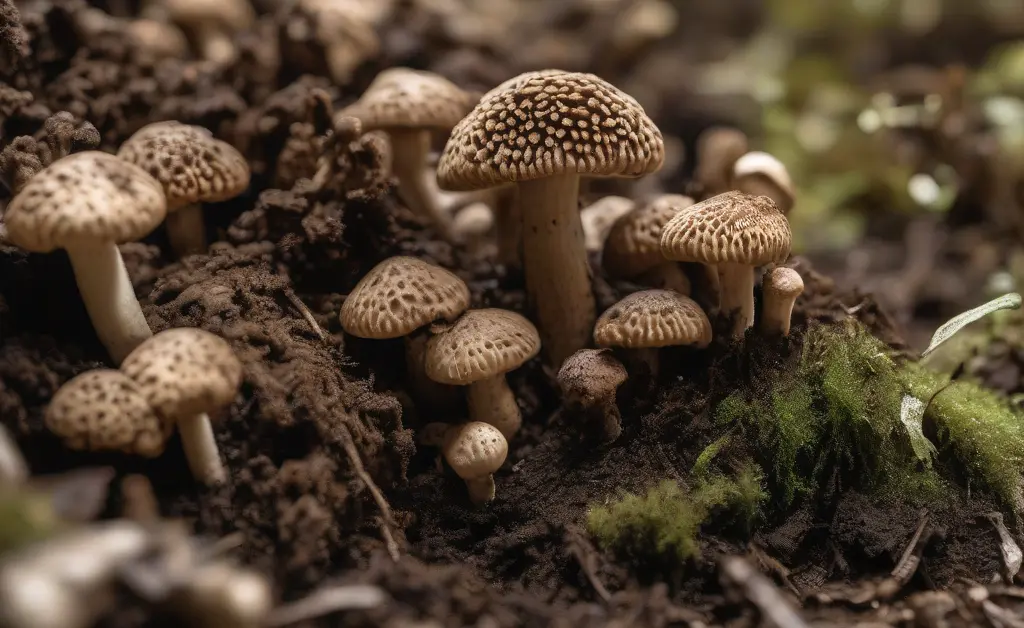
For those curious about morel cultivation but not ready to commit to a full-scale operation, morel mushroom growing kits offer an accessible starting point. These kits typically provide a small amount of morel spawn or mycelium mixed with a carrier substrate, along with instructions for creating a small outdoor patch. They are designed for hobbyists and serve as an excellent educational tool for understanding the mushroom’s basic requirements.
While these kits can be a fun project, it’s important to manage expectations. Success rates can vary widely depending on local climate, soil conditions, and adherence to the instructions. They are not intended for commercial production but can provide a rewarding experience and, if conditions are right, may yield a small, personal supply of these delicious fungi after a year or two. For those interested in specific regions, they may wonder morel mushroom kaise ugaye.
Starting a Morel Mushroom Farm
Embarking on the journey of starting a morel mushroom farm begins with extensive research and careful planning. The first practical step is obtaining high-quality morel spores or mycelium from a reputable supplier. The genetic strain of the morel can impact its adaptability to certain climates and substrates, so choosing the right one is crucial.
The next phase is the inoculation and incubation processes. This involves introducing the mycelium to a carefully prepared substrate, which could be a designated outdoor plot or indoor trays. During incubation, the mycelium colonizes the substrate, forming a dense network. This stage requires stable temperatures and moisture levels to prevent drying out or contamination. Patience is vital, as this colonization phase is slow and foundational for any future fruiting. Detailed tracking is important for this process, which can be managed using a morel mushroom log.
Harvesting and Post-Harvesting Practices
Harvesting is the rewarding culmination of the cultivation process. Identifying ripe morels for harvest is done by visual inspection. Ready-to-pick morels are typically firm with a well-defined cap structure and have reached a sufficient size without showing signs of decay or drying out. They should be carefully cut at the base with a knife to avoid disturbing the underlying mycelium, which may produce more mushrooms in the future.
Post-harvesting practices are critical for maintaining the quality and market value of the crop. Morels are delicate and have a short shelf life when fresh. They should be handled gently and stored in breathable containers in a cool, refrigerated environment. For long-term storage and to reach broader markets, many growers use preservation techniques. Dehydration is the most common method, as it concentrates the flavor and allows the mushrooms to be stored for months or even years without spoilage. Research into mushroom cultivation can be found at sites like Cochrane Library.
While the prospect of cultivating morels is exciting, it remains a frontier in agriculture that blends science with a deep respect for nature’s complexities. The journey from spore to harvest is long and requires dedication, but for those who succeed, the rewards are both culinary and financial. It is a venture best suited for the patient, the meticulous, and the passionate, promising a unique connection to one of the culinary world’s most sought-after treasures.
This information is provided for educational purposes only. It is not intended to be a substitute for professional agricultural, financial, or business advice. Individuals considering starting a commercial farming operation should consult with experts in the relevant fields to assess feasibility and risks. The cultivation of mushrooms carries inherent challenges, and success is not guaranteed.
FAQ
Can you farm morel mushrooms commercially?
Commercial cultivation of morel mushrooms is an area of ongoing research and development. While some success has been reported, it remains a complex process with challenges that differ significantly from cultivating other mushroom species. The specific environmental and nutritional needs of morels present unique obstacles to large-scale production.
What are the requirements for starting a morel mushroom farm?
Establishing a morel mushroom farm involves careful attention to substrate preparation, which often includes specific types of wood products and organic matter. Maintaining precise environmental controls for temperature, humidity, and light is crucial throughout the cultivation cycle. The spawn and inoculation process also requires specialized techniques to encourage fruiting.
How difficult is it to grow morels on a farm?
Growing morels on a farm is considered a challenging endeavor, largely due to their complex life cycle and specific environmental preferences. Unlike many cultivated mushrooms, morels are saprophytic and mycorrhizal, meaning they interact with decaying organic matter and tree roots, which can be difficult to replicate consistently in a controlled setting. Achieving reliable yields requires overcoming significant biological and environmental hurdles.
Where are morel mushrooms farmed successfully?
While wild harvesting remains the primary source for morel mushrooms, successful cultivation efforts have been documented in various regions, often with a focus on controlled greenhouse environments. These locations typically provide the necessary stable conditions for temperature, humidity, and substrate management. Research continues to explore optimal geographic and environmental factors for commercial ventures.
Are there any morel mushroom farms?
Yes, there are experimental and developing morel mushroom farms, though large-scale commercial operations are not yet widespread. These farms often utilize specialized techniques and controlled environments to attempt cultivation, representing a frontier in mycological agriculture. The pursuit of reliable methods for growing morels continues to drive innovation in this niche sector.