
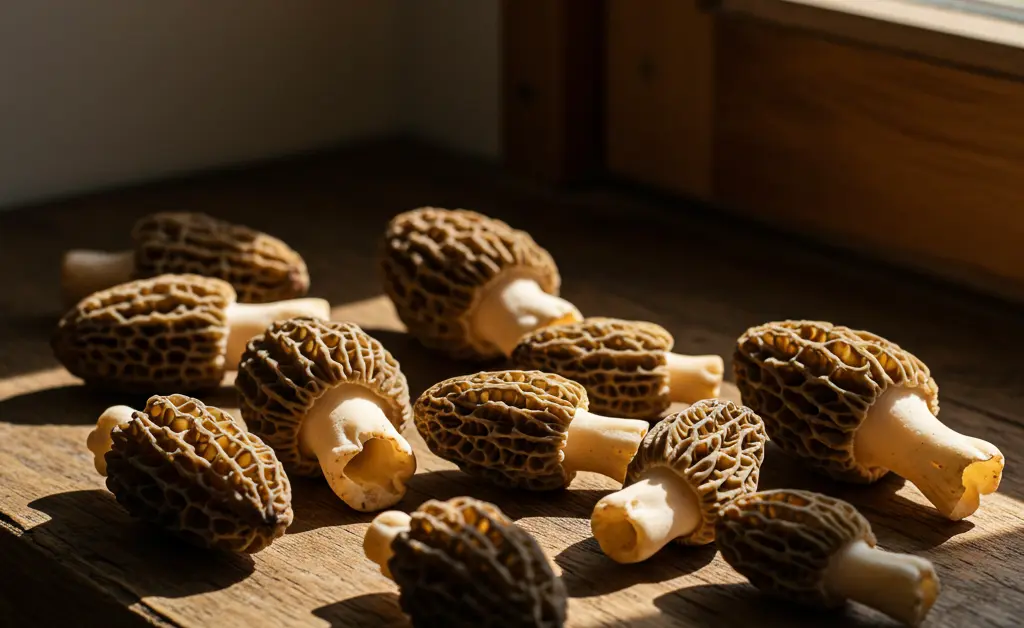
For many aspiring gourmands, the world of wild mushrooms can feel inaccessible, with cost often being a major barrier. You might see a beautiful display of morels at a farmers’ market and walk away, unsure if the price is justified or simply too high. However, by gaining a clear understanding of the market dynamics that influence their value, this uncertainty gives way to strategic and confident purchasing. Instead of guessing, you can evaluate vendors, compare the value between fresh and dried options, and budget effectively for this culinary delicacy. This guide demystifies the costs involved, explaining the typical morel mushroom price per kg and the variables that drive it, turning you from a curious onlooker into a knowledgeable buyer.
Morel Mushroom Price Per Kg
The cost of morel mushrooms is notoriously high, a direct result of their unique biology and the challenges associated with harvesting them. Unlike many common mushroom varieties, morels have proven extremely difficult to cultivate commercially, meaning the vast majority available for sale are foraged from the wild. This reliance on wild harvesting introduces several significant factors that drive up their value. This highlights why morel mushroom expensive.
Seasonality is a primary driver of cost. Morels have a short growing season, typically appearing for only a few weeks in the spring. This limited window of availability creates a surge in demand that supply can often struggle to meet. Furthermore, the difficulty and labor-intensive nature of foraging play a crucial role. Foragers must venture into specific woodland habitats, often in rugged terrain, to locate and carefully hand-pick each mushroom. The yield can be unpredictable, varying year to year based on weather conditions like rainfall and temperature. This scarcity and harvesting difficulty are the fundamental reasons behind the premium cost, directly influencing the final morel mushroom price per kg that consumers see in the market.
Price Comparison: Fresh vs. Dried Morels
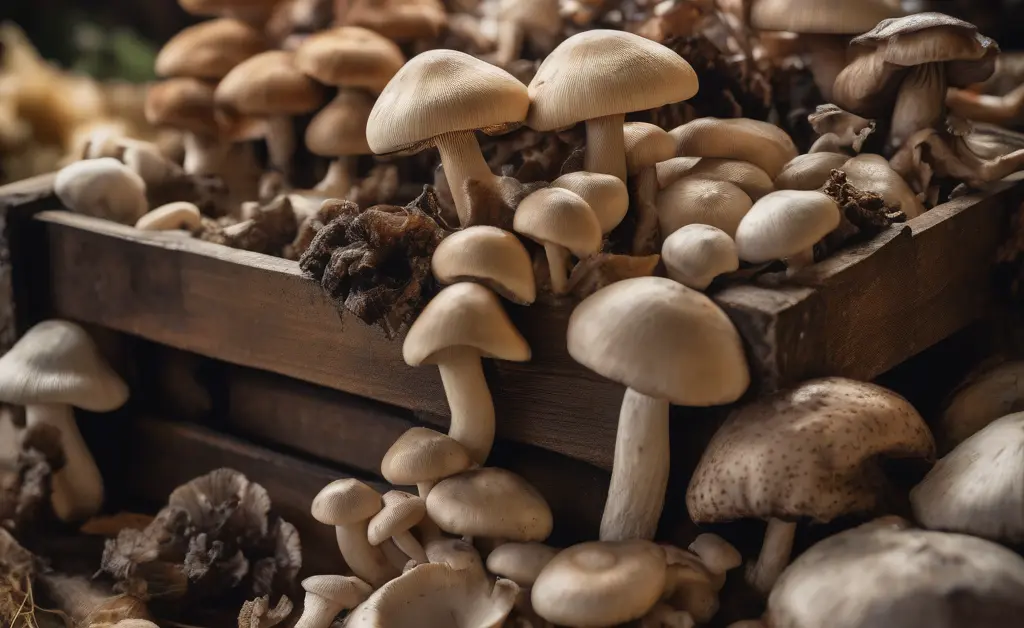
When purchasing morel mushrooms, buyers are typically presented with two options: fresh or dried. Each form has distinct characteristics that affect its cost, shelf life, and culinary use. Understanding these differences is key to making an informed decision that aligns with your budget and needs.
Fresh morels are considered a seasonal luxury. They are prized for their delicate texture, earthy aroma, and rich, nutty flavor, which are at their peak shortly after being harvested. However, their high water content makes them extremely perishable, and they must be used within a few days. This short shelf life, combined with their seasonal scarcity, results in a significant price premium. Consumers pay for the unparalleled experience of cooking with the mushroom in its most natural state.
Dried morels, on the other hand, offer a more practical and often cost-effective alternative. The dehydration process removes all water, concentrating the mushroom’s flavor and making it shelf-stable for months or even years. While the initial upfront cost for a package of dried morels might seem high, it’s important to remember that their weight is significantly reduced. A small quantity of dried morels will expand to a much larger volume once rehydrated, meaning a little goes a long way. When you calculate the rehydrated equivalent, the morel mushroom price per kg can often be more favorable compared to the fresh alternative, especially for those who wish to enjoy them outside of their brief spring season. Consider the morel mushroom price in India for a regional perspective.
Where to Buy Morel Mushrooms and Expected Costs
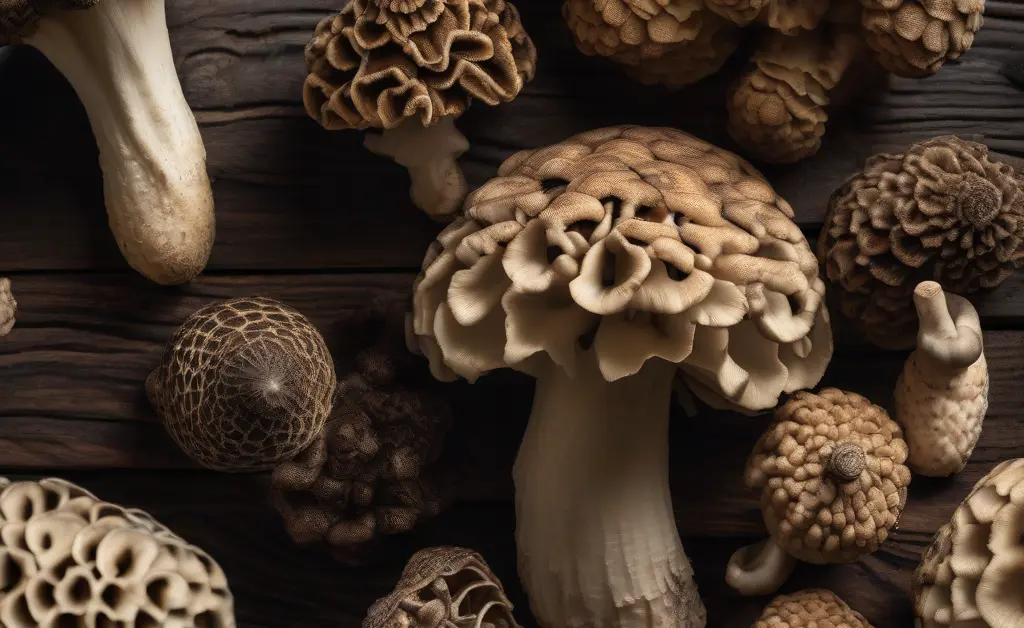
The source from which you purchase morel mushrooms can significantly impact the price you pay. Several different venues offer these prized fungi, each with its own pricing structure and considerations. Knowing where to look can help you find the best balance of quality, freshness, and value.
Local farmers’ markets and direct-from-forager sales are excellent options during the peak spring season. Buying directly from the source often ensures maximum freshness. Prices can sometimes be more competitive than in retail stores, as some of the intermediary costs are removed. However, availability is entirely dependent on the success of the local harvest. Specialty grocery stores and high-end food retailers are more reliable sources, but their prices tend to be higher to account for overhead, transportation, and their own profit margins.
Online retailers have become a popular and convenient way to buy morels, especially dried ones. These vendors can source mushrooms from various regions, offering a consistent supply throughout the year. While convenient, online prices must factor in packaging and shipping costs, which can add to the total expense. When comparing options, it is essential to consider these additional fees to accurately assess the final morel mushroom price per kg and determine the true value of your purchase. You can also find the morel mushroom price in Pakistan.
Converting Morel Mushroom Prices (lb to kg, oz to kg)
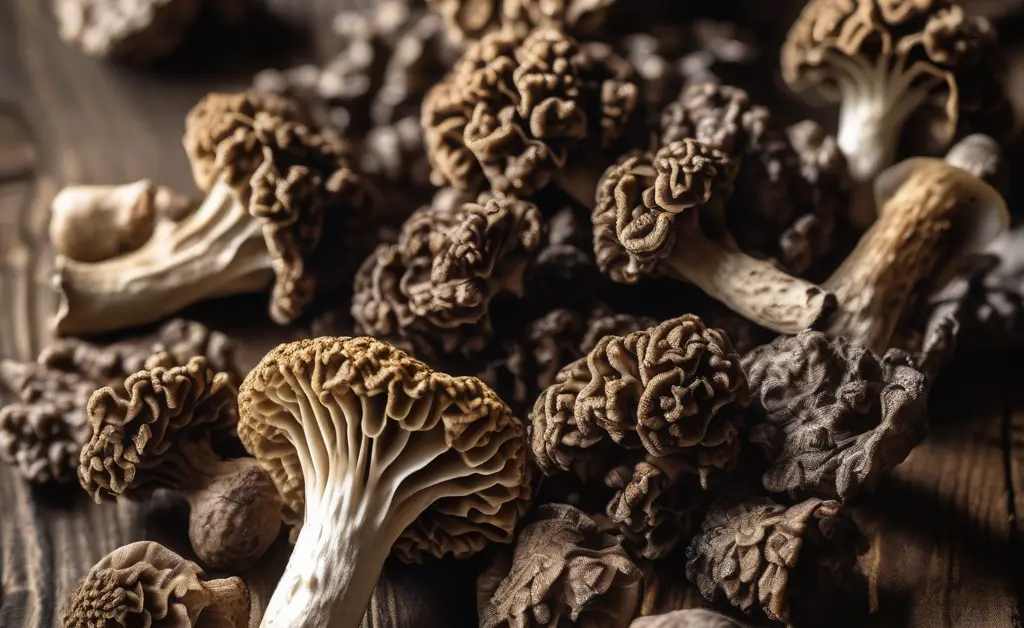
In the global marketplace, and particularly in the United States, morel mushrooms are often priced by the pound (lb) or even by the ounce (oz). For buyers accustomed to the metric system or those looking to make accurate cross-vendor comparisons, understanding how to convert these prices is essential. This knowledge allows you to standardize costs and determine the true morel mushroom price per kg, regardless of the unit of measurement displayed.
The conversion process is straightforward. A kilogram is a larger unit of mass than a pound or an ounce, so the price per kilogram will be higher than the price per pound or ounce, even though the value is the same. To convert a price from pounds to kilograms, you need to multiply the price per pound by the number of pounds in a kilogram. Similarly, to convert from ounces, you multiply the price per ounce by the number of ounces in a kilogram.
Here are the key conversion factors to remember:
- 1 kilogram (kg) is approximately equal to 2.2046 pounds (lb).
- 1 kilogram (kg) is approximately equal to 35.274 ounces (oz).
By using these figures, you can easily calculate the equivalent cost and avoid confusion when faced with different pricing standards. This simple step empowers you to confidently evaluate offers from international online vendors, local markets, and specialty stores on an equal footing.
Ultimately, understanding the factors that influence morel pricing empowers you to purchase this gourmet ingredient with confidence. The high cost is not arbitrary but a reflection of the mushroom’s rarity, the difficulty of wild foraging, and its brief seasonal appearance. By weighing the benefits of fresh versus dried morels, exploring different purchasing avenues, and mastering simple weight conversions, you can navigate the market effectively. You are no longer just a spectator but a knowledgeable buyer, capable of assessing value and making strategic decisions to bring this celebrated delicacy into your kitchen.
This material is shared for educational insight, not for clinical decision-making. The information provided in this article is for general informational purposes only and does not constitute financial or culinary advice. Market prices for food products like morel mushrooms are subject to significant fluctuation based on season, location, and supply. Readers should use their own judgment and research current local market rates before making any purchasing decisions. Always ensure the proper identification of any wild mushroom before consumption. Further scientific insights can be found at [Cochrane Library](https://www.cochranelibrary.com).
FAQ
How much do morel mushrooms typically cost?
The cost of morel mushrooms can vary significantly based on factors like seasonality, origin, and whether they are fresh or dried. While prices can fluctuate, they are generally considered a premium ingredient.
Why are fresh morel mushrooms so expensive?
Fresh morel mushrooms are expensive primarily because they are wild-foraged, making their supply unpredictable and dependent on specific environmental conditions. Their short growing season and the labor-intensive process of harvesting also contribute to their high price.
What is the price difference between fresh and dried morels?
Dried morel mushrooms often have a higher price per unit weight compared to fresh ones. This is because the drying process removes water, concentrating the mushroom’s flavor and weight, and it also extends their shelf life, making them available year-round.
Where is the best place to buy morel mushrooms?
For the freshest and potentially highest quality morel mushrooms, specialty grocers and reputable online retailers focusing on gourmet or wild-foraged foods are excellent sources. Farmers’ markets during the foraging season can also be a good place to find them directly from local harvesters.
How much does a pound of morels cost?
The price for a pound of morels can range widely, often from under $50 to well over $100, depending heavily on the current market availability and quality. This fluctuates due to factors such as the success of the wild harvest.
Do morel prices change throughout the year?
Yes, morel mushroom prices are highly seasonal and change significantly throughout the year. Prices tend to be highest at the beginning of the season and can decrease as the harvest progresses and more supply becomes available.