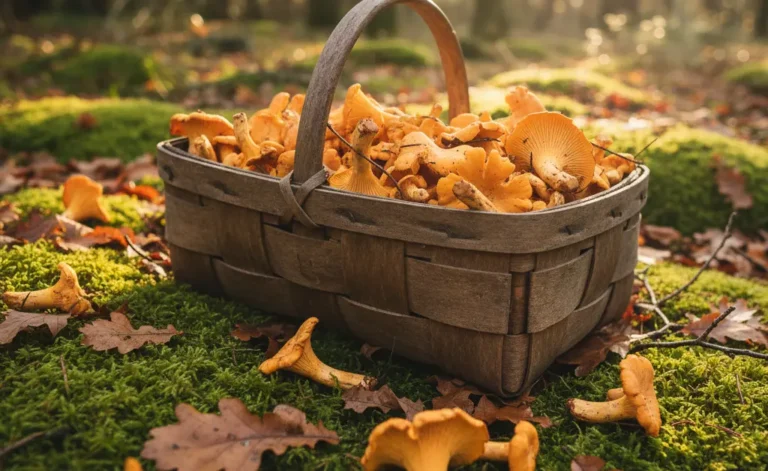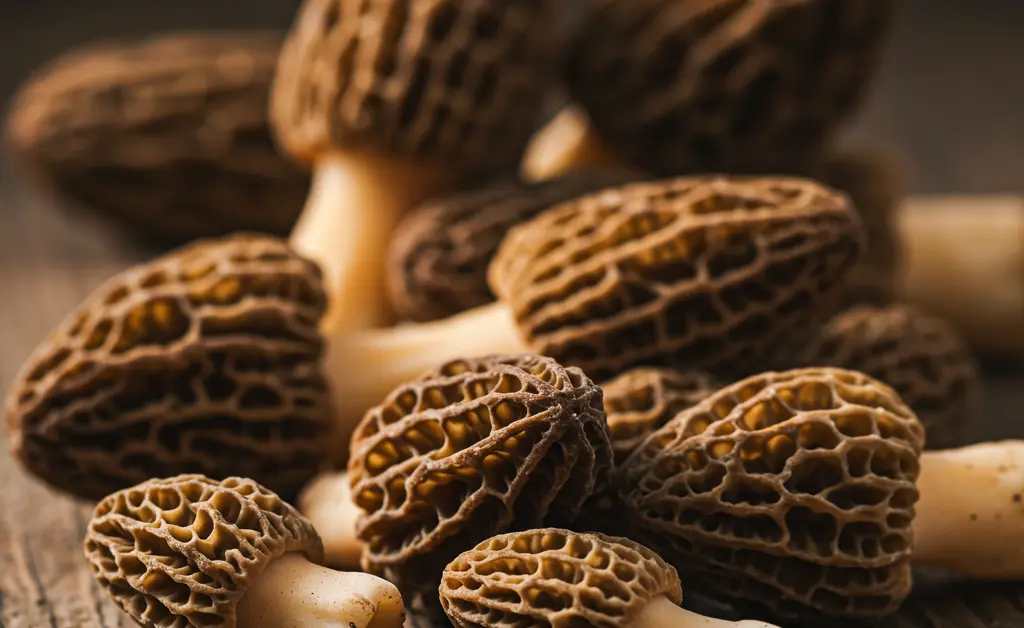
Morel mushrooms are wild fungi, meaning they grow naturally in forest environments rather than on commercial farms. This wild origin is central to their appeal and raises important questions about genetic integrity in today’s food landscape. While genetic modification is often associated with agricultural crops, consumers are increasingly curious about how these practices apply to all food sources, including foraged items. This context helps clarify what consumers are looking for when they seek assurance about their food. It is with this transparency in mind that we want to explain why it’s important that Our Morels are Non-GMO and what that commitment entails for the products you enjoy.
Understanding Non-GMO Morels
The term Non-GMO stands for “non-genetically modified organism.” It refers to foods that have been produced without any form of genetic engineering. While this conversation often centers on agricultural staples like corn and soy, the principles apply to all organisms, including fungi. Understanding this distinction is key to appreciating the natural state of wild mushrooms. For clarity on the regulatory aspects, you can refer to information from the FDA.
Defining Non-GMO for Fungi
For fungi like morels, being non-GMO means that their genetic material has not been altered in a laboratory using genetic engineering or transgenic technology. This practice involves splicing DNA from different species to create new organisms with desired traits, such as resistance to pests or enhanced growth. In the context of morels, a GMO version could theoretically be engineered to grow faster or in different conditions. A non-GMO morel is one that has been allowed to grow and reproduce according to its natural genetic blueprint, free from such artificial intervention. This distinction is crucial for preserving the wild and inherent qualities of the mushroom.
Are Morels Naturally Non-GMO?
Yes, morel mushrooms that are foraged from the wild are inherently non-GMO. They grow and propagate naturally in forest ecosystems, often appearing after wildfires or in specific soil conditions, without any human manipulation of their genes. Their genetic makeup is the result of natural selection over millennia. While the cultivation of morels is an emerging practice where specific strains may be selected for favorable traits, this process is typically a form of controlled breeding, not genetic modification. Our sourcing focuses exclusively on wild-harvested mushrooms, ensuring their natural genetic integrity remains intact. It’s a foundational principle that wild foods are untouched by genetic engineering, which is why we state confidently that Our Morels are Non-GMO. You can buy morel mushrooms here.
Our Commitment to Non-GMO Morels
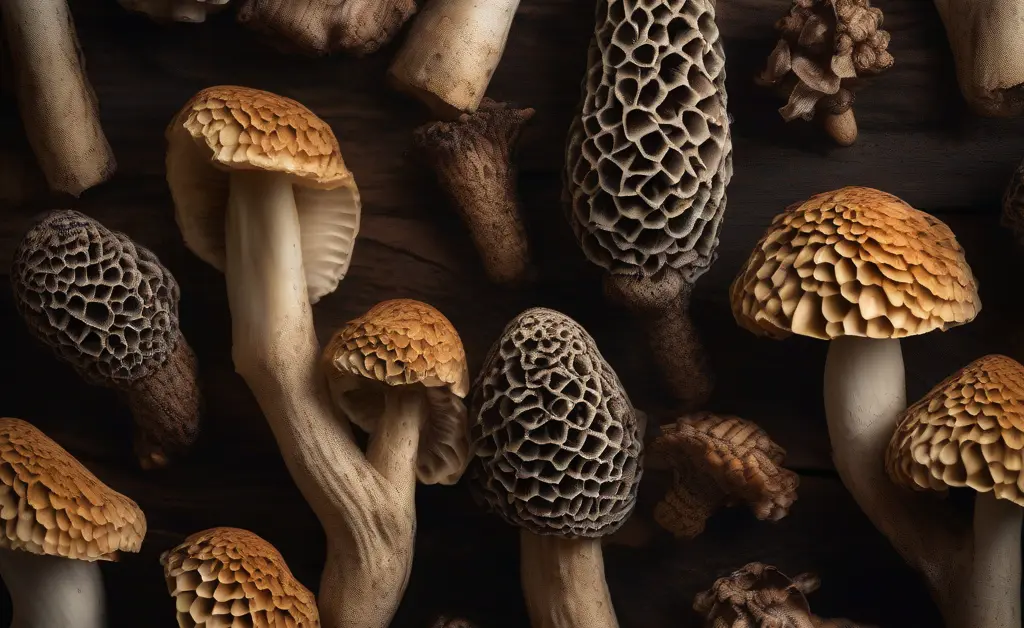
Our pledge extends beyond simply recognizing that wild morels are naturally non-GMO. It involves a proactive and verifiable commitment to sourcing and handling that guarantees the purity and wild origin of every mushroom we provide. This process ensures that the product you receive is genuinely from nature, untainted by modern agricultural modifications.
Ensuring Non-GMO Compliance
To uphold our promise, we have implemented rigorous sourcing and quality control protocols. Our foragers collect morels from remote, pristine forest environments, far from agricultural areas where cross-contamination with GMO crops could theoretically be a concern. Each batch is carefully inspected to confirm its authenticity as a wild specimen. We maintain a transparent supply chain that allows us to trace our mushrooms back to their region of origin. This meticulous approach to sourcing and verification is fundamental to our promise that Our Morels are Non-GMO and of the highest purity. See the morel mushroom map 2026 for harvesting insights.
Benefits of Choosing Non-GMO Morels
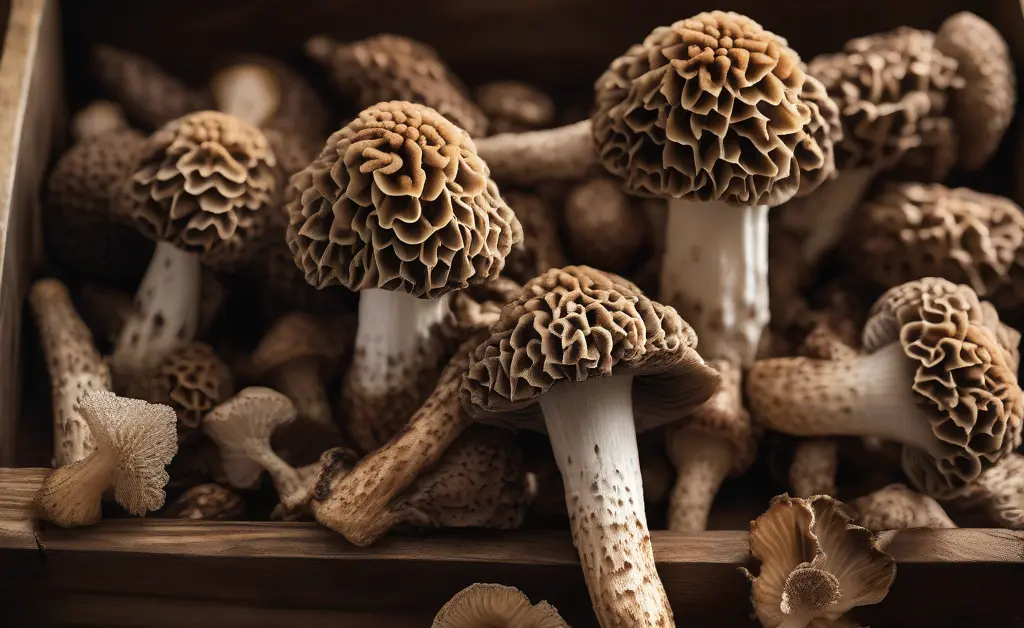
Opting for non-GMO morels offers more than just an assurance of genetic purity; it connects you with food in its most natural state. This choice supports a food system that values transparency and respects natural ecosystems, aligning with the dietary considerations of many health-conscious consumers. For those who prioritize a diet free from genetically engineered ingredients, this guarantee is essential.
The Importance of Non-GMO Labeling
Even for a product that is naturally non-GMO, clear labeling serves a vital purpose. It provides immediate transparency and builds consumer trust. In an increasingly complex food market, a Non-GMO label acts as a clear, unambiguous declaration of our sourcing standards and our commitment to natural products. It assures customers that they are getting a genuinely wild food, free from any form of genetic alteration. This assurance allows you to fully appreciate the unique culinary value of pure morels—their deep, earthy flavor and distinctive texture are direct results of their wild, untampered origins. For those who prioritize clean eating, knowing that Our Morels are Non-GMO provides essential peace of mind. Our wild morel mushrooms are available for purchase, including from morel mushrooms for sale Indiana.
For those interested in international sourcing, consider learning about morel mushroom exporters in France.
In conclusion, the non-GMO status of our morel mushrooms is a direct reflection of their wild origins. By growing naturally in forests, they are free from the genetic modifications found in some parts of the modern food supply. Our commitment is to preserve this natural integrity through careful, verified sourcing from pristine environments. Choosing our non-GMO morels ensures you receive a product that is not only pure but also delivers the authentic flavor and culinary experience that has made this mushroom a prized delicacy for centuries.
Readers should understand that this article does not offer medical diagnosis or treatment. The information provided is intended for educational and informational purposes only and should not be interpreted as a substitute for professional health advice. The content does not make any health claims about the consumption of morel mushrooms. Always consult with a qualified healthcare provider or a registered dietitian for any questions or concerns regarding your health and diet.
FAQ
Are morel mushrooms naturally non-GMO?
Wild morel mushrooms are not genetically modified, as they grow and reproduce naturally without human intervention in their genetic makeup. Their genetic structure is a product of natural selection and evolution over millennia.
What makes morels non-GMO?
Morels are non-GMO because their genetic material has not been altered through laboratory techniques to introduce or remove specific genes. This natural state means they are not the result of genetic engineering.
How is non-GMO status verified for mushrooms?
Verification of non-GMO status for mushrooms typically involves rigorous testing and traceability protocols throughout the cultivation and supply chain. This process ensures that no genetically modified organisms have been used in their development or growth.
Do cultivated morels have GMO varieties?
Currently, there are no commercially available GMO varieties of morel mushrooms. The cultivation of morels relies on traditional methods that do not involve genetic modification. Our Morels are Non-GMO, adhering to these natural cultivation practices.
Why should I choose non-GMO morel mushrooms?
Choosing non-GMO morel mushrooms supports a natural approach to food production, aligning with a preference for products free from genetic engineering. This choice often reflects a desire for foods that maintain their traditional characteristics and are cultivated using established, natural methods.