You’re standing in the produce aisle, planning a stir-fry or a hearty pasta sauce. You see two popular brown mushrooms, but which one should you choose? It’s a common dilemma for home cooks trying to elevate their dishes. While they might look somewhat similar at a glance, their flavors and textures can dramatically change the outcome of your meal. Understanding the core differences is key to making the right culinary decision. This guide breaks down the essential aspects of the shiitake mushroom vs baby bella debate, exploring everything from their distinct umami notes and mouthfeel to their best uses in the kitchen. We will cover their nutritional profiles and offer practical advice on when to use each one, ensuring your next meal has the perfect fungal component.
Shiitake Mushroom vs Baby Bella: Key Differences,Flavor, Texture, and Culinary Uses
While both are popular choices in kitchens worldwide, shiitake and baby bella mushrooms offer distinctly different culinary experiences. Their differences in flavor, aroma, and texture dictate their best uses in recipes. Understanding these key characteristics is the first step toward mastering their roles in your cooking, allowing you to choose the perfect mushroom for any dish.
Are Baby Bella the Same as Shiitake?
No, baby bella and shiitake mushrooms are not the same. They belong to entirely different mushroom species. Shiitake mushrooms (Lentinula edodes) are native to East Asia and have been cultivated for centuries, growing on decaying hardwood trees. In contrast, baby bella mushrooms (Agaricus bisporus) are a member of the same family as white button mushrooms and portobello mushrooms. In fact, baby bellas are simply a more mature version of the common white button mushroom and an immature version of the large portobello, often marketed under the name “cremini.” It’s worth noting the differences when comparing shiitake mushroom vs cremini for culinary applications.
Edibility: Shiitake Mushroom vs Baby Bella
Both shiitake and baby bella mushrooms are completely edible and widely enjoyed in cooked preparations. For shiitake mushrooms, the stems are known for being particularly tough and fibrous. Most chefs remove these woody stems before cooking the caps, but they are excellent for adding a deep, savory flavor to stocks and broths. Baby bella stems, on the other hand, are much more tender and are typically left attached and cooked along with the caps. While some mushrooms can be eaten raw, both shiitake and baby bellas develop a richer flavor and more pleasing texture when cooked.
Flavor Profile, Aroma, and Umami Notes
The most significant divergence between these two mushrooms is in their flavor and aroma. Shiitake mushrooms possess a powerful, smoky, and woodsy flavor. They are celebrated for their intense umami quality, which adds a deep, savory richness to dishes. Their aroma is equally distinct and earthy. Baby bella mushrooms have a milder, more classic “mushroomy” taste. Their flavor is earthy and savory but lacks the potent smokiness of shiitakes. While baby bellas do contain umami compounds, their contribution is more subtle, allowing them to blend seamlessly with other ingredients.
Texture and Appearance Comparison
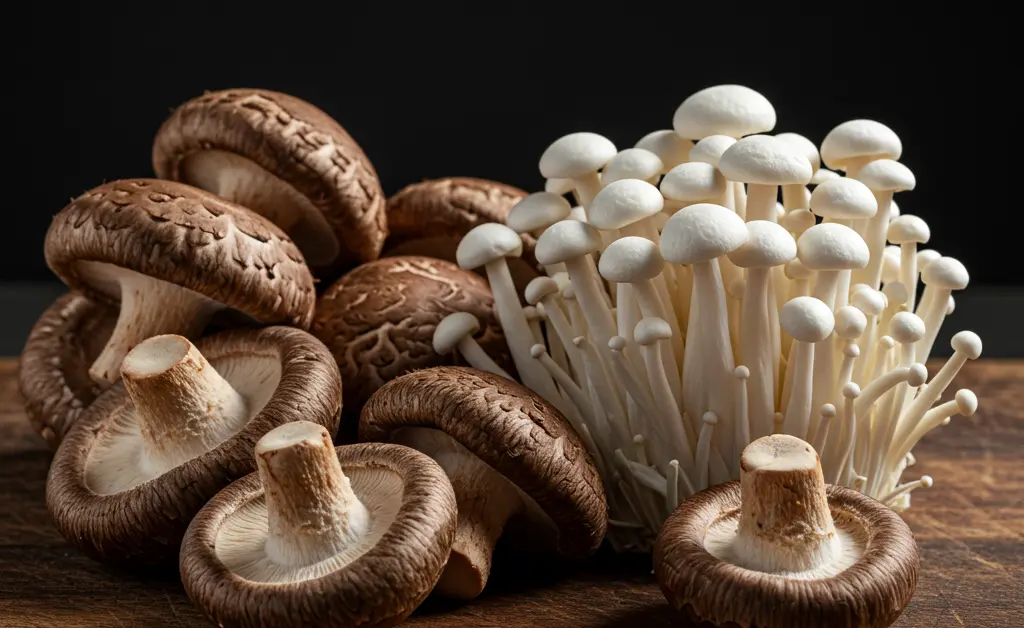
Visually, these mushrooms are easy to tell apart. Shiitake caps are broad and umbrella-shaped, ranging in color from tan to dark brown, often with a slightly cracked surface. Their gills are typically a pale, creamy white. When cooked, their texture becomes wonderfully meaty and chewy, with a unique, almost velvety quality. Baby bellas are rounder and firmer, with a smooth brown cap and dark, well-defined gills. They have a denser, spongier texture that holds its shape well during cooking, making them feel substantial in a dish. The visual and textural contrast in the shiitake mushroom vs baby bella comparison is a key factor for chefs when creating recipes.
Common Culinary Uses for Each
Due to their distinct flavor profiles, each mushroom shines in different culinary applications. Shiitakes are a cornerstone of Asian cuisine, frequently appearing in stir-fries, noodle dishes, and flavorful soups like miso or hot and sour. For those exploring other fungal options, a comparison of shiitake mushroom vs oyster mushroom reveals further culinary diversity. Dried shiitakes are prized for their concentrated flavor and are often rehydrated, with the resulting liquid used as a powerful broth base. Baby bellas, with their incredible versatility, are a staple in Western cooking, especially in Italian and French cuisine. They are perfect for sautéing with garlic and herbs, roasting to bring out their sweetness, stuffing, or adding to pasta sauces, pizzas, and risottos.
When to Choose Each Mushroom
Your choice of mushroom should be guided by the role you want it to play in your dish. Choose shiitake when you want the mushroom’s bold, smoky flavor to be a prominent feature. They are ideal for dishes that need a strong umami kick and a distinctive, gourmet taste. Opt for baby bellas when you need a reliable, all-purpose mushroom that adds satisfying texture and earthy depth without overpowering other components. They are the workhorse of the mushroom world, perfect for everyday meals and recipes where they serve as a complementary ingredient.
Substitution Guide
If a recipe calls for one and you only have the other, you can substitute, but be prepared for a different outcome. Using baby bellas in place of shiitakes will result in a much milder dish that may lack the intended savory punch. You might need to add other umami-rich ingredients like soy sauce to compensate. Conversely, using shiitakes as a substitute for baby bellas will dramatically alter the flavor profile, making it more intense and smoky. It’s best to use a smaller quantity of shiitakes to avoid overwhelming the dish.
Nutritional Value and Health Benefits
Mushrooms are generally regarded as a nutritious addition to a balanced diet, offering a variety of vitamins, minerals, and other compounds. While both shiitake and baby bella mushrooms are low in calories and provide valuable nutrients, their specific profiles have some differences. Exploring the nutritional comparison between shiitake mushroom vs baby bella can help inform dietary choices based on individual wellness goals.
Nutritional Value Comparison
Both mushroom species are a good source of B vitamins, which are important for energy metabolism. They also contain essential minerals like selenium, copper, and potassium. Both provide a notable amount of dietary fiber and are considered a source of plant-based protein. Shiitake mushrooms have been studied for certain compounds, such as specific polysaccharides, that are associated with their traditional use in Asian cultures for supporting general wellness, with further research available from organizations like the NIH. Baby bella (cremini) mushrooms are also nutritionally valuable, providing a solid profile of vitamins and minerals that contribute to a healthy diet. Ultimately, both mushrooms offer unique nutritional attributes and can be incorporated into a wide range of eating patterns. Beyond these, understanding the differences in something like shiitake mushroom vs portabella further enriches one’s knowledge of mushroom varieties.
In the culinary world, both shiitake and baby bella mushrooms hold a well-deserved place. The choice between them is not about which is superior, but which is more suitable for your recipe. Shiitake offers a bold, complex, and smoky flavor with a chewy texture, making it a star ingredient in dishes that call for a powerful umami presence, particularly in Asian cooking. Baby bella provides a milder, earthy taste and a firm texture, serving as a versatile and reliable component in a vast array of cuisines from Italian to American. By understanding their unique characteristics, you can confidently select the right mushroom to elevate your next meal from simple to sensational.
The content provided in this article is intended for informational learning, not clinical application. This information is for general knowledge purposes only and does not constitute medical advice, nor should it be used as a substitute for professional consultation with a qualified healthcare provider. Always seek the guidance of your doctor or other qualified health professional with any questions you may have regarding a medical condition. The nutritional and health-related information presented is based on general research and traditional use and has not been evaluated by the Food and Drug Administration.
FAQ
What is the primary difference in flavor between shiitake and baby bella mushrooms?
Shiitake mushrooms possess a rich, savory, and slightly smoky flavor profile with a meaty texture. Baby bella mushrooms, in contrast, offer a milder, earthier taste and a more delicate texture.
Which mushroom is better for soups and stir-fries, shiitake or baby bella?
Both mushrooms can be delicious in these applications, but shiitake mushrooms lend a deeper, more complex flavor that stands up well to cooking. Their firmer texture also helps them maintain their shape in these dishes.
Can baby bella mushrooms be used as a substitute for shiitake in recipes?
Yes, baby bella mushrooms can be used as a substitute, though the resulting dish will have a different flavor intensity and texture. You may wish to complement the milder flavor of baby bellas with additional savory seasonings in your recipe.
Do shiitake mushrooms offer more umami than baby bella?
Shiitake mushrooms are widely recognized for their high concentration of naturally occurring glutamates, which contribute to a more pronounced umami taste compared to baby bella mushrooms. This rich umami contributes to their distinctive flavor.
Are there any significant nutritional differences between shiitake and baby bella?
While both mushrooms provide valuable nutrients like B vitamins and minerals, shiitake mushrooms are particularly studied for their beta-glucans and other compounds that contribute to immune support. Baby bella mushrooms also contain these beneficial compounds, though typically in different concentrations.