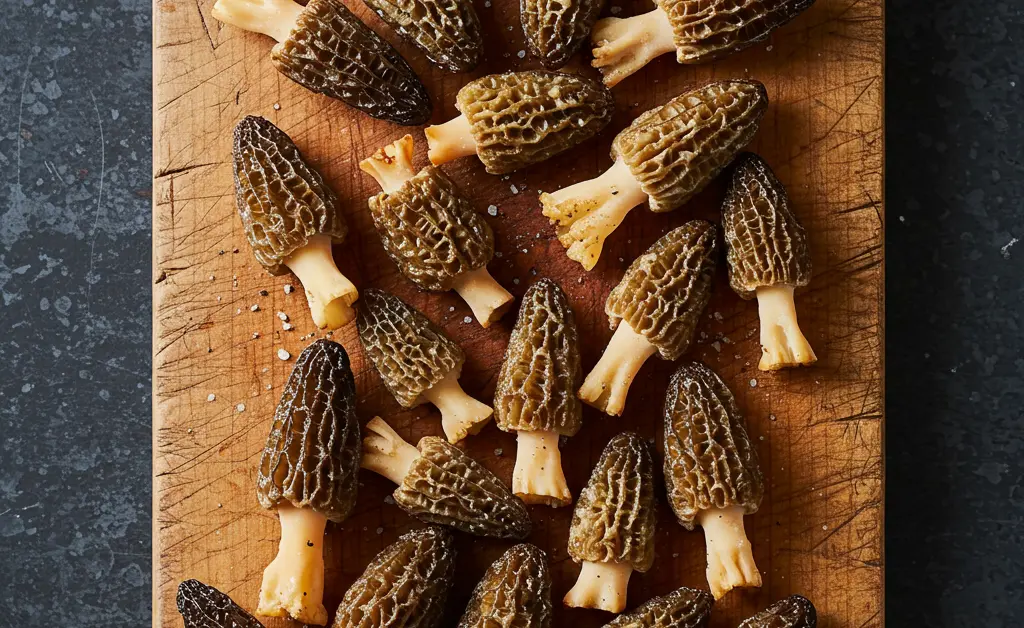
A growing number of home cooks are syncing their kitchens with nature’s calendar, turning the fleeting appearance of wild foods into a major culinary moment. This return to seasonal and foraged ingredients has renewed interest in classic, time-tested preparations that let the ingredient shine. For the coveted morel mushroom, there is perhaps no preparation more beloved than a simple, crispy fry. Achieving that perfect golden-brown exterior while preserving the mushroom’s unique earthy interior is the key to an exceptional dish. This guide is dedicated to providing the best morel mushroom recipes fried to perfection, detailing everything from breading station essentials to the secrets of pan-frying. We’ll ensure you have all the techniques needed to honor this prized find from the forest.
Fried Morel Mushroom Recipes
The beauty of frying morels lies in its simplicity and the way it enhances the mushroom’s natural texture and flavor. While countless variations exist, most fall into two camps: a simple pan-fry in butter that lets the mushroom’s earthy notes shine, or a breaded approach that creates a delightful crunchy crust. Both methods honor the ingredient and have their own dedicated followers. Beyond these frying methods, some culinary traditions also feature morels in other forms, such as a flavorful morel mushroom Chinese soup.
Mama’s Morels Fried in Butter
For many foragers, the most authentic way to enjoy fresh morel mushrooms is a simple sauté in high-quality butter. This nostalgic method, often passed down through generations, is all about purity. After a thorough cleaning, the morels are patted dry and added to a pan of melted, lightly bubbling butter. Seasoned with just a pinch of salt and pepper, they are cooked until tender and the edges begin to crisp. This preparation allows the complex, nutty, and woodsy flavor of the morel to be the star of the show, complemented perfectly by the rich creaminess of the butter.
A Brief History of Fried Morels
The tradition of frying morels is deeply rooted in the rural and foraging cultures of North America and Europe. For centuries, the arrival of morels in the spring has been a celebrated event, signaling the end of a long winter. Frying was a practical and delicious way to prepare this first wild harvest. It required simple ingredients that were readily available—flour, eggs, fat—and turned the delicate mushrooms into a substantial and satisfying meal. This annual ritual has become a cherished tradition, connecting people to the land and the changing of the seasons.
Classic Fried or Breaded Morels
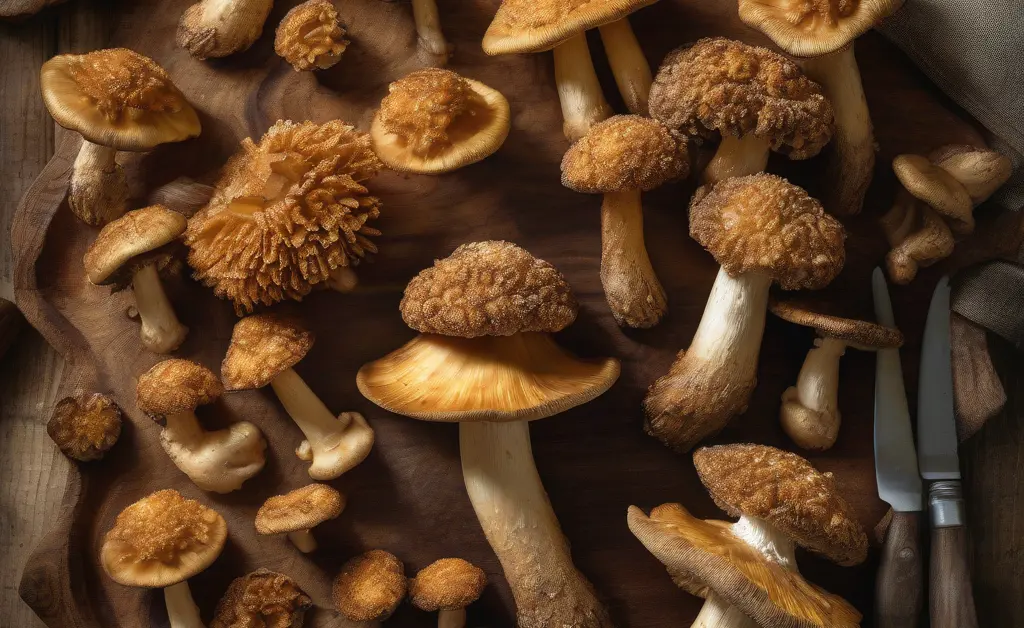
The classic breaded morel is a texture-lover’s dream. This method involves coating the mushrooms in a protective layer that turns wonderfully crispy when fried, creating a perfect contrast to the tender, almost meaty mushroom inside. Many home cooks feel that classic morel mushroom recipes fried with a crispy coating represent the pinnacle of comfort food. The key to success lies in a well-organized breading station and a technique that ensures the coating adheres properly during frying.
Breading Station Essentials
A proper breading station is the foundation of a great fried morel. It typically consists of three shallow dishes arranged in an assembly line. The first dish holds seasoned all-purpose flour, which helps the egg adhere to the mushroom. The second contains the egg wash, usually one or two eggs whisked with a splash of milk or water. This acts as the glue for the final layer. The third dish holds your breading material, which can range from finely crushed saltine crackers or panko breadcrumbs for extra crispiness to simple cornmeal for a more rustic texture.
The Double Dredge Method
For an exceptionally thick and crunchy crust that won’t fall off in the frying pan, the double dredge method is a game-changer. This technique involves an extra step in the breading process. First, the dry mushroom is coated in flour, then dipped in the egg wash, and then returned to the flour. After a second dip in the egg wash, it finally gets its last coat in the breadcrumb or cracker meal mixture. This creates a substantial, durable crust that fries up to a deep golden brown and offers a satisfying crunch with every bite.
Pan Fried Morel Mushrooms
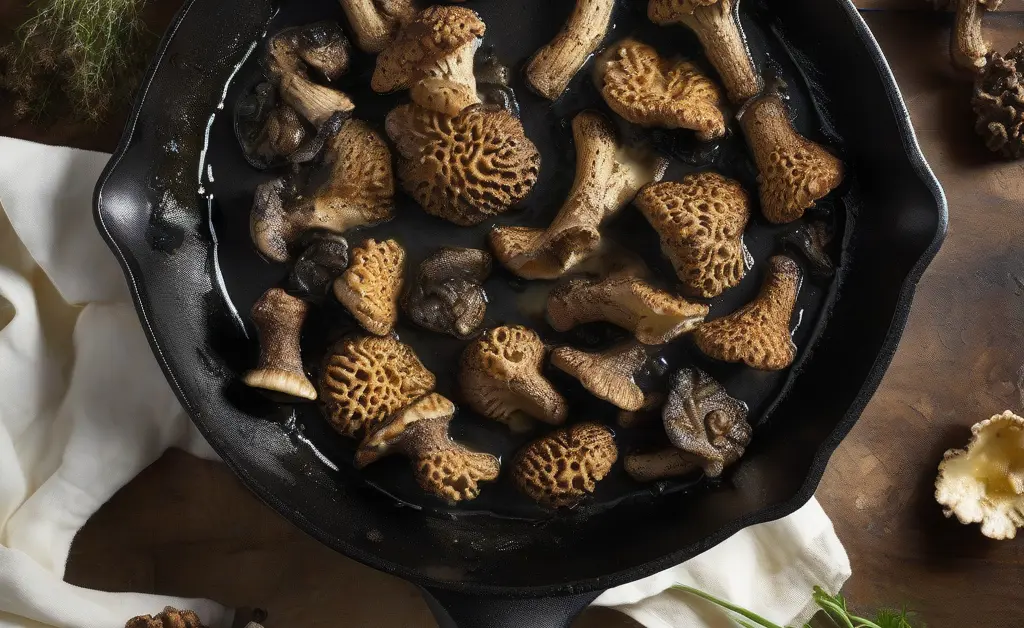
Pan-frying is the most common and effective technique for cooking morels, whether they are simply sautéed in butter or coated in a thick breading. Mastering this method ensures your mushrooms are cooked evenly, develop a beautiful color, and absorb just the right amount of fat to become delicious, not greasy. Success with pan fried morel mushrooms depends on choosing the right fat, managing the heat, and setting up your pan correctly.
Choosing Your Frying Oil
The fat you choose for frying has a significant impact on the final dish. For breaded morels, a neutral oil with a high smoke point is ideal. Options like canola, vegetable, grapeseed, or peanut oil work well because they won’t burn at frying temperatures or impart a strong flavor that would mask the taste of the morels. For a richer flavor, some cooks like to use clarified butter or a mix of oil and butter. The oil prevents the butter from burning while the butter adds its signature flavor.
Optimal Oil Temperature and Pan Setup
Heat management is crucial for achieving crispy, non-greasy morels. The oil should be hot enough to instantly sizzle when a mushroom is added, but not so hot that it smokes. If the oil isn’t hot enough, the breading will absorb too much fat and become soggy. A heavy-bottomed skillet, such as cast iron, is highly recommended as it holds and distributes heat evenly, preventing hot spots and helping to maintain a steady temperature as you add the mushrooms.
Achieving Golden-Brown Results
The secret to a perfect golden-brown exterior is to give the mushrooms space and time. Avoid overcrowding the pan, as this will drop the oil temperature and cause the morels to steam rather than fry. Cook them in batches if necessary, allowing plenty of room between each piece. Let them fry undisturbed on the first side until a deep golden crust has formed before flipping them. Turning them only once helps the breading stay intact and promotes a crispier result.
Ingredients for Perfect Fried Morels
While the morel mushroom is the star, the supporting ingredients play a crucial role in creating a memorable dish. The best morel mushroom recipes fried to perfection rely on a simple but high-quality cast of characters. For a classic breading, you will need all-purpose flour for the initial dredge, eggs and a bit of milk for the binding wash, and your choice of coating. Crushed saltine crackers are a traditional favorite, providing a savory, crisp layer. Panko breadcrumbs offer a lighter, airier crunch. Seasonings are typically kept simple with salt and black pepper, though some enjoy adding garlic powder, onion powder, or a pinch of paprika to the flour for extra flavor.
Preparing Your Morels for Frying
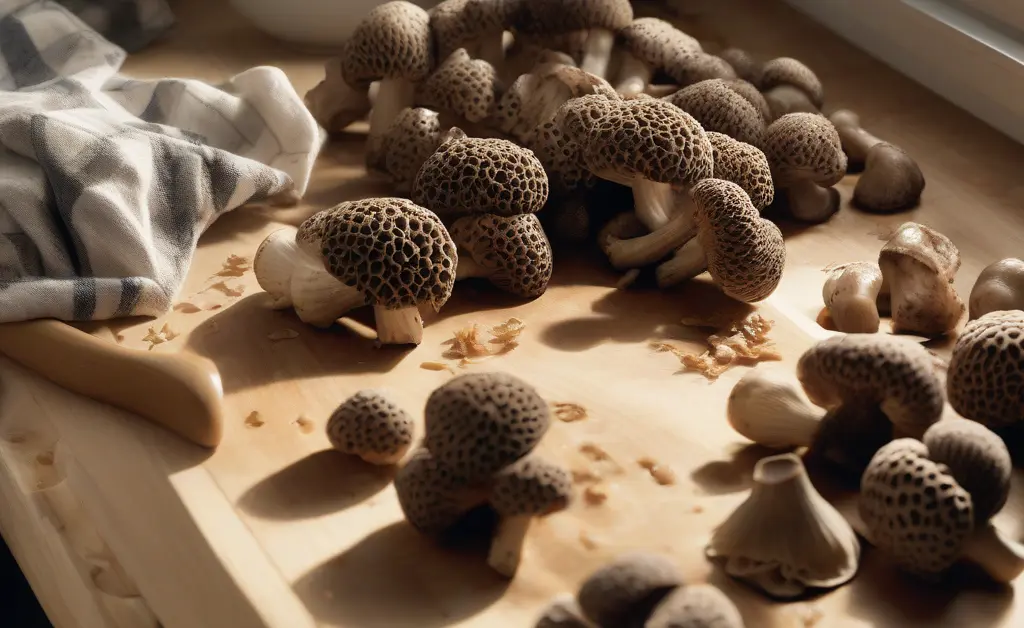
Proper preparation is a non-negotiable step for cooking any wild mushroom, especially morels. Their unique hollow, honeycombed structure can easily trap dirt, sand, and tiny insects from the forest floor. Taking the time to clean them meticulously ensures that your final dish is delicious and free of any unwanted grit. Proper prep is the foundation for all great morel mushroom recipes fried golden brown. For comprehensive information on health and safety, resources like the NIH provide valuable guidance.
Cleaning and Trimming Morels
To clean fresh morels, many experts recommend a quick soak. Submerge the mushrooms in a bowl of cool, lightly salted water for a brief period. This encourages any hidden critters to exit and helps dislodge stubborn dirt. After soaking, gently swish them around and lift them out of the water, leaving the grit behind at the bottom of the bowl. Gently pat them completely dry with paper towels. Trim the very bottom of the stems, and it is wise to slice larger morels in half lengthwise. This not only allows you to inspect the hollow interior for cleanliness but also helps them cook more evenly.
Frying Techniques for Crispy Morels
Beyond the breading and the pan temperature, a few key techniques during and after the frying process can make the difference between good fried morels and truly great ones. These small details ensure that every mushroom is perfectly crispy and ready to be enjoyed at its peak. The final steps are just as important as the initial preparation.
Post-Frying Drainage
How you handle the morels immediately after they come out of the hot oil is critical for maintaining their crispiness. Placing them directly on paper towels is a common mistake; the bottom of the mushroom can steam against the paper and become soft. The superior method is to place the fried morels on a wire cooling rack set over a baking sheet. This allows air to circulate all around the mushroom, wicking away excess oil and preserving the crunchy texture on all sides while they cool slightly.
Serving and Enjoying Your Fried Morels
Once fried to golden perfection, your crispy morels are ready to be served immediately while they are still hot and at their textural best. They are a spectacular appetizer on their own, often needing nothing more than a sprinkle of salt. For a simple but elegant pairing, serve them with a lemon wedge for squeezing or a side of aioli for dipping. Fried morels also make an incredible side dish, complementing a perfectly cooked steak or roasted chicken. They can be used as a decadent topping for creamy pasta dishes, or served alongside simple side dishes like mashed potatoes or fresh asparagus to create a truly memorable meal. For a more refined presentation, some chefs even prepare a delicate morel mushroom jus to enhance the flavor.
The ephemeral nature of morel mushrooms is part of their appeal, making the brief window they are available a special time for cooks and foragers. Mastering the art of frying them is a way to pay tribute to this seasonal treasure. Whether you prefer the unadorned simplicity of a butter-fried morel or the satisfying crunch of a breaded one, the techniques in this guide will help you achieve delicious results. Embrace the process, from cleaning and preparing to frying and serving, and enjoy one of the great culinary pleasures of spring.
Readers should understand that this article does not offer medical diagnosis or treatment. The information provided is for culinary purposes only and should not be considered a substitute for professional advice. It is critical to be 100% certain of your mushroom identification before consumption, as many poisonous species exist. If you are not an expert, consult with a local mycologist or foraging professional to confirm the identity of any wild mushrooms.
What is the best way to clean morel mushrooms before frying?
Morel mushrooms have a unique, honeycomb-like structure that can trap dirt and debris. To clean them effectively, gently brush off any loose soil with a soft brush or a damp paper towel. For more stubborn dirt, a quick rinse under cool water followed by immediate patting dry is sufficient.
How do you bread morel mushrooms for frying?
Breading morels typically involves a three-step process, often referred to as a dredge. First, coat the mushrooms in flour, then dip them in an egg wash, and finally, press them into a mixture of breadcrumbs or panko. This creates a crispy outer layer when fried.
What ingredients are needed for fried morel mushrooms?
Essential ingredients for fried morels include the mushrooms themselves, along with components for the breading such as flour, eggs, and breadcrumbs. Seasonings like salt, pepper, and sometimes garlic powder or paprika are commonly used to enhance flavor. A suitable frying oil is also necessary.
What kind of oil should I use to fry morels?
A neutral-flavored oil with a high smoke point is ideal for frying morels to achieve a golden-brown crisp without imparting an off-flavor. Common choices include vegetable oil, canola oil, or peanut oil. These oils can withstand the heat required for frying without breaking down.
How long do you fry morel mushroom recipes?
Fried morels cook relatively quickly due to their size and moisture content. They typically require just a few minutes per side until they are golden brown and crispy. Overcooking can lead to a tough texture, so vigilance during frying is key.
What temperature should oil be for frying morels?
Maintaining a consistent oil temperature is crucial for achieving perfectly fried morels. The oil is generally heated to around 350°F (175°C). This temperature allows the breading to crisp up nicely before the mushroom interior becomes overcooked.