
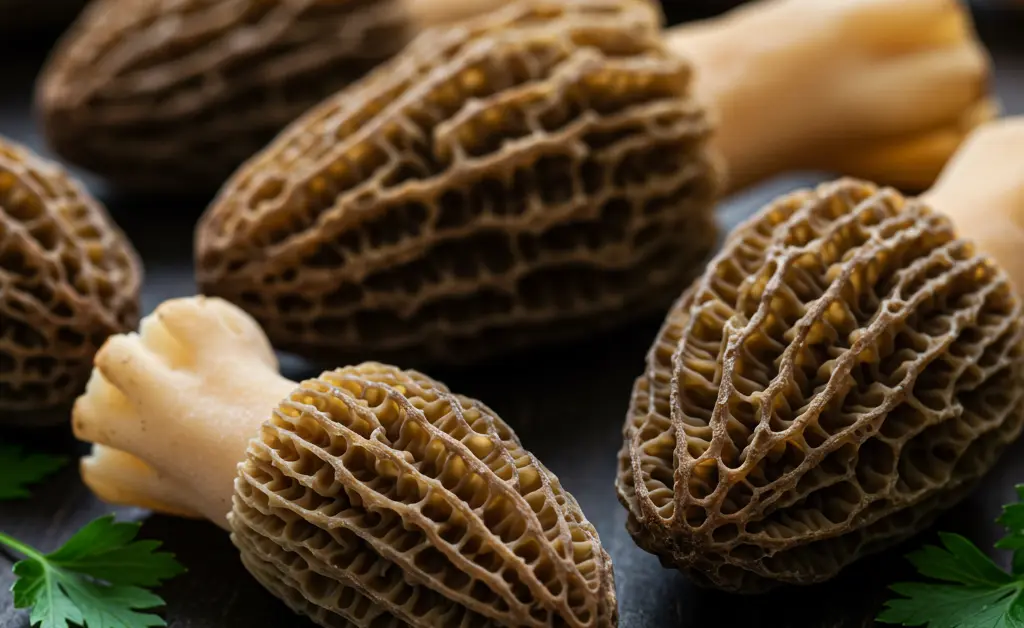
Have you ever held a prized, honeycomb-like morel and wondered how to do it justice in the kitchen? These unique fungi are a seasonal delicacy, celebrated by chefs and foragers for their deep, nutty, and earthy flavor profile. Unlike more common varieties, their hollow structure and delicate texture demand careful attention from cleaning to cooking. Understanding how to properly handle and prepare morel mushrooms for cooking is the essential first step toward unlocking their incredible taste. This guide provides a comprehensive overview of the best methods, from a simple, perfect sauté that lets their natural character shine to incorporating them into more complex dishes. We will cover the techniques you need to confidently turn these forest treasures into a truly memorable meal.
How to Cook Morel Mushrooms: A Complete Guide
Cooking morels is an exercise in celebrating a unique ingredient. Their flavor is so distinct that the best cooking methods are often the simplest, designed to enhance rather than mask their natural character. Whether you’re a seasoned chef or a first-time forager, understanding the fundamentals of preparing and cooking these mushrooms will ensure a delicious outcome.
Preparing Morel Mushrooms for Cooking
Proper preparation is arguably the most critical step. Due to their webbed, hollow structure, morels can harbor dirt, debris, and tiny insects. The first step is always a thorough inspection and cleaning. Many purists advise against using water, suggesting a brush instead. However, a quick rinse is often necessary for a truly clean mushroom.
For fresh morels, a common method is to submerge them briefly in a bowl of cool, lightly salted water. This can help dislodge any hidden grit. After a minute or two, lift them out of the water, rather than pouring the water out, to leave the settled debris behind. Slice the mushrooms in half lengthwise to inspect their hollow interior and ensure they are completely clean. Finally, gently pat them thoroughly dry with paper towels. Excess moisture will prevent them from browning properly, causing them to steam instead of sauté.
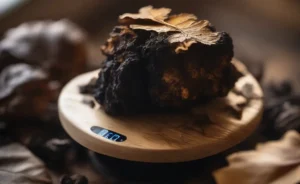
If you are using dried morels, they must be rehydrated. Place them in a bowl and cover with warm water, stock, or wine for about 20-30 minutes, or until they are soft and pliable. Once rehydrated, lift them from the liquid and gently squeeze out any excess. Do not discard the soaking liquid; it is a flavorful broth that can be strained through a coffee filter or fine-mesh sieve to remove any grit and then used to enrich sauces, soups, or risottos.
Dominant Cooking Method: Sautéing Morels
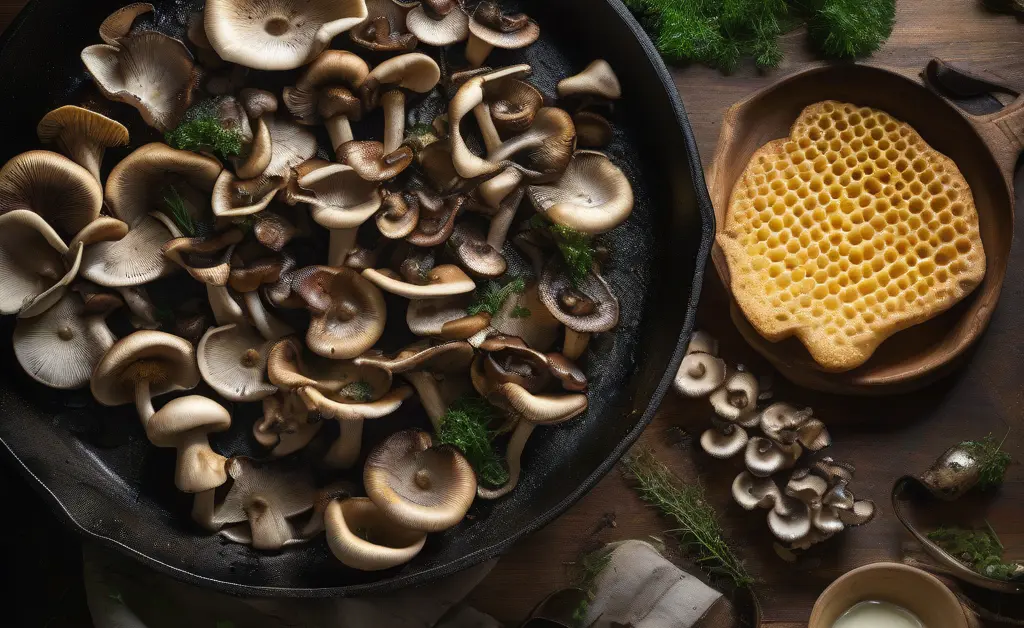
Sautéing is the quintessential method for cooking morels. It is fast, simple, and allows their complex, earthy flavor to take center stage. This technique uses high heat to create a beautiful golden-brown exterior while keeping the interior tender and succulent, concentrating their unique taste.
Essential Ingredients for Sautéing
Simplicity is key when selecting ingredients to sauté with morels. The goal is to complement their flavor, not overpower it. Classic choices include:
- Fat: Unsalted butter is the most popular choice, as its richness pairs beautifully with the nutty notes of the mushrooms. A combination of butter and olive oil can also be used to prevent the butter from browning too quickly.
- Aromatics: Finely chopped shallots or a small amount of garlic add a layer of savory depth. Shallots are often preferred for their milder, sweeter flavor.
- Liquids: A splash of dry white wine, sherry, or brandy can be used to deglaze the pan, creating a simple pan sauce. Heavy cream or crème fraîche can be added for a richer, more luxurious finish.
- Herbs: Fresh thyme or parsley, added near the end of cooking, brightens the dish and complements the earthy notes.
Step-by-Step Sautéing Process
The process of sautéing morels is straightforward. Begin by heating your chosen fat in a skillet over medium-high heat. Once the butter is melted and foaming or the oil is shimmering, add the prepared, dry morels to the pan in a single layer. It is crucial not to overcrowd the pan, as this will lower the temperature and cause the mushrooms to steam. Cook in batches if necessary.
Allow the morels to cook undisturbed for a few minutes until the undersides are golden brown. Then, toss or stir the mushrooms and continue to cook until they are evenly browned and tender. If using aromatics like shallots or garlic, add them in the last minute or two of cooking to prevent them from burning. If creating a sauce, deglaze the pan with wine or another liquid, scraping up any browned bits, and then finish with cream or fresh herbs.
Achieving the Perfect Brown and Texture
The secret to perfectly sautéed morels lies in managing heat and moisture. Ensure the mushrooms are as dry as possible before they hit the pan. Use a pan large enough to hold them in a single layer, and maintain a consistent medium-high heat. This allows the moisture released by the mushrooms to evaporate quickly, promoting browning rather than steaming. The result should be mushrooms that are deeply golden, with a satisfyingly firm yet tender bite, never soggy or rubbery.
Sautéed Morel Mushrooms Recipe
A classic sautéed morel dish is a study in elegant simplicity. Start by melting a generous amount of butter in a skillet over medium-high heat. Add your cleaned and halved morels in a single layer, seasoning them with salt and pepper. Let them sear for a few minutes without moving them to develop a deep brown crust. Once browned on one side, give them a toss and add finely minced shallots and a sprig of fresh thyme. Continue to cook, stirring occasionally, until the morels are tender and cooked through. For a simple sauce, deglaze the pan with a splash of dry sherry, letting it bubble and reduce. Finish by swirling in another knob of butter or a touch of cream. Serve immediately, perhaps over toasted bread or alongside a simple protein. You can find many morel mushroom recipes online to explore further. morel mushroom recipes
Other Ways to Cook Morel Mushrooms
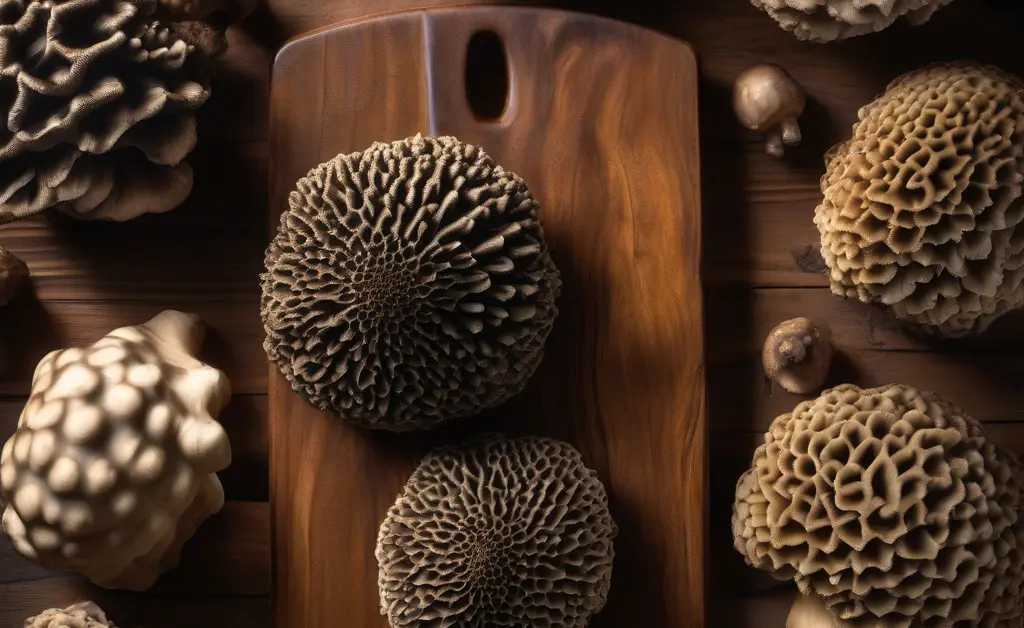
While sautéing is king, morels are versatile enough to shine in a variety of other preparations. From frying to grilling, these methods offer different textures and flavor experiences.
Fried Morel Mushrooms
A beloved preparation, particularly in the American Midwest, involves frying the morels. This method creates a delightful contrast between the crispy coating and the tender mushroom inside. Typically, halved morels are dredged in seasoned flour or dipped into a light batter (like a tempura or beer batter) and then deep-fried in hot oil until they are golden brown and crunchy. They are often served as an appetizer with a dipping sauce.
Pan Fried Morel Mushrooms
Pan-frying is similar to sautéing but often implies a light coating and a bit more fat. To pan-fry morels, you can lightly dredge the cleaned mushrooms in seasoned flour, cornmeal, or even cracker crumbs. Then, fry them in a skillet with a generous amount of butter and oil over medium heat, turning them until all sides are golden brown and crisp. This method gives them a crunchier exterior than a simple sauté.
How to Cook Morel Mushrooms in Butter
Cooking morels solely in butter is a pure and decadent way to enjoy them. This method involves using a slightly lower heat than a traditional sauté. Melt a good amount of butter in a skillet over medium heat and add the morels. Cook them gently, allowing them to release their liquid and then continue cooking as that liquid evaporates and the mushrooms begin to sizzle in the butter. The butter will brown slightly, creating a nutty brown butter sauce that perfectly coats the tender, earthy mushrooms. For an enhanced flavor experience, consider a morel mushroom chinese soup.
Grilling Morels
Grilling imparts a smoky flavor that wonderfully complements the morel’s natural earthiness. Because of their size and shape, it’s best to thread them onto skewers to prevent them from falling through the grates. Lightly toss the morels in olive oil, salt, and pepper before skewering. Grill over medium heat for just a few minutes, turning occasionally, until they are tender and have light char marks.
Roasting Morels
Roasting is a fantastic, mostly hands-off method for cooking morels. Toss the cleaned mushrooms with olive oil, salt, pepper, and perhaps some fresh thyme sprigs. Spread them in a single layer on a baking sheet and roast in a hot oven until they are browned and slightly crisped at the edges. This method concentrates their flavor beautifully.
Adding Morels to Sauces and Soups
Morels are a luxurious addition to sauces and soups. Their deep, savory flavor can be the star of a creamy sauce for pasta, chicken, or veal. To make a simple cream sauce, sauté the morels with shallots, deglaze with white wine, and then stir in heavy cream, letting it simmer and reduce until thickened. In soups, they add a profound, woodsy depth, particularly in cream-of-mushroom or clear broth-based soups. The European Food Safety Authority (EFSA) provides guidelines on food safety. EFSA
Dried Morel Mushroom Recipes
Rehydrated dried morels possess an even more intense, concentrated flavor and a pleasantly chewy texture. This makes them ideal candidates for slow-cooked dishes like stews, braises, and risottos. Their robust character stands up well to longer cooking times, allowing their flavor to fully permeate the entire dish. The strained soaking liquid is a key ingredient, adding an invaluable layer of flavor.
Morel Mushroom Recipes for Steak
The combination of steak and morels is a classic pairing found in fine dining restaurants. The earthy, nutty flavor of the mushrooms is a perfect counterpoint to the rich, savory flavor of a well-cooked steak, such as a filet mignon or ribeye. A simple preparation of sautéed morels spooned over the top is exquisite. Alternatively, creating a morel cream sauce to serve with the steak elevates the dish to another level. Utilizing **morel mushrooms for cooking** with high-quality beef is a surefire way to create a memorable meal. For a decadent pasta dish, consider a morel mushroom alfredo.
Tips for Cooking Morel Mushrooms
To get the most out of these prized fungi, a few key tips can make all the difference. Proper technique ensures their unique flavor and texture are preserved and enhanced.
Seasoning Morels
When it comes to seasoning morels, less is more. Their natural flavor is complex and delicate, so you don’t want to overwhelm it. A simple seasoning of good-quality salt and freshly cracked black pepper is often all that is needed. Fresh herbs like thyme, parsley, or chives, added at the end of cooking, can provide a touch of freshness. A final squeeze of lemon juice can also brighten the flavors just before serving.
Preventing Overcooking
Morels can go from perfectly tender to unpleasantly rubbery if overcooked. They cook relatively quickly, especially when sautéed over high heat. Watch them closely and cook only until they are tender and browned. The goal is a texture that is firm to the bite but not tough. When preparing **morel mushrooms for cooking** in various dishes, it’s often best to cook them separately first and add them near the end of the recipe to control their cooking time.
Enhancing Earthy Flavors
To enhance the morel’s signature earthy flavor, pair it with ingredients that share a natural affinity. Dairy products like butter and cream are classic companions, as their richness balances the mushroom’s profile. Spring vegetables such as asparagus, peas, and fiddlehead ferns are traditional partners. Proteins like chicken, veal, and eggs also work beautifully. For a deeper flavor, use aromatics like shallots and garlic, which provide a savory foundation without overpowering the main ingredient.
Serving Cooked Morel Mushrooms
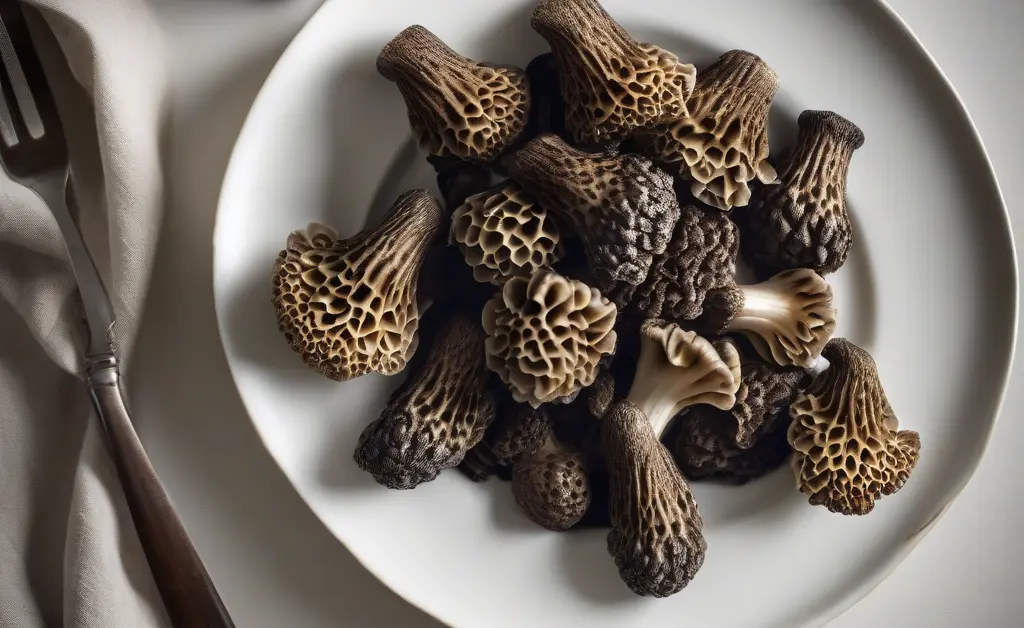
Once cooked, morels can be enjoyed in a multitude of ways, from simple preparations to being the star component of an elegant dish. Their versatility makes them a joy to serve.
Recipe Ideas with Cooked Morels
The applications for cooked morels are nearly endless. Their rich flavor can elevate simple, everyday meals into something special. Here are a few ideas:
- On Toast: Spoon freshly sautéed morels over thick slices of toasted sourdough or brioche for a classic and elegant appetizer or light lunch.
- With Eggs: Fold cooked morels into omelets or scrambled eggs for a luxurious breakfast or brunch.
- In Pasta: Toss sautéed morels with your favorite pasta, a little pasta water, parmesan cheese, and fresh herbs for a simple yet sophisticated main course.
- In Risotto: Stir them into a creamy risotto during the last few minutes of cooking. Using the rehydrating liquid from dried morels as part of the broth will create an even deeper mushroom flavor.
- With Grains: Serve them over polenta, grits, or farro for a hearty and satisfying meal.
These are just starting points, as the unique flavor of **morel mushrooms for cooking** can enhance a wide range of culinary creations, from pizzas to savory tarts. A delightful appetizer option is a morel mushroom dip.
Mastering the art of cooking morel mushrooms begins with respecting the ingredient. Proper cleaning and preparation are non-negotiable first steps to ensure their delicate, hollow structure is free of debris. While sautéing remains the gold standard for showcasing their nutty, earthy flavor, methods like frying, grilling, and roasting offer delightful variations in texture. By keeping seasonings simple and avoiding overcooking, you can let the morel’s unique character shine. Whether served simply on toast, folded into a creamy pasta, or paired with a perfect steak, using **morel mushrooms for cooking** is a rewarding experience that turns a seasonal treasure into an unforgettable dish.
This material is shared for educational insight, not for clinical decision-making. The information provided is not intended to be a substitute for professional advice. Always ensure that any wild mushrooms are properly identified by an expert before consumption, as many poisonous varieties exist. If you have any concerns about food safety or allergies, it is best to consult with a qualified professional.
What is the best way to cook morel mushrooms?
Morel mushrooms are best cooked simply to highlight their unique, earthy flavor and delicate texture. Sautéing them in butter or olive oil with a bit of garlic and herbs is a classic preparation. This method allows their rich taste to come through without being overpowered by other ingredients.
How long should you cook morel mushrooms?
Morel mushrooms require a relatively short cooking time; they should be cooked just until tender and lightly browned. Overcooking can make them mushy, diminishing their appealing texture. Generally, a few minutes of sautéing is sufficient to bring out their best qualities for cooking.