

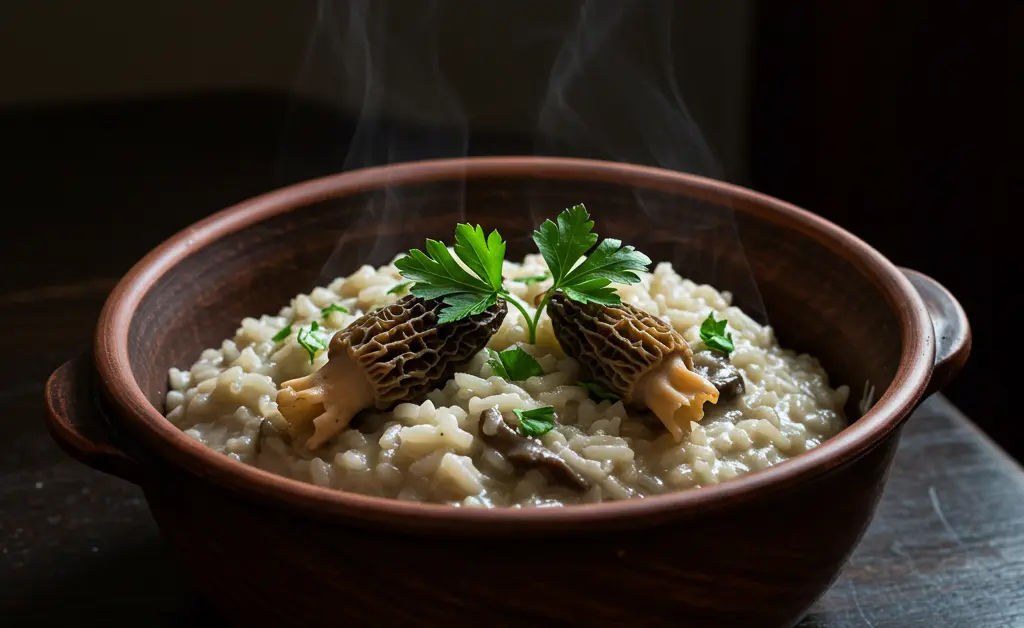
Many home cooks view risotto as a complex dish best left to restaurant chefs, imagining a demanding process that requires constant, expert attention. The reality, however, is that creating a beautiful, creamy risotto is less about inherent difficulty and more about understanding a few key steps. It’s a method that rewards patience over perfect technique, asking for gradual additions and gentle stirring rather than nonstop, vigorous work. By following a clear process, a deeply flavorful and elegant dish like morel mushroom risotto becomes surprisingly accessible. This guide demystifies the steps, ensuring you can confidently prepare this springtime delicacy in your own kitchen, from selecting the mushrooms to achieving that perfect creamy texture without any fuss.
Morel Mushroom Risotto Recipes
The beauty of risotto lies in its versatility. While the core technique remains consistent, slight variations in approach can yield distinctly different yet equally delicious results. Below are a few perspectives on crafting this classic dish, each highlighting a different facet of its character. You can find a variety of morel mushroom recipes here.
Easy Morel Mushroom Risotto
An easy approach focuses on simplicity and clean flavors. This version minimizes steps without sacrificing the luxurious outcome. It relies on quality ingredients, using a straightforward combination of shallots, Arborio rice, a good quality vegetable or chicken broth, and of course, the morel mushrooms. The process is streamlined to build confidence, proving that a restaurant-quality dish can be made with minimal fuss and a focus on the fundamental steps of toasting the rice and adding broth slowly.
Italian Morel Mushroom Risotto
A traditional Italian recipe often calls for specific ingredients that are staples in regional cooking. Carnaroli rice, often called the “king” of risotto rices, is preferred for its higher starch content and ability to hold its shape, resulting in a particularly creamy texture. The process might involve using a simple yet flavorful homemade broth and finishing with authentic Parmigiano-Reggiano and a knob of high-fat butter for the final “mantecatura,” creating an exceptionally rich and authentic dish.
Savory Morel Mushroom Risotto Recipe
For those who crave a deeper, more umami-forward flavor profile, a savory recipe incorporates elements that amplify the earthiness of the morels. This might include using the soaking liquid from dried morels to enrich the broth, adding a splash of dry sherry or marsala instead of white wine, or incorporating a small amount of finely minced pancetta at the beginning of the cooking process. Fresh thyme or sage can also be added to complement the woodsy notes of the mushrooms. For an alternative preparation, consider making morel mushroom gravy.
Ingredients for Morel Mushroom Risotto
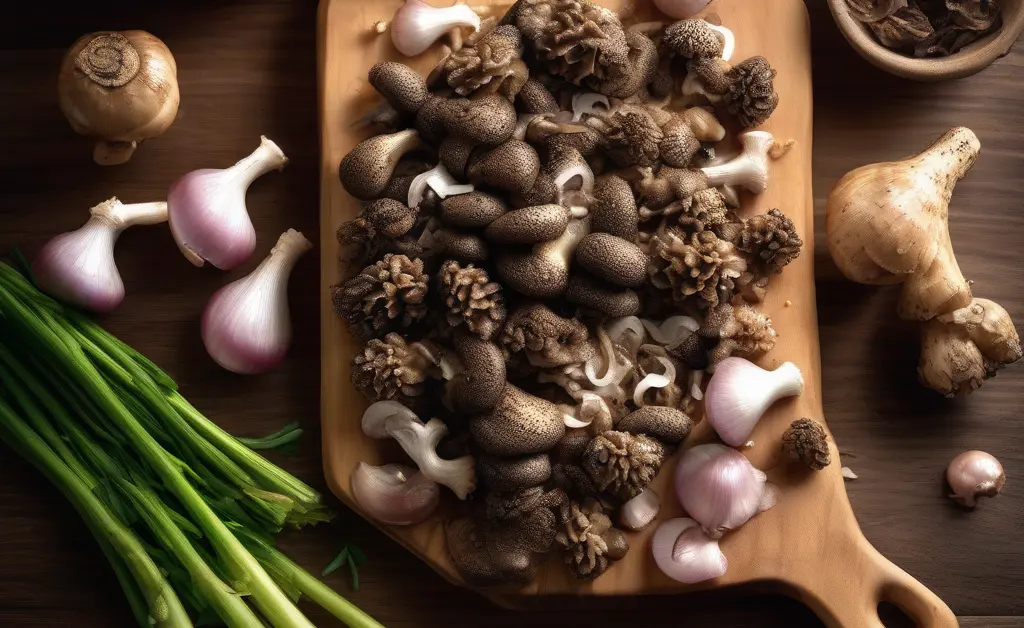
The success of this dish hinges on a short list of high-quality ingredients. The star, of course, is the morel mushroom, but the supporting cast is equally important. You will need a proper risotto rice, such as Arborio or Carnaroli, which has the high starch content necessary for a creamy consistency. A warm, flavorful broth, either vegetable or chicken, is essential for cooking the rice. Aromatics like finely chopped shallots or a mild onion and garlic provide a foundational layer of flavor. A dry white wine is traditionally used to deglaze the pan, adding a touch of acidity, while good quality butter and finely grated Parmesan cheese are stirred in at the end to create the signature rich finish.
Fresh vs. Dried Morel Mushroom Risotto
The choice between fresh and dried morels impacts both flavor and preparation. Fresh morels, available for a short period in the spring, offer a delicate, nutty, and earthy flavor with a tender texture. They require careful cleaning to remove any grit from their honeycomb-like caps. Dried morels, on the other hand, are available year-round and provide a much more concentrated, smoky, and intense flavor. They must be rehydrated in warm water before use, a process that yields a wonderfully fragrant mushroom-infused liquid. This liquid is a culinary treasure and should be strained through a coffee filter or fine-mesh sieve to remove any sediment and then added to the broth for an extra layer of depth. A fantastic morel mushroom risotto can be made with either form, depending on availability and desired flavor intensity.
Step-by-Step Morel Risotto Recipe
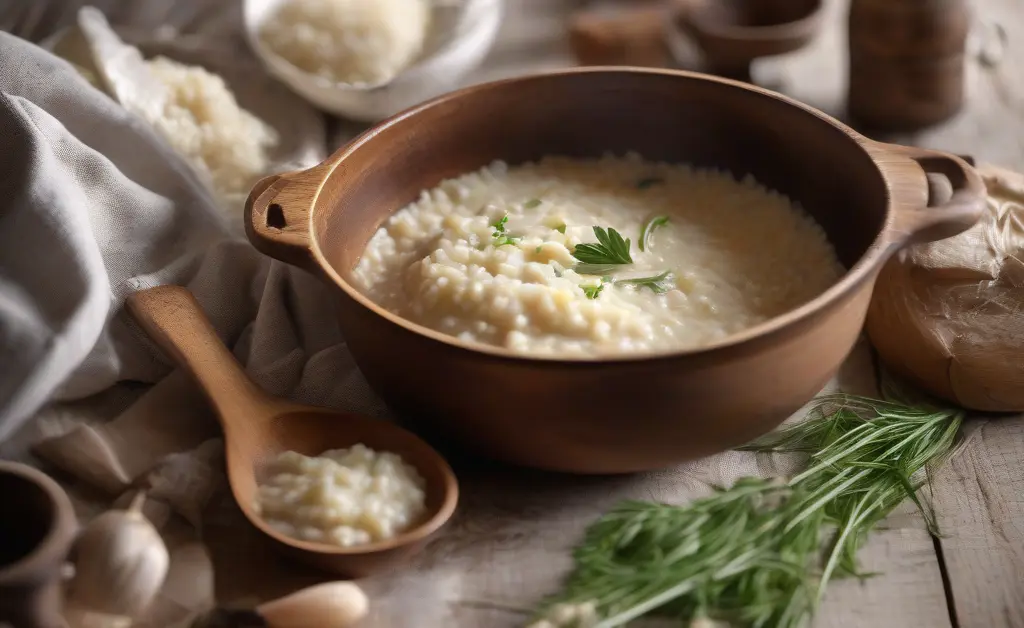
Making risotto is a process of patience that rewards the cook with a sublime dish. It’s a rhythm of adding liquid, stirring, and waiting for absorption. By breaking it down into distinct stages, the method becomes clear and manageable, ensuring a creamy, perfectly cooked result every time.
Sautéing Aromatics and Morels
Begin by gently cooking your aromatics, typically finely chopped shallots or onion, in butter or olive oil over medium-low heat until they are soft and translucent, but not browned. This builds the first layer of flavor. Once the aromatics are softened, add the cleaned and prepared morel mushrooms. Sauté them until they release their moisture and begin to brown slightly, developing their characteristic earthy and nutty flavor. Once cooked, you may set aside a few of the best-looking morels to use as a garnish later.
Toasting the Rice
Next comes the “tostatura,” or toasting of the rice. Add the dry risotto rice to the pan with the sautéed aromatics. Stir continuously for a minute or two, ensuring every grain is coated in the fat. The rice will become fragrant, and the edges of the grains will turn translucent while the center remains opaque. This crucial step helps the grains retain their shape during cooking and absorb the broth evenly.
Deglazing with Wine
Pour in a splash of dry white wine. The pan should sizzle as the wine hits the hot surface. Stir constantly as the wine bubbles away, scraping up any flavorful browned bits from the bottom of the pan. The alcohol will cook off in a minute or two, leaving behind a subtle acidity and complexity that balances the richness of the final dish. Allow the wine to be almost completely absorbed by the rice before proceeding. If you are looking for other ways to enjoy morels, consider morel mushroom pasta.
Gradually Adding Broth
This is the heart of the risotto-making process. Begin adding your warm broth to the rice, one ladleful at a time. The broth should always be kept at a gentle simmer in a separate pot. After each addition, stir the rice gently but frequently until the liquid is almost fully absorbed. The gentle friction from stirring helps release the starches from the surface of the rice, which is what creates the creamy sauce. Only add the next ladleful of broth once the previous one has been absorbed. Continue this patient process until the rice is cooked.
Achieving Creaminess and Doneness
After a period of gradually adding broth, start tasting the rice. You are looking for a texture that is “al dente”—tender with a slight bite or firmness in the center. The risotto should be fluid and creamy, not stiff or mushy. A perfect consistency is described as “all’onda,” meaning “like a wave,” where it flows gently if you tilt the pan. The total cooking time will vary but achieving this perfect texture is the goal for a classic morel mushroom risotto.
Finishing and Serving
The final step is the “mantecatura,” which makes the risotto exceptionally luxurious. Remove the pan from the heat. Vigorously stir in a knob of cold butter and a generous amount of grated Parmesan cheese. This emulsifies the fat and starch, creating a velvety, cohesive sauce. Check for seasoning and add salt and freshly ground black pepper to taste. Serve the risotto immediately in warm bowls, garnished with the reserved sautéed morels and perhaps some fresh chives or parsley.
Tips for the Best Morel Risotto
Elevating a good risotto to a great one often comes down to a few key details. Thoroughly cleaning morel mushrooms is non-negotiable; their hollow, ridged caps are notorious for trapping soil and debris. A brief soak in water followed by a good rinse is essential. Always use warm broth; adding cold liquid to the hot rice will shock the grains, cool down the pan, and hinder the even release of starch. This can make the final texture gummy instead of creamy. Finally, be patient with the process. Risotto doesn’t need constant, frantic stirring, but it does benefit from regular, gentle agitation. Season your dish at the very end. The broth and cheese contribute a significant amount of salt, so tasting before the final seasoning prevents an overly salty morel mushroom risotto.
Variations and Substitutions
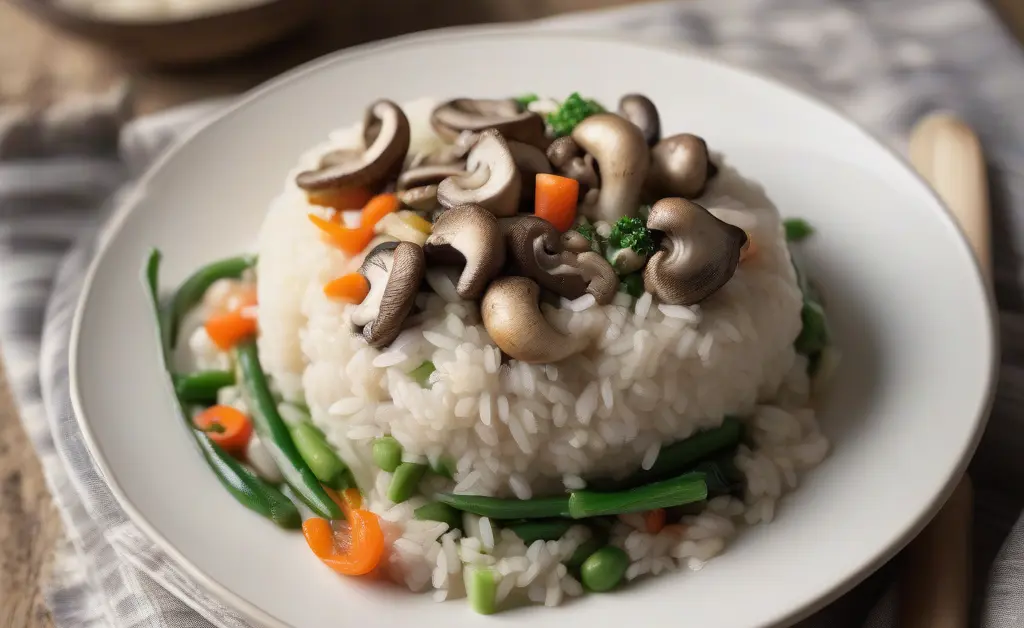
Once you master the basic technique, you can easily adapt the recipe to include other ingredients or accommodate dietary needs. The earthy flavor of morels pairs beautifully with a variety of spring vegetables, and substitutions can be made for everything from the rice to the dairy.
Morel and Asparagus Risotto
A classic springtime combination, asparagus adds a fresh, green note that perfectly complements the earthy morels. To incorporate it, blanch or lightly steam chopped asparagus until it is tender-crisp. Stir the asparagus pieces into the risotto during the last few minutes of cooking so they retain their vibrant color and slight bite.
Morel and Pea Risotto
Sweet spring peas offer a delightful pop of color and sweetness against the savory backdrop of the risotto. Frozen peas work well if fresh are not available. Simply stir them into the risotto along with the final ladleful of broth. They cook in just a few minutes and require no pre-cooking.
Risotto with Spring Peas and Morel Mushrooms
Combining both peas and morels creates a dish that is the essence of spring. The sweetness of the peas, the earthiness of the mushrooms, and the creamy rice come together in a harmonious balance. For the best flavor, use fresh, tender peas when they are in season for a truly memorable meal.
Risotto with Dried Morels and Wild Mushrooms
To create an even more complex and deeply flavored dish, supplement rehydrated morels with a mix of other wild mushrooms. Sautéed cremini, chanterelles, or porcini mushrooms can be added along with the morels at the beginning of the cooking process. Using the soaking liquid from both the morels and any dried porcini will create an intensely savory broth base. For another unique preparation, try making morel mushroom jerky.
Asparagus And Morel Risotto Recipe
For a variation on this pairing, you can utilize the entire asparagus stalk. Finely chop the tougher bottom parts of the stalks and sauté them with the shallots to build flavor from the very beginning. The tender tips can be blanched separately and stirred in at the end for a beautiful presentation and a contrast in texture. This method ensures no part of the vegetable goes to waste and infuses the entire morel mushroom risotto with the flavor of asparagus.
Making a beautiful, creamy risotto is a rewarding kitchen ritual. The process itself is calming, and the final dish—rich with the earthy, nutty flavor of morel mushrooms—is an elegant centerpiece for any meal. By understanding the key steps, from preparing the mushrooms to the final, luxurious addition of butter and cheese, any home cook can master this celebrated dish. It’s a versatile recipe that invites experimentation with other seasonal ingredients, proving that a little patience can yield a truly spectacular result.
This article is written for general understanding and not for medical decision-making. The information presented here is for culinary and informational purposes only and should not be considered a substitute for professional dietary advice. Readers with specific health concerns, allergies, or dietary restrictions should consult with a qualified healthcare provider or registered dietitian before making changes to their diet.
FAQ
How do you prepare morel mushrooms for risotto?
Fresh morel mushrooms require careful cleaning due to their porous structure, typically involving gently brushing off dirt and then rinsing them quickly. After cleaning, they are usually sliced or quartered to ensure even cooking and flavor distribution throughout the dish.
Can you use dried morel mushrooms in risotto?
Yes, dried morel mushrooms can be successfully used in risotto. They need to be rehydrated in warm water for about 20 to 30 minutes before cooking, and this soaking liquid adds a concentrated depth of flavor to the risotto base.
What kind of rice is best for morel mushroom risotto?
Arborio rice is the ideal choice for morel mushroom risotto. Its high starch content allows it to release creamy compounds as it cooks, creating the signature rich and velvety texture essential for this dish.
What wine pairs well with morel risotto?
A dry white wine, such as a Pinot Grigio or Sauvignon Blanc, complements the earthy notes of morel mushrooms in risotto. Alternatively, a light-bodied red wine like a Pinot Noir can also create a delightful pairing.
What’s the difference between fresh and dried morels in risotto?
Fresh morels offer a delicate, slightly woodsy flavor and a tender texture that can become silken when cooked. Dried morels provide a more intense, concentrated mushroom essence, and their texture is firmer even after rehydration.