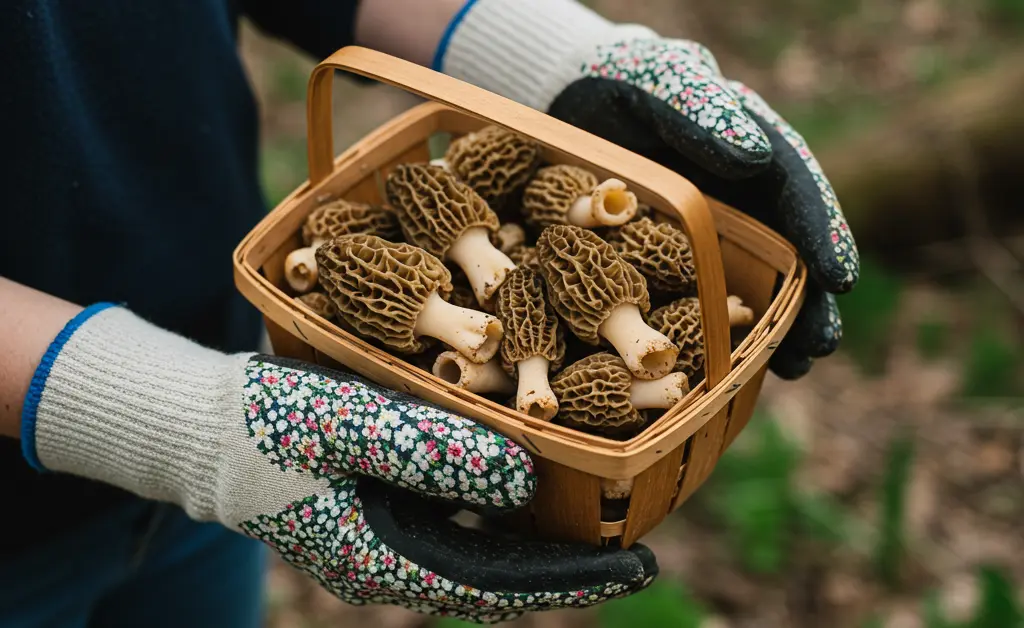
As the culinary world continues to embrace locally sourced ingredients, the desire to find and prepare food from the wild has grown immensely. For many home cooks and food enthusiasts, the spring season signals the start of a treasured ritual: hunting for the elusive and delicious morel. These prized fungi offer a unique, earthy flavor that elevates any dish, turning a simple meal into a gourmet experience. For those ready to swap the grocery aisle for a walk in the woods, understanding the unique hunt for the morel mushroom wisconsin provides an unparalleled sense of accomplishment. This guide offers the essential knowledge needed to safely and successfully participate in this rewarding annual tradition, from timing your hunt to connecting with fellow foragers across the state.
Morel Mushroom Wisconsin Season
Timing is everything when it comes to morel hunting. The season is a fleeting window in the spring, dictated entirely by mother nature. Successful foragers learn to read the subtle signs that signal the mycelium is ready to fruit, making every year a unique challenge.
What time of year do morels grow in Wisconsin?
The morel hunting season in Wisconsin typically begins in late April and can extend into early June. However, this is a general timeframe that shifts annually based on weather patterns. The first to appear are often the black morels, which can emerge when the nights are still cool. As the ground warms, the larger yellow morels begin to fruit, often marking the peak of the season. The exact start and end dates are never guaranteed, requiring hunters to be observant and ready to act when conditions are right. For morel mushroom information, guide yourself through various resources.
Understanding Seasonal Progress by Region
Wisconsin’s geography plays a significant role in the timing of the morel harvest. The season almost always begins in the southern part of the state and gradually moves northward as warmer temperatures advance. Foragers in southern Wisconsin, particularly in the rich woodlands of the Driftless Area, may find morels weeks before their counterparts in northern Wisconsin. This predictable progression allows dedicated hunters to follow the season up the state, extending their foraging opportunities.
Key Weather and Environmental Indicators
Experienced foragers pay less attention to the calendar and more attention to environmental cues. The most critical factor is soil temperature; when the ground consistently warms up after the last frost, the morel mycelium is triggered to produce mushrooms. Ideal conditions involve a period of rainfall followed by several days of warm, humid weather. A combination of daytime sun and mild nights creates the perfect habitat for a flush of morels to emerge from the forest floor. The hunt for the ideal morel mushroom wisconsin habitat is as much about meteorology as it is about mycology.
Morel Mushroom Wisconsin Map & Hunting Locations
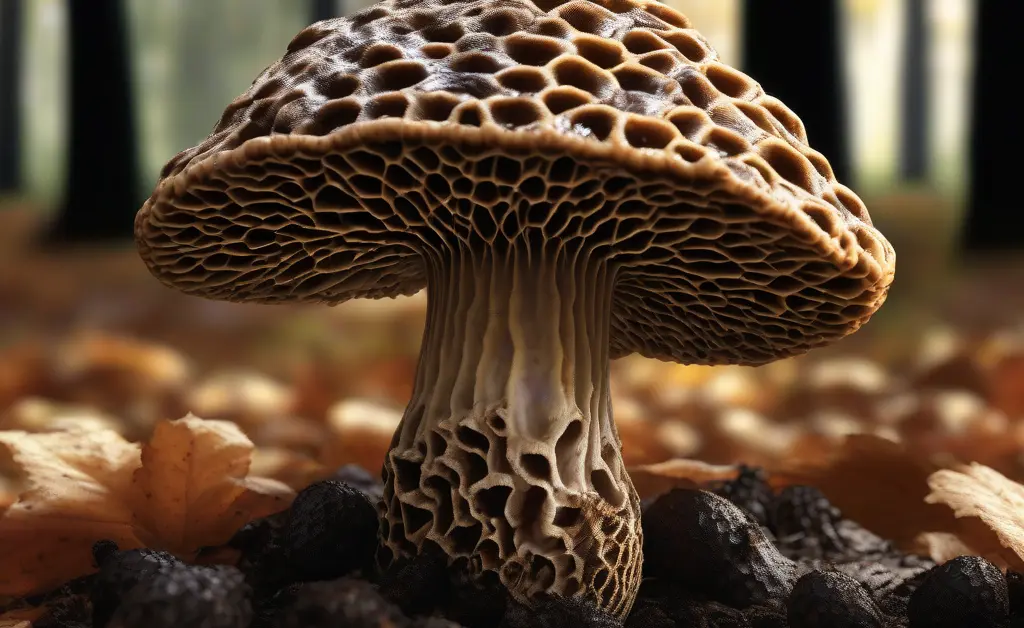
While seasoned hunters guard their secret spots fiercely, understanding where to begin your search is fundamental. Knowledge of general locations, combined with an ability to identify the right habitat and tree species, is far more valuable than a pin on a map.
Tracking Real-Time Sightings and Reports
In the digital age, foragers have access to a wealth of real-time information. Many hunters use an online sighting map or follow a dedicated morel report to track the season’s progress. These crowdsourced tools show where morels are currently being found, giving others a good indication of when to start looking in their own local areas with similar topography and conditions. These maps don’t reveal specific spots but confirm that the season has begun in a particular region.
Frequently Discussed Public Land Areas
Wisconsin offers extensive public land that is open to foraging, including many state forests and wildlife areas managed by the Department of Natural Resources (DNR). While specific rules can vary by property, these lands provide ample opportunity for anyone to hunt for morels. It is crucial for foragers to check the regulations for any specific park or forest before their foray, as some areas may have restrictions. Respect for the land, including packing out everything you bring in, is paramount. This is a good place to learn about morel mushroom origin.
Common Tree Associations in Wisconsin
The single most important skill for a morel hunter is learning to identify key tree species. Morels form a symbiotic relationship with the root systems of certain trees, and they often fruit prolifically around dead or dying trees. In Wisconsin, the most classic association is with the elm tree, especially those that have recently died. Ash trees are another prime associate species. Finding a stand of dead elms or mature ash trees is often the first step to a successful hunt for the morel mushroom wisconsin foragers cherish.
Joining the Wisconsin Morel Hunting Community
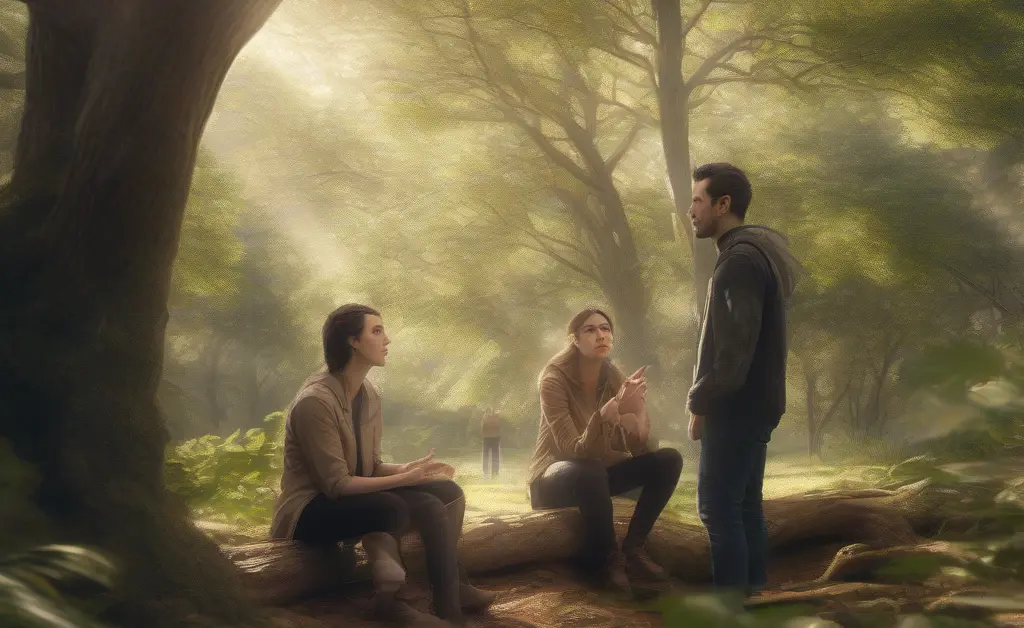
The tradition of morel hunting is deeply rooted in community and shared knowledge. Connecting with other foragers can dramatically shorten the learning curve, provide valuable safety information, and enrich the overall experience of this spring ritual.
Online Forums and Social Media Groups
Online communities have become a central hub for Wisconsin’s mushroom hunters. Facebook groups and dedicated foraging forums are bustling with activity during the spring. Members share photos of their finds, ask for identification help, and discuss the season’s progress. These groups are an invaluable resource for beginners looking to learn from the collective experience of hundreds of local foragers.
Local Mycological Societies in Wisconsin
For those seeking a deeper, more scientific understanding of fungi, joining a local mycological society is an excellent step. These organizations bring together amateurs and experts in mycology to share knowledge. A mycological society often hosts meetings, presentations, and group forays where members can learn proper identification techniques, including how to distinguish edible morels from their toxic look-alikes, such as the false morel. This is one of the safest ways to build confidence as a forager.
Finding Guided Forays and Workshops
Many beginners find their first morels by participating in a guided foray or workshop. These events are led by seasoned experts who teach participants how to identify the right habitat, spot morels on the forest floor, and practice sustainable harvesting. A hands-on lesson in the woods provides practical experience that cannot be gained from reading alone, making it a worthwhile investment for anyone serious about learning to find the elusive morel mushroom wisconsin provides. Learning how to cook morel mushrooms can be a delicious follow-up.
Best Practices for Reporting a Find
Sharing your success with the community is part of the fun, but there is an unspoken etiquette. When posting a picture of your harvest, it is considered poor form to reveal the exact location. Instead of giving GPS coordinates, successful foragers often share general information, such as the county, the type of trees the morels were found near, and the general conditions. This contributes to the community’s knowledge without jeopardizing a hard-won personal spot.
The annual hunt for the morel mushroom wisconsin offers is a rewarding journey that connects people with nature and the food on their tables. It requires patience, keen observation, and a deep respect for the forest ecosystem. Whether you are venturing out for the first time or are a seasoned forager tracking the season’s northward progression, the thrill of spotting that first morel is an experience unlike any other. By learning to identify the right conditions, habitats, and tree species, and by connecting with the vibrant community of fellow hunters, you can safely and successfully take part in this cherished spring tradition.
It is important to note that this content is not intended as medical advice. The information provided is for educational and informational purposes only. Proper identification of any wild mushroom is critical before consumption, as many poisonous species exist. Foragers should consult multiple field guides and, whenever possible, seek confirmation from an experienced local expert or mycological society before eating any wild fungus. Never consume a mushroom you cannot identify with 100% certainty. For information on food safety, consult the FDA.
FAQ
When do people start finding morels in Wisconsin?
Morel mushroom hunting in Wisconsin typically begins in the spring, with peak season often occurring from April through May. This timing is dependent on local weather patterns, particularly soil temperature and moisture levels. Warmer, moist conditions after a cold period are ideal for morel fruiting.
Where can I find a Wisconsin morel mushroom report?
Information on morel mushroom activity in Wisconsin can often be found through local foraging communities and state forestry resources. Online forums, hunting and fishing websites, and sometimes park ranger advisories may offer current reports. Engaging with local hunters is also a common way to get real-time information.
How do I connect with other morel hunters in Wisconsin?
Connecting with other morel hunters in Wisconsin can be achieved through various avenues, including local outdoor recreation clubs and online forums. Sharing experiences and knowledge with fellow enthusiasts is a rewarding aspect of the hobby. Many hunters find success by participating in local events or joining online communities dedicated to foraging.
Are there any Wisconsin morel mushroom Facebook groups?
Yes, there are often several active Wisconsin morel mushroom Facebook groups dedicated to discussing finds, sharing locations (with caution regarding privacy), and offering tips. These groups serve as a valuable resource for both novice and experienced mushroom hunters in the state. Searching on Facebook for terms like “Wisconsin Morel Hunters” or “WI Morel Mushrooms” usually yields relevant results.
Is there a local mycology club in Wisconsin?
Wisconsin has local mycology clubs that cater to individuals interested in the study of fungi, including wild mushrooms. These organizations often host educational events, identification workshops, and guided forays. Membership in a mycology club provides opportunities to learn from experts and connect with a passionate community of fungal enthusiasts.