While many perceive porcini mushrooms as an ingredient reserved solely for haute cuisine or elaborate, time-consuming preparations, their versatility extends far beyond such specialized contexts. It’s often assumed that their distinctive, earthy aroma and rich, umami flavor demand complex recipes, yet this isn’t always the case. In reality, incorporating porcini into everyday cooking can elevate simple meals without requiring advanced culinary skills. This guide aims to demystify these prized fungi, exploring practical porcini mushroom uses that enhance flavor profiles across a spectrum of dishes, from rustic Italian classics to modern interpretations. We will delve into how both fresh and dried porcini can transform ordinary ingredients into something extraordinary, making their unique characteristics accessible to home cooks and professional chefs alike.
Porcini Mushroom Recipes
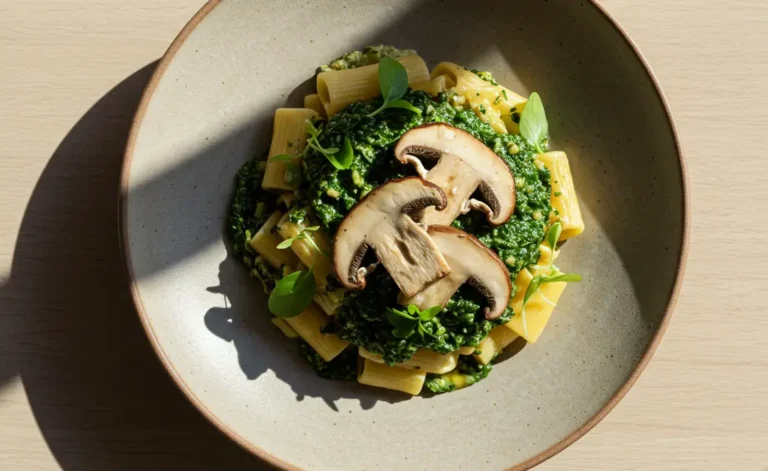
Porcini mushrooms lend themselves to a wide array of culinary creations, adding depth and a distinct savory character. Classic porcini mushroom uses often feature prominently in Italian cuisine, where their earthy notes are highly prized. A traditional porcini risotto exemplifies how these mushrooms can be the star of a dish, providing a rich, creamy texture and an unmistakable umami flavor. Similarly, pasta dishes, whether a simple tagliatelle with fresh porcini and garlic or a more elaborate pasta al forno, are elevated by their inclusion. For heartier fare, porcini can significantly enhance soups and stews, imparting a deep, complex base that enriches the entire broth. Many cooks also create a versatile porcini sauce, perfect for topping polenta, gnocchi, or various meats.
Cooking with Porcini Mushrooms
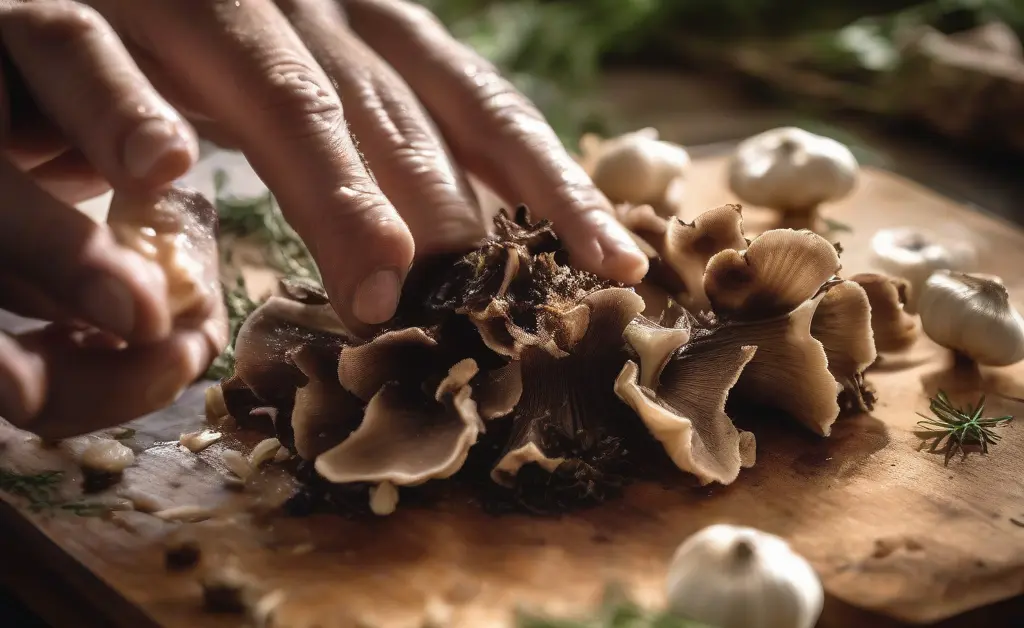
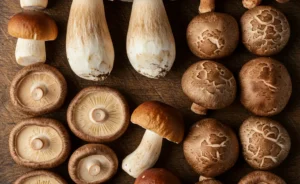
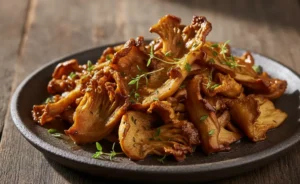
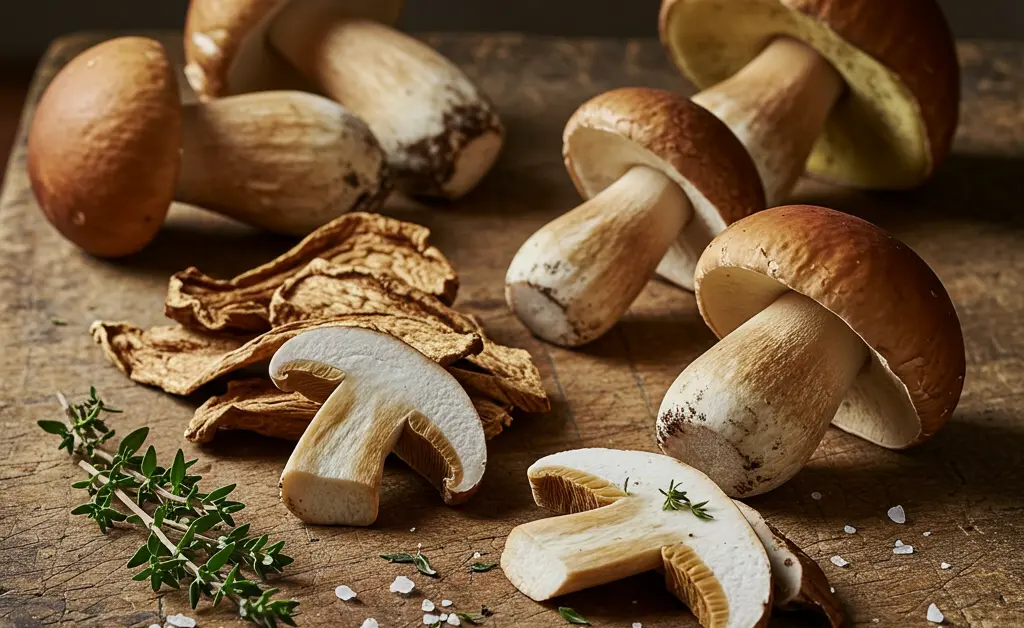
Understanding the nuances of cooking porcini is key to unlocking their full potential. Both fresh and dried porcini offer distinct culinary benefits and should be prepared accordingly. Fresh porcini, often sought for their delicate texture and immediate aroma, are best enjoyed simply. Sautéing them with a bit of olive oil, garlic, and fresh herbs allows their natural flavor to shine. They can also be sliced thinly and added raw to salads for an earthy crunch, as fresh porcini are safe and delightful to eat uncooked when properly cleaned. For general food safety information, the NHS offers valuable resources. The goal when cooking porcini is always to maximize their inherent savory qualities and rich, earthy notes, ensuring they become a true flavor enhancer in any dish. Proper mushroom preparation begins with careful cleaning, using a soft brush or damp cloth to remove any dirt without washing away their delicate flavors.
Dried Porcini Mushroom Uses
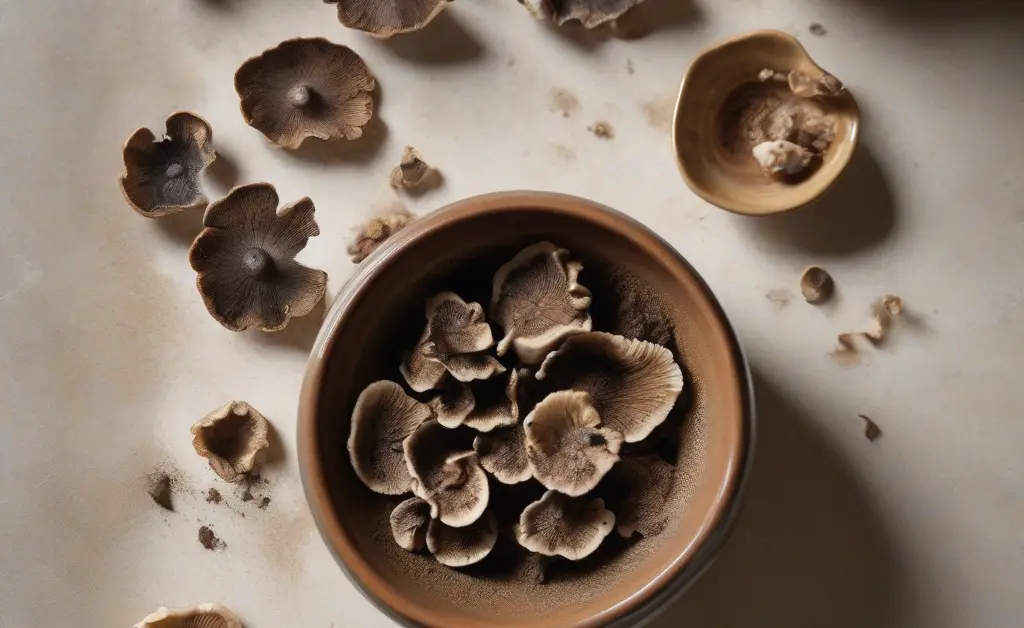
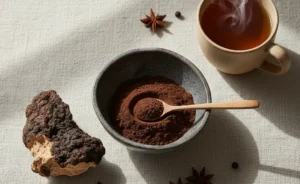
Dried porcini are a pantry staple for many chefs and home cooks, offering a concentrated burst of flavor that can be deployed throughout the year. One of the most common porcini mushroom uses is to rehydrate them before cooking. This typically involves soaking the dried mushrooms in warm water for a period until they become plump and pliable. The resulting mushroom broth, often referred to as porcini water, is a treasure trove of flavor and should never be discarded. This rich liquid can be strained and used as a base for soups, risottos, gravies, or sauces, infusing dishes with a deep, earthy essence. Beyond rehydration, dried porcini can also be ground into a fine porcini mushroom powder for cooking, which acts as a powerful flavor enhancer in rubs, seasonings, or even sprinkled directly into dishes for an instant umami boost. This method is particularly useful for adding depth without introducing additional moisture or texture.
Creative Porcini Mushroom Dishes

While porcini are firmly rooted in traditional European cuisine, their robust flavor makes them a versatile ingredient for more creative and modern applications. Moving beyond classic porcini mushroom uses, these wild mushrooms can inspire innovative gourmet cooking. Consider infusing olive oil or butter with dried porcini for a savory cooking medium, or incorporating them into unconventional fillings for pastries or dumplings. Porcini can be a stellar component in a mushroom pâté or a rich terrine. Their savory profile also pairs well with a variety of proteins, from seared scallops to roasted duck, where they can be part of a complementary sauce or a side accompaniment. For those seeking plant-based options, exploring porcini mushroom vegetarian dishes reveals how these fungi can add substantial depth and flavor. The deep, umami flavor of porcini allows them to transcend specific culinary boundaries, inviting experimentation and new interpretations in the kitchen, solidifying their status as a true delicacy.
From rustic family meals to sophisticated culinary creations, porcini mushrooms offer an unparalleled depth of flavor and versatility. Both fresh and dried forms provide unique opportunities to enhance dishes, bringing their distinctive earthy notes and rich umami to the forefront. By understanding their preparation and various applications, cooks can easily integrate these prized fungi into their repertoire, transforming everyday ingredients into extraordinary dining experiences. Whether rehydrated for a flavorful broth, sautéed fresh, or powdered for a concentrated boost, porcini continue to be a cherished ingredient in kitchens worldwide.
The information in this article is intended for knowledge purposes only. It is not designed to provide medical advice, diagnosis, or treatment. Always consult with a qualified healthcare professional before making any decisions about your health or well-being. This content should not be used as a substitute for professional medical guidance.
FAQ
— What are porcini mushrooms best used for?
Porcini mushrooms are celebrated for their rich, nutty, and earthy flavor, which adds significant depth to many dishes. Their firm texture holds up well to cooking, making them ideal for enhancing broths, sauces, and risottos. The culinary applications highlight various porcini mushroom uses, primarily for their potent umami contribution.
— What dishes can I add porcini mushrooms to?
These robust fungi are excellent in Italian cuisine, particularly in pasta dishes, creamy risottos, and polenta, where their intense flavor can truly shine. They also lend themselves beautifully to hearty stews, gravies, and even as a flavorful addition to scrambled eggs or omelets. Their concentrated taste elevates simple ingredients into gourmet experiences.