
Mushrooms are celebrated across diverse culinary traditions for their unique flavors and health benefits. Among the vast array, porcini and shiitake stand out as two highly prized varieties, each offering a distinct experience to the palate and providing valuable nutrients. Understanding their individual characteristics is crucial for any home cook or professional chef looking to elevate their dishes. This exploration delves into the nuances of porcini mushroom vs shiitake, dissecting their unique textures, flavor profiles, and nutritional contributions. By comparing these two popular fungi, we aim to equip you with the knowledge to make informed choices for your recipes, ensuring you harness their full potential.
Porcini Mushroom vs Shiitake: Key Differences
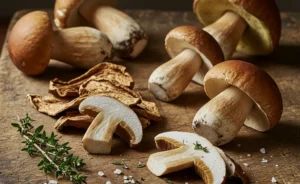
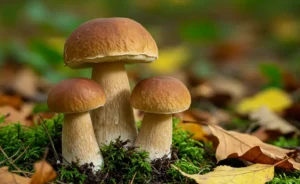
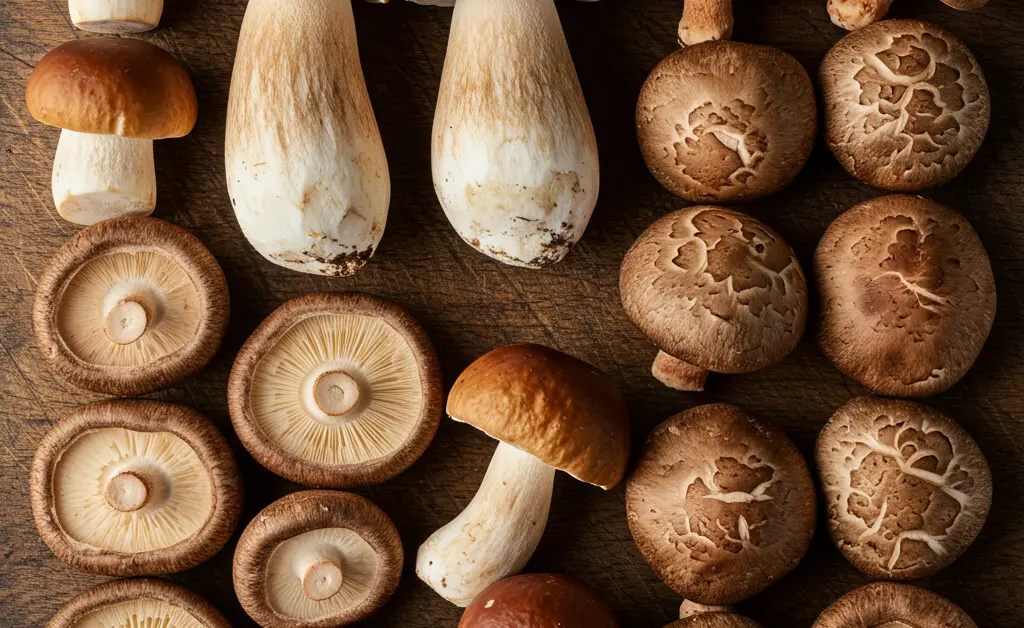
When comparing porcini mushroom vs shiitake, several fundamental distinctions immediately become apparent, influencing their culinary applications. Porcini mushrooms (Boletus edulis, also known as ‘cep’ in French or ‘Steinpilz’ in German) are robust, wild mushrooms primarily found in European forests, often under conifers and broadleaf trees. They boast a thick, meaty stem and a broad, convex cap, ranging in color from reddish-brown to dark brown. Fresh porcinis are prized for their firm texture and rich, earthy aroma. They are also widely available as dried porcinis, which intensify their characteristic flavor and require rehydration before use.
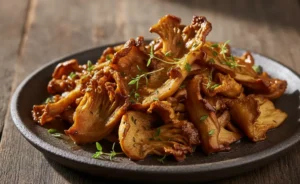
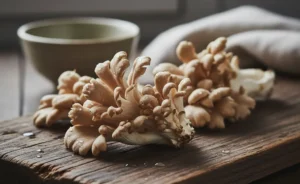
Shiitake mushrooms (Lentinula edodes), on the other hand, originate from East Asia and are among the most cultivated edible mushrooms globally. They feature a distinct umbrella-shaped cap, often with a slightly curled edge and a light brown to dark brown color, sometimes with small white flecks. Shiitake have a more fibrous stem, which is often removed before cooking. Both fresh and dried shiitake mushrooms are common, with dried shiitake mushrooms offering a more concentrated, savory, and woody aroma, characteristic of Asian cuisine.
The culinary distinction between the two lies not only in their origin and appearance but also in their fundamental taste and aromatic qualities, which guide their traditional usage. Porcinis are often associated with rustic, gourmet European dishes, while shiitakes are a staple in a vast array of Asian recipes, bringing a unique umami depth.

When to Use Shiitake Instead of Porcini
Shiitake mushrooms are an excellent choice when you desire a savory, umami-rich flavor with a distinct woody aroma. Their flavor profile lends itself beautifully to dishes that benefit from a deep, explicit mushroom-y taste without overwhelming other ingredients. Fresh shiitake offer a tender, slightly chewy texture perfect for stir-fries, noodle dishes, and light sautéing. Dried shiitake mushrooms, after rehydration, provide a more intense flavor and a satisfyingly meaty texture, ideal for broths, soups, and slow-cooked stews where their robust essence can permeate the dish. If your recipe calls for an Asian-inspired flavor or a pronounced savory backbone, shiitake are often the preferred fungi.
When to Use Porcini Instead of Shiitake
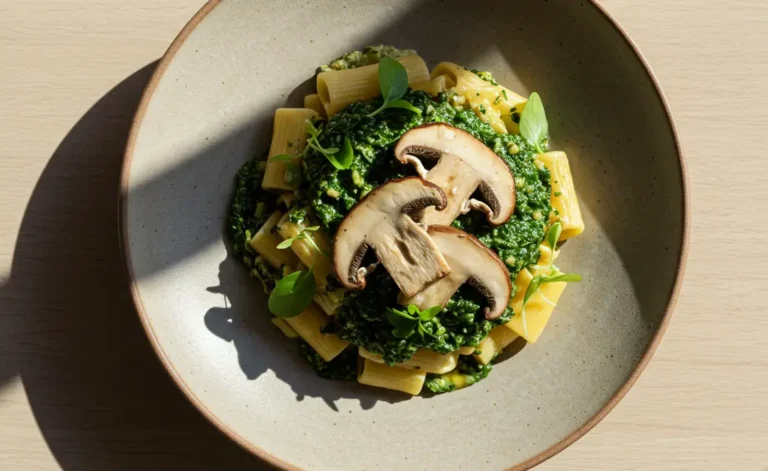
Porcini mushrooms excel in dishes that demand a rich, earthy flavor and a substantial, meaty texture. Fresh porcinis, with their firm flesh and nutty undertones, are perfect for roasting, grilling, or incorporating into risottos and pasta sauces where they can be the star ingredient. The robust, wild mushrooms provide a luxurious depth. Dried porcinis, once rehydrated, release an incredibly intense, almost musky earthiness that is unparalleled. This concentrated flavor makes them indispensable for hearty stews, gravies, and creamy sauces, contributing a truly gourmet dimension. When you seek a strong, foundational mushroom flavor reminiscent of wild foraging and European culinary traditions, porcini are the superior choice.
Taste and Flavor Profile: Porcini vs Shiitake
Delving deeper into the porcini mushroom vs shiitake comparison, their flavor profiles represent two distinct culinary philosophies. Porcini mushrooms are celebrated for their intense, earthy flavor, often described as nutty, slightly sweet, and explicitly mushroom-y, with hints of forest floor and umami. The taste of fresh porcinis is delicate yet profound, while dried porcinis offer a dramatically amplified version, becoming deeply rich and complex upon rehydration. Their aroma is equally captivating, a blend of woodsy and wild notes that signals sophistication in European cooking. The texture, particularly of fresh porcini, is famously meaty and firm, holding up well to various cooking applications.
Shiitake mushrooms, conversely, possess a more savory, robust, and woody flavor. They are highly valued for their pronounced umami, which contributes a significant depth to dishes, especially in Asian cuisine. The flavor of fresh shiitake is milder but still distinctly savory, with a pleasing texture that is often described as slightly rubbery or chewy. Dried shiitake mushrooms, however, undergo a remarkable transformation, developing an even deeper, more concentrated umami flavor and a characteristic aroma that is both earthy and subtly smoky. Their texture becomes satisfyingly meaty and substantial after soaking, making them a popular addition to many hearty preparations.
Taste and Umami Contrasts
The umami factor is prominent in both fungi, yet it manifests differently. Porcini’s umami often comes intertwined with its signature earthy and nutty notes, creating a rounded, full-bodied savory experience that is characteristic of the bolete family. It’s a foundational umami that supports and enhances the richness of dishes like risotto or beef bourguignon. Shiitake, on the other hand, offers a sharper, more distinct umami punch, often accompanied by its unique woody and sometimes slightly garlicky or smoky undertones. This makes shiitake particularly adept at providing a savory backbone in broths and sauces, cutting through and elevating other ingredients. The flavor intensity of dried mushrooms in both cases is significantly higher, as the drying process concentrates the compounds responsible for their taste and aroma, making rehydration liquid itself a flavorful component for cooking.
Nutritional Comparison: Porcini vs Shiitake

Beyond their distinct flavors and textures, porcini mushroom vs shiitake also offer valuable nutritional contributions to a balanced diet. Both are fungi, and as such, they share some common benefits while also providing unique nutritional profiles. Generally, mushrooms are low in calories and fat, yet rich in dietary fiber, which is important for digestive health. They are also known for containing various B vitamins, such as riboflavin, niacin, and pantothenic acid, which play crucial roles in energy metabolism and overall well-being. For information on global health and nutrition, you may consult the WHO.
Porcini mushrooms are noted for their good source of protein, along with minerals like potassium, phosphorus, and selenium. They also contain antioxidants, which may help protect the body’s cells from damage. Their nutritional composition supports general vitality and can be a flavorful addition to many recipes, enhancing both taste and nutrient intake without adding excessive calories. Their consumption is associated with a range of health-supportive properties, making them a valued component of many healthful eating patterns.
Shiitake mushrooms are particularly well-regarded for their nutritional content. They are an excellent source of B vitamins, especially B5 (pantothenic acid) and B6, and also provide minerals such as copper, selenium, and zinc. Shiitake also contain specific compounds, such as lentinan, which have been studied for their potential health-supportive properties. Like porcini, shiitake mushrooms contribute antioxidants and dietary fiber. Including these cultivated mushrooms in meals can enrich the diet with a spectrum of nutrients, supporting immune function and overall physiological balance. Their use in traditional Asian practices often highlights their regarded health benefits.
The choice between porcini and shiitake mushrooms ultimately depends on the desired flavor profile and texture for a particular dish. Porcini mushrooms bring a rich, earthy, and nutty depth, ideal for European-inspired cuisine and hearty preparations where their meaty texture can shine. Shiitake mushrooms offer a profound umami and a distinctive savory, woody aroma, making them a staple in Asian cooking and excellent for broths, stir-fries, and dishes requiring a deep, explicit mushroom-y essence. Both varieties are culinary powerhouses, each capable of transforming a simple meal into a gourmet experience. Understanding their unique characteristics allows chefs and home cooks alike to harness their full potential, ensuring the perfect fungi for every culinary creation.
This information is provided for educational purposes only. It is not intended to be a substitute for professional medical advice, diagnosis, or treatment. Always seek the advice of your physician or other qualified health provider with any questions you may have regarding a medical condition or before making any dietary changes. Reliance on any information provided in this content is solely at your own risk.
FAQ
Porcini mushrooms are widely recognized for their deep, earthy, and nutty flavor, which many people associate with a quintessential “mushroomy” taste. Shiitake mushrooms, on the other hand, offer a distinct umami profile with pronounced woodsy and savory notes that are also very characteristic of their species. Both contribute robust flavors, but the intensity of porcini often stands out in culinary applications.
Porcini mushrooms are prized for their firm, substantial texture when fresh, which can become velvety and toothsome once cooked or rehydrated. Shiitake mushrooms typically offer a chewier, more fibrous texture, especially in their stems, which are often removed before consumption due to their toughness. This difference contributes significantly to their distinct culinary applications.
Both porcini and shiitake mushrooms are frequently described as “meaty,” though in different contexts. Porcini are particularly renowned for their dense, substantial texture, making them a popular choice for dishes where a hearty mouthfeel is desired. Shiitake, with their rich umami flavor and firm bite, also provide a satisfying “meaty” quality, making them a staple in many plant-based cuisines.
When considering porcini mushroom vs shiitake in terms of aromatic intensity, porcini mushrooms generally boast a more potent and deeply earthy fragrance, particularly in their dried form. This robust aroma is often described as rich, nutty, and slightly pungent, contributing significantly to a dish’s overall complexity. Shiitake mushrooms offer a distinct, woodsy, and savory scent that is also quite strong, yet it tends to be less overtly intense than that of a porcini.