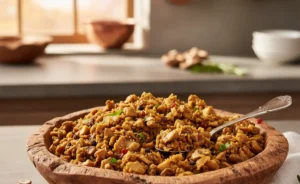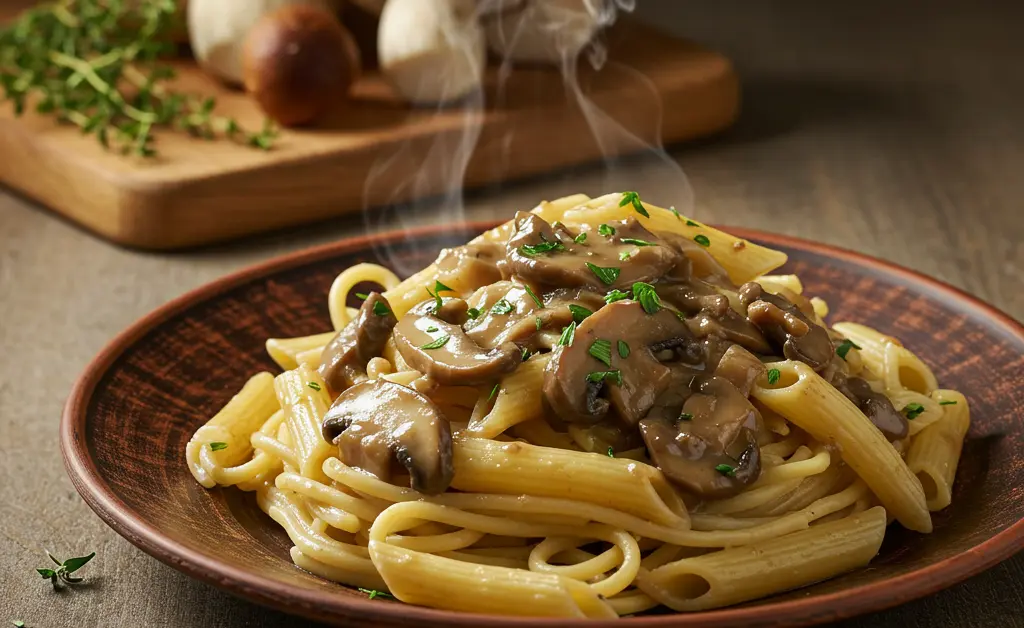
In today’s culinary landscape, where home cooks increasingly seek dishes that are both comforting and gourmet, mastering a classic like porcini mushroom pasta offers immense satisfaction. This beloved Italian staple, celebrated for its deep, earthy flavors and aromatic profile, transforms a simple meal into an exquisite dining experience. Whether you’re aiming for a rich, creamy indulgence or a lighter, yet equally flavorful, preparation without cream, understanding the nuances of these prized mushrooms is key. This guide delves into everything from selecting the best porcini, whether fresh or dried, to expert cooking techniques that ensure a perfect sauce consistency every time, helping you effortlessly bring authentic Italian taste to your table.
Porcini mushroom pasta recipe
Crafting a memorable porcini mushroom pasta involves appreciating the unique characteristics of its star ingredient and combining them with careful cooking techniques. This dish is renowned for its depth of flavor and comforting appeal, making it a favorite across many kitchens.
What Makes Porcini Mushrooms Special for Pasta?
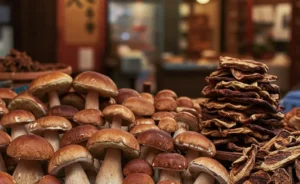
Porcini mushrooms, often referred to as “little pigs” due to their plump, rounded caps, are highly prized in Italian cuisine for their distinct flavor and meaty texture. They impart a deep, earthy, and nutty taste with significant umami notes that elevate any dish. Unlike common button mushrooms, porcini offer a more robust and complex profile, making them ideal for a rich pasta sauce where their flavor can truly shine. Their firm texture also means they hold up well during cooking, providing a satisfying bite. Their distinct flavor makes them suitable for various dishes beyond pasta, such as a flavorful porcini mushroom croquette.
Why This Dish is an Italian Classic
This traditional Italian dish embodies the essence of rustic Italian cooking: simple, high-quality ingredients transformed into something extraordinary. Its popularity stems from the mushroom’s seasonal availability in Italy’s forests, making it a cherished delicacy. The combination of savory porcini with pasta, often enriched with garlic, herbs, and sometimes a touch of wine, creates a comforting and satisfying meal that has been enjoyed for generations. It represents a connection to the land and a celebration of natural flavors. Beyond pasta, porcini are used in various Italian preparations, including porcini mushroom pizza.
Choosing Your Porcini: Fresh vs. Dried
The choice between fresh and dried porcini significantly impacts the flavor and texture of your porcini mushroom pasta. Fresh porcini offer a delicate, slightly sweet aroma and a firm, almost steak-like texture. They are best when sautéed quickly to preserve their nuanced flavor. However, they can be seasonal and expensive. Dried porcini, on the other hand, provide a more concentrated, intensely earthy, and almost smoky flavor. When rehydrated, they yield a robust liquid that is excellent for building the base of your sauce, adding an extra layer of depth. For a truly rich flavor, many chefs combine both, using fresh for texture and dried for an intensified umami punch.
Selecting the Right Pasta Type
The pasta shape plays a crucial role in how well the sauce adheres and is distributed. For porcini mushroom pasta, longer, broader pasta shapes are often preferred. Tagliatelle, fettuccine, and pappardelle are excellent choices because their wider surfaces and slight chewiness allow them to beautifully cradle the rich porcini sauce. Shorter, textured shapes like rigatoni or paccheri can also work well, especially if the sauce is chunky. The goal is to select a pasta that can absorb the flavors and provide a satisfying mouthfeel with each bite.
Easy porcini mushroom pasta
Making an easy porcini mushroom pasta doesn’t mean sacrificing flavor. Simplicity often lies in quality ingredients and straightforward techniques. An easy approach involves using readily available dried porcini, which rehydrate quickly and infuse the sauce with deep flavor. Pair this with a good quality store-bought pasta, a simple aromatic base of garlic and shallots, and a finishing touch of fresh parsley and Parmesan cheese. The key is to let the mushrooms’ natural savory goodness be the star, requiring minimal fuss for a delicious outcome.
Fresh porcini pasta recipe
When fresh porcini are in season, a fresh porcini pasta recipe is a true indulgence. This approach highlights the delicate aroma and meaty texture of the fresh fungi. After gently cleaning and slicing the mushrooms, they are typically sautéed in olive oil and butter with garlic until tender and golden. A splash of white wine or vegetable broth helps deglaze the pan, creating a light yet flavorful sauce. Tossing the freshly cooked pasta directly into the pan with the mushrooms ensures every strand is coated, often finished with a sprinkle of fresh herbs and a grating of cheese for a sublime experience.
Porcini mushroom pasta sauce
The heart of any porcini mushroom pasta lies in its sauce. A classic sauce often begins with a base of sautéed aromatics such as finely chopped shallots or onions and garlic. If using dried porcini, their rehydration liquid forms a vital component, adding profound depth. The mushrooms are then added, cooked until tender, and often deglazed with white wine or broth. Tomatoes, either fresh or canned crushed, can be added for a richer, more rustic ragù, or the sauce can be kept light and clear to let the pure porcini flavor dominate. Seasoning with salt, pepper, and fresh herbs like parsley or thyme completes the savory profile.
Tagliatelle with Porcini Mushrooms
Tagliatelle with porcini mushrooms is a quintessential pairing in Italian cuisine, a testament to how simple ingredients can create an exquisite dish. The broad, flat ribbons of tagliatelle are perfect for holding the rustic, earthy porcini sauce. This combination allows the rich, savory flavors of the mushrooms to cling beautifully to each strand of pasta, ensuring a flavorful experience with every bite. Often, this dish is enhanced with a hint of garlic, a splash of wine, and fresh parsley, culminating in a satisfying meal that is both comforting and elegantly flavorful.
Ingredient Swaps and Enhancements
While a classic porcini mushroom pasta is superb on its own, there are many ways to adapt and enhance it. For additional protein and flavor, consider adding ingredients like Italian sausage (creating a “porcini mushroom and sausage pasta”), pancetta, or speck. Vegetables such as spinach, asparagus, or cherry tomatoes can introduce freshness and color. Herbs like wild mint, sage, or rosemary offer different aromatic dimensions. For a richer sauce, a touch of cream or mascarpone can be folded in, while a squeeze of lemon juice at the end can brighten the overall profile. Experimenting with different broths, such as a vegetable or chicken broth, can also subtly alter the flavor base. You can also explore other mushroom dishes like oyster mushroom recipes. For evidence-based information on food and health, resources like the Cochrane Library are valuable.
Common Mistakes to Avoid
To achieve the best porcini mushroom pasta, be mindful of a few common pitfalls. Overcrowding the pan when sautéing mushrooms can lead to steaming rather than browning, resulting in rubbery texture and less flavor. Ensure your pan is hot and give the mushrooms space. Another mistake is discarding the rehydration liquid from dried porcini; this liquid is packed with flavor and should be strained and incorporated into the sauce. Avoid overcooking the pasta, aiming for al dente. Finally, under-seasoning the sauce or failing to properly emulsify it with pasta water can lead to a bland or watery dish. Tossing the pasta directly in the sauce with a little pasta water helps create a cohesive and flavorful coating. Understanding how to cook oyster mushrooms, for example, also requires similar attention to heat and crowding.
Best Cheeses to Serve with Porcini Pasta
Selecting the right cheese can elevate the earthy flavors of porcini mushroom pasta. Hard, aged Italian cheeses are typically the best companions. Parmesan (Parmigiano Reggiano) is a classic choice, offering a salty, nutty, and slightly sharp flavor that beautifully complements the umami of the mushrooms. Grana Padano is another excellent alternative, similar to Parmesan but often milder. For those who prefer a tangier, sheep’s milk cheese, Pecorino Romano can add a delightful sharpness, though it should be used sparingly as its flavor is quite potent. A fresh grating of cheese just before serving is ideal.
Wine Pairings for an Authentic Experience
Pairing the right wine can significantly enhance the enjoyment of porcini mushroom pasta. Given the earthy and savory notes of porcini, medium-bodied red wines are often an excellent choice. A Pinot Noir, with its earthy undertones and bright acidity, can beautifully complement the mushrooms without overpowering them. Sangiovese-based wines, such as Chianti Classico, also work well, offering a rustic charm. For white wine enthusiasts, a dry, unoaked white with good acidity, like a Vermentino or a crisp Sauvignon Blanc, can provide a refreshing contrast, especially with lighter, no-cream versions of the dish.
Creamy porcini mushroom pasta
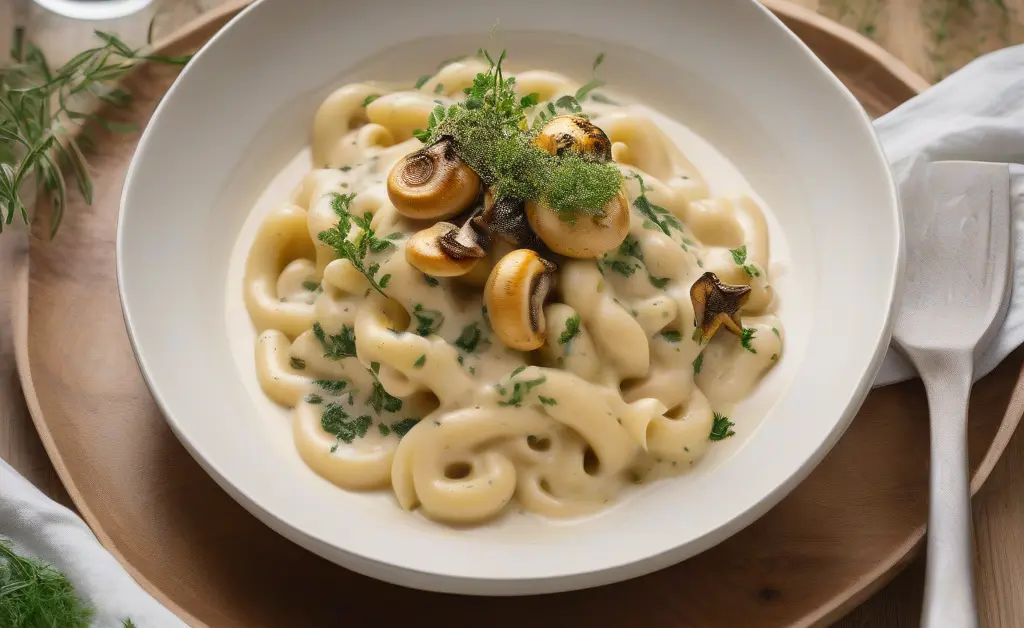
For those who appreciate a richer, more indulgent experience, a creamy porcini mushroom pasta is a delightful choice. This variation often begins similarly to the classic recipe, with sautéed porcini mushrooms and an aromatic base of garlic and shallots. The key difference lies in the addition of dairy, typically heavy cream or a combination of cream and mascarpone cheese, which is stirred into the sauce during the final stages of cooking. The cream envelops the earthy mushrooms, creating a velvety texture and a luxurious mouthfeel that balances the robust flavors of the porcini. A touch of pasta water can help loosen the sauce to the desired consistency, ensuring it coats every strand of pasta beautifully. This makes for a deeply satisfying and comforting meal, perfect for a special occasion or a cozy evening.
Porcini mushroom pasta no cream
Creating a flavorful porcini mushroom pasta without cream is a testament to the power of robust ingredients and clever cooking techniques. The goal is to achieve a rich, emulsified sauce that coats the pasta without relying on dairy. This is often accomplished by building a strong flavor base with rehydrated dried porcini, their soaking liquid, a generous amount of garlic, and a splash of dry white wine or vegetable broth. Sautéing the mushrooms until deeply browned enhances their umami. The secret to a luscious, “no cream” sauce lies in properly emulsifying the pasta water with butter and the mushroom pan juices. The starches in the pasta water help bind the sauce, creating a silky texture that clings to the pasta, allowing the pure, earthy essence of the porcini to shine through. This lighter version still delivers incredible depth and satisfaction.
Dried porcini mushroom pasta
Dried Porcini Pasta
Utilizing dried porcini for pasta offers a powerful flavor advantage, providing a concentrated essence of the mushroom’s distinct earthiness. When making dried porcini mushroom pasta, the process begins with rehydrating the dried fungi, which not only softens them but also produces a highly aromatic soaking liquid. This liquid becomes a crucial ingredient, acting as a natural flavor booster for the sauce base. The rehydrated mushrooms, along with this flavorful broth, are then incorporated into a sauce, often built with garlic, olive oil, and herbs. The result is a deeply savory and umami-rich dish that showcases the intensified flavor profile of dried porcini, making it a staple for authentic Italian cooking, even when fresh porcini are out of season.
Rehydrating Dried Porcini (If Using)
Rehydrating dried porcini is a simple yet essential step that unlocks their full flavor potential. To do this, place the dried mushrooms in a bowl and cover them with very hot, but not boiling, water or warm broth. Allow them to soak for approximately 20-30 minutes, or until they are soft and pliable. Once rehydrated, carefully remove the mushrooms from the liquid, reserving the soaking liquid. Strain this liquid through a fine-mesh sieve or a coffee filter to remove any grit or sediment that may have settled. The rehydrated porcini can then be chopped and added to your dish, while the strained, flavorful liquid can be used as a rich base for your sauce, adding significant depth and umami to your porcini mushroom pasta.
Step-by-Step Guide to Making Porcini Mushroom Pasta
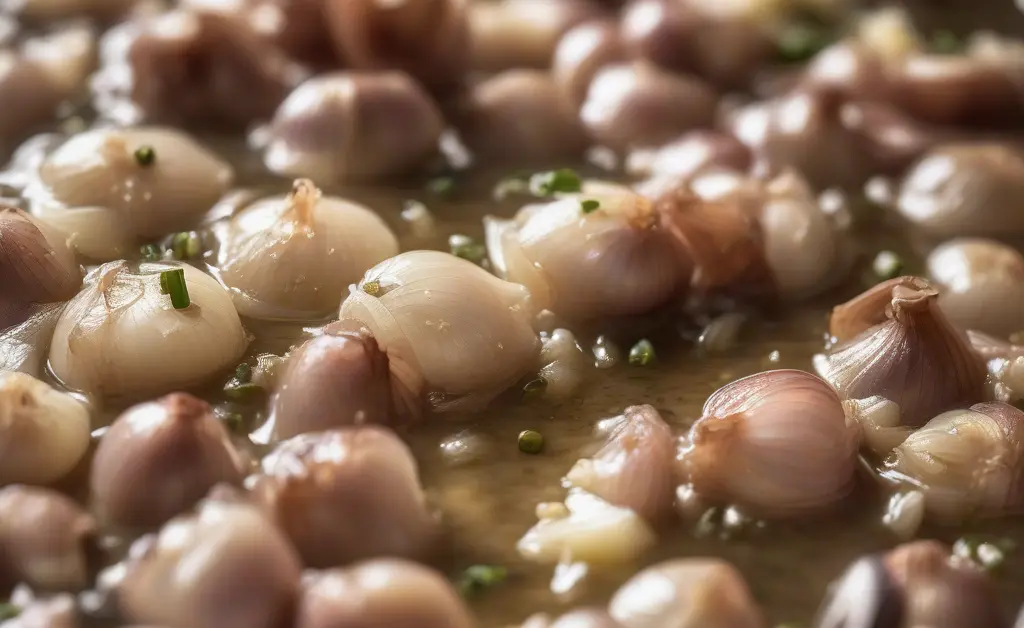
Preparing the Aromatic Base
The foundation of any great porcini mushroom pasta sauce begins with a carefully prepared aromatic base. Start by heating olive oil, often combined with a knob of butter, in a large skillet or pot over medium heat. Add finely minced shallots or onions and sauté them gently until they become translucent and soft, about 3-5 minutes, ensuring they don’t brown too much. Next, add minced garlic and cook for another minute until fragrant, being careful not to burn it. This aromatic trio sets the stage for the rich flavors to come, providing a sweet and pungent backdrop for the earthy porcini.
Cooking the Porcini Mushroom Sauce
Once the aromatics are fragrant, it’s time to introduce the porcini. If using fresh porcini, add them to the pan and sauté until they release their moisture and begin to brown, developing a richer flavor. If using rehydrated dried porcini, add the chopped mushrooms and cook briefly to meld with the aromatics. Pour in the strained porcini soaking liquid or a good quality vegetable or chicken broth. Allow the sauce to simmer gently, reducing slightly and allowing the flavors to meld. Season with salt and freshly ground black pepper to taste.
Flavor Boosters: Wine, Garlic, and Herbs
To deepen the complexity of your porcini mushroom pasta sauce, incorporate additional flavor boosters. A splash of dry white wine, added after the mushrooms have started to cook, can deglaze the pan and add a subtle acidity that brightens the overall taste. Allow the wine to reduce by half to cook off the alcohol. Freshly minced garlic, added towards the end of the aromatic base preparation, provides a pungent kick. Finally, fresh herbs such as flat-leaf parsley, thyme, or a touch of rosemary, finely chopped and stirred in just before serving, add a vibrant, aromatic finish that complements the earthy mushrooms.
Achieving the Perfect Sauce Consistency
The ideal porcini mushroom pasta sauce consistency is one that beautifully coats each strand of pasta without being too thick or too thin. This is often achieved through a process called “mantecare” in Italian, which involves emulsifying the sauce. Once your pasta is cooked to al dente, drain it, reserving a generous amount of the starchy pasta water. Add the pasta directly to the pan with the mushroom sauce. Ladle in some of the reserved pasta water, tossing vigorously or stirring constantly. The starch from the pasta water, combined with any fats in the sauce (like butter or olive oil), creates a smooth, glossy, and cohesive sauce that clings perfectly to the pasta, ensuring every bite is flavorful.
Finishing Your Pasta Dish
The final steps are crucial for bringing your porcini mushroom pasta together. Once the pasta is coated in the sauce and has reached the desired consistency, remove it from the heat. Stir in a generous knob of butter or a drizzle of high-quality olive oil for richness and sheen. A final sprinkle of fresh, chopped herbs like parsley or chives adds brightness and aroma. Serve immediately in warm bowls, ideally garnished with a fresh grating of Parmesan cheese or your preferred hard Italian cheese. A final twist of black pepper can also enhance the flavors before serving.
Mastering porcini mushroom pasta, whether in its creamy indulgence or lighter, no-cream form, is a journey into the heart of Italian culinary tradition. By understanding the nuances of these exceptional fungi, from their selection to their preparation, home cooks can consistently create a dish that is rich in flavor, comforting in spirit, and deeply satisfying. This guide provides the tools and techniques to confidently approach this classic, transforming simple ingredients into an extraordinary meal that celebrates the earthy bounty of the porcini mushroom. Enjoy the process of bringing this beloved Italian staple to your table, savoring each aromatic and savory bite.
This article is meant for general informational use and awareness. It is not intended to provide specific dietary advice, medical diagnosis, or treatment. Nutritional information and potential health benefits mentioned are for educational purposes only. Individuals with allergies, dietary restrictions, or health concerns should consult with a qualified healthcare professional or registered dietitian before making significant changes to their diet or if they have questions about specific foods.
FAQ
— How do you make porcini mushroom pasta from scratch?
Making it from scratch typically involves rehydrating dried porcini mushrooms to unlock their deep, earthy aroma and then sautéing them to concentrate their flavor. These flavorful mushrooms are then often integrated into a rich sauce, perhaps with garlic, herbs, and a touch of cream or tomato, to coat freshly cooked pasta.
— What is the best way to cook porcini mushrooms for pasta?
To maximize their rich, umami flavor for pasta dishes, porcini mushrooms are often sautéed gently in olive oil or butter until they release their moisture and begin to caramelize. This process concentrates their earthy notes, providing a robust base for any accompanying sauce. If using dried, the rehydration liquid can also be strained and added to the sauce to enhance depth.
— What ingredients do I need for porcini mushroom pasta?
Beyond the star porcini mushrooms and your choice of pasta, essential ingredients generally include aromatics like garlic and onion, a good quality fat such as olive oil or butter, and often a liquid component like vegetable broth, white wine, or the mushroom soaking liquid. Fresh herbs, Parmesan cheese, and a touch of cream or tomato can further enhance the sauce’s complexity.
— Can I use dried porcini mushrooms in pasta?
Absolutely, dried porcini mushrooms are very commonly used in pasta dishes and are often preferred for their intense, concentrated flavor profile. Rehydrating them in warm water unlocks their deep umami notes, and the strained soaking liquid becomes a valuable addition to the sauce, contributing significant depth of taste.
— What pasta pairs well with porcini mushrooms?
Hearty pasta shapes that can hold rich, substantial sauces are ideal companions for porcini mushrooms. Options such as tagliatelle, pappardelle, fettuccine, or even short, robust shapes like rigatoni or paccheri, are excellent choices as their surfaces allow the earthy mushroom sauce to cling beautifully.
— Is porcini mushroom pasta a traditional Italian dish?
Yes, porcini mushroom pasta is deeply rooted in traditional Italian cuisine, especially in regions where these esteemed fungi are abundant. This classic preparation celebrates the mushroom’s distinct earthy flavor, often appearing in simple yet rich dishes that highlight its natural richness.