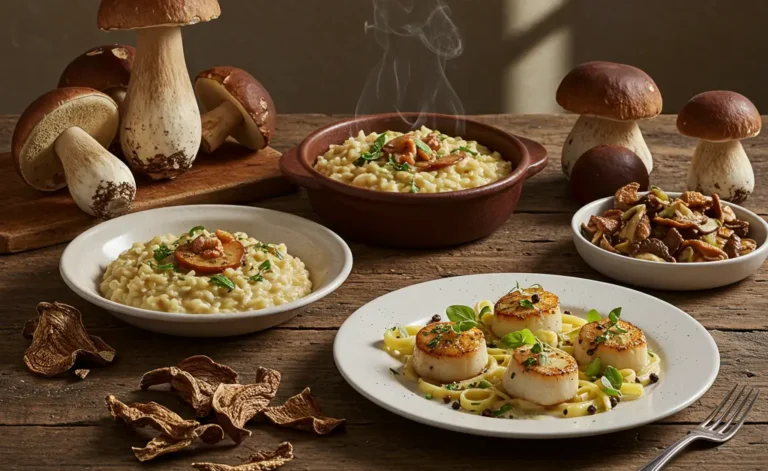
Imagine a crisp autumn evening, the kind that invites warmth and comfort into your home. The day’s activities wind down, and a craving for something deeply satisfying emerges. Perhaps you’ve just returned from a walk in nature, or simply yearn for a dish that speaks of the earth’s bounty. This feeling often leads to the kitchen, a space where simple ingredients can be transformed into extraordinary culinary experiences. It’s in moments like these that the desire to create a truly memorable meal, one that engages all the senses, takes hold. Few dishes embody this spirit of autumnal indulgence and rustic elegance quite like a perfectly executed porcini mushroom risotto, a dish that promises rich flavors and a creamy, comforting embrace with every spoonful. This guide will help you master this classic.
Porcini Mushroom Risotto: An Overview
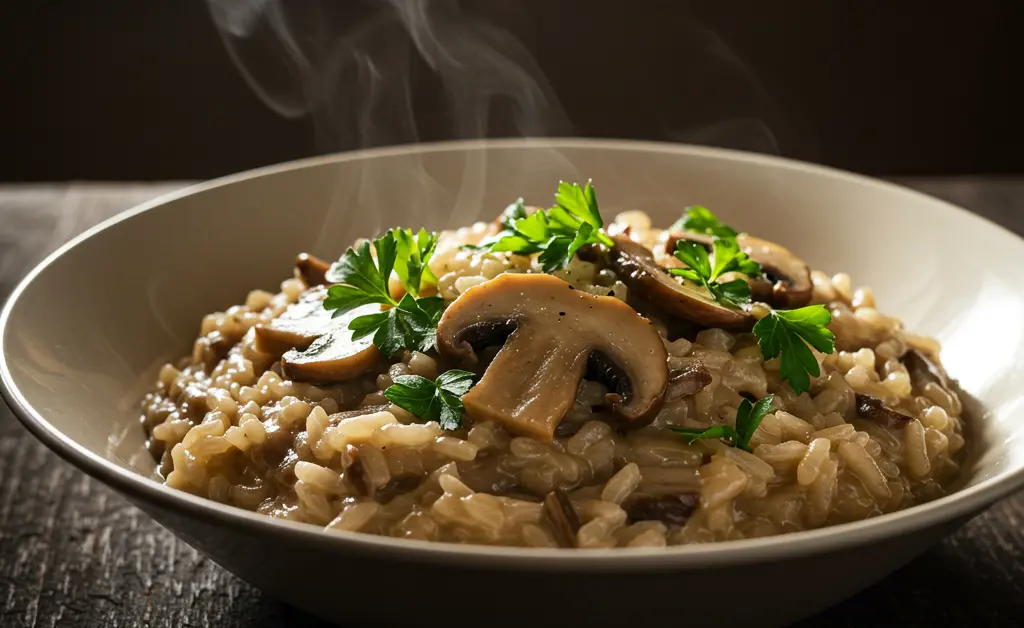
Understanding the essence of this dish is the first step towards mastering it. At its heart, porcini mushroom risotto is a celebration of earthy flavors and a testament to the art of slow, attentive cooking. It’s an Italian classic, revered for its depth of flavor derived from the distinct umami of porcini mushrooms combined with the creamy texture achieved through traditional risotto techniques. This dish is not just food; it’s an experience, bringing the robust taste of the forest floor directly to your table.
True Italian Porcini Mushroom Risotto Style
An authentic Italian porcini mushroom risotto adheres to specific principles that elevate it beyond a simple rice dish. The true style emphasizes quality ingredients, patient stirring, and achieving a delicate balance between the earthiness of the fungi and the richness of the broth and cheese. Unlike some interpretations, a truly traditional method avoids heavy cream, relying instead on the starch released from the rice and the final “mantecatura” (beating in butter and Parmesan) to create its signature creamy texture. The result is a dish that is deeply flavorful, naturally thick, and profoundly satisfying, reflecting centuries of Italian culinary wisdom.
Seasonal Considerations for Porcini Mushroom Risotto
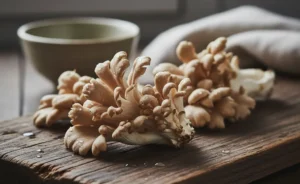
The availability of porcini mushrooms can influence the preparation of your risotto. Fresh porcini are a seasonal delicacy, typically harvested in late summer and autumn, offering a delicate texture and intense aroma. When fresh porcini are abundant, they are undoubtedly the star of the dish. However, for most of the year, dried porcini mushrooms provide an excellent and often more concentrated flavor alternative. These dried fungi are a staple in Italian pantries, ensuring that the rich, earthy taste of porcini mushroom risotto can be enjoyed year-round, regardless of seasonal fresh availability. For those who enjoy aromatic dishes, an oyster mushroom curry recipe offers a distinct culinary experience.
Key Ingredients for Porcini Mushroom Risotto
The success of a truly exceptional porcini mushroom risotto hinges on the quality and careful selection of its core components. Each ingredient plays a vital role in building the layered flavors and achieving the desired texture of this classic dish.
Porcini Mushrooms: Fresh vs. Dried
The choice between fresh and dried porcini mushrooms significantly impacts the final flavor and aroma profile of your risotto. Fresh porcini offer a tender, meaty texture and a delicate, woodsy fragrance. They are a seasonal luxury, best enjoyed when available. Dried porcini, on the other hand, provide an intense, concentrated umami flavor and a robust aroma. They are incredibly versatile and accessible throughout the year. When using dried porcini, the soaking liquid they produce is a critical component, adding another layer of earthy depth to the broth, making it an indispensable part of many porcini mushroom risotto recipes. Another interesting use for mushrooms can be found in a king oyster mushroom katsu curry recipe, highlighting the versatility of fungi in diverse cuisines.
Selecting the Best Risotto Rice
The type of rice used is paramount to achieving the signature creamy texture of risotto. The best options are short to medium-grain rice varieties with a high starch content, such as Arborio or Carnaroli rice. Arborio is widely available and performs well, but Carnaroli is often considered the “king of risotto rice” due to its higher starch content and firm grain, which allows it to absorb more liquid without becoming mushy, resulting in a creamier and more forgiving risotto. These specialized grains release starch slowly as they are stirred, creating the desired rich and velvety consistency.
Key Flavor Enhancers: Wine, Broth, and Aromatics
Beyond the porcini, several ingredients build the foundational flavors of a delicious porcini mushroom risotto. A dry white wine is crucial for deglazing the pan after toasting the rice, adding a bright, acidic note that balances the richness. High-quality broth, whether vegetable broth or chicken broth, is essential, as it slowly infuses the rice with flavor as it cooks. Aromatics like finely diced onion, shallots, and minced garlic create a fragrant base, often sautéed in olive oil until translucent, providing a sweet and savory backbone. Fresh herbs such as parsley or thyme can also be added to enhance the overall aroma. Alternatively, for a quicker preparation, consider a delicious oyster mushroom air fryer recipe.
Finishing Touches: Butter and Parmesan
The final steps of making risotto, known as “mantecatura,” are critical for achieving its characteristic creaminess and richness. A generous knob of cold butter is stirred in at the very end, lending a luxurious sheen and smooth texture. Immediately followed by freshly grated Parmesan cheese, or for a slightly different nutty profile, Grana Padano, these ingredients melt into the hot rice, emulsifying with the starch and broth to create a truly irresistible, velvety finish. These finishing touches contribute significantly to the dish’s depth of flavor and comforting appeal.
Making Porcini Mushroom Risotto: Step-by-Step Recipe
Crafting a delectable porcini mushroom risotto is a rewarding culinary journey that relies on attention to detail and a methodical approach. Follow these steps to create a rich and creamy dish.
Preparing Dried Porcini Mushrooms
If using dried porcini, start by rehydrating them. Place the dried mushrooms in a bowl and cover them with very hot, but not boiling, water or broth. Let them soak for about 20-30 minutes, or until softened. Once rehydrated, carefully remove the mushrooms from the liquid, gently squeezing out any excess. Coarsely chop the rehydrated porcini. IMPORTANT: Strain the mushroom soaking liquid through a fine-mesh sieve or cheesecloth to remove any grit, and reserve it. This flavorful liquid will be incorporated into your risotto, adding a profound umami depth.
Building the Flavor Base: Sautéing Aromatics
The foundation of any great risotto is its aromatic base. In a heavy-bottomed pot or Dutch oven, heat a generous amount of olive oil over medium heat. Add finely chopped onion or shallots and a pinch of salt. Sauté gently until they become translucent and softened, typically about 5-7 minutes. Add minced garlic and cook for another minute until fragrant, being careful not to let it brown. This slow sautéing process coaxes out the natural sweetness and depth of these ingredients, which will infuse the entire porcini mushroom risotto.
Toasting the Rice and Deglazing with Wine
Once the aromatics are ready, add the risotto rice (Arborio or Carnaroli) to the pot. Stir constantly for 2-3 minutes until the edges of the grains become translucent and they emit a slightly nutty aroma; this is known as “toasting the rice.” This step helps the rice maintain its structure and prevents it from becoming mushy. Next, pour in a splash of dry white wine. Stir continuously until the wine is fully absorbed and evaporated. This process, called deglazing, adds a bright acidity and depth to the flavor profile.
Gradual Broth Addition for Creaminess
Now begins the heart of the risotto-making process. Add the rehydrated and chopped porcini mushrooms to the rice. Pour in one ladleful of warm broth (including the strained porcini soaking liquid) at a time, stirring gently but constantly. Wait until almost all the liquid has been absorbed by the rice before adding the next ladleful. This gradual addition and constant stirring encourage the rice grains to release their starch, creating the characteristic creamy texture. Continue this process for approximately 18-20 minutes, or until the rice is tender yet still has a slight bite in the center (al dente).
Mantecaura: Finishing with Butter and Cheese
When the rice has reached the desired al dente texture, remove the pot from the heat. This is the stage for “mantecatura,” a crucial step for achieving the ultimate creaminess. Stir in a generous knob of cold butter and a substantial amount of freshly grated Parmesan cheese. Stir vigorously until the butter and cheese are fully melted and emulsified into the risotto, creating a rich, glossy, and velvety consistency. Taste and adjust seasoning with salt and pepper as needed. Let the porcini mushroom risotto rest for a minute or two, covered, before serving immediately.
Achieving the Perfect Porcini Mushroom Risotto
Mastering this Italian classic involves understanding key techniques and nuances that elevate it from good to truly exceptional. Attention to detail throughout the cooking process is vital for success.
Simplifying the Porcini Mushroom Risotto Process
While often perceived as complex, making porcini mushroom risotto can be simplified with a few tips. Prepare all your ingredients (mise en place) before you start cooking, including warming your broth. This ensures a smooth, uninterrupted process. Use a wooden spoon for stirring, which helps prevent the rice from sticking. Don’t rush the broth addition; patience is key to developing creaminess. Also, remember that the constant stirring is less about vigorous mixing and more about gentle agitation to help the rice release its starch evenly. Having all components ready and a calm approach can make the process much more enjoyable and less intimidating.
Achieving the Ideal “Al Dente” Texture
The hallmark of a perfectly cooked risotto is its “al dente” texture. This means the rice grains should be tender, yet still firm to the bite, with a slight resistance in the center. They should not be mushy or crunchy. To achieve this, begin tasting the rice around the 15-minute mark of broth addition. Continue adding broth and tasting every minute or so until the ideal texture is reached. The risotto should flow gently on the plate, not stand stiffly, indicating it’s neither too dry nor too soupy. This perfect balance ensures that every spoonful of porcini mushroom risotto is a delight.
Variations and Serving Suggestions for Porcini Mushroom Risotto
While classic porcini mushroom risotto is exquisite on its own, it also serves as a versatile base for culinary creativity. For a heartier meal, you might consider a porcini mushroom risotto with chicken, where seared chicken pieces are added at the end. Vegetarian options abound, including a porcini mushroom and spinach risotto, which adds a fresh, green element. Some recipes might incorporate other fungi, creating a creamy Portobello and Porcini Mushroom Risotto, blending different earthy notes. Perhaps you are also interested in exploring a variety of oyster mushroom recipes. Serving suggestions are usually simple; often, a final drizzle of good olive oil, a sprinkle of fresh parsley, or extra grated Parmesan cheese is all that’s needed to complement its rich flavor. It pairs beautifully with a crisp green salad or crusty bread to soak up every last drop.
Storing and Reheating Porcini Mushroom Risotto
Leftover porcini mushroom risotto can be stored and reheated, though it’s important to manage expectations regarding its original creamy texture. To store, allow the risotto to cool completely before transferring it to an airtight container. Refrigerate promptly, where it can typically be kept for a few days. When reheating, the key is to gently reintroduce moisture. Place the risotto in a saucepan over low-medium heat, adding a splash of broth or water and stirring frequently until heated through. The rice may not retain its initial al dente bite and ultimate creaminess, as it will continue to absorb liquid and soften, but it will still be delicious. Freezing is possible, but generally not recommended for optimal texture; if frozen, thaw thoroughly in the refrigerator before reheating as described. For general health and food safety guidelines, you may find useful resources from the NHS.
This information is provided for educational purposes only. It is not intended to be a substitute for professional advice, diagnosis, or treatment. Always seek the advice of a qualified professional for any questions regarding your personal circumstances. Reliance on any information provided is solely at your own risk. The content aims to be informative and should be used as a general guide.
FAQ
— How do you rehydrate dried porcini mushrooms for risotto?
To rehydrate dried porcini, place them in a bowl and cover them with warm, not boiling, water or vegetable broth. Allow them to soak for approximately 20-30 minutes until they become tender and plump. Afterward, carefully strain the flavorful liquid through a fine-mesh sieve or cheesecloth to remove any grit, reserving this liquid to use in your risotto.
— What is the best rice to use for porcini mushroom risotto?
The best rice for a truly authentic porcini mushroom risotto is a short-grain, high-starch variety like Arborio or Carnaroli. These particular rice types are known for their ability to absorb a significant amount of liquid while steadily releasing their starches, which is essential for achieving the signature creamy texture without becoming mushy.
— Can I make porcini mushroom risotto without white wine?
Yes, you can certainly prepare a delicious risotto without using white wine. Simply omit the wine and replace that portion of liquid with additional warm vegetable or chicken broth. If you desire a hint of acidity, a very small splash of lemon juice or white wine vinegar can be added at the beginning, but it’s not strictly necessary.
— How do I make my risotto creamy without heavy cream?
The inherent creaminess of risotto comes primarily from the starch released by the rice itself, not from added cream. Constant stirring during cooking helps the rice grains abrade against each other, releasing their starches into the liquid to form a rich sauce. Finishing the dish off the heat with a generous knob of butter and freshly grated Parmesan cheese, then stirring vigorously, further contributes to that desired velvety texture.
— What are the traditional ingredients in porcini mushroom risotto?
Traditionally, the core components of porcini mushroom risotto include rehydrated dried porcini mushrooms, a high-starch risotto rice such as Arborio, and a flavorful vegetable or chicken broth. Aromatic elements like finely chopped onion or shallots and garlic provide the base, often sautéed in olive oil, with white wine used for deglazing the pan. The dish is typically finished with butter and freshly grated Parmesan cheese, sometimes garnished with fresh parsley.
— How long does porcini mushroom risotto take to cook?
From the point of adding the liquid to the rice, a classic risotto typically takes about 20 to 30 minutes of active cooking and stirring. This gradual process ensures the rice absorbs the broth slowly, allowing it to develop its characteristic creamy consistency and tender, yet al dente, bite. This timeframe does not include the preparation time for rehydrating mushrooms or chopping other ingredients.