Many individuals grapple with the increasing complexities of maintaining optimal health, often feeling overwhelmed by the sheer volume of information and the challenge of integrating effective, natural solutions into their busy lives. The desire to support vital organs, particularly the liver, without resorting to drastic measures or complicated routines, is a common aspiration. It can be frustrating to navigate the myriad of wellness claims, seeking genuine, time-tested ingredients that offer tangible benefits. This guide explores the remarkable potential of tremella mushroom for liver health, examining its traditional uses, scientific benefits, and practical incorporation into daily routines. Discover how this fascinating fungus, often overlooked in Western wellness, provides a compelling natural avenue for enhancing hepatic wellness.
Tremella Mushroom for Liver Health: An Overview
Tremella Mushroom for Liver Health
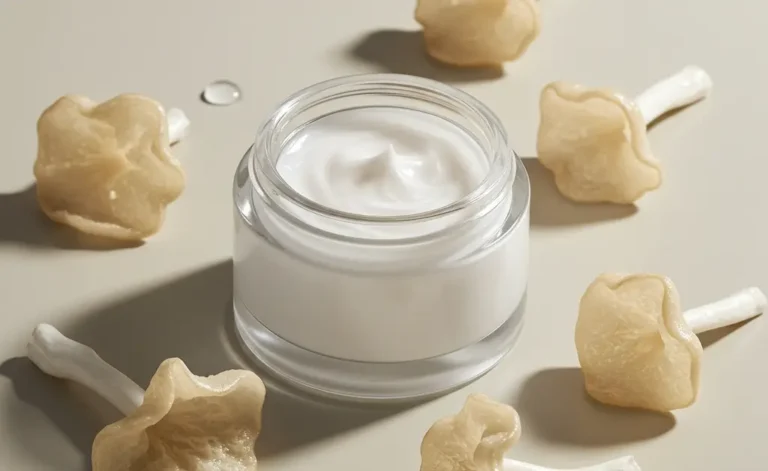
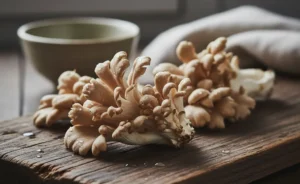
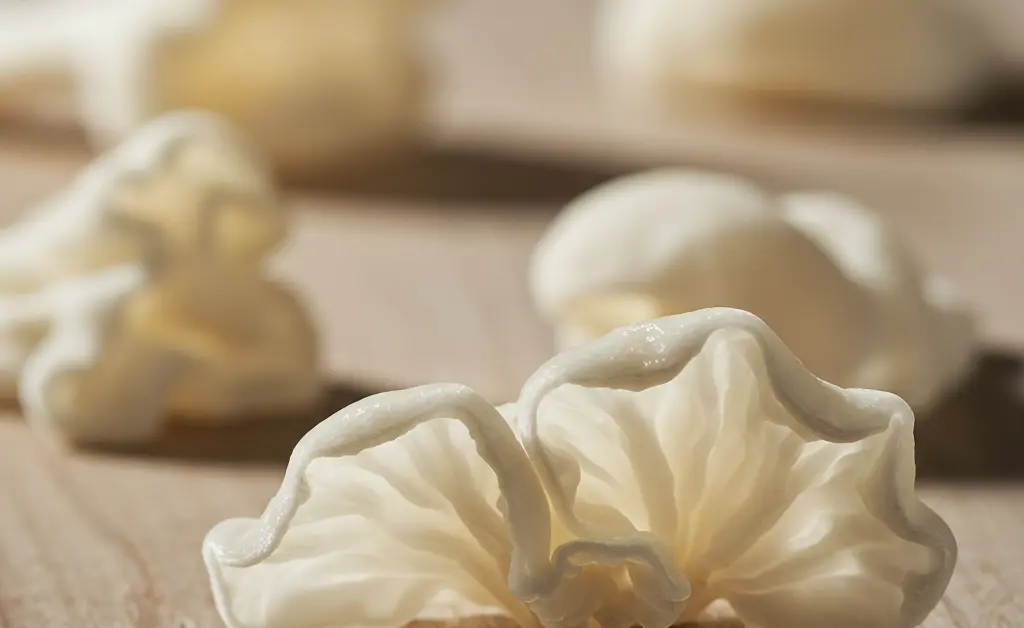
Tremella fuciformis, commonly known as the snow mushroom or silver ear mushroom, is a delicate and gelatinous fungi revered in various cultures, particularly within Traditional Chinese Medicine (TCM). Beyond its culinary appeal, this medicinal mushroom has garnered attention for its diverse health benefits, making it a subject of increasing scientific interest. Its rich composition, including unique polysaccharides and other bioactive compounds, contributes to its potential as a supportive agent for overall wellness. The discussion around tremella mushroom for liver health highlights its potential role in maintaining the integrity and optimal function of this vital organ, which is crucial for numerous bodily processes, from detoxification to metabolism.
Benefits of Tremella Mushroom for Liver Support
Antioxidant Properties and Liver Protection
The liver is constantly exposed to various stressors, including environmental toxins and metabolic byproducts, which can lead to oxidative stress. Oxidative stress, an imbalance between free radicals and antioxidants in the body, can potentially damage liver cells and impair liver function. Tremella mushroom contains potent antioxidant compounds, particularly its unique polysaccharides, which may help neutralize free radicals. By supporting the body’s natural antioxidant defenses, tremella mushroom may contribute to liver protection and support cellular health, safeguarding the liver against the effects of oxidative damage.
Modulating Inflammatory Responses in the Liver
Inflammation is a natural immune response, but chronic inflammation in the liver can contribute to various hepatic conditions. The bioactive compounds found in tremella mushroom have been studied for their potential to modulate inflammatory responses. These properties may help maintain a balanced inflammatory environment within the liver, thereby supporting its overall health and resilience. By influencing inflammatory pathways, tremella may offer a supportive role in mitigating stress on liver tissues and promoting a healthier internal state. For more scientific insights into medicinal mushrooms, consider resources like NCBI.
Supporting Liver Detoxification Pathways
The liver plays a central role in the body’s detoxification processes, filtering blood and metabolizing harmful substances. Supporting these complex pathways is essential for maintaining robust liver function. While not a direct detox agent, tremella mushroom for liver health may indirectly support the liver’s natural ability to process and eliminate toxins. Its general tonic and protective properties may enhance the liver’s capacity to perform its daily detoxification tasks efficiently, contributing to overall hepatic wellness. Further exploration into tremella mushroom gut health reveals additional digestive support.
Traditional Uses of Tremella Mushroom for Liver Health

Tremella as a Liver Tonic in Traditional Chinese Medicine (TCM)
In Traditional Chinese Medicine (TCM), tremella mushroom has been valued for centuries as a “yin-nourishing” tonic. Within this holistic system, the liver is seen as a crucial organ responsible for the smooth flow of Qi (life energy) and blood, as well as storing blood. Imbalances in liver yin can manifest in various ways, and tremella is traditionally used to replenish and support this aspect. Its use as a liver tonic in TCM reflects a long-standing understanding of its potential to promote harmony and balance within the body’s intricate systems, including those involving the liver.
Traditional Perspectives on Liver Support with Tremella
Beyond its specific classification in TCM, traditional perspectives across various Asian cultures have embraced tremella for its general health benefits, many of which indirectly contribute to liver support. Historically, it has been consumed for its perceived ability to enhance vitality, promote skin health, and support overall well-being, often linked to its nourishing and hydrating properties. These traditional uses suggest a broader application as a gentle adaptogen, helping the body adapt to stress and maintain equilibrium. This holistic approach naturally extends to supporting vital organs like the liver, ensuring they function optimally as part of a healthy system. The traditional understanding of tremella mushroom for liver health is rooted in these broader concepts of internal balance and nourishment. For those interested in specific advantages, you can explore tremella mushroom benefits for women.
Incorporating Tremella Mushroom for Hepatic Wellness
Forms of Tremella for Liver Health (Powder, Extracts, Fresh)
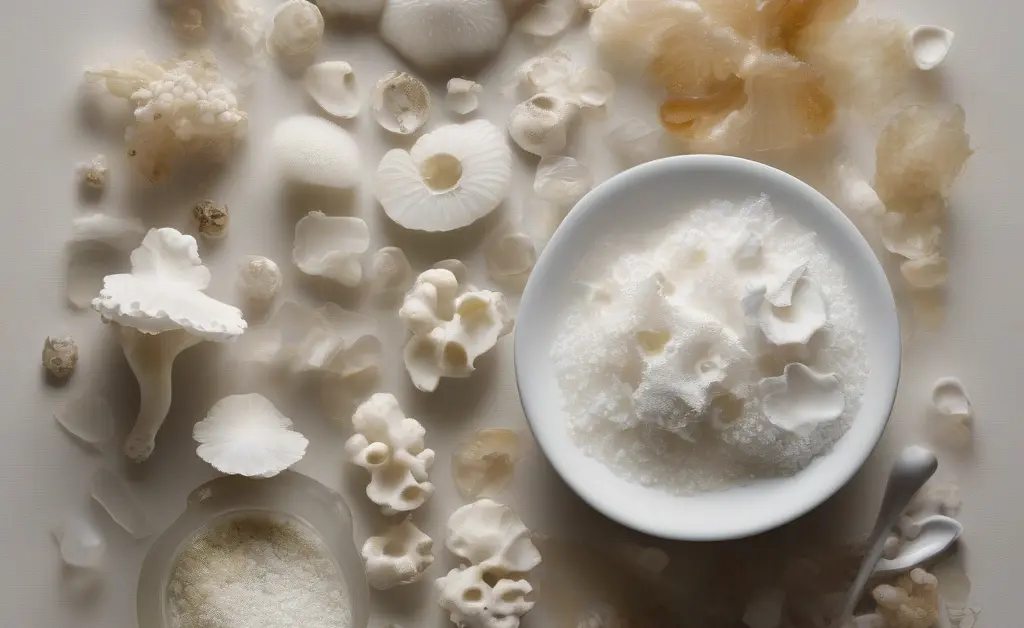
Tremella mushroom is available in various forms, offering flexibility for individuals looking to incorporate it into their routine for hepatic health. Fresh tremella is often used in culinary preparations, particularly in Asian cuisine, for its unique texture and mild flavor. For more concentrated benefits, dried tremella can be rehydrated and cooked, or processed into powders and extracts. Tremella powder can be easily added to smoothies, teas, or other beverages, providing a convenient way to consume the mushroom. Extracts, often standardized to contain specific levels of polysaccharides, are available in capsule or liquid form and may offer a more potent approach for liver support. The choice of form often depends on personal preference, lifestyle, and the desired concentration of beneficial compounds.
General Dosage Guidelines for Tremella and Liver Support
When considering tremella mushroom for liver support, it is important to approach its use thoughtfully. As with any supplement or natural health product, individual responses can vary. General guidelines often suggest starting with a smaller quantity and gradually increasing it while observing how your body responds. It is always recommended to follow the instructions provided by the product manufacturer, as concentrations and formulations can differ significantly between brands, especially for powders and extracts. Consulting with a qualified healthcare professional is advisable to determine an appropriate approach tailored to your specific health needs and to discuss any potential interactions with other supplements or medications. They can provide personalized advice on incorporating tremella safely and effectively into your wellness regimen.
Tremella mushroom stands out as a fascinating natural ingredient with a rich history of traditional use and emerging scientific interest regarding its potential to support liver health. Its antioxidant, anti-inflammatory, and potential detoxification support properties offer a compelling avenue for those seeking to enhance their hepatic wellness through natural means. From its ancient roots in Traditional Chinese Medicine to its modern forms as a supplement, tremella mushroom provides a versatile option for promoting overall well-being and maintaining the vitality of one of the body’s most crucial organs. As with any health-focused regimen, consistency and an informed approach, ideally with professional guidance, are key to harnessing its potential benefits.
This content is for informational use and should not be considered medical instruction. It is not intended to diagnose, treat, cure, or prevent any disease. Always consult with a qualified healthcare professional before making any decisions about your health, diet, or lifestyle. Individual results may vary, and the information provided does not substitute for professional medical advice or treatment.
FAQ
— What are the benefits of tremella mushroom for liver health?
Tremella mushroom is recognized for its rich antioxidant content, which plays a significant role in cellular protection throughout the body. These compounds help combat oxidative stress, an important factor in maintaining overall organ function and cellular integrity.
— How does tremella mushroom support liver health?
The polysaccharides found in tremella mushroom for liver health are particularly relevant, as they are known to modulate immune responses and possess notable antioxidant properties. This action helps to protect liver cells from damage by neutralizing free radicals, thereby supporting the organ’s natural functions.
— Can tremella mushroom help with liver detoxification?
While tremella mushroom does not directly “detoxify” the liver in a pharmacological sense, its antioxidant properties contribute to a healthy cellular environment. By reducing oxidative stress, it helps the body’s inherent detoxification pathways function optimally, rather than acting as a direct cleansing agent itself.
— Is tremella mushroom safe for liver conditions?
Tremella mushroom is generally considered safe and well-tolerated when consumed as a food or supplement. However, individuals with existing liver conditions should always consult a healthcare professional before adding any new supplement to their regimen to ensure it aligns with their specific health needs.
— What is the traditional use of tremella for liver support?
In traditional Chinese medicine, tremella mushroom has a long history of use for supporting overall vitality and organ balance. It was often incorporated into tonics and elixirs, believed to nourish the body from within and contribute to general well-being, which implicitly supports systemic health, including the liver.