
Many people are familiar with common button mushrooms or even portobellos found in grocery stores. However, the world of fungi offers a wider array of culinary delights, among which the king oyster mushroom stands out. Unlike its more delicate oyster mushroom relatives, this variety boasts a much sturdier structure, resembling a thick stem rather than a typical cap. This robust form contributes significantly to its unique appeal in various cuisines. Understanding what is king oyster mushroom involves exploring its distinctive appearance, firm texture, and subtle flavor, which collectively set it apart from other edible fungi. Its versatility in cooking and growing popularity highlight its exceptional qualities, making it a sought-after ingredient for both home cooks and professional chefs worldwide.
What Are King Oyster Mushrooms: An Overview
Delving into what is king oyster mushroom reveals a fascinating culinary and mycological subject. This gourmet mushroom is celebrated for its substantial size and adaptable nature in various dishes. Often considered a “meatier” alternative to other fungi, it offers a satisfying presence that has earned it a distinguished place in kitchens around the globe.
Scientific Name and Common Aliases
The king oyster mushroom is scientifically known as Pleurotus eryngii. This scientific name refers to its classification within the oyster mushroom family, though its appearance is quite distinct from other members. Beyond its scientific designation, it is also widely recognized by several common aliases, including King Trumpet Mushroom, trumpet mushroom, and simply eryngii. The “king” in its name alludes to its impressive size and robust structure compared to more common oyster mushrooms, while the “oyster” part links it to its genus, Pleurotus. The king oyster mushroom name in other languages often reflects its unique characteristics or regional variations.
Origin and Natural Habitat
The king oyster mushroom is native to the Mediterranean regions of Europe, the Middle East, and North Africa, as well as parts of Asia. In its natural habitat, this edible fungus typically grows on the root systems of dead or dying broadleaf trees, particularly on the roots of eryngium plants (hence its species name, eryngii). Unlike many other fungi that sprout from decaying wood, its preference for root systems contributes to its robust structure and dense texture. Today, while still found in the wild, the majority of king oyster mushrooms available commercially are cultivated under controlled conditions using various substrates.
Nutritional Highlights
King oyster mushrooms are not only prized for their culinary versatility but also for their nutritional profile. They are considered a valuable addition to a balanced diet, potentially contributing to overall wellness. These gourmet mushrooms contain protein, which is essential for bodily functions, and may also be a source of various vitamins and minerals. Consumers seeking healthy food choices often appreciate the benefits associated with including this savory edible fungus in their meals. While it’s important to consume a varied diet, the nutritional composition of king oyster mushrooms makes them a noteworthy ingredient. For more comprehensive information on nutritional science, resources are available from institutions such as the NIH.
Distinctive Characteristics of King Oyster Mushrooms
Understanding what is king oyster mushroom also means appreciating the unique traits that set it apart from other fungi. Its distinctive characteristics contribute significantly to its appeal and versatility as a culinary ingredient, making it a favorite among chefs and home cooks alike.
Key Identifying Features
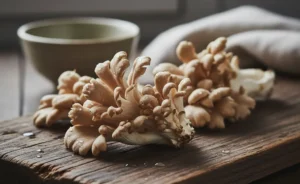
The most striking feature of the king oyster mushroom is its appearance. Unlike its fluted, shelf-like oyster mushroom relatives, it boasts a thick, cylindrical, and firm texture stalk, topped with a relatively small, flattened cap. The stalk is dense and meaty, often more prominent than the cap itself. Its gills are typically found on the underside of the cap, extending down the stalk. This sturdy form differentiates it markedly from other varieties, making it easily recognizable. When comparing king oyster mushroom versus other oyster mushrooms, its solid stem is the defining characteristic.
Unique Texture Profile
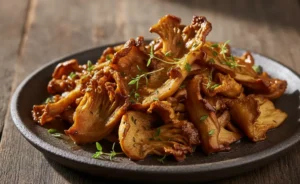
Perhaps the most celebrated characteristic of the king oyster mushroom is its unique texture. It possesses a firm texture that remains satisfyingly chewy even after cooking. The dense stalk, in particular, offers a substantial mouthfeel, often described as meaty or even scallop-like. This distinct texture allows it to hold up well to various cooking methods, from sautéed and grilled to roasted, without becoming soggy or disintegrating. Its ability to mimic the texture of meat makes it a popular meat substitute in vegetarian and vegan cuisines. For those seeking alternatives, exploring a king oyster mushroom substitute can open up new culinary possibilities.
Subtle Flavor and Aroma
Beyond its texture, the king oyster mushroom offers a subtle yet profound flavor profile. It is renowned for its rich umami flavor, a savory depth that enhances dishes without overpowering other ingredients. The aroma is earthy and slightly sweet, contributing to its overall gourmet appeal. When cooked, the mushroom develops a mild, savory taste that pairs well with a wide range of spices and seasonings. Its nuanced flavor makes it a versatile ingredient, capable of absorbing and complementing the tastes of the dishes it accompanies.
Key Differentiating Factors
The king oyster mushroom stands out in the world of edible fungi due to several key differentiating factors. Its robust, dense stalk and relatively small cap set it apart from other oyster mushroom varieties, which typically have larger caps and thinner stems. This structural difference accounts for its unique firm texture and its ability to act as a substantial culinary ingredient. While other mushrooms may offer umami, the combination of the king oyster mushroom’s savory flavor, meaty texture, and impressive appearance makes it a premium choice. This distinct profile highlights what is king oyster mushroom’s unique position among gourmet mushrooms.
The versatility and unique attributes of the king oyster mushroom have secured its place as a valued culinary ingredient. From its scientific classification as Pleurotus eryngii to its firm texture and umami flavor, it offers a distinct experience. Chefs and home cooks appreciate its ability to adapt to various cooking methods, making it an excellent choice for savory dishes. As more people discover this gourmet mushroom, its popularity continues to grow, cementing its status as a king among fungi.
While this article discusses health-related topics, it does not provide medical guidance. The information presented is for general knowledge and informational purposes only, and does not constitute medical advice, diagnosis, or treatment. Always seek the advice of a qualified healthcare professional for any medical concerns or before making any decisions related to your health or treatment. Reliance on any information provided in this article is solely at your own risk.
FAQ
— What is another name for king oyster mushrooms?
King oyster mushrooms are often referred to as King Trumpet mushrooms due to their large, trumpet-like stem. They are also known as French horn mushrooms or Eryngii, reflecting their scientific name, *Pleurotus eryngii*.
— What do king oyster mushrooms taste like?
King oyster mushrooms possess a mild, savory flavor that deepens and becomes more pronounced when cooked. They are prized for their rich umami notes, which can sometimes be described as subtly sweet and earthy.
— What is the texture of king oyster mushrooms?
These mushrooms are celebrated for their exceptionally firm and meaty texture, particularly in their thick stem. Unlike many other mushrooms, king oysters maintain a satisfying chewiness even after cooking, offering a substantial mouthfeel.
— Are king oyster mushrooms good for you?
Beyond their culinary appeal, what is king oyster mushroom is also known for being a source of various nutrients, including certain B vitamins, fiber, and potassium. They are also being explored for their unique bioactive compounds, which are relevant to general wellness.
— Where are king oyster mushrooms grown?
Originally native to the Mediterranean regions of Europe, the Middle East, and North Africa, king oyster mushrooms are now widely cultivated across the globe. They are typically grown in controlled indoor environments on substrates like sawdust, ensuring consistent quality and availability.