
Mushrooms are a staple in many cuisines around the world, appreciated for their diverse flavors and textures. Among the many edible fungi available, one variety that stands out for its unique characteristics is the king oyster mushroom. Often recognized by its thick, meaty stem and small cap, this mushroom offers a distinct culinary experience. Understanding what is king oyster mushroom goes beyond just its appearance; it involves appreciating its versatile nature in the kitchen and its subtle, earthy taste. This particular mushroom has gained popularity globally not only for its appealing texture, which holds up well to various cooking methods, but also for its ability to absorb flavors, making it a favorite ingredient for chefs and home cooks seeking depth in their dishes.
What Are King Oyster Mushrooms: An Overview
Delving into what is king oyster mushroom reveals a gourmet mushroom highly valued for its robust structure and savory profile. This edible fungus has garnered significant attention in various culinary traditions, distinguishing itself from other members of the oyster mushroom family. Its unique attributes make it a prized ingredient, offering both nutritional benefits and a satisfying eating experience.
Scientific Name and Common Aliases
The king oyster mushroom is scientifically known as Pleurotus eryngii. Beyond its scientific designation, it is also widely recognized by several common aliases, most notably “King Trumpet Mushroom” or simply “trumpet mushroom.” Other names include “eryngii,” reflecting its scientific root, and sometimes “French horn mushroom.” The designation “king oyster” and “king trumpet” aptly refer to its larger size and more substantial, firm texture compared to other oyster mushroom varieties. Exploring the king oyster mushroom name in other languages can reveal its global culinary reach. Understanding these names helps to identify this distinctive culinary ingredient in markets and recipes.
Origin and Natural Habitat
The king oyster mushroom originates from the Mediterranean regions of Europe, the Middle East, and North Africa, as well as parts of Asia. In its natural habitat, this fungus typically grows on the decaying root systems of broadleaf trees, though it can also be found on the stumps of certain plants like thistles. Unlike many other oyster mushrooms that grow in large clusters, Pleurotus eryngii often grows solitarily or in small groups. Its adaptability and desirable characteristics have led to its widespread cultivation in many parts of the world, making it more readily available for culinary use.
Nutritional Highlights
The king oyster mushroom is not only appreciated for its culinary versatility but also for its nutritional highlights. As a gourmet mushroom, it contains various beneficial compounds, including protein, dietary fiber, and a range of vitamins and minerals. Scientific research on its properties can be found on PubMed. It is often considered a nutritious addition to any diet, contributing to overall wellness without compromising on flavor or texture. These nutritional benefits, combined with its unique texture and umami flavor, make it a popular choice for those seeking to enhance their meals with wholesome ingredients.
Distinctive Characteristics of King Oyster Mushrooms
To fully appreciate what is king oyster mushroom, one must examine its distinctive characteristics that set it apart from other fungi. From its physical appearance to its unique texture and flavor, these features contribute to its esteemed status in the culinary world. It’s these particular qualities that make it a favorite for many chefs and home cooks exploring new ingredients.
Key Identifying Features
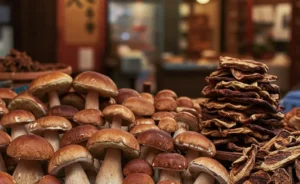
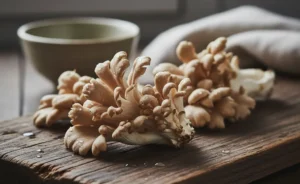
The king oyster mushroom is easily identifiable by its striking appearance. It typically features a thick, cylindrical stalk that is notably dense and firm, making up the majority of the mushroom’s edible mass. The cap is relatively small and rounded, often brownish, and sits atop the robust stalk. Unlike many other mushroom varieties, its gills, found on the underside of the cap, are usually less pronounced and do not extend far down the stalk. This compact structure and substantial stalk are primary reasons why it’s so prized as a culinary ingredient.
Unique Texture Profile
One of the most celebrated attributes of the king oyster mushroom is its unique texture profile. Its dense, firm texture is often compared to scallops or abalone, especially when sliced and cooked. This meaty consistency allows the mushroom to retain its integrity through various cooking methods, whether it’s sautéed, grilled, or roasted. The stalk, being particularly dense, provides a satisfying chewiness that holds up exceptionally well, making it a popular meat substitute in many vegetarian and vegan dishes. For those seeking alternatives, understanding a king oyster mushroom substitute can be helpful for various recipes. This firm texture is a key reason for its appeal to a wide range of palates.
Subtle Flavor and Aroma
The flavor of the king oyster mushroom is subtle yet distinct, characterized by an earthy, savory, and umami profile. It does not possess an overpowering mushroom taste, which allows it to absorb and enhance the flavors of other ingredients it’s cooked with. When asking, “Does king oyster mushroom taste like meat?” the answer lies more in its texture and its ability to take on the qualities of savory dishes rather than an inherent meaty flavor itself. Its mild aroma further contributes to its versatility, making it an excellent canvas for various seasonings and culinary applications.
Key Differentiating Factors
Understanding the key differentiating factors helps clarify the unique position of the king oyster mushroom among other varieties. Often, people wonder, “What is King Oyster Mushroom vs Oyster Mushroom?” or “Is King Oyster Mushroom the Same as Oyster Mushroom?” While it belongs to the same Pleurotus genus as common oyster mushrooms, the king oyster mushroom (Pleurotus eryngii) stands out significantly. Its most prominent differentiator is its thick, edible stalk, whereas other oyster mushrooms typically have thinner stalks and more prominent, fan-shaped caps. The King Trumpet vs King Oyster Mushroom question often arises, but these terms generally refer to the same species. These distinct characteristics in size, structure, and texture differentiate King Oyster Mushrooms vs. Other Varieties, making it a unique and highly sought-after ingredient in gourmet cuisine.
The king oyster mushroom, with its robust structure, versatile texture, and subtle, savory flavor, offers a unique culinary experience. From its scientific classification as Pleurotus eryngii to its various common names like King Trumpet, it has earned its place as a distinguished gourmet mushroom. Its adaptability in absorbing flavors and its firm, meaty consistency make it a favorite among chefs and home cooks alike, whether used as a primary ingredient or a sophisticated meat substitute. Exploring the culinary applications and distinctive qualities of this edible fungus truly highlights its unique appeal in the world of gastronomy.
This article is meant for general informational use and awareness. It is not intended to provide medical advice, diagnosis, or treatment. Always consult with a qualified healthcare professional for any health concerns or before making any decisions related to your health or diet. The information presented here is for educational purposes only and should not be considered a substitute for professional guidance.
FAQ
— What is another name for king oyster mushrooms?
King oyster mushrooms are also widely recognized as French horn mushrooms due to their distinctive shape. They are sometimes called king trumpet mushrooms as well, reflecting their robust stem and cap.
— What do king oyster mushrooms taste like?
These mushrooms offer a mild, earthy, and umami-rich flavor that deepens significantly when cooked. Their taste is often described as subtly sweet with a hint of seafood-like richness, making them a versatile ingredient.
— What is the texture of king oyster mushrooms?
King oyster mushrooms are celebrated for their remarkably firm, meaty, and slightly chewy texture. When cooked, they retain a pleasant bite that makes them a popular substitute for meat in many dishes.
— Are king oyster mushrooms good for you?
What is king oyster mushroom in terms of nutritional value is quite impressive, as it contains various vitamins, minerals, and dietary fiber. It is known for its beta-glucans, which are linked to supporting immune function and overall well-being.
— Where are king oyster mushrooms grown?
King oyster mushrooms are cultivated globally, typically grown on substrates like sawdust or agricultural byproducts in controlled indoor environments. This method ensures consistent quality and availability throughout the year.