Growing your own oyster mushrooms at home might appear as intricate as tending to a complex garden, requiring specific conditions and constant attention. Yet, much like a simple container garden makes growing herbs accessible on a balcony, dedicated equipment simplifies the cultivation of fungi. This guide aims to demystify the process, focusing on the highly effective and user-friendly method of using specialized containment. We will delve into how these self-contained units provide an optimized environment for cultivating a consistent supply of gourmet mushrooms, making the journey rewarding for both beginners and experienced cultivators. Understanding the proper setup, care, and harvesting techniques is crucial for success, transforming what might seem daunting into an enjoyable and productive endeavor. This resource covers everything you need to know about working with oyster mushroom grow bags, from selection to a bountiful harvest.
Understanding Oyster Mushroom Grow Bags and Kits
Oyster mushroom grow bags are a popular and efficient method for cultivating various types of oyster mushrooms, including Blue Oyster, Pearl Oyster, and Pink Oyster varieties. These bags create a contained, optimized environment that supports the entire life cycle of the fungi, from mycelial colonization to fruiting. A typical oyster mushroom grow bag kit often includes the sterilized substrate, a mushroom spawn culture, and sometimes additional components like misting bottles or humidity tents to assist in cultivation. Utilizing a grow kit simplifies the process significantly, as many of the initial, more complex steps, such as sterilization and inoculation, are pre-prepared. This makes the journey into mushroom cultivation accessible to beginners while still offering rewarding yields for experienced growers. The convenience and reliability of these self-contained systems are key to their widespread appeal.
Types of Grow Bags for Oyster Mushrooms
The market offers a range of cultivation bags designed for growing oyster mushrooms, each with specific features. Some common types include filter patch bags, which allow for gas exchange while preventing contamination, and all-in-one mushroom grow bags that come pre-inoculated with spawn on a sterilized substrate. Filter patch bags are often favored by those who prefer to inoculate their own substrate, offering greater control over the spawn and substrate choice. All-in-one bags, on the other hand, provide maximum convenience, requiring minimal setup before the incubation phase. There are also specialized bags designed for specific substrates or cultivation methods, ensuring that regardless of a grower’s preference or experience level, there is a suitable bag type available to facilitate successful mushroom growth.
Best Oyster Mushroom Grow Bags
Determining the “best” oyster mushroom grow bags often depends on individual grower preferences, experience level, and desired yield. High-quality grow bags are typically made from durable, heat-resistant plastic and feature a robust filter patch for proper air exchange without compromising sterility. Reputable suppliers often provide bags with self-healing injection ports for easy and clean inoculation. Bags designed for specific oyster mushroom varieties, like a Blue Oyster Mushroom Grow Kit or a Gold Oyster Mushroom Grow Kit, can also be tailored for optimal performance. Key factors to consider include the material quality, the effectiveness of the filter patch, the bag’s capacity for substrate, and the overall design that supports a healthy environment for mycelial development and subsequent fruiting.
Large Grow Bags for Oyster Mushrooms
For cultivators looking to produce a more substantial yield, large grow bags for oyster mushrooms are an excellent option. These bags accommodate a greater volume of substrate, which in turn supports a larger mass of mycelium and potentially more abundant flushes of mushrooms. While the fundamental principles of cultivation remain the same, larger bags may require slight adjustments in handling, sterilization (if preparing your own substrate), and placement to ensure even colonization and fruiting. The increased substrate volume also means a potentially longer period of active fruiting and more subsequent flushes from a single block. These larger blocks are often favored by small-scale commercial growers or home cultivators who wish to have a consistent and generous supply of fresh oyster mushrooms.
Where to Buy Oyster Mushroom Grow Bags
Oyster mushroom grow bags are readily available from various sources, catering to different needs and preferences. Many specialized online retailers focus exclusively on mushroom cultivation supplies, offering a wide selection of bags, substrates, spawn, and complete kits. Agricultural supply stores and some gardening centers may also stock basic grow bags or starter kits. Additionally, a search for “oyster mushroom grow bag kits” online will reveal numerous options, including vendors that offer specific varieties like Pearl Oyster Mushrooms Grow Bag kits. When purchasing, it’s advisable to research suppliers for their reputation, product quality, and customer reviews to ensure you receive reliable and effective cultivation bags. You can often find high-quality oyster mushroom spawn for sale from these specialized retailers as well.
Substrate and Materials for Oyster Mushroom Grow Bags
The success of growing oyster mushrooms in oyster mushroom grow bags heavily relies on the choice and preparation of the substrate. Oyster mushrooms are known for their ability to thrive on a variety of lignocellulosic materials. Common substrates include hardwood sawdust, straw, coffee grounds, and agricultural byproducts. Straw is a popular choice due to its availability and ease of pasteurization, while hardwood sawdust blocks are known for producing dense, robust flushes. For those interested in alternative cultivation methods, oyster mushroom logs for sale also provide a robust option. Regardless of the specific material, the substrate must be properly processed, typically through sterilization or pasteurization, to eliminate competing microorganisms. After preparation, the substrate is inoculated with mushroom spawn, which is essentially the mycelium of the oyster mushroom grown on a grain or other carrier. This spawn acts as the “seed” that will colonize the substrate within the oyster mushroom grow bags.
Setting Up Your Oyster Mushroom Grow Bags
Proper initial setup and bag preparation are crucial for the successful cultivation of oyster mushroom grow bags. After acquiring your chosen bag or kit, the first step often involves inoculating the sterilized substrate with your oyster mushroom spawn. For pre-colonized blocks, this step is bypassed. Once inoculated, the bags enter the incubation phase, where the mycelium will colonize the substrate. It’s important to choose the right location for your kit, ideally a clean, dark, and temperature-stable environment, away from direct sunlight and drafts. This helps ensure optimal colonization without contamination. During this period, the mycelium will grow throughout the substrate, transforming it into a solid, white block. While the specific oyster mushroom grow bag instructions may vary slightly by product, the general principle is to allow the mycelium to fully establish itself before moving to the fruiting stage, setting up mushroom grow bags for their next phase.
Care and Cultivation Techniques for Oyster Mushroom Grow Bags
Once the mycelium has fully colonized the substrate within the oyster mushroom grow bags, they are ready for the fruiting stage, which requires specific care and cultivation techniques. The most critical environmental factors are humidity, temperature, and light. Oyster mushrooms thrive in high humidity, so regular misting, potentially several times a day, is often recommended to keep the surface of the bag moist. Maintaining optimal misting and humidity levels is vital for mushrooms popping up and developing properly. While oyster mushrooms do not require intense light, indirect ambient light is beneficial for guiding their growth direction and cap development. Temperature also plays a significant role; specific oyster varieties may prefer slightly different ranges, but generally, moderate temperatures are suitable. Good ventilation is also important to prevent carbon dioxide buildup, which can lead to elongated stems and small caps. Consistent attention to these details is key to caring for mushroom grow bags and ensuring a successful harvest.
Harvesting Oyster Mushrooms from Grow Bags
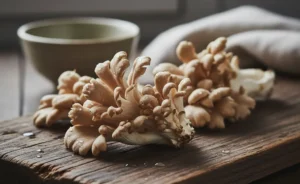
Knowing when and how to harvest is a rewarding part of working with oyster mushroom grow bags. Typically, you will observe mushrooms popping up, which are tiny primordia or “pins.” These will rapidly expand into mature oyster mushrooms within a few days. Recognizing mature oyster mushrooms involves observing their cap development; they are usually ready for harvest when their caps begin to flatten out or slightly curl at the edges, but before they release a significant amount of spores. Harvesting is best done in clusters, by gently twisting and pulling the entire cluster from the bag without damaging the underlying substrate. This careful technique helps preserve the integrity of the block for subsequent flushes. After harvesting the first flush, the bag can often be rehydrated and returned to fruiting conditions for additional yields, maximizing the longevity of your oyster mushroom cultivation bags.
Troubleshooting Common Oyster Mushroom Grow Bag Problems
While growing oyster mushrooms in grow bags is generally straightforward, cultivators may encounter a few common challenges. One of the most critical issues is contamination, which often appears as green (Trichoderma), black (Aspergillus), or red/orange molds growing on the substrate or mycelium. Addressing contamination usually involves isolating the affected oyster mushroom grow bags to prevent spread, as contaminated blocks are typically not salvageable for consumption. Ensuring the safety of cultivated mushrooms, particularly for consumption, is a priority; consult resources like EFSA for guidelines on food safety. Slow growth or no mushroom formation can stem from several factors, including insufficient humidity, improper temperature, lack of fresh air exchange, or a dormant mycelium. Adjusting environmental conditions such as increasing misting, ensuring adequate ventilation, or fine-tuning the temperature can often stimulate fruiting. Pest management in grow bags, though less common in indoor setups, might involve small fungus gnats. These can be managed by ensuring good airflow and hygiene. Consulting specific oyster mushroom grow bag problems solved guides can provide targeted solutions for various issues, helping to ensure a successful cultivation journey.
Embarking on the journey of growing oyster mushrooms using grow bags offers an accessible and fulfilling way to cultivate gourmet fungi at home. From understanding the initial setup and substrate requirements to mastering care techniques and troubleshooting common issues, each step contributes to a successful harvest. These self-contained systems simplify the process, making it enjoyable for both novices and seasoned growers alike. With attention to environmental factors like humidity, temperature, and air exchange, and by following proper harvesting guidelines, you can consistently enjoy fresh, homegrown oyster mushrooms, transforming what might seem daunting into a rewarding and productive endeavor.
While this article discusses health-related topics, it does not provide medical guidance. The information presented is for educational and informational purposes only and is not intended as a substitute for professional medical advice, diagnosis, or treatment. Always seek the advice of a qualified healthcare provider for any questions regarding a medical condition or before making any decisions related to your health or well-being.
FAQ
— What are functional mushrooms?
Functional mushrooms are specific types of fungi that have been studied for their potential to support various aspects of human well-being beyond basic nutrition. These mushrooms contain unique compounds, such as polysaccharides and triterpenes, which are thought to interact with the body’s systems in beneficial ways. They are often incorporated into daily routines to promote balance and vitality.
— How do beta-glucans in mushrooms support the body?
Beta-glucans are a type of soluble fiber found abundantly in the cell walls of many mushrooms, known for their specific molecular structures. These complex carbohydrates are recognized for their role in supporting the immune system. They are thought to interact with immune cells, helping to modulate and balance the body’s natural defense mechanisms.
— What is the difference between mushroom fruiting body and mycelium?
The fruiting body is the visible, above-ground part of the mushroom that we typically recognize and consume, rich in beneficial compounds like beta-glucans. Mycelium, on the other hand, is the root-like network that grows underground or within a substrate. While both contain active compounds, the concentration and profile of these compounds can vary significantly between the fruiting body and mycelium.
— How are functional mushroom extracts typically made?
Functional mushroom extracts are generally made through processes like hot water extraction or dual extraction (water and alcohol) to concentrate their beneficial compounds. Hot water extraction is particularly effective for drawing out water-soluble polysaccharides like beta-glucans. Dual extraction is used when both water-soluble and alcohol-soluble compounds, such as certain triterpenes, are desired.
— Why is the origin or growing method of mushrooms important?
The origin and growing method of mushrooms are crucial because they influence the quality and concentration of beneficial compounds. Mushrooms absorb nutrients and elements from their environment, so a clean, controlled growing medium is vital to avoid contaminants and ensure a rich nutrient profile. This careful cultivation applies whether mushrooms are wild-harvested or grown in controlled environments like those using oyster mushroom grow bags.