
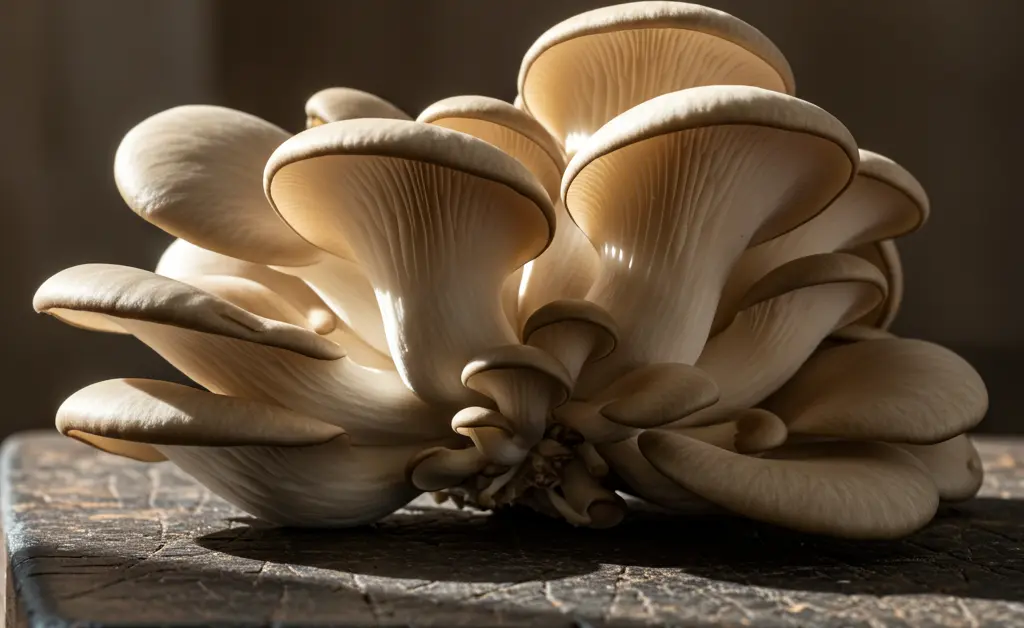
In an era where conscious eating and seeking out nutrient-dense foods are increasingly prioritized, the humble mushroom has garnered significant attention. Among the diverse fungal kingdom, oyster mushrooms stand out not only for their delicate flavor and versatile culinary applications but also for their impressive nutritional profile. Often incorporated into plant-based meals or as a healthful addition to various cuisines, these fungi offer more than just textural appeal. Understanding the specific oyster mushroom vitamins and minerals they provide is crucial for those looking to maximize their dietary intake and appreciate the full spectrum of benefits these edible fungi contribute to overall well-being. From essential B vitamins to vital minerals, their nutrient content makes them a valuable addition to a balanced diet.
Oyster Mushroom Vitamins and Minerals: A Nutritional Breakdown

Oyster mushrooms are celebrated for their distinctive texture and flavor, but their true value extends to their rich array of essential micronutrients. Delving into the specific oyster mushroom vitamins and minerals reveals a comprehensive profile that supports various bodily functions. These fungi can serve as a valuable dietary contribution, offering a spectrum of compounds crucial for maintaining optimal health and supporting daily bodily processes. Furthermore, their oyster mushroom protein content adds to their dietary benefits. Their nutrient density makes them a noteworthy component of a balanced dietary approach.
Nutritional Profile Per 100g
While specific values can vary depending on factors such as growing conditions and preparation methods, organic oyster mushrooms generally offer a robust nutritional profile. They are considered a low-calorie food while providing an impressive range of essential nutrients, including protein, dietary fiber, and various B-complex vitamins and essential minerals. This makes them a nutrient-dense choice for those looking to enhance their diet with wholesome ingredients, contributing to overall nutritional value.
B Vitamins: Energy and Metabolism Boosters (Niacin, Riboflavin, Pantothenic Acid, Folate)
Oyster mushrooms are a notable source of several B vitamins, which are fundamental for energy production and metabolic processes within the body. These B-complex vitamins work synergistically to convert food into usable energy, support nerve function, and maintain healthy skin and hair. Specifically, they contain Niacin (Vitamin B3), which plays a role in cellular energy transfer; Riboflavin (Vitamin B2), important for enzyme function and metabolism; Pantothenic Acid (Vitamin B5), involved in hormone synthesis; and Folate (Vitamin B9), crucial for cell growth and red blood cell formation. The presence of these oyster mushroom vitamins underscores their potential contribution to vitality and cellular health.
Vitamin D: Bone Health and Immune Support (Ergosterol, Vitamin D2)
Unlike many plant-based foods, oyster mushrooms possess the unique ability to produce Vitamin D when exposed to ultraviolet light, thanks to their Ergosterol content. This compound is a precursor to Vitamin D2 (ergocalciferol), which the human body can convert into the active form of Vitamin D. This oyster mushroom vitamin D content is significant because Vitamin D is vital for calcium absorption, promoting strong bone health, and supporting a robust immune system. Regular consumption may therefore contribute to maintaining these critical bodily functions and enhancing overall well-being.
Potassium: Electrolyte Balance and Blood Pressure Support
Potassium is an essential electrolyte that plays a crucial role in maintaining fluid balance, nerve signals, and muscle contractions. Oyster mushrooms provide a good amount of this mineral, which is particularly beneficial for those looking to support healthy blood pressure levels. The balance of electrolytes is vital for overall cardiovascular health, and including oyster mushroom for blood pressure support can be a part of a comprehensive dietary strategy.
Phosphorus: Bone and Cell Health
Phosphorus is the second most abundant mineral in the body and is indispensable for the formation of strong bones and teeth. Beyond structural support, it is a critical component of cell membranes and nucleic acids (DNA and RNA), playing a role in energy metabolism and cellular signaling. The phosphorus found in oyster mushrooms contributes to these fundamental physiological processes, supporting overall cellular integrity and function.
Copper: Iron Metabolism and Antioxidant Defense
Copper is a trace element that, while needed in smaller quantities, is essential for numerous bodily functions. It plays a key role in iron metabolism, helping the body form red blood cells and transport oxygen. Furthermore, copper acts as a co-factor for several antioxidant enzymes, aiding in the body’s defense against oxidative stress. These oyster mushroom minerals, including copper, thus contribute to both energy production and cellular protection, showcasing their micronutrient value.
Selenium: Antioxidant Power and Thyroid Function
Selenium is another powerful antioxidant found in oyster mushrooms that helps protect cells from damage caused by free radicals. It is also vital for healthy thyroid function, as the thyroid gland requires selenium to produce and metabolize its hormones effectively. Adequate selenium intake is associated with supporting the immune system and maintaining overall cellular health, making it a valuable addition to the diet.
Iron: Oxygen Transport and Energy Production
Iron is an indispensable mineral primarily known for its role in the formation of hemoglobin, the protein in red blood cells responsible for transporting oxygen from the lungs to all parts of the body. It is also crucial for energy production within cells. While plant-based iron (non-heme iron) is absorbed differently than animal-based iron, the iron content in oyster mushrooms contributes to meeting daily requirements, supporting vitality and combating fatigue.
Zinc: Immune Function and Wound Healing
Zinc is an essential trace element with a wide range of functions, particularly noted for its significant role in immune system support. It is involved in cell division, cell growth, and the repair of tissues, which makes it critical for wound healing. The oyster mushroom zinc content can therefore contribute to maintaining a robust immune defense and supporting the body’s natural healing processes.
Magnesium: Muscle and Nerve Function
Magnesium is an essential mineral involved in over 300 enzymatic reactions in the body, impacting everything from muscle and nerve function to blood glucose control and blood pressure regulation. Adequate magnesium intake is vital for maintaining normal heart rhythm, bone health, and energy production. The presence of magnesium in oyster mushrooms further enhances their overall micronutrient value.
Meeting Daily Recommended Intakes
Incorporating oyster mushrooms into a balanced diet can be an effective strategy for contributing to daily recommended intakes of various vitamins and minerals. While individual nutrient needs vary, these fungi offer a diverse profile of micronutrients that collectively support numerous bodily functions. Regularly consuming them, perhaps through an oyster mushroom recipe, can help bridge potential dietary gaps and enhance overall nutritional well-being without relying on supplements for every nutrient. For broader health guidelines, consult resources like the WHO.
Raw vs. Cooked Nutrient Availability
The bioavailability of oyster mushroom vitamins and minerals can be influenced by cooking methods. Some nutrients may be sensitive to heat, while others become more accessible to the body once the mushroom’s cell walls are broken down through cooking. For instance, certain B vitamins might be slightly reduced, but cooking can also enhance the absorption of other compounds. Generally, light cooking methods, such as sautéing or steaming, are preferred to help preserve the maximum nutritional value while making them palatable and digestible.
Oyster mushrooms are far more than just a culinary delight; they are a nutritional powerhouse packed with essential vitamins and minerals. From their impressive B-complex profile supporting energy and metabolism to their unique ability to provide Vitamin D for bone and immune health, these fungi offer a holistic contribution to well-being. Furthermore, their rich content of vital minerals such as potassium, phosphorus, copper, selenium, iron, zinc, and magnesium underscores their role in maintaining various physiological functions, including antioxidant defense, electrolyte balance, and nerve function. Integrating organic oyster mushrooms into your diet can be a delicious and effective way to enhance your micronutrient intake and support a healthier lifestyle.
The information in this article is intended for knowledge purposes only. It is not a substitute for professional medical advice, diagnosis, or treatment. Always seek the advice of your physician or other qualified health provider with any questions you may have regarding a medical condition or before making any dietary changes. This content should not be used for self-diagnosis or self-treatment.
FAQ
What specific vitamins are present in oyster mushrooms?
Oyster mushrooms contain several B vitamins, including niacin (B3), riboflavin (B2), and pantothenic acid (B5), which are involved in various metabolic processes. They also provide folate (B9) and contribute precursors that can be converted into Vitamin D when exposed to UV light.
Which minerals are abundant in oyster mushrooms?
These fungi are notable for their potassium content, which is important for fluid balance and nerve signaling. They also provide significant amounts of phosphorus, copper, selenium, and zinc, all of which play distinct roles in human physiology.
Are oyster mushrooms a good source of B vitamins?
Yes, oyster mushrooms are considered a good source of several B vitamins, particularly niacin and riboflavin. These B vitamins are crucial for converting food into energy and supporting healthy cellular function throughout the body.
Do oyster mushrooms contain Vitamin D?
Fresh oyster mushrooms naturally contain ergosterol, a precursor to Vitamin D. When exposed to ultraviolet (UV) light, this ergosterol converts into Vitamin D2, making them a unique plant-based source of this important vitamin.
What is the iron content in oyster mushrooms?
Oyster mushrooms contain a modest amount of iron, contributing to daily dietary intake. While not as rich in iron as some other foods, their inclusion can support the body’s need for this mineral, which is essential for oxygen transport.
How do the vitamins and minerals in oyster mushrooms benefit health?
The array of vitamins and minerals found in oyster mushrooms collectively supports various bodily functions. These micronutrients play roles in energy production, immune system modulation, antioxidant defense, and maintaining bone health.
What is the overall micronutrient value of oyster mushrooms?
The overall micronutrient value of oyster mushroom vitamins and minerals is quite robust, offering a diverse array of essential compounds. They contribute significantly to a balanced diet by supplying elements vital for numerous physiological processes and supporting general wellness.