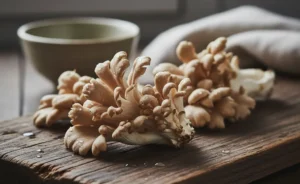

When selecting mushrooms for a culinary creation, one might pause to consider the distinct characteristics of widely available varieties. While many types offer unique contributions, two often stand out in home kitchens and professional settings alike: shiitake and cremini. Have you ever considered what truly differentiates them beyond their immediate appearance? This comprehensive guide aims to illuminate the nuanced distinctions between shiitake mushroom vs cremini, delving into their origins, cultivation, and, most importantly, their diverse culinary applications. We will explore their unique flavor profiles, textures, nutritional benefits, and optimal cooking methods, providing clarity on how each can elevate a dish and which might be best suited for your specific needs.
Shiitake Mushroom vs Cremini: A Comprehensive Comparison
Understanding the fundamental differences between shiitake mushroom vs cremini is key to unlocking their full potential in the kitchen. While both are prized edible fungi, their applications and impact on a dish can vary significantly. This section explores their culinary versatility, highlighting how each type can be best utilized.
Best Cooking Methods
Shiitake mushrooms are renowned for their robust taste and are highly versatile in various cooking methods. They excel when sautéed, stir-fried, or added to soups and stews, where their savory shiitake flavor can fully infuse the liquid. Roasting also brings out their deep, earthy notes, making them a delicious side dish or addition to roasted vegetable medleys. Dried shiitake mushrooms are particularly potent; they require rehydration and are often used in broths and sauces to impart a profound umami taste.
Cremini mushrooms, often referred to as baby bella mushrooms, are also very adaptable. Their firm mushroom texture holds up well to high heat, making them perfect for sautéing until golden brown, roasting, or grilling. They are also excellent additions to sauces, gravies, and casseroles. Unlike shiitake, cremini mushrooms are a common mushroom variety that tends to release more moisture when cooked, contributing to the richness of a dish.
Raw vs. Cooked Uses
Generally, shiitake mushrooms are best enjoyed cooked. Their raw texture can be quite firm and fibrous, particularly the stems, which are often removed before preparation. Cooking transforms shiitake into a tender yet chewy mushroom, enhancing its complex flavor profile. This makes them ideal for cooked applications where their unique taste can shine.
Cremini mushrooms, on the other hand, offer more flexibility. While widely used in cooked dishes, smaller cremini mushrooms can also be thinly sliced and added raw to salads, lending a mild mushroom flavor and a pleasant crunch. Their delicate flavor and texture make them suitable for both fresh and cooked preparations, though cooking generally deepens their earthy notes.
Recipe Suitability
Shiitake mushrooms are a staple in Asian cuisine, frequently found in Japanese, Chinese, and Korean dishes. They are indispensable in miso soup, ramen, stir-fries, and various mushroom soup recipes where their distinctive umami taste is highly valued. Their strong flavor can stand up to bold ingredients and complex spice blends, making them a gourmet mushroom choice for impactful dishes. Understanding the unique traits of other varieties, such as shiitake mushroom vs oyster mushroom, further expands culinary knowledge.
Cremini mushrooms are incredibly versatile and suitable for a wide range of global cuisines. They are commonly used in Italian pasta sauces, French stews, American casseroles, and as a topping for pizzas and omelets. Their more subtle flavor profile makes them excellent mushroom substitutes for button mushrooms and allows them to blend seamlessly with other ingredients without overpowering the dish. They are often a go-to choice for everyday cooking, adding an earthy flavor and substance to a variety of meals.
Key Differences: Appearance and Characteristics
Observing the visual characteristics is often the first step in distinguishing between a shiitake mushroom vs cremini. Though both are brown mushrooms, their physical traits reveal significant distinctions that hint at their culinary behavior and origins. Understanding these can help in selection and preparation.
Cap and Stem Characteristics
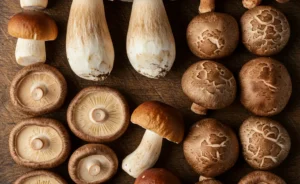
Shiitake mushrooms (Lentinula edodes) are typically recognizable by their broad, umbrella-shaped caps that range from light brown to dark brown, often with a slightly scaly or wrinkled texture. The edges of the cap sometimes curl inward. Their stems are generally tough and fibrous, often lighter in color than the cap, and are usually removed before cooking because of their fibrous texture. Fresh shiitake tend to be larger than fresh cremini.
Cremini mushrooms (Agaricus bisporus) have a smaller, more rounded, and firmer cap compared to shiitake. Their color is a uniform light brown, making them distinctly different from the pure white button mushroom, which is the same species at an earlier stage. The stems of cremini mushrooms are sturdy, tender, and generally edible, easily cooked along with the cap. These common mushroom varieties are known for their accessibility and consistent appearance.
Gills and Color Variations
The underside of a shiitake mushroom cap features distinct, widely spaced gills that are typically light cream or white, darkening slightly with age. The overall impression is one of a rustic, natural mushroom species. While the cap color can vary from tan to dark brown, the gills remain pale.
Cremini mushrooms have gills that are usually a darker brown compared to their cap. As they mature, these gills can deepen to a rich chocolate color, similar to their fully mature counterpart, the portobello mushroom. This darker gill color is a key identifier for cremini. The consistent light brown hue of the cap distinguishes cremini vs portobello, which have larger, flatter, and darker caps, despite being the same mushroom species.
Flavor Profile: Shiitake vs. Cremini Taste and Aroma
The flavor profile is arguably the most significant differentiator when comparing shiitake mushroom vs cremini for culinary use. Each mushroom offers a distinct taste and aromatic experience that can profoundly influence a dish’s outcome, guiding chefs and home cooks to choose appropriately.
Shiitake vs Cremini Taste
Shiitake mushrooms possess a bold, earthy flavor that is often described as savory and rich, with a pronounced umami taste. When cooked, their flavor intensifies, making them a powerhouse ingredient that can elevate the depth of soups, stews, and stir-fries. This robust taste makes shiitake unique among common edible fungi.
Cremini mushrooms, in contrast, have a milder mushroom flavor. While they still carry earthy notes, their taste is less assertive than shiitake. They offer a delicate flavor/texture balance that allows them to meld seamlessly into dishes, absorbing and complementing the flavors of other ingredients rather than dominating them. This makes them highly versatile for a wide range of recipes.
Shiitake vs Baby Bella Taste
As “baby bella” is simply another name for cremini mushrooms, the taste profile remains consistent. When considering shiitake vs baby bella, you are essentially comparing shiitake’s deep, complex, and savory notes against the more subdued, gentle earthy flavor of the cremini. Both offer an excellent contribution to cuisine, but for very different reasons, depending on the desired flavor intensity and contribution to the overall dish.
Umami Intensity
Shiitake mushrooms are celebrated for their exceptionally high umami intensity, often considered one of the best sources of natural umami among vegetables and fungi. This fifth basic taste—savory—is a hallmark of shiitake, providing a meatiness and depth that enhances broths and sauces. This quality makes them a popular choice for vegetarian and vegan dishes seeking a rich, satisfying base.
Cremini mushrooms also contain umami compounds, contributing a pleasant savory note to dishes, but their umami intensity is notably less pronounced than that of shiitake. They offer a more balanced earthy flavor that complements other ingredients without overpowering them.
Earthy Notes
Both mushroom species share a commonality in their earthy notes, which are characteristic of many edible fungi. However, the nature of these notes differs. Shiitake mushrooms present a deeper, almost woody earthiness that contributes to their robust taste. This is particularly noticeable in dried shiitake, where the flavors are concentrated.
Cremini mushrooms exhibit a lighter, more subtle earthiness. Their earthy flavor is fresh and complements a wide array of ingredients, making them a versatile choice for dishes where a delicate fungal aroma is desired rather than an intense one.
Aromatic Compounds
The unique aroma of shiitake mushrooms is largely due to specific aromatic compounds, such as lenthionine, which is responsible for their distinctive savory shiitake flavor. This compound gives shiitake its characteristic rich, somewhat garlicky and smoky fragrance, especially when cooked.
Cremini mushrooms possess a more subdued, classic mushroom aroma. Their smell is fresh and mildly earthy, lacking the pronounced complexity of shiitake. This less intense aromatic profile makes them suitable for dishes where other ingredients are meant to be the primary aromatic drivers, with the mushroom providing a complementary background note.
Texture and Mouthfeel: A Comparative Analysis
Beyond flavor and appearance, the texture and mouthfeel play a crucial role in how shiitake mushroom vs cremini are perceived and used in cooking. These physical attributes dictate how they perform in various preparations and contribute to the overall enjoyment of a dish.
Moisture Content
Cremini mushrooms typically have a higher moisture content than fresh shiitake. This can impact their cooking behavior, as cremini will release more water when heated, which can be beneficial for creating sauces or can sometimes lead to steaming rather than browning if the pan is overcrowded. This characteristic often results in a more tender, succulent texture when cooked properly.
Shiitake mushrooms, especially when sold fresh, have a somewhat firmer and drier flesh. When dried, their moisture content is significantly reduced, which concentrates their flavors and results in an even chewier texture upon rehydration and cooking. This lower moisture contributes to their ability to achieve a nice sear and retain a firm mushroom texture.
Firmness and Chewyness
When cooked, shiitake mushrooms are known for their distinct firm mushroom texture and a satisfying chewiness. This makes them a substantial ingredient in many dishes, offering a pleasant resistance with each bite. The cap retains its integrity well, even after extensive cooking.
Cremini mushrooms, while also firm, tend to be less chewy than shiitake. They offer a more yielding texture that becomes tender when cooked, making them a good choice for dishes where a softer mushroom presence is desired. Their consistency is generally uniform throughout the cap and stem.
Stem Characteristics
A notable difference lies in their stems. Shiitake stems are typically fibrous texture and quite tough. For this reason, many recipes advise removing and discarding shiitake stems before cooking. While they can be used to flavor broths, they are generally not consumed due to their woody consistency.
Cremini mushroom stems, conversely, are much more tender and are typically cooked along with the caps. They share the same pleasant firmness and earthy flavor as the caps, contributing to the overall texture and taste of the dish without needing to be removed.
Nutritional Value: Shiitake vs. Cremini Health Benefits
Both shiitake mushroom vs cremini are not just culinary delights but also offer an array of potential health benefits, contributing to a balanced diet. As edible fungi, they are naturally low in calories and fats while being packed with valuable nutrients. It is important to note that specific nutritional content can vary based on growing conditions and preparation methods.
Comparative Health Benefits: Cremini vs. Shiitake
Both shiitake and cremini mushrooms are considered healthy additions to any diet, offering a range of beneficial compounds. They are known for their contribution to nutrient density in meals. The specific composition, however, shows some distinctions. Overall, both types are good sources of dietary fiber and protein, important for digestive health and satiety, respectively. For more information on general health benefits of food, consult resources like the NHS.
Vitamin and Mineral Content
Shiitake mushrooms are particularly noted for their B vitamin content, including riboflavin (B2), niacin (B3), pantothenic acid (B5), and B6. They are also a good source of minerals such as copper, selenium, and zinc. Some varieties of shiitake can also provide vitamin D when exposed to UV light, which is crucial for bone health.
Cremini mushrooms also boast a strong nutritional profile. They are excellent sources of B vitamins, especially pantothenic acid, niacin, and riboflavin, similar to their white button mushroom counterparts. They also provide essential minerals like selenium, copper, and potassium. Their nutrient density makes them a valuable component of a healthy eating plan.
Antioxidant Properties
Both shiitake and cremini mushrooms contain various antioxidants, which may help protect the body’s cells from damage caused by free radicals. Shiitake mushrooms are rich in compounds like ergothioneine and selenium, which contribute to their antioxidant capabilities. These properties are potentially associated with overall cellular health.
Cremini mushrooms also contain ergothioneine, alongside other phenolic compounds, offering antioxidant protection. Regular inclusion of these mushrooms in the diet may help support the body’s natural defenses against oxidative stress. The unique combination of these compounds varies between mushroom species.
Unique Compounds
Shiitake mushrooms contain several unique compounds that have been studied for their potential properties. Notably, lentinan, a polysaccharide found in shiitake, has garnered attention for its potential to support immune function. Other compounds, such as eritadenine, are also present, which may have distinct biological activities.
Cremini mushrooms, as part of the Agaricus bisporus species, also contain unique bioactive compounds, though their profile differs from shiitake. These include certain sterols and polysaccharides. While not as extensively studied for specific compounds as shiitake, cremini contribute to the diverse range of beneficial phytonutrients found in edible fungi.
Availability and Cost Comparison
When deciding between shiitake mushroom vs cremini, practical considerations like availability and cost often play a role. These factors can influence purchasing decisions, particularly for regular culinary use or specific recipe needs.
Cremini mushrooms are widely available in most grocery stores and supermarkets year-round. They are considered a common mushroom variety, akin to button mushrooms, and are generally quite affordable. Their widespread cultivation and consistent demand make them an economical choice for everyday cooking, often found in bulk or pre-packaged containers.
Shiitake mushrooms, while increasingly common, can sometimes be found in larger grocery stores or specialty food markets, particularly those catering to Asian cuisine. They are also widely available in dried form. Fresh shiitake tend to be more expensive per pound than cremini, reflecting their more specialized cultivation and higher demand in gourmet cooking. Dried shiitake, while costing more upfront, are potent and can go a long way in flavoring dishes, offering good value for their intense flavor contribution.
Ultimately, the choice between shiitake and cremini mushrooms comes down to the desired flavor, texture, and culinary application. Shiitake offers a robust, umami-rich experience, perfect for dishes where its strong personality can shine, particularly in Asian-inspired cuisine. Cremini, with its milder flavor and versatile texture, serves as an excellent all-rounder, adaptable to a vast array of dishes and cuisines, from everyday meals to more elaborate preparations. Understanding their distinct characteristics empowers any cook to select the ideal mushroom to elevate their culinary creations.
Readers should understand that this article does not offer medical diagnosis or treatment. It is intended for informational purposes only and should not be considered a substitute for professional medical advice. Always consult with a qualified healthcare provider for any health concerns or before making any decisions related to your health or well-being. Individual dietary needs and responses can vary.
FAQ
— What is the main difference between shiitake and cremini mushrooms?
The most significant distinction in a shiitake mushroom vs cremini comparison lies in their species and culinary characteristics. Shiitake (Lentinula edodes) are known for their rich, earthy flavor and meaty texture, especially when dried, while cremini are actually immature portobello mushrooms (Agaricus bisporus) offering a milder, more delicate taste and firmer texture. This fundamental difference influences how they are best used in various dishes.
— Can cremini mushrooms be substituted for shiitake?
While you can technically swap them in a pinch, be aware that the dish’s flavor and texture will change noticeably. Shiitake mushrooms contribute a much deeper umami richness and a more robust, chewy texture, particularly when cooked. Cremini, being milder, will not impart the same depth or earthy punch, resulting in a less intense experience.
— Are shiitake or cremini mushrooms better for you?
Both mushroom varieties offer unique nutritional benefits relevant to a healthy diet. Shiitake mushrooms are widely recognized for compounds that play a role in supporting immune function and are a source of B vitamins and some minerals. Cremini mushrooms also provide B vitamins and potassium, contributing to overall well-being. Both are low in calories and rich in antioxidants, making them valuable additions to meals.
— How do the flavors of shiitake and cremini compare?
Shiitake mushrooms are celebrated for their intense, savory, and distinctly earthy flavor, often described as having a woody or smoky note, especially when dried. Cremini mushrooms, conversely, present a more subtle, delicate, and slightly nutty flavor profile. Their taste is less assertive, making them more versatile in dishes where you want a mushroom essence without overwhelming other ingredients.
— What are the best ways to cook with shiitake vs. cremini?
Shiitake mushrooms excel in dishes where their rich umami can shine, such as stir-fries, soups, broths, and sautéed as a side. Their firm texture holds up well to longer cooking times, infusing dishes with their deep flavor. Cremini mushrooms, with their milder taste and firmer texture, are highly adaptable, performing well in quick sautéing, roasting, stews, and as a fresh addition to salads.