Have you ever found yourself wanting to infuse your dishes with a profound depth of savory umami, only to discover fresh ingredients aren’t readily on hand, or their flavor simply doesn’t pack the desired punch? Many home cooks face the challenge of consistently achieving restaurant-quality flavor profiles, especially when certain ingredients are seasonal or perishable. This is where dried shiitake mushrooms become an invaluable pantry staple. Their intense flavor, convenience, and versatility make them a culinary powerhouse. This comprehensive guide will explore everything from their remarkable benefits and optimal rehydration techniques to creative cooking applications and essential storage tips, ensuring you can unlock their full potential in your kitchen.
Understanding Dried Shiitake Mushrooms
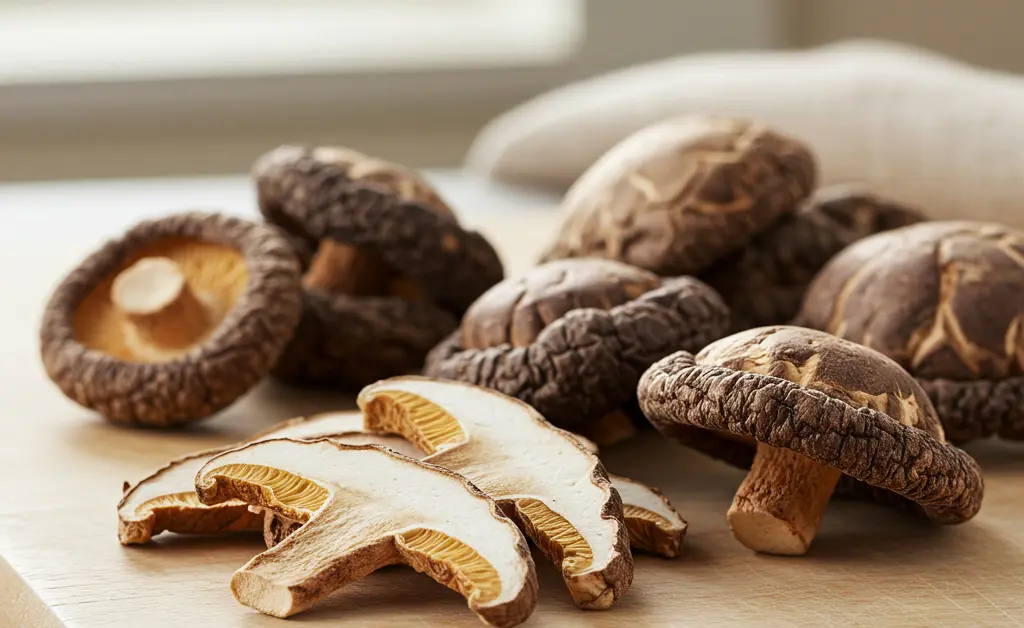
Dried shiitake mushrooms are the dehydrated form of the edible shiitake fungus (Lentinula edodes), celebrated for their distinct earthy and woody aroma. Originating from East Asia, these gourmet ingredients have been a cornerstone of Asian cuisine for centuries. The drying process not only preserves the mushrooms, extending their shelf life significantly, but also concentrates their natural glutamates, intensifying their renowned umami flavor. This concentration gives dried shiitake mushrooms a much deeper and more complex flavor profile compared to their fresh counterparts, making them an indispensable ingredient for adding richness to countless savory dishes. They can be found as whole dried shiitake mushrooms or as dried sliced shiitake mushrooms, offering different textures and preparation benefits.
Benefits of Dried Shiitake Mushrooms
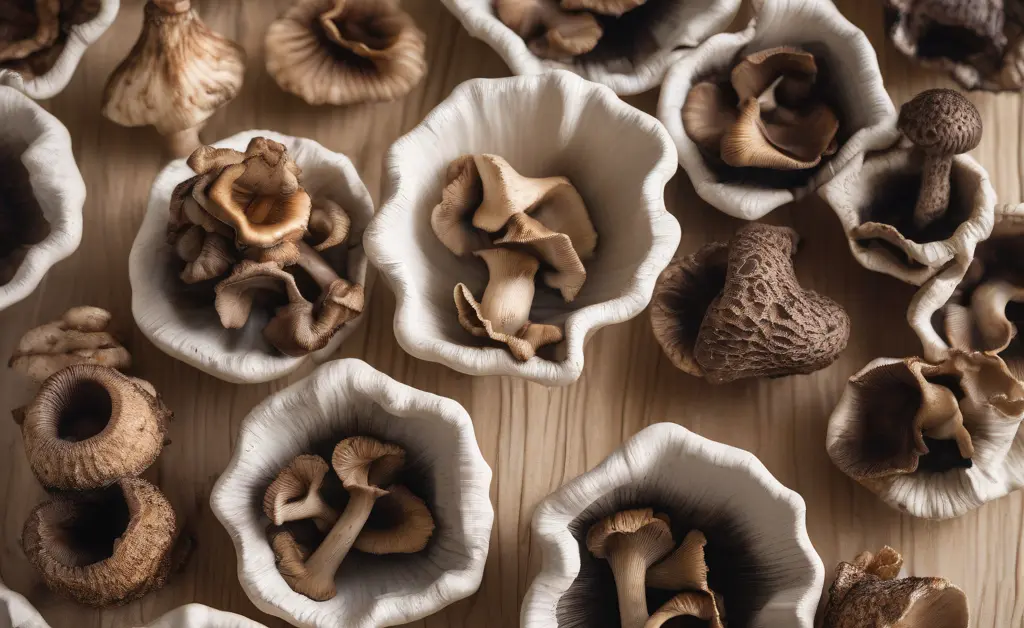
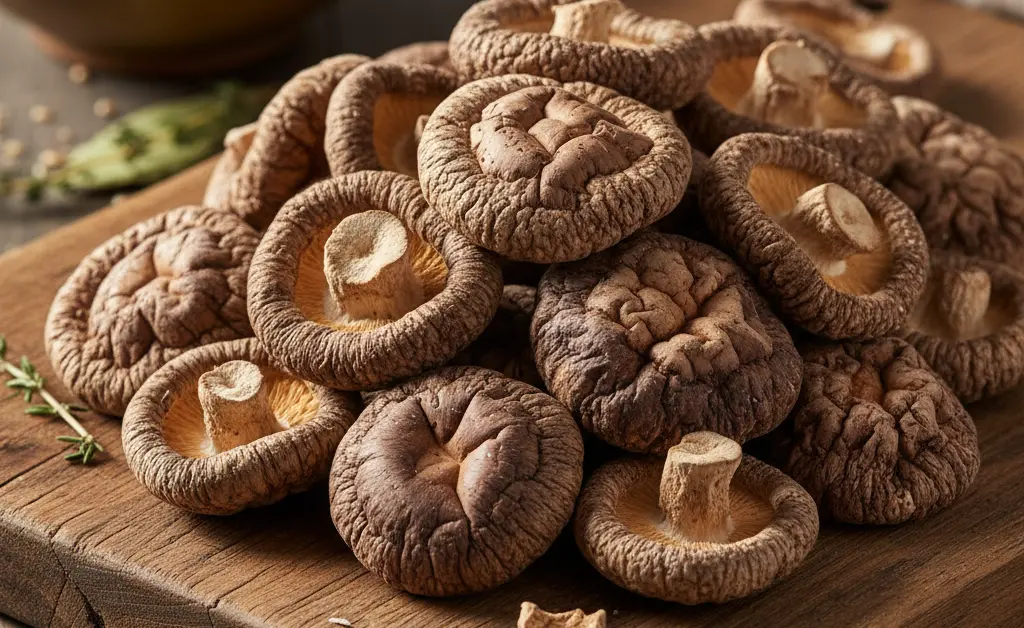
Beyond their incredible taste, dried shiitake mushrooms offer several advantages that make them a valuable addition to any pantry. Their rich umami flavor serves as a natural flavor enhancer, allowing cooks to reduce reliance on excessive salt or other artificial additives. These edible fungi are also a source of various nutrients, including certain vitamins and minerals, contributing to a well-rounded diet. For further information on the nutritional aspects of various foods, resources like the NIH provide comprehensive data. The drying process ensures they are always available, providing culinary versatility regardless of fresh mushroom seasonality. The potent aroma and meaty texture of rehydrated dried shiitake mushrooms can elevate simple dishes into gourmet experiences.
What are dried shiitake mushrooms good for?
Dried shiitake mushrooms are particularly good for imparting a profound depth to a wide array of recipes. They excel as a plant-based ingredient that can provide a satisfying, meaty texture and an intensely savory dimension to vegetarian and vegan dishes. Their concentrated flavor makes them ideal for creating rich broths, robust sauces, and hearty braises. From a culinary perspective, they are a fundamental component in many traditional Asian cuisine preparations, offering both textural interest and an unparalleled flavor foundation that transforms ordinary meals into extraordinary culinary experiences.
Rehydrating and Preparing Dried Shiitake Mushrooms

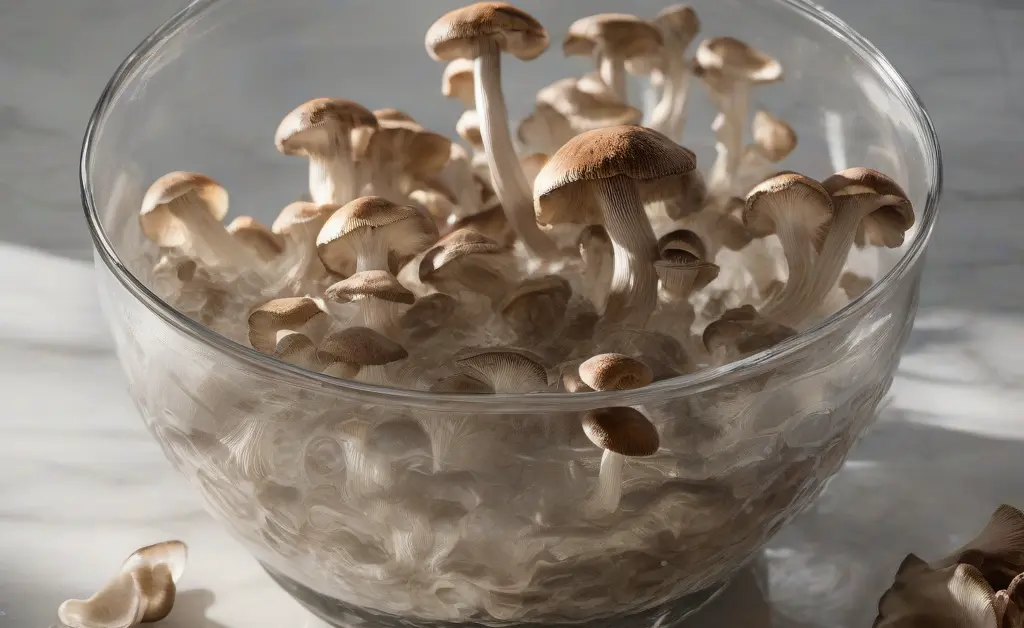
Rehydrating dried shiitake mushrooms is a crucial step that unlocks their full flavor and restores their plump texture. The method you choose can influence the final outcome, impacting both the mushroom’s consistency and the richness of the resulting liquid. Proper rehydration ensures these dehydrated mushrooms are ready for any culinary use, allowing them to fully absorb moisture and regain their desirable texture before cooking. The rehydration process is straightforward but requires a little patience for optimal results.
How do you cook dried shiitake mushrooms?
Once rehydrated, dried shiitake mushrooms can be used in much the same way as fresh ones, though their intensified flavor means a little goes a long way. They are excellent when thinly sliced and added to stir-fries, soups, and noodle dishes. Simmering them in broths or stews allows them to release their savory notes and tenderize further. For braised dishes, their meaty texture holds up well to longer cooking times, absorbing surrounding flavors beautifully. They can also be sautéed, roasted, or even deep-fried after rehydration, depending on the desired outcome. For a unique snack, consider trying shiitake mushroom crisps.
Fast Rehydration Methods for Quick Use
When time is of the essence, a quick rehydration method can be employed. Place the dried shiitake mushrooms in a microwave-safe bowl with enough hot water to cover them completely. Microwave on high for 1-2 minutes, then let them sit for 5-10 minutes. Alternatively, cover them with boiling water and let them steep for 15-20 minutes. While faster, these methods may not yield the absolute best texture or most flavorful rehydration liquid compared to slower methods, but they are effective for quick preparation tips.
Standard Soaking Techniques for Optimal Texture
For the best flavor and texture, a slow rehydration method using cold water is recommended. Place the whole dried shiitake mushrooms or sliced dried shiitake mushrooms in a bowl and cover them with cool or lukewarm water. Use a plate or smaller bowl to weigh them down, ensuring they are fully submerged. Allow them to soak for at least 30 minutes, or ideally 2-4 hours, until they are completely soft and pliable. The longer soaking time allows the mushrooms to absorb water slowly, resulting in a more tender and juicy mushroom texture and a richer mushroom broth.
Maximizing Flavor with Rehydration Liquid
The dark, aromatic liquid left over from rehydrating dried shiitake mushrooms is a highly prized ingredient itself, often referred to as shiitake soaking liquid or mushroom broth. This liquid is packed with concentrated umami flavor and should never be discarded. Strain it through a fine-mesh sieve or cheesecloth to remove any impurities. This flavorful liquid can then be used as a base for soups, stews, sauces, or gravies, adding an incredible depth of savory richness. It serves as an excellent flavor enhancer in any dish where you desire a profound mushroom essence.
Culinary Uses and Recipes with Dried Shiitake Mushrooms
The versatility of dried shiitake mushrooms makes them a star ingredient in a multitude of cuisines, particularly in savory dishes. Their ability to infuse deep umami flavor makes them indispensable for both everyday meals and special occasions. From classic broths to innovative stir-fries, these gourmet mushrooms enhance the overall flavor profile of any dish they grace.
Incorporating Rehydrated Sliced Shiitake into Dishes
Once rehydrated and stemmed (the stems can be tough and are often discarded or used solely for broth), the caps of the dried shiitake mushrooms are ready for culinary use. Sliced dried shiitake mushrooms are perfect for adding to vibrant stir-fries, where their meaty texture and savory notes complement vegetables and proteins. They can be diced and incorporated into stuffings, meatloaves, or vegetarian burgers for an extra layer of flavor. Their robust nature also makes them suitable for slow-cooked dishes like hearty stews and flavorful braises, where they absorb and contribute rich aromas.
Popular Recipes Featuring Dried Shiitake
Dried shiitake mushrooms are a cornerstone in many traditional recipes. They are essential for crafting authentic Japanese dashi, a fundamental broth used in miso soup and various noodle dishes. In Chinese cuisine, they are frequently used in braised chicken or pork dishes, imparting a deeply savory and aromatic quality. They also feature prominently in Korean stews like sundubu-jjigae or Japchae (glass noodle stir-fry). Beyond Asian cuisine, they can be added to risottos, pasta sauces, or even as a topping for gourmet pizzas, demonstrating their broad culinary versatility and ability to enhance a wide range of dishes with their unique flavor profile.
Selecting, Buying, and Storing Dried Shiitake Mushrooms

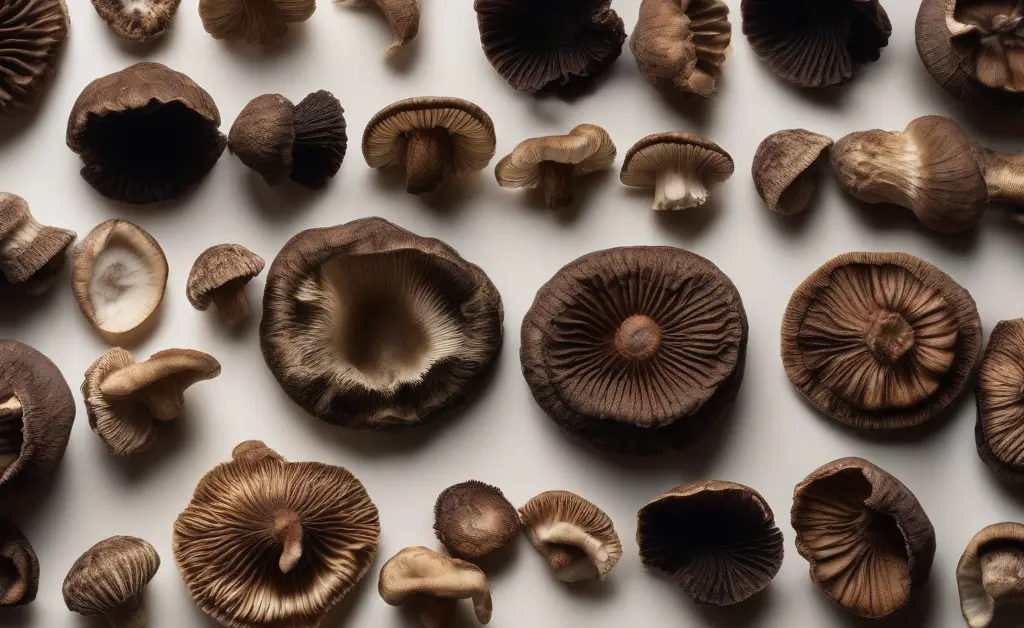
To fully appreciate the intense umami and meaty texture of dried shiitake mushrooms, it’s important to know how to select quality products and store them correctly. Proper selection ensures you’re getting the best flavor, while good storage practices preserve their potency and extend their shelf life, making them a lasting pantry staple for your culinary adventures. To find convenient retail options, an online shiitake mushroom store locator can be invaluable.
Dried shiitake mushrooms near me
Dried shiitake mushrooms are widely available and can be found in several places. To explore options on where to buy shiitake mushrooms, consider visiting local Asian grocery stores or larger supermarkets. Most Asian grocery stores will have a dedicated section for various types of dried fungi, including both whole dried shiitake mushrooms and dried sliced shiitake mushrooms. Larger supermarkets often carry them in the international aisle or near other gourmet ingredients. For organic dried shiitake mushrooms or specific varieties, online retailers specializing in Asian foods or gourmet ingredients are excellent sources, often offering a wider selection and bulk options. Health food stores may also carry them, sometimes as organic shiitake mushrooms.
Characteristics to Look for in Quality Dried Shiitake
When selecting quality dried shiitake mushrooms, look for intact, uniformly dried caps with a deep, rich brown color. High-quality shiitake mushroom dried should have a strong, earthy aroma even in their dried state, which indicates good flavor concentration. Avoid packages with broken pieces, excessive dust, or any signs of moisture or mold. The caps should feel firm and crisp, not brittle or rubbery. A thicker cap generally indicates a meatier texture once rehydrated. Some premium varieties, known as “flower” shiitake, feature distinctive cracks on their caps, a sign of their quality and often a sweeter flavor. Understanding the shiitake mushroom price can often correlate with these quality indicators.
Best Practices for Long-Term Storage
Proper storage is key to maintaining the quality and extending the shelf life of dried shiitake mushrooms. They should be stored in an airtight container, such as a glass jar or a sealed plastic bag, in a cool, dark, and dry place. Protecting them from light and humidity prevents degradation of flavor and potential mold growth. Stored correctly, whole dried shiitake mushrooms can last for a year or even longer without significant loss of quality. Avoid storing them near strong-smelling spices, as they can absorb other aromas. For even longer preservation, they can be kept in the refrigerator or freezer, though this is often unnecessary given their natural stability.
Dried shiitake mushrooms are more than just a culinary ingredient; they are a gateway to deeper flavors and more robust cooking. From their concentrated umami to their versatile applications, these dehydrated fungi offer an incredible depth that fresh mushrooms often cannot match. By understanding how to properly rehydrate, cook, and store them, you can consistently unlock their full potential, transforming everyday meals into savory, memorable experiences. Embrace the power of dried shiitake and elevate your kitchen creations with this essential pantry staple.
This information is provided for educational purposes only. It is not intended to be a substitute for professional medical advice, diagnosis, or treatment. Always seek the advice of a qualified healthcare provider for any questions regarding a medical condition or before making any dietary changes. The content is for informational use and should not be interpreted as medical guidance.
FAQ
— How do you quickly rehydrate dried shiitake mushrooms?
To quickly rehydrate, you can immerse the mushrooms in very warm, but not boiling, water. The elevated temperature helps to open their cellular structure, allowing the mushrooms to absorb moisture more rapidly. This method is effective when time is a factor in your meal preparation.
— What is the best way to rehydrate dried shiitake mushrooms?
Many culinary experts recommend rehydrating them in cold water over a longer period. This slow process allows for a more gradual and even absorption of water, which is thought to preserve their delicate texture and deepen their umami flavor. The extended soak ensures that all the rich flavor compounds are fully extracted and preserved.
— How long do dried shiitake mushrooms need to soak?
The required soaking time varies significantly based on the mushroom’s size, thickness, and the water temperature used. Generally, a cold-water soak can take anywhere from 4 to 24 hours, while warm water might reduce it to 30 minutes to a few hours. The mushrooms are ready when they feel fully pliable and plump to the touch.
— Can you eat dried shiitake mushrooms without rehydrating?
Dried shiitake mushrooms are extremely firm and woody in their unhydrated state, making them unsuitable for direct consumption. Attempting to eat them without rehydration would result in a tough, unpalatable texture. Rehydrating them softens their structure and makes them edible and enjoyable in various dishes.
— What can you do with the water from rehydrating shiitake mushrooms?
The water left after rehydrating dried shiitake mushrooms is often referred to as ‘liquid gold’ by chefs due to its concentrated umami flavor and nutrients. This flavorful liquid makes an excellent base for soups, stews, sauces, and risottos, significantly enhancing the depth of your dishes. Straining it first ensures any residual grit is removed, leaving a clear and savory broth.
— Are sliced dried shiitake mushrooms better than whole for cooking?
Sliced dried shiitake mushrooms offer convenience as they rehydrate faster and integrate easily into dishes without further cutting. Whole mushrooms, however, provide more versatility, allowing you to slice them according to your specific recipe needs, which can be advantageous for presentation or texture in certain dishes. The “better” option often depends on the specific culinary application and desired outcome.
— How do you properly store dried shiitake mushrooms?
To maintain their quality and extend their shelf life, dried shiitake mushrooms should be stored in an airtight container in a cool, dark, and dry place. This protects them from moisture absorption, which could lead to mold, and from light, which can degrade their flavor compounds. Proper storage ensures they retain their potent umami and texture for an extended period.