
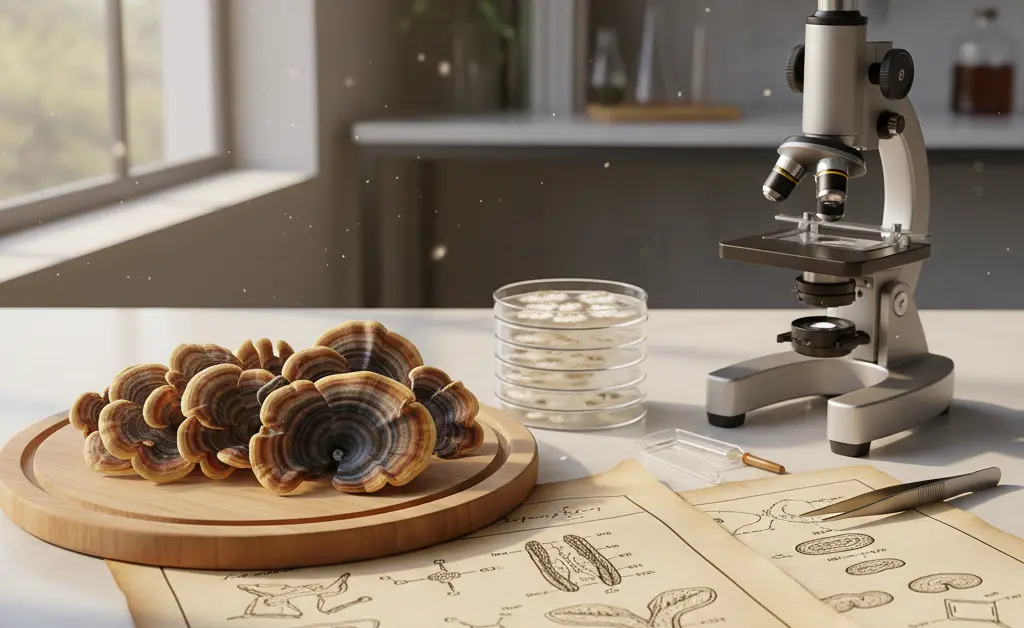
The Coriolus versicolor fungus, commonly known as turkey tail, has a long history in traditional medicine systems across Asia. Its distinctive fan-like appearance belies a complex biochemical profile that has increasingly captivated the scientific community. Modern scientific inquiry is now meticulously dissecting its purported health benefits, moving beyond anecdotal evidence to rigorous empirical investigation. This comprehensive exploration delves into the extensive body of turkey tail mushroom research, examining the methodology, key findings, bioactive compounds, and the challenges inherent in studying this fascinating medicinal mushroom. We aim to present an overview of the current scientific understanding, highlighting its potential roles in immune modulation and overall wellness, while also acknowledging areas requiring further study.
Understanding the Scope of Turkey Tail Mushroom Research
The global interest in natural health solutions has significantly propelled the scientific investigation into medicinal fungi like the turkey tail mushroom. This broad scope of inquiry extends from molecular biology to clinical trials, seeking to validate traditional uses with modern scientific rigor. Understanding the foundational principles guiding this research is crucial for appreciating its findings and limitations. The ongoing turkey tail mushroom research efforts are a testament to the mushroom’s intriguing biological properties and potential health benefits.
Historical Context vs. Modern Scientific Scrutiny
Historically, turkey tail mushroom has been a staple in Traditional Chinese Medicine (TCM) and other Asian healing practices for centuries, often revered for its purported restorative and health-promoting properties. Traditional use cases ranged from supporting vital energy to aiding overall resilience. Modern scientific scrutiny, however, demands empirical evidence derived from controlled studies, chemical analyses, and clinical trials. This shift from anecdotal observation to data-driven conclusions represents a critical evolution in how we understand natural compounds.
The Importance of Evidence-Based Findings
In the contemporary health landscape, evidence-based findings are paramount. This means that any claims regarding the health benefits of turkey tail mushroom must be supported by robust scientific data, peer-reviewed studies, and reproducible results. This approach helps to distinguish genuine efficacy from placebo effects or unsupported assertions, providing a reliable foundation for its potential integration into health and wellness strategies.
Bridging Traditional Use with Modern Science
A significant aspect of current turkey tail mushroom research involves bridging the gap between its extensive traditional use and the demands of modern science. Researchers often draw inspiration from historical applications, using them as a starting point for targeted investigations. By identifying the active compounds and elucidating their mechanisms of action, science can either validate traditional claims or offer new insights into how these natural compounds interact with biological systems, thereby enriching our understanding of human health benefits.
Scientific Evidence of Turkey Tail Mushroom Immune System Modulation
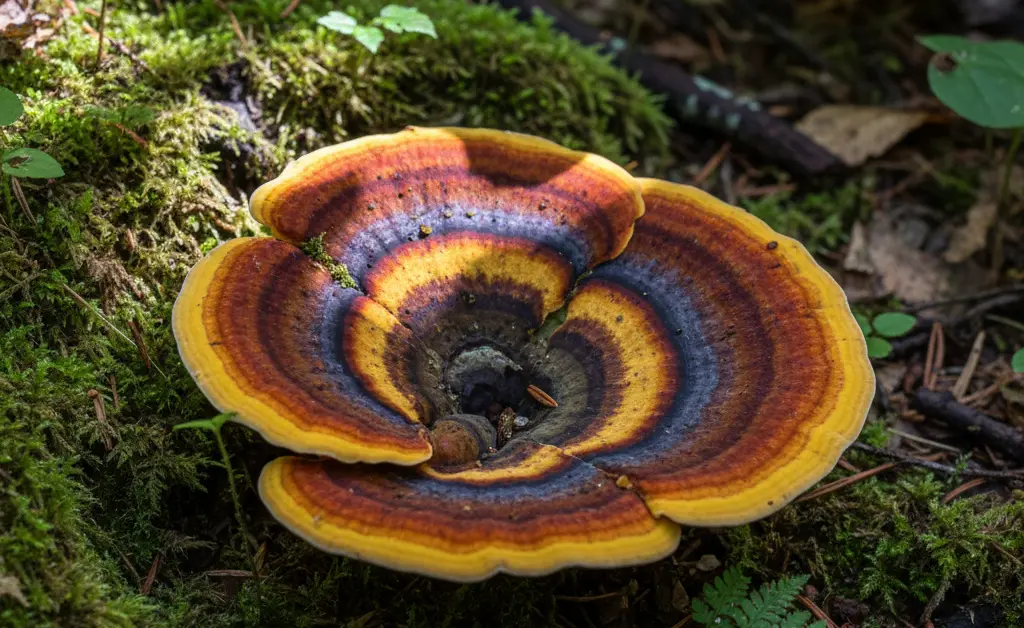
One of the most extensively studied aspects of turkey tail mushroom is its potential impact on the immune system. A significant portion of turkey tail mushroom research focuses on its ability to modulate various components of the immune response, suggesting a role in maintaining immune balance and overall health. The findings consistently point towards a complex interaction with the body’s defense mechanisms rather than a simple stimulant effect.
Mechanisms: How Turkey Tail Mushrooms Act as Immune Modulators
Turkey tail mushrooms are thought to exert their immune-modulating effects through several complex mechanisms. These often involve interactions with immune cells and signaling pathways. For instance, certain compounds found in the mushroom may help support the activity of natural killer (NK) cells, T-cells, and macrophages, which are vital components of the body’s immune surveillance system. The modulation is generally understood as a balancing act, helping the immune system respond appropriately rather than overreacting.
Key Research Findings on Immune Support
Numerous studies have explored the immune-supporting properties of turkey tail. Research findings often highlight its potential to enhance specific aspects of the immune response, particularly in settings where immune function may be compromised. While research is ongoing, the consistent observation of immune system interaction makes it a subject of considerable scientific interest for general wellness and immune health.
Studies on Specific Immune Cells and Pathways
Delving deeper into the immune mechanisms, scientists have conducted studies examining turkey tail’s influence on specific immune cells and pathways. For example, some research indicates an impact on cytokine production, which are signaling molecules crucial for immune communication. Other studies focus on cellular immunity, exploring how the mushroom’s compounds might affect the proliferation and activity of various white blood cell types, further solidifying the basis for its perceived immune benefits.
Key Bioactive Compounds in Turkey Tail Mushroom Research

The remarkable properties attributed to turkey tail mushroom are largely due to its rich array of bioactive compounds. Identifying and characterizing these compounds is a central focus of turkey tail mushroom research. These natural constituents interact with the body’s systems, underpinning the mushroom’s traditional and potential modern health applications. Polysaccharides are particularly prominent among these compounds.
Research on Polysaccharopeptide (PSP) and Its Immune Role
Polysaccharopeptide (PSP) is one of the most well-known and extensively studied bioactive compounds isolated from turkey tail mushroom. Research suggests that PSP plays a significant role in the mushroom’s immune-modulating effects. Studies have explored its potential to support various immune cell functions and cytokine production. PSP is often extracted and purified for use in clinical research due to its perceived therapeutic potential.
Studies on Polysaccharide-K (PSK, Krestin)
Another critically important bioactive compound derived from turkey tail is Polysaccharide-K, often known as PSK or Krestin. PSK has been a subject of extensive scientific investigation, particularly for its immune-supporting properties. Like PSP, PSK is a protein-bound polysaccharide, and much of the existing clinical research on turkey tail focuses on this specific compound. It has been studied for its potential to help maintain healthy immune responses.
Investigation of Other Potential Active Components
Beyond PSP and PSK, researchers are continually investigating other potential active components within turkey tail mushroom. These include various triterpenes, phenolic compounds, and other glycoproteins. While their individual contributions may be less characterized than PSP and PSK, these compounds collectively contribute to the mushroom’s complex biochemical profile and are thought to work synergistically, contributing to the broader range of observed effects. Further research is ongoing to fully elucidate the roles of these lesser-known constituents.
Clinical Applications and Human Studies of Turkey Tail
The transition from laboratory findings to real-world applications is a crucial step in understanding any potential therapeutic agent. Clinical applications of turkey tail, particularly in the realm of immune support, are a significant focus of human studies. These investigations aim to evaluate the mushroom’s effects in people, providing insights into its safety and efficacy for various health goals. These studies are critical for establishing evidence-based recommendations. Many insights into its therapeutic potential come from comprehensive turkey tail mushroom research studies.
Specific Research on Turkey Tail’s Impact on Female Health
While broad immune support is a primary focus, some specific research has explored turkey tail’s impact on female health, particularly concerning certain gynecological conditions. These studies often examine how the mushroom’s immune-modulating properties might contribute to maintaining health in these areas. While findings are still emerging, they suggest potential avenues for further, more targeted research into female-specific health concerns.
Studies on General Immune Health and Wellness
A substantial body of human studies has investigated the use of turkey tail for general immune health and wellness. Participants in these studies often include individuals seeking to support their immune systems or maintain overall vitality. These trials typically assess markers of immune function, quality of life, and general well-being, aiming to determine if regular consumption of turkey tail supplements can contribute to a robust immune response and improved health outcomes.
Research on Turkey Tail Mushroom Liver Toxicity
As with any substance intended for human consumption, evaluating the safety profile of turkey tail mushroom is paramount. Research specifically addresses concerns such as liver toxicity. Studies typically monitor liver enzymes and other markers of liver function in individuals consuming turkey tail supplements. Current research generally suggests that turkey tail mushroom is well-tolerated when used appropriately, with no significant evidence of liver toxicity reported in most human studies at commonly investigated intakes. However, ongoing monitoring and further investigation are always part of a comprehensive safety assessment.
Methodologies and Limitations in Turkey Tail Mushroom Research
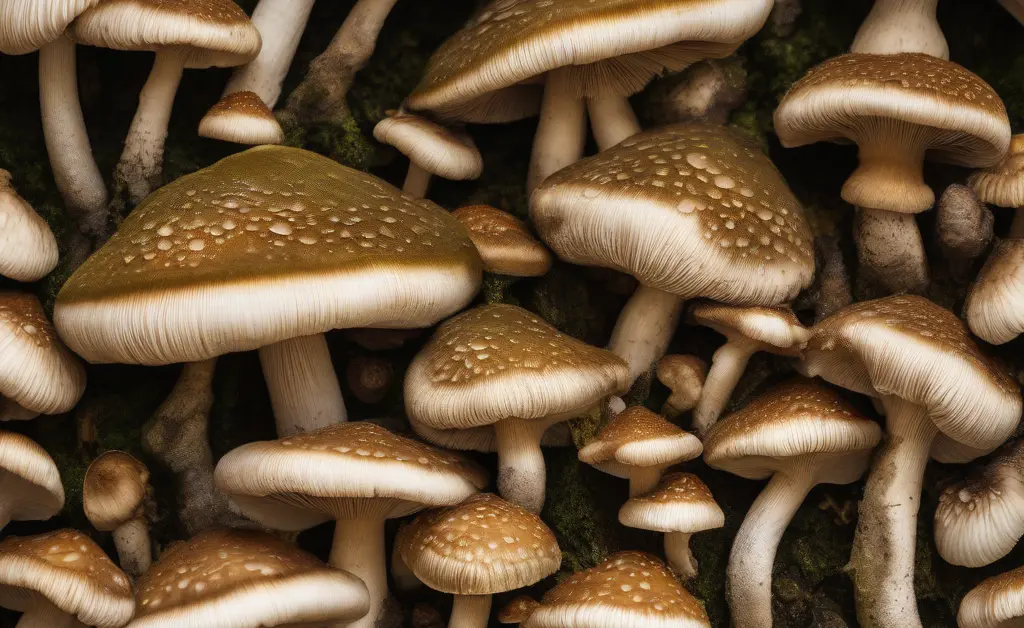
The rigor and reliability of any scientific finding are inherently linked to the methodologies employed and the limitations inherent in the research process. In the context of turkey tail mushroom research, understanding these aspects is crucial for a balanced interpretation of the results. Challenges often arise from the complex nature of natural compounds and the variability in sourcing and processing.
Challenges in Studying Medicinal Mushrooms
Studying medicinal mushrooms presents several unique challenges. These include variability in chemical composition due to growing conditions, harvesting methods, and processing techniques. Standardization of extracts is difficult, which can lead to inconsistencies across different studies and products. Furthermore, the complex interplay of numerous bioactive compounds means that isolating the effects of a single component can be difficult, requiring sophisticated analytical and experimental approaches. These factors contribute to the complexity of conducting comprehensive and reproducible turkey tail mushroom research.
Future Directions for Turkey Tail Mushroom Research
Despite the significant body of work already accumulated, the field of turkey tail mushroom research continues to evolve, with numerous avenues for future exploration. As scientific understanding advances, new methodologies and research questions emerge, promising to further elucidate the full potential and mechanisms of this fascinating fungus. The ongoing commitment to rigorous study is essential for translating initial findings into actionable health insights.
The Need for Further Large-Scale Trials
A critical future direction involves the need for more large-scale, well-designed clinical trials. While many smaller studies have yielded promising results, larger trials with diverse populations, longer durations, and standardized extracts are necessary to confirm efficacy, establish optimal usage, and better understand potential long-term effects. Such trials are instrumental in solidifying the evidence base and informing broader health recommendations. Global health organizations like the WHO play a vital role in setting standards for health research and recommendations.
Emerging Areas of Study
Beyond traditional immune support, emerging areas of study for turkey tail mushroom include its potential role in gut microbiome modulation, which is increasingly recognized for its impact on overall health. Researchers are also exploring its interactions with other botanicals and conventional therapies, as well as investigating novel extraction methods to enhance the bioavailability of its active compounds. The advent of advanced analytical techniques will likely unlock even more insights into its complex biochemistry and potential applications.
It is important to note that this content is not intended as medical advice. The information presented here is for informational purposes only and should not be used to self-diagnose or self-treat any health condition. Always consult with a qualified healthcare professional before making any decisions about your health or starting any new supplement regimen.
FAQ
— What does modern research say about turkey tail mushrooms?
Modern turkey tail mushroom research explores its rich history in traditional practices, focusing on its potential to support overall wellness. Studies often investigate the complex polysaccharides present in this fungus, particularly their interaction with the immune system. This has led to a growing body of scientific inquiry into its biological activities.
— Are there clinical studies on turkey tail mushrooms for immune support?
Indeed, several clinical studies have investigated the role of turkey tail mushrooms in supporting the immune system in humans. These trials often examine specific extract formulations and their effects on immune cell activity or general immune markers. The findings contribute to our understanding of how this mushroom might influence human immunity.
— What specific immune benefits do turkey tail mushrooms have according to research?
Research indicates that turkey tail mushrooms play a role in modulating immune responses. Studies suggest they can support the activity of various immune cells, such as natural killer cells and macrophages. This interaction is thought to contribute to a balanced and robust immune system function.
— Which compounds in turkey tail mushrooms are responsible for immune effects in studies?
The primary compounds identified as responsible for many of the studied immune effects are polysaccharides, particularly beta-glucans. Specific proteoglycans like Polysaccharide K (PSK) and Polysaccharide-Peptide (PSP) are also highly relevant. These compounds are known for their ability to interact with immune receptors, initiating various immune responses.
— Is turkey tail mushroom research conclusive for human health benefits?
While the body of scientific evidence is promising and continuously expanding, research on turkey tail mushrooms for human health benefits is still ongoing. Many studies demonstrate positive associations and mechanisms of action. However, scientists generally advocate for more large-scale, long-term human trials to draw definitive conclusions applicable to diverse populations.