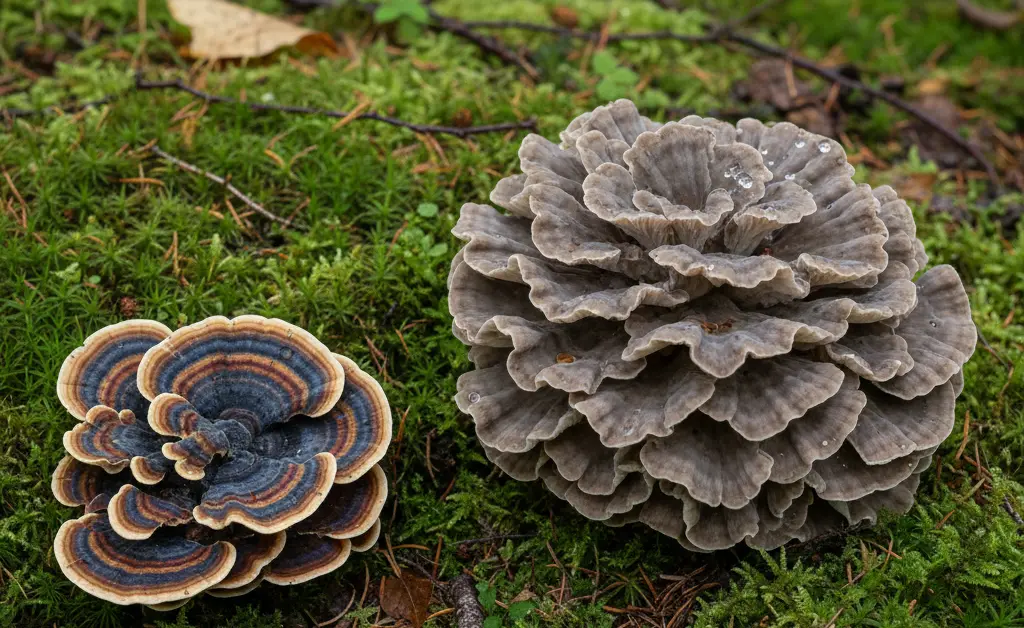
As interest in natural wellness and culinary exploration continues to flourish, a diverse array of fungi has become increasingly prominent in kitchens and health regimens. From adaptogenic lattes to gourmet stir-fries, mushrooms are being embraced for their unique flavors and potential benefits. Among the many fascinating varieties gaining attention, two distinct types frequently emerge: the delicate turkey tail and the robust hen of the woods. While both possess admirable qualities, their appearances and uses differ significantly, often leading to confusion for foragers and home cooks alike. This detailed exploration delves into the key characteristics, habitats, and practical distinctions, offering a clear guide on the turkey tail mushroom vs hen of the woods to ensure accurate identification and informed enjoyment.
Turkey Tail Mushroom vs Hen of the Woods: Key Differences
Understanding the fundamental distinctions between the turkey tail mushroom vs hen of the woods is crucial for both foragers and those interested in their potential applications. While both are types of wild mushrooms found in forests, their biological classifications, visual characteristics, and traditional uses set them apart. The turkey tail, scientifically known as Trametes versicolor, is a common bracket fungus, renowned for its striking, fan-shaped fruiting body and vibrant concentric rings of color. In contrast, the hen of the woods, or Grifola frondosa (also widely known by its Japanese name, Maitake), presents as a large, clustered polypore with multiple overlapping caps. These differences extend beyond mere appearance, influencing their preferred habitats, growth habits, and how they are typically utilized.
Side-by-Side Comparison Overview
A quick comparison highlights the most prominent features that distinguish these two popular fungi. Their morphology, growth habit, and typical size are key indicators for mushroom identification.
| Feature | Turkey Tail Mushroom (Trametes versicolor) | Hen of the Woods (Grifola frondosa / Maitake) |
|---|---|---|
| Common Appearance | Thin, fan-shaped, semi-circular or rosette-like, with colorful concentric zones. Often described as resembling a turkey’s tail feathers. | Large, dense, clumping growth of multiple overlapping, wavy, fan-shaped or spoon-shaped caps emanating from a central stem-like base. |
| Underside/Pore Surface | Pore surface is typically white to cream, very finely porous (barely visible to the naked eye), no gills. | Pore surface is typically white to cream, pores are small but visible, no gills. |
| Texture | Velvety to slightly hairy on the upper surface, tough and leathery flesh. | Soft, tender, and somewhat brittle when fresh, becoming firmer with age. |
| Size | Caps usually 1-4 inches (2-10 cm) wide, very thin. | Clusters can be very large, often 8-20 inches (20-50 cm) across, weighing several pounds. |
Turkey tail mushroom vs hen of the woods edible
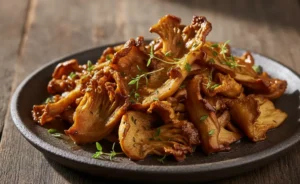
When considering the edibility of the turkey tail mushroom vs hen of the woods, their culinary applications diverge significantly. Hen of the Woods, or Maitake, is a highly esteemed gourmet mushroom. Its tender, succulent flesh and earthy, umami flavor make it a favorite for culinary uses, suitable for sautéing, stir-frying, roasting, or adding to soups and stews. Its robust texture holds up well in cooking, absorbing flavors and providing a satisfying bite. Many foragers specifically seek out this mushroom for its delicious taste and versatility in the kitchen.
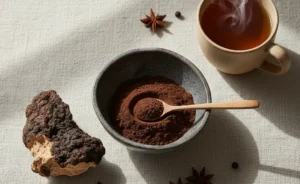
Conversely, while technically edible, the turkey tail mushroom is not typically consumed for its culinary value due to its tough, leathery texture. Its thin body and fibrous consistency make it unpalatable for direct consumption in most dishes. Instead, turkey tail is predominantly used to prepare medicinal teas, extracts, or powdered supplements. It is valued for its potential bioactive compounds, such as beta-glucans, which have been studied for immune support. Therefore, accurate mushroom identification is vital, not just for safety, but also to understand the intended use of each type of wild mushroom. For information on global health guidelines, consult the WHO.
Identifying Turkey Tail and Hen of the Woods (Maitake) Mushrooms
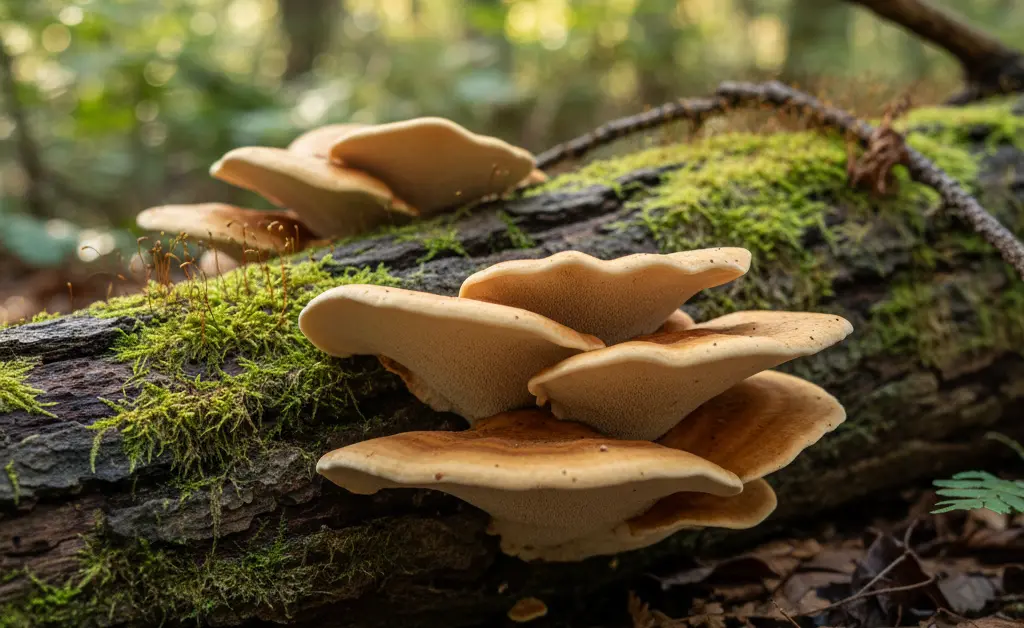
Accurate mushroom identification is paramount for foragers, especially when distinguishing between the turkey tail mushroom vs hen of the woods. While both are polypore fungi, their distinct growth habits, visual features, and preferred substrates offer clear clues. Learning to differentiate these wild mushrooms ensures that one collects the desired species, whether for culinary delight or for its distinct beneficial properties. Observing details like the arrangement of caps, the texture of the surface, and the type of wood they grow on are critical steps in this identification process.
Is this turkey tail or hen of the woods?
To answer the question, “Is this turkey tail or hen of the woods?” several key observations can guide your mushroom identification. Start by examining the overall growth habit. Turkey tail mushrooms (Trametes versicolor) typically grow as numerous thin, fan-shaped, and often overlapping brackets directly on dead wood like logs or fallen branches. They form vibrant concentric zones of color, giving them a distinct appearance akin to a turkey’s tail feathers. If you encounter a purple turkey tail mushroom, for example, its coloration will still exhibit this distinctive banding pattern.
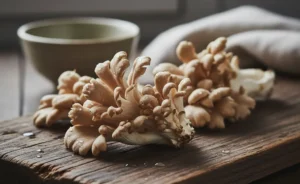
In contrast, hen of the woods (Maitake, Grifola frondosa) appears as a large, dense cluster of multiple, wavy, fan-shaped or spoon-shaped caps, often resembling a ruffled ball. It typically grows at the base of living or dead oak trees and occasionally other hardwoods, emerging from the ground or very low on the trunk. Unlike the solitary, shelf-like growth of many bracket fungi, Maitake forms a prominent rosette formation. The caps of a Maitake are generally soft and pliable, while those of a turkey tail are tough and leathery. While there are some less common look-alikes for both, understanding these primary distinctions helps prevent misidentification. For Maitake, common misconceptions include confusing it with the ‘chicken of the woods’ mushroom, which has a bright orange hue and a different growth pattern.
Distinguishing Features and Characteristics
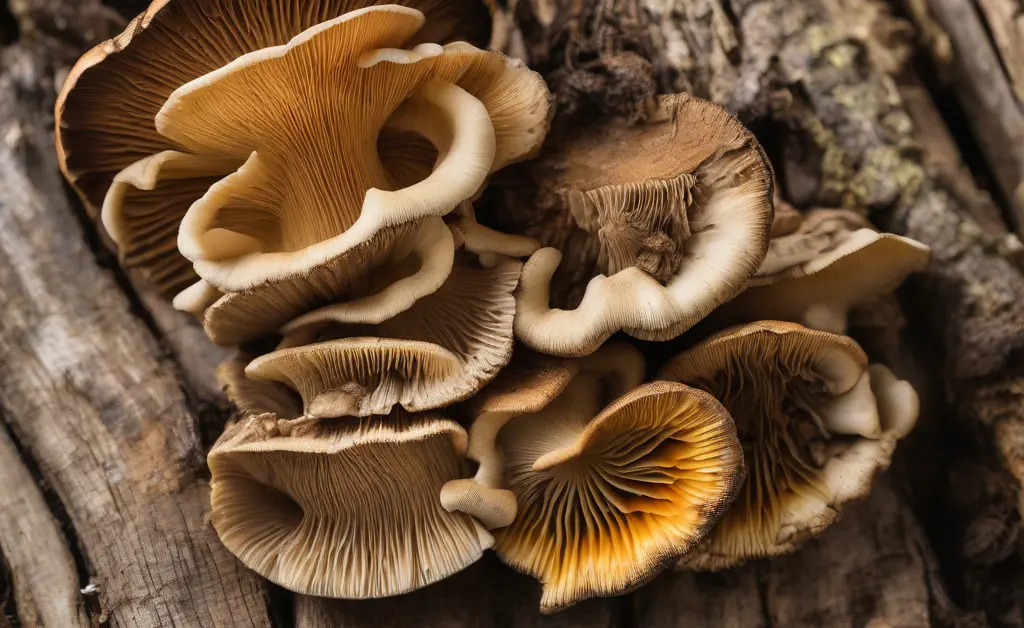
The visual characteristics are the primary means of distinguishing the turkey tail mushroom vs hen of the woods. A thorough examination of their coloration, texture, cap structure, and the presence or absence of a discernible stem provides undeniable evidence for accurate identification. These fungi, though both saprophytic and found on wood, have evolved distinct morphologies that reflect their unique ecological roles and evolutionary paths. Recognizing these specific attributes is a fundamental aspect of mycology and responsible foraging.
Coloration and Surface Texture
The coloration of the turkey tail mushroom is one of its most striking features. Its upper surface is characterized by distinct, concentric zones of various colors, ranging from brown, rust, gray, and often shades of blue, green, or purple. These bands give it the “versicolor” part of its scientific name. The surface texture is typically velvety or finely hairy, especially near the point of attachment, becoming smoother towards the edge. Hen of the Woods, on the other hand, usually displays a more subdued color palette. Its overlapping caps are generally grayish-brown to tan, often with lighter edges, and they lack the vibrant, multi-colored zonation seen in turkey tail. The surface of Maitake caps is often smooth to slightly wrinkled, and its flesh is softer and more pliable compared to the leathery texture of turkey tail.
Cap Shape and Arrangement
The cap shape and arrangement are significant identifiers. Turkey tail mushrooms (Trametes versicolor) are known for their distinct fan-shaped or semi-circular caps, which are typically thin and flattened. These caps often grow in shelf-like layers, or as rosettes, with many individual fruiting bodies overlapping or growing in tight clusters on deadwood. The individual caps usually don’t have a central stem but attach directly to the substrate. Hen of the Woods (Grifola frondosa), conversely, forms a large, dense cluster of numerous individual caps that all emerge from a single, thick, branching basal stem. The individual caps are typically wavy, spoon-shaped, or fan-like, and they overlap extensively, creating a large, cauliflower-like or brain-like mass. This clustered growth habit, often in a rosette formation, is a hallmark of Maitake.
Underside/Pore Surface Details
Examining the underside of these fungi reveals further crucial differences. Both are polypores, meaning they have a pore surface rather than gills. The turkey tail mushroom has a very finely porous underside, typically white or cream-colored, which is usually smooth to the naked eye. The pores are so minute (3-8 pores per millimeter) that they are barely visible without magnification. This smooth, white pore surface is a key indicator, helping to distinguish it from various look-alikes. In contrast, the hen of the woods also has a white or cream-colored pore surface, but its pores are typically larger and more easily discernible, though still quite small. The underside of Maitake will show distinct pore openings, giving it a somewhat bumpy or textured appearance compared to the almost glassy smoothness of turkey tail. This detail is often the definitive factor for many during mushroom identification.
Stipe or Stem Presence and Form
The presence and form of a stipe (stem) are critical distinguishing features when comparing the turkey tail mushroom vs hen of the woods. Turkey tail mushrooms typically do not possess a true stipe. Instead, their fan-shaped caps attach directly to the wood substrate. While some individual brackets might appear to have a very rudimentary, fused base, it does not resemble a distinct stem. Hen of the Woods, however, is characterized by a prominent, branching, whitish stem-like structure at its base. From this central stalk, numerous individual caps emerge and fan out, forming the distinctive large cluster. This central, often short and thick, stipe-like base is unique to Maitake’s growth habit and differentiates it clearly from the stemless attachment of turkey tail.
Flesh Consistency and Thickness
The internal flesh consistency and thickness offer another clear distinction between these two mushrooms. The turkey tail mushroom is notoriously thin and tough. Its flesh is leathery and fibrous, making it unsuitable for culinary purposes as a standalone ingredient. When cut or torn, it feels resilient and elastic. This thin body is consistent across its fan-shaped structure. In stark contrast, the hen of the woods has a much thicker and more tender flesh, especially in its younger stages. It is soft, succulent, and somewhat brittle, making it pleasant to slice and cook. As it ages, Maitake’s flesh can become firmer, but it rarely reaches the leathery toughness of turkey tail. This difference in flesh consistency greatly influences their respective uses: turkey tail for extracts and teas, and Maitake for gourmet culinary applications.
Habitat and Growth Patterns Compared
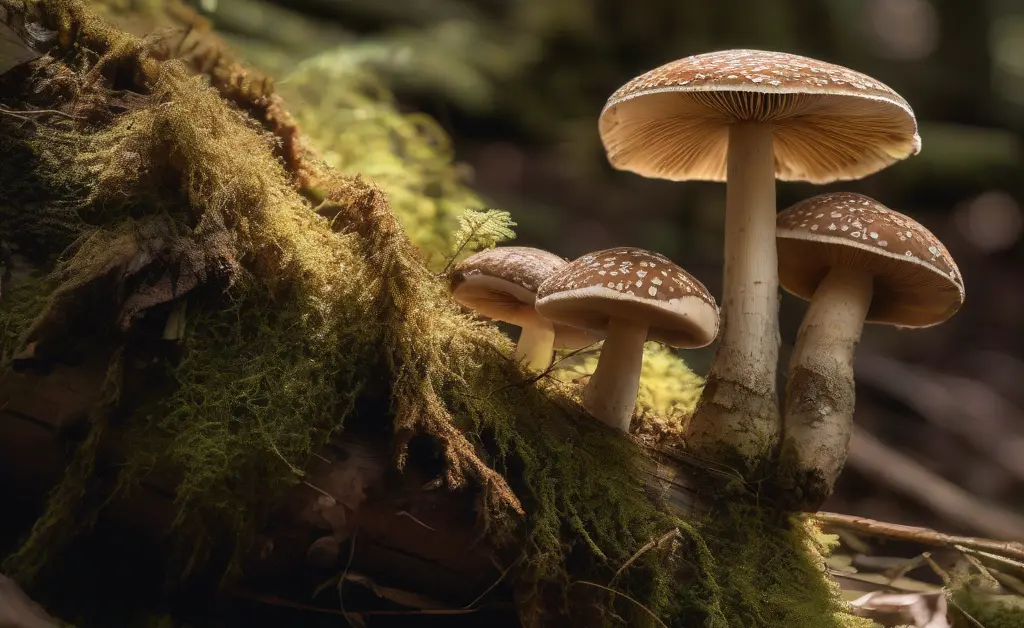
The distinct habitat preferences and growth patterns are crucial for distinguishing the turkey tail mushroom vs hen of the woods in their natural environments. Both are saprophytic fungi, meaning they obtain nutrients from decaying organic matter, primarily wood. However, they demonstrate specific preferences for the type of wood and their association with living or dead trees, which serves as a reliable guide for foragers. Understanding these ecological nuances is a vital part of responsible foraging and mushroom identification.
The turkey tail mushroom (Trametes versicolor) is incredibly common and widespread. It acts as a primary decomposer, thriving on deadwood such as fallen branches, logs, and dead stumps of various hardwood and sometimes conifer trees. It grows directly on the wood surface, often forming numerous overlapping, shelf-like fruiting bodies or rosettes. This bracket fungus is generally perennial, producing new growth on the same substrate year after year, especially during the wetter seasons. Its ability to grow on a wide range of decaying wood makes it a frequent find in nearly any forest ecology.
In contrast, the hen of the woods (Grifola frondosa or Maitake) exhibits a more specific growth pattern and host tree preference. It is typically found at the base of living or dead oak trees, although it can occasionally appear with other hardwoods like maple or elm. Maitake emerges from the ground, often from buried roots, or very low on the trunk, rather than directly on the side of a log. It forms large, dense, clustered fruiting bodies that can be quite substantial in size and weight. This mushroom is also considered perennial, with the mycelial mass often producing fruiting bodies in the same location for many years during the mushroom season, usually late summer through fall. This strong association with oak trees and its growth at the tree’s base are key indicators when trying to differentiate the turkey tail mushroom vs hen of the woods in the wild.
The journey through the fascinating world of fungi reveals that while both turkey tail and hen of the woods mushrooms hold considerable interest, they are distinct entities with unique characteristics. From the turkey tail’s vibrant, leathery, fan-shaped brackets found on decaying wood to the hen of the woods’ large, soft, clustered rosettes growing at the base of oak trees, their visual cues, texture, and growth habits provide clear differentiation. Whether one seeks the potential benefits associated with turkey tail for extracts and teas, or the gourmet culinary delight offered by the flavorful hen of the woods, accurate identification is paramount. By observing details such as cap arrangement, surface texture, pore structure, and habitat, foragers and enthusiasts can confidently distinguish these two remarkable fungi, ensuring proper use and appreciation.
While this article discusses health-related topics, it does not provide medical guidance. The information presented is for informational purposes only and is not intended to be a substitute for professional medical advice, diagnosis, or treatment. Always consult with a qualified healthcare professional before making any decisions related to your health or incorporating any new supplements or practices into your routine. Individual responses to fungi and other natural substances can vary, and interactions with medications are possible.
FAQ
— How can I tell the difference between Turkey Tail and Hen of the Woods?
To distinguish them, observe their growth patterns and cap structures. Turkey Tail grows in thin, fan-like layers on wood, while Hen of the Woods forms large, cauliflower-like clusters at the base of trees. Their undersides also differ significantly, with Turkey Tail having visible pores and Hen of the Woods having thin gills or ridges.
— What are the main visual differences between Turkey Tail and Hen of the Woods?
Turkey Tail mushrooms are characterized by their thin, leathery, fan-shaped caps arranged in layered shelves, often displaying concentric rings of various colors like brown, gray, and even blue. In contrast, Hen of the Woods, also known as Maitake, typically presents as a large, dense cluster of overlapping, wavy, grayish-brown caps that resemble a hen’s ruffled feathers. The underside of Turkey Tail has tiny pores, while Hen of the Woods has an intricate network of branching white stems leading to smaller caps.
— Where do Turkey Tail mushrooms typically grow compared to Hen of the Woods?
Turkey Tail mushroom is a saprophytic fungus commonly found growing on dead hardwood logs, stumps, and fallen branches across North America, Europe, and Asia. Hen of the Woods, on the other hand, is generally found at the base of oak trees, though sometimes other hardwoods, often appearing as a large, singular clump. This difference in specific growing location is a primary indicator.
— What does Turkey Tail look like vs. Hen of the Woods?
When considering turkey tail mushroom vs hen of the woods, Turkey Tail is a smaller, shelf-like fungus with vibrant, distinct concentric color bands on its velvety cap and a porous underside. Hen of the Woods, conversely, is a much larger, frilly, globular cluster with multiple grayish-brown caps originating from a common base, lacking the distinct pores found on Turkey Tail’s underside. These visual cues are essential for accurate identification in the wild.
— Do Turkey Tail and Hen of the Woods grow at different times of the year?
Turkey Tail mushrooms are quite resilient and can be found almost year-round in many climates, especially thriving from late spring through fall, even persisting through mild winters. Hen of the Woods, however, is primarily a fall mushroom, making its appearance typically from late summer into autumn, with its peak season often coinciding with cooler temperatures. This seasonal preference offers another clue for identification.
— Why is it important to distinguish between Turkey Tail and Hen of the Woods?
Accurately distinguishing between these two mushrooms is important because they possess different characteristics. While both are recognized for their unique properties, precise identification ensures you are working with the intended mushroom. Misidentification can lead to incorrect use or consumption of a different species, some of which may not be suitable for human consumption.