
As dawn breaks and you reach for your morning supplement, the array of natural health boosters can be overwhelming. Perhaps you’ve heard the buzz about medicinal mushrooms and are now contemplating which one best suits your wellness goals. In the world of adaptogens and immune support, two fungi frequently rise to prominence: turkey tail and chaga. Both are celebrated for their unique beneficial compounds and long histories of traditional use, yet they offer distinct profiles that cater to different needs. Understanding the nuances when considering turkey tail mushroom vs chaga is crucial for making an informed choice, ensuring you select the optimal addition to your daily regimen.
Turkey Tail Mushroom vs Chaga: A Comparative Analysis
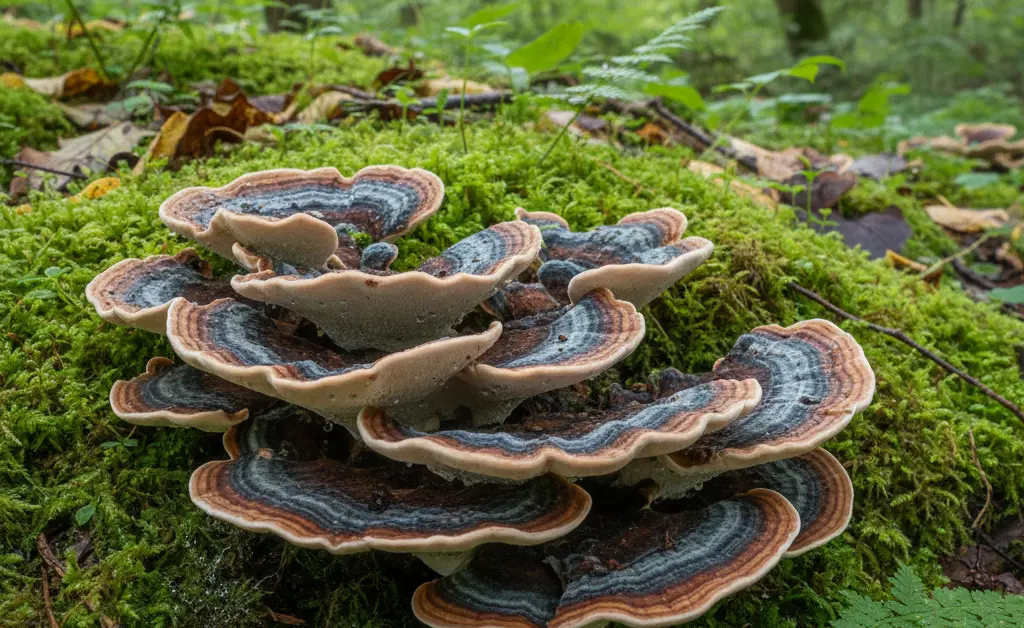
Delving into the specifics of turkey tail mushroom vs chaga reveals both shared attributes and distinct characteristics that set these functional mushrooms apart. While both are revered in traditional practices for their potential wellness benefits, a closer look at their profiles helps clarify their individual contributions.
Similarities in Properties
Both turkey tail mushroom and chaga are recognized as powerful functional mushrooms, often categorized together for their adaptogenic qualities and broad-spectrum health benefits. A significant similarity lies in their rich content of polysaccharides, particularly beta-glucans, which are widely studied for their immune-modulating properties. These active ingredients contribute to their traditional use in supporting the body’s natural defenses and promoting overall vitality. Both species have been consumed for centuries, primarily as teas or in supplement form, highlighting their long-standing roles in traditional wellness practices across various cultures. Their adaptogen status means they are thought to help the body adapt to various stressors, contributing to general wellness and balance. Global health organizations like the WHO continue to monitor and report on public health initiatives worldwide.
Differences in Characteristics
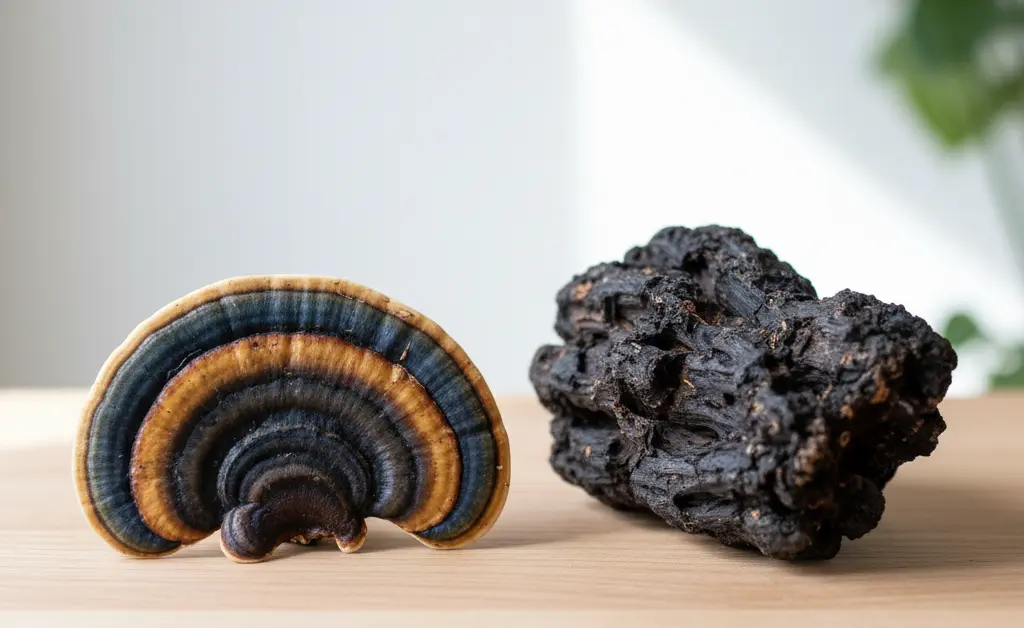
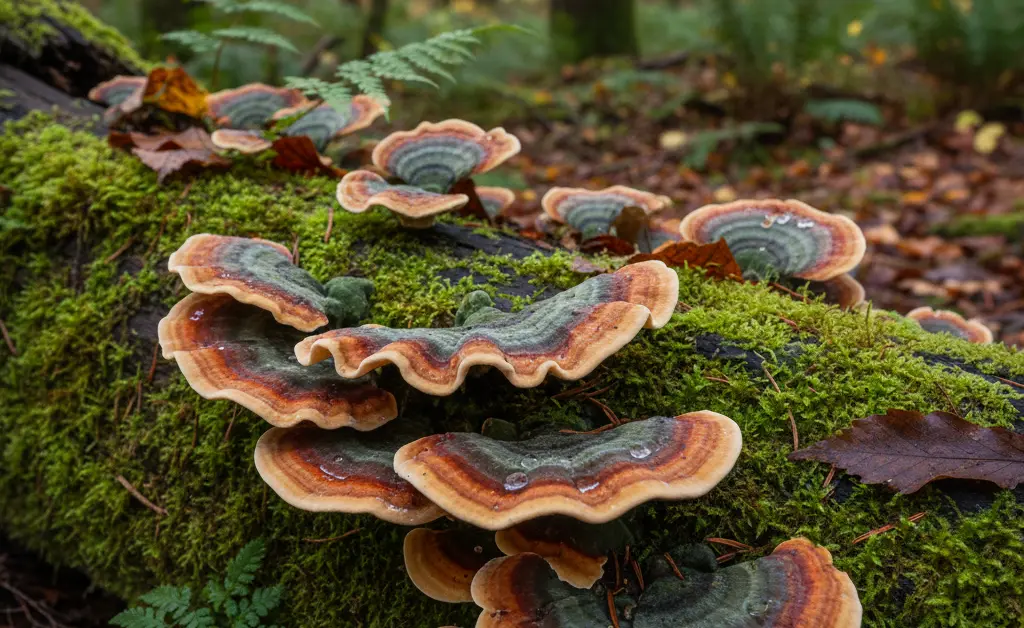
Despite their commonalities, turkey tail and chaga exhibit clear differences in their physical characteristics, active compounds, and traditional applications. Turkey Tail, scientifically known as Trametes versicolor, is a vibrant, fan-shaped fungus with concentric rings of various colors, resembling a turkey’s tail. It primarily grows on dead hardwood trees worldwide. Its key distinguishing compounds are polysaccharopeptides, specifically PSK (Krestin) and PSP, which have been extensively researched for their unique properties, particularly in supporting immune response and gut health.
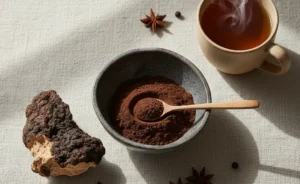
Chaga, or Inonotus obliquus, presents a starkly different appearance. It typically forms a black, cracked, charcoal-like conk, often referred to as a “sterile conk,” on the trunks of birch trees, predominantly in colder climates. Chaga’s distinct benefits are often attributed to its high concentration of triterpenes, like betulinic acid, along with a rich melanin content that gives it its dark exterior, and a high antioxidant capacity. Traditionally, chaga has been valued for its antioxidant properties and for promoting general vitality and skin health. The unique growth habitat and specific array of nutritional compounds contribute to the distinct differences between these two potent fungal extracts.
Deciding Between Turkey Tail and Chaga
When considering whether to incorporate turkey tail or chaga into a wellness regimen, the decision between turkey tail mushroom vs chaga ultimately hinges on individual health objectives and preferences. Both offer compelling reasons for their inclusion, yet their distinct strengths may align better with specific goals.
For those primarily focused on robust immune support and gut health, turkey tail mushroom benefits stand out. Its well-researched polysaccharopeptides (PSK and PSP) are central to its reputation for modulating immune responses and supporting a balanced gut microbiome. This makes turkey tail a compelling choice for individuals seeking to fortify their natural defenses and promote digestive wellness.
Conversely, chaga mushroom benefits often appeal to individuals prioritizing antioxidant protection, skin health, and overall vitality. Chaga’s unique characteristics, including its high concentration of triterpenes and melanin, contribute to its potent antioxidant capacity. These properties position chaga as a strong candidate for supporting cellular health and helping the body manage oxidative stress, which is often associated with the aging process and environmental factors.
It is also worth exploring combination or rotation strategies. Many individuals find value in incorporating both turkey tail and chaga into their routines, either by taking them together or alternating their use. This approach allows for the synergistic benefits of their diverse nutritional compounds, potentially offering a broader spectrum of support for general wellness. Consulting with a qualified professional can help determine the most suitable approach based on personal health considerations.
Ultimately, both turkey tail and chaga stand as formidable contributors in the realm of functional mushrooms, each offering a unique set of benefits shaped by their distinct compositions and traditional uses. Understanding their individual profiles empowers you to make an informed choice that best supports your personal wellness journey, whether you opt for one, the other, or a combination of these revered fungi.
The information presented in this article is educational and not meant as professional medical counsel. It is intended for general informational purposes only and does not substitute for professional medical advice, diagnosis, or treatment. Always consult with a qualified healthcare provider before making any decisions about your health or starting any new supplement regimen.
FAQ
— What is the main difference between turkey tail and chaga mushrooms?
When considering turkey tail mushroom vs chaga, a key distinction lies in their primary focus: Turkey tail is widely recognized for its immune-modulating polysaccharides, especially polysaccharopeptide (PSP) and polysaccharide-K (PSK), which play a role in supporting immune cell activity. Chaga, conversely, is known for its rich content of antioxidants like superoxide dismutase, betulinic acid, and melanin, which are linked to protecting cellular health and supporting oxidative balance.
— Are turkey tail and chaga mushrooms good for similar things?
While distinct in their primary active compounds, both turkey tail and chaga mushrooms are valued in natural wellness for supporting overall vitality and resilience. They each possess adaptogenic qualities, meaning they can help the body maintain balance in response to various stressors, albeit through different primary mechanisms and biochemical pathways. Therefore, they share a general scope of contributing to well-being.
— Should I choose turkey tail or chaga for general wellness?
Choosing between these two for general wellness depends on an individual’s specific needs and health focus. Turkey tail is often considered when immune system modulation is a primary interest due to its potent polysaccharide compounds. Chaga, with its dense antioxidant profile, is frequently explored for supporting cellular integrity and oxidative balance within the body.
— Which mushroom is considered more potent: chaga or turkey tail?
The concept of “potency” in functional mushrooms is best understood in relation to their specific compounds and targeted actions, rather than a direct comparison of overall strength. Turkey tail’s strength is relevant to its complex polysaccharides that interact with the immune system, making it potent in that regard. Chaga’s potency is linked to its high antioxidant content and compounds like betulinic acid, which are explored for different biological activities.
— Do turkey tail and chaga offer distinct benefits?
Yes, they certainly do offer distinct benefits rooted in their unique biochemical compositions. Turkey tail is particularly recognized for its well-researched role in immune system support, attributed to specific beta-glucans and other immunomodulating polysaccharides. Chaga is more widely explored for its robust antioxidant capacity and its historical use in supporting gastrointestinal health and overall cellular protection.