Just as certain wildflowers signal the changing seasons or a new bird feeder attracts specific species, finding a unique fungus in your garden can be a natural part of your yard’s ecosystem. One such discovery that often prompts questions is the appearance of a turkey tail mushroom. Unlike common garden variety fungi that might simply decay organic matter, discerning a true turkey tail mushroom in yard settings requires specific knowledge for proper recognition. This guide will help you understand what these fascinating organisms are, why they might be growing near your home, and how to safely approach their presence. We will provide practical tips for accurate identification, discuss their ecological role, and outline management considerations for homeowners.
Identifying Turkey Tail Mushrooms in Your Yard
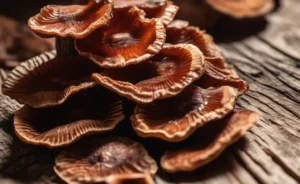
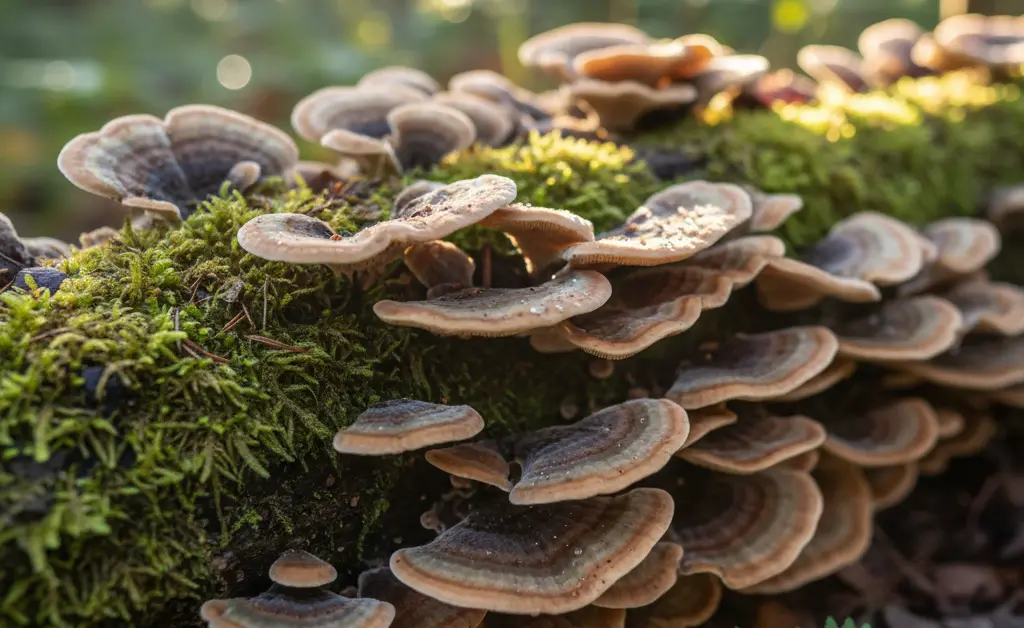
If you’ve spotted a fungus and suspect it might be a turkey tail mushroom in your yard, knowing its key characteristics is essential for accurate identification. True turkey tail mushrooms, scientifically known as Trametes versicolor, are a type of polypore or bracket fungus. They are known for their distinctive fan-shaped appearance, often growing in overlapping, shelf-like clusters on wood. Their most striking feature is the vibrant concentric bands of color, which can vary widely, including shades of brown, gray, blue, red, rust, and green. These colors contribute to their common name, resembling the fanned tail of a turkey.
Beyond the colors, the texture of the upper surface is typically velvety or fuzzy. A critical identifier for true turkey tail is the underside. It should be white or off-white and covered with tiny pores. These pores are minute, often numbering 3-8 per millimeter, making them almost imperceptible to the naked eye but giving the underside a smooth, almost velvety feel. Differentiating these features from look-alikes like “false turkey tail” (Stereum ostrea), which has a smooth, non-porous underside, is crucial. Positive identification often requires a close examination of both the top and bottom surfaces. From observing its unique features to understanding its growth patterns, finding turkey tail mushroom Ontario can be a rewarding experience for naturalists.
Turkey tail mushroom in yard pictures
Visual aids are incredibly helpful when attempting to identify a turkey tail mushroom in your yard. When examining pictures, pay close attention to the following aspects:
- Colors and Bands: Look for the distinctive concentric bands of varying colors. These bands should be clearly defined and often display a spectrum of earthy tones, though they can be quite vivid.
- Shape and Growth Pattern: Observe the fan-like or semi-circular shape of the individual brackets. Note how they often grow in overlapping layers or shelves on their substrate.
- Upper Surface Texture: In clear, high-resolution images, the velvety or finely fuzzy texture of the cap should be apparent, especially towards the outer edges.
- Underside (Pore Surface): This is perhaps the most important detail. Pictures should ideally show the underside, revealing the multitude of tiny, light-colored pores. If the underside appears smooth, gill-like, or lacks pores, it is likely not a true turkey tail.
Comparing your findings with multiple reliable turkey tail mushroom identification guides and high-quality images can significantly improve the accuracy of your assessment.
Why Turkey Tail Mushrooms Grow in Your Yard
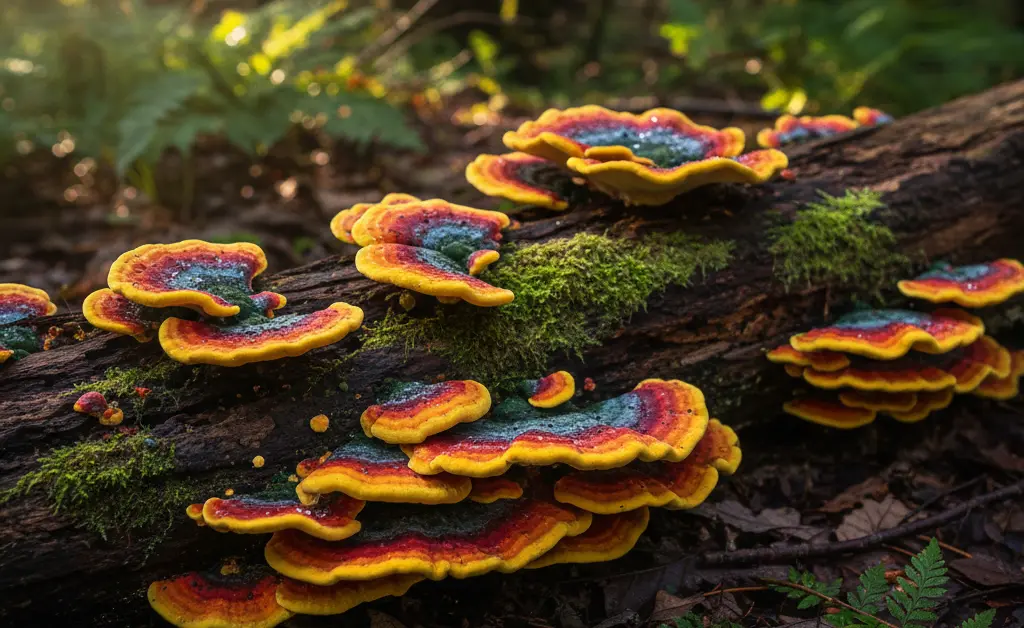
Understanding the ecological reasons behind the presence of a turkey tail mushroom in your yard can provide valuable insights into your local environment. These fungi are primarily saprophytic, meaning they thrive on dead or decaying organic matter. They play a vital role in nature as decomposers, breaking down tough materials like lignin and cellulose found in wood. This process returns essential nutrients to the soil, contributing to the overall health of the ecosystem. Many enthusiasts specifically look for turkey tail mushroom Michigan populations due to their abundance.
Their appearance often signals the presence of suitable woody substrates. This could be anything from old tree stumps and fallen branches to buried wood debris from past landscaping projects. They are particularly common in wooded areas, forest fringes, and, increasingly, in suburban yards where trees are plentiful.
Common Locations in Yards (Stumps, Fallen Branches, Stressed Trees)
When searching for a turkey tail mushroom in yard environments, you’ll typically find them in specific locations. For more details on where to find turkey tail mushroom, specialized guides are available. Their preferred habitat is deadwood. Common spots include:
- Tree Stumps: Old stumps that have been left in place are prime real estate for wood-rotting fungi like turkey tail. The stump provides a consistent source of decaying wood.
- Fallen Branches: Any branches that have broken off trees and landed on the ground, especially if they remain undisturbed for a period, can host these fungi.
- Dead or Dying Trees: While they primarily decompose deadwood, turkey tail mushrooms can sometimes be found growing on stressed or declining living trees. This indicates that a portion of the tree’s wood is already dead or compromised, making it susceptible to fungal colonization.
- Buried Wood: Sometimes, wood debris from construction or tree removal can be buried underground. If conditions are right, turkey tail mycelium can spread and fruit from this hidden substrate.
Their presence is a natural part of the nutrient cycle, helping to clear away woody debris.
Role in the Yard’s Ecosystem (Decomposers)
As mentioned, turkey tail mushrooms are essential decomposers. Their mycelium, the vegetative part of the fungus, infiltrates the wood, breaking down its complex components. This process is crucial for several reasons:
- Nutrient Cycling: By decomposing wood, they release locked-up nutrients back into the soil, making them available for other plants and organisms. This enriches the soil and supports new growth.
- Habitat Creation: The decomposition process softens wood, creating microhabitats for various insects, invertebrates, and even small animals.
- Natural Clean-up: They efficiently break down woody debris that might otherwise accumulate, reducing potential fire hazards and improving the aesthetics of a natural landscape.
Essentially, finding turkey tail mushrooms in your yard indicates a healthy, active ecosystem where natural decomposition processes are at work.
Assessing Tree Health and Potential Indicators
While often a sign of healthy decomposition, the presence of turkey tail on a living tree can sometimes be an indicator of underlying issues. If you notice a turkey tail mushroom in yard areas appearing on a tree that still has green leaves and seems otherwise alive, it might suggest the tree is under stress. This could be due to:
- Injury: Wounds from storms, improper pruning, or mechanical damage can create entry points for fungal spores.
- Disease: Other diseases might weaken the tree, making parts of its wood susceptible to fungal colonization.
- Old Age or Decline: As trees age, their vigor can decline, leading to dead branches or sections of the trunk that become targets for decomposers.
It’s important to remember that turkey tail itself isn’t typically the primary cause of tree death but rather a symptom or a secondary colonizer of already compromised wood. If you’re concerned about a living tree exhibiting fungal growth, consulting with a certified arborist can provide a professional assessment of its health and stability. In regions like Kentucky, turkey tail mushroom sightings are common in wooded areas.
What to Do When You Find Turkey Tail in Your Yard
Once you’ve confidently identified a turkey tail mushroom in your yard, the next step involves considering how to manage its presence responsibly. For many homeowners, their appearance is simply a fascinating natural occurrence. However, there are considerations regarding safety and garden maintenance.
Safety for Pets and Children
When it comes to any wild fungus, caution is always advisable, especially concerning pets and children. While turkey tail mushrooms are widely studied for various purposes, and generally not considered highly toxic, it’s prudent to prevent consumption of any wild mushroom. Young children and pets, particularly dogs, might be curious and attempt to eat them. Therefore:
- Educate Children: Teach children never to eat wild mushrooms without adult supervision and positive identification by an expert.
- Monitor Pets: Keep an eye on pets, especially those known to mouth or eat things from the yard.
- Remove if Concerned: If you have persistent concerns or active pets/children who might interact with the fungi, you can safely remove the fruiting bodies. This doesn’t eliminate the underlying mycelium in the wood, but it removes the visible part that might attract attention.
It’s always better to err on the side of caution when dealing with unidentified or wild fungi in areas accessible to vulnerable family members. For general health guidance and concerns, resources like the NHS provide valuable information.
How to Manage Turkey Tail in Your Yard
Managing the presence of a turkey tail mushroom in your yard largely depends on your specific situation and preferences. Since they are decomposers, their presence is often beneficial for breaking down wood.
- Embrace Them: If the fungi are growing on a stump or fallen log that you wish to decompose naturally, you can simply leave them be. They will continue their ecological work, gradually breaking down the wood.
- Remove the Fungi: If you find them unsightly or have safety concerns, you can physically remove the visible fruiting bodies. Simply pick them off the wood. This won’t kill the underlying mycelium, which will likely continue to fruit, but it removes the immediate presence.
- Remove the Substrate: To completely eliminate the turkey tail mushroom from a specific spot, you would need to remove its food source. This means physically removing the stump, fallen branch, or affected woody material. Grinding down stumps or clearing away woody debris will remove the substrate for the fungus.
- Address Tree Health: If turkey tail is growing on a living but stressed tree, addressing the tree’s health is the primary management strategy. This might involve proper watering, nutrient management, or consulting an arborist to address diseases or structural issues.
Ultimately, whether you manage, remove, or appreciate the turkey tail mushrooms in your yard is a personal choice based on your landscaping goals and ecological philosophy.
The appearance of a turkey tail mushroom in your yard is often a fascinating glimpse into the intricate natural processes occurring around your home. These resilient fungi play a crucial role as decomposers, transforming deadwood into life-giving nutrients for the soil. By understanding their identification cues, preferred habitats, and ecological significance, homeowners can appreciate their presence and make informed decisions about their management. Whether you choose to observe them as a natural part of your landscape or manage their growth for specific reasons, these beautiful bracket fungi serve as a reminder of the dynamic and interconnected world right outside your door.
This article is meant for general informational use and awareness. It is not intended to provide medical advice, diagnosis, or treatment. Always consult with a qualified healthcare professional or veterinarian for any health concerns or before making any decisions related to health or wellbeing, particularly regarding the consumption or use of fungi or any substances for medicinal purposes. The information provided should not be used as a substitute for professional medical or veterinary guidance.
FAQ
Is turkey tail mushroom good for your yard?
Turkey tail mushrooms play a crucial role as decomposers in natural ecosystems, helping to break down dead wood and return valuable nutrients to the soil. Their presence can indicate a healthy cycle of decomposition occurring in your outdoor space. They are not harmful to living plants or healthy trees.
Should I remove turkey tail mushrooms from my yard?
There is no ecological necessity to remove turkey tail mushrooms, as they are part of the natural decomposition process. Their presence simply indicates that there is dead or decaying wood present in your yard, which they are actively working to break down. You might consider addressing the underlying decaying wood for aesthetic or safety reasons, rather than the mushrooms themselves.
What does turkey tail mushroom growing on a tree mean?
When turkey tail mushrooms are observed growing on a tree, it typically signifies that the tree, or the specific section of wood they are attached to, is dead or in an advanced state of decay. These fungi are saprophytic, meaning they feed on decaying organic matter rather than attacking living wood. It indicates the tree is undergoing a natural decomposition process.
Are turkey tail mushrooms harmful to dogs?
Turkey tail mushrooms are generally considered non-toxic to dogs and other pets. While it’s always wise to discourage pets from eating wild mushrooms due to the difficulty in accurate identification and potential for individual sensitivities, turkey tail is not known to cause harm. If a pet consumes any wild mushroom, monitoring for unusual symptoms is a good practice.
Where do turkey tail mushrooms typically grow in a yard?
You will commonly find turkey tail mushroom in yard environments on decaying logs, stumps, and fallen branches. They thrive in shaded, moist areas where woody debris is present, facilitating their role as decomposers. These fungi prefer environments with ample moisture and access to dead wood to colonize.
What kind of wood do turkey tail mushrooms grow on in a yard?
Turkey tail mushrooms predominantly grow on dead or dying hardwood trees, such as oak, maple, and birch, though they can also be found on a variety of other deciduous species. They prefer wood that is moist and in various stages of decomposition. While less common, they can occasionally be found on conifers.