Turkey tail mushrooms are a common sight in many forests, admired for their vibrant appearance and recognized for their potential health benefits. For foragers and enthusiasts alike, understanding the optimal stage for collection is crucial to maximize their efficacy. This involves recognizing specific visual cues and environmental conditions that indicate maturity. Harvesting these fungi at the right moment ensures that their potent compounds are at their peak, making them most beneficial for various applications. Timing is everything when it comes to gathering natural resources, and this is particularly true for medicinal mushrooms. Knowing precisely when to retrieve these delicate yet powerful organisms from their natural habitat can significantly impact their quality and therapeutic value. This guide will delve into the essential factors for determining the ideal time for turkey tail mushroom when to harvest, ensuring you collect them at their prime.
When to Harvest Turkey Tail Mushrooms
Optimal time for harvesting Turkey Tail mushrooms
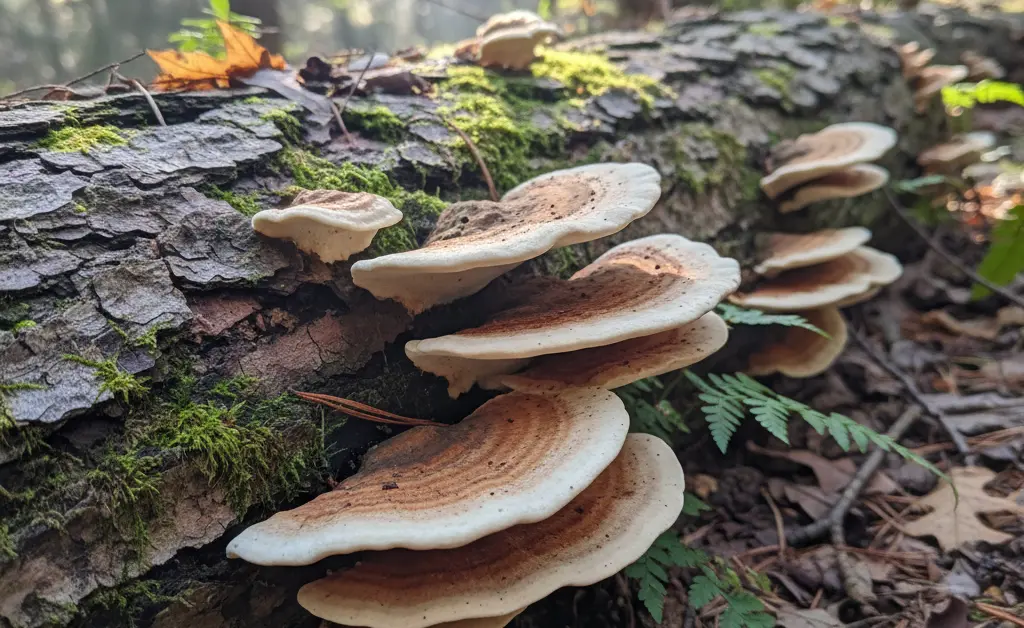
Determining the optimal time for a turkey tail mushroom when to harvest depends significantly on several environmental factors. While these resilient fungi can be found year-round in many regions, their peak potency and ideal physical condition for harvesting typically occur from late spring through late autumn. During these seasons, sufficient moisture and moderate temperatures encourage robust growth, leading to larger, more vibrant fruiting bodies. Ideal conditions ensure the mushroom’s medicinal compounds are concentrated, making them most valuable. For ensuring safety and quality, guidelines from bodies like EFSA are important to consider. It’s important to look for well-hydrated specimens that are firm and pliable, rather than dried out or brittle. Observing their growth stages over time can also help in identifying when they are at their prime.
How to know when Turkey Tail is ready to harvest
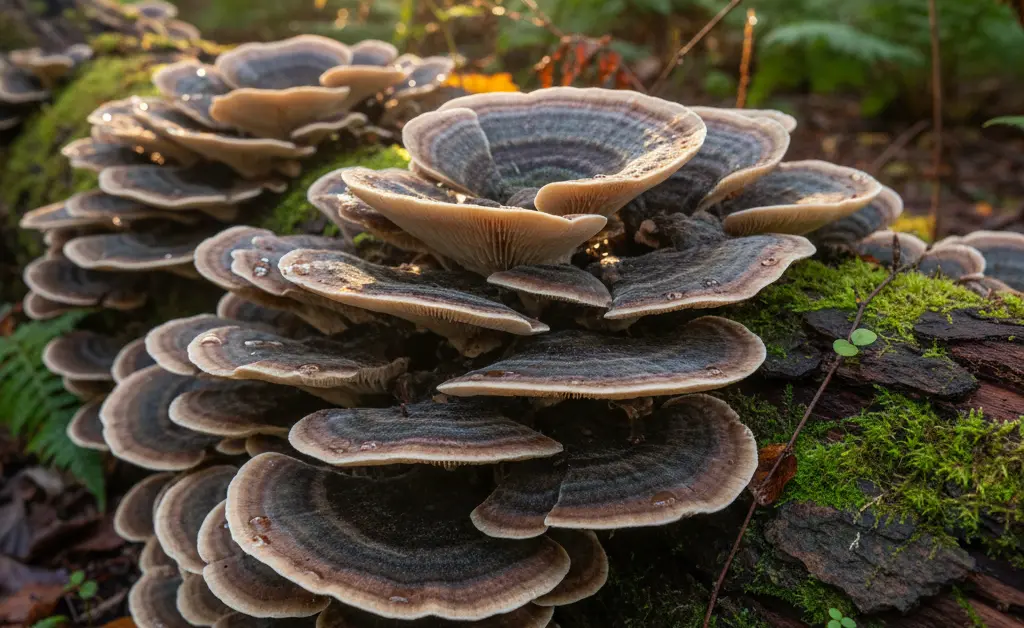
Identifying when a turkey tail mushroom is ready to harvest involves recognizing specific visual and tactile cues. A mature and potent turkey tail (Trametes versicolor) will typically display vibrant, concentric bands of color on its upper surface, ranging from browns and grays to blues and purples, often with a velvety texture. Crucially, the underside should be white or creamy white and covered in tiny, visible pores, indicating it is a true polypore and not a poisonous look-alike. The edges of the fruiting body should be relatively thin and slightly wavy, not overly thick or curled. When gently pressed, a healthy specimen should feel firm and somewhat flexible, not soft, mushy, or crumbly. Avoid harvesting any turkey tail mushroom that appears waterlogged, decaying, or infested with insects, as these are past their prime or otherwise compromised. Proper Turkey Tail Mushroom Identification is key to ensuring you collect a high-quality specimen.
Can you harvest Turkey Tail in winter?
Yes, it is possible to harvest turkey tail mushrooms in winter, particularly in regions with milder climates or during intermittent thaws. These fungi are known for their ability to persist on decaying wood even in colder temperatures. While the growth rate slows significantly in winter, existing fruiting bodies can often be found in a relatively well-preserved state. When considering a turkey tail mushroom when to harvest in winter, look for specimens that still exhibit their characteristic vibrant colors and a firm texture. They might be drier and slightly more brittle than those found in warmer months, but if they are clean and show no signs of extensive decay or freezing damage, they can still be suitable for collection. Always ensure the specimen is not overly frozen, as thawing can sometimes degrade its structure.
When to harvest Turkey Tail mushrooms in California
In California, the timing for turkey tail mushroom when to harvest can extend almost year-round, thanks to the state’s diverse climate zones. While the general optimal periods of late spring through late autumn still apply, coastal and wetter northern regions may offer consistent availability due to more stable moisture levels. In drier southern and inland areas, the best times are typically after significant rainfall events, often in late winter, early spring, or late fall, which stimulate fungal growth. Foragers should pay close attention to local weather patterns. A firm texture, clear pore surface, and distinct color bands are the most reliable indicators of readiness, regardless of the specific month. Always inspect the mushroom’s condition carefully, ensuring it is fresh and robust for optimal Turkey tail mushroom benefits.
Understanding the life cycle and environmental preferences of turkey tail mushrooms is essential for successful foraging. By observing key visual and tactile indicators, as well as considering seasonal variations and regional climates, foragers can ensure they harvest specimens at their peak condition. This careful approach helps to maximize the potential benefits of these remarkable fungi.
This article is meant for general informational use and awareness. It is not intended to provide medical advice, diagnosis, or treatment. Always consult with a qualified healthcare professional before making any decisions about your health, diet, or lifestyle, especially if you have a medical condition or are taking medications.
FAQ
— What are functional mushrooms?
Functional mushrooms are specific varieties known for containing beneficial compounds that offer support for various bodily systems beyond basic nutrition. They are recognized for their adaptogenic properties and their capacity to help the body maintain balance and resilience. These fungi have been traditionally used across cultures for their health-supporting qualities.
— How do functional mushrooms support immunity?
Many functional mushrooms contain unique polysaccharides, such as beta-glucans, which are known to interact with immune cells. These compounds help to modulate immune responses, supporting the body’s natural defense mechanisms without overstimulating them. This interaction assists the immune system in functioning more effectively and adaptably.
— Are functional mushrooms hallucinogenic?
No, functional mushrooms are not hallucinogenic and do not contain psilocybin, the psychoactive compound found in “magic mushrooms.” While both are fungi, they belong to entirely different categories with distinct chemical profiles. Functional varieties are cultivated and consumed for their general wellness and adaptogenic properties.
— What is the difference between mushroom extract and mushroom powder?
Mushroom extract undergoes a specialized process, typically hot water or dual extraction, to concentrate and make specific beneficial compounds like beta-glucans and triterpenes more bioavailable. In contrast, mushroom powder is simply dried and ground whole mushrooms, retaining all components but potentially offering a lower concentration of specific active compounds. The extraction process is designed to maximize the potency of key ingredients.
— What is a fruiting body?
The fruiting body is the visible, reproductive structure of a mushroom that grows above the ground or on its substrate. This part of the mushroom is often rich in beneficial compounds, making it the primary component cultivated and utilized in high-quality functional mushroom supplements. It is essential for the mushroom’s life cycle and spore dispersal.
— What is mycelium?
Mycelium is the intricate, thread-like vegetative part of a mushroom that typically grows underground or within its substrate, acting like the plant’s root system. It is responsible for nutrient absorption and plays a crucial role in the mushroom’s overall development. This hidden network forms the base from which fruiting bodies emerge.
— Do functional mushrooms contain caffeine?
No, functional mushrooms do not naturally contain caffeine. Any energizing or focus-enhancing effects attributed to certain varieties, like Lion’s Mane or Cordyceps, are due to their unique bioactive compounds that support the body’s natural energy production and cognitive functions. They work without the stimulating effects associated with caffeine.
— How do different functional mushrooms have different effects?
Each type of functional mushroom contains a distinct array of bioactive compounds, such as specific polysaccharides, triterpenes, and adaptogens. These unique chemical profiles interact differently with the body’s systems, leading to varied targeted benefits. For instance, some mushrooms are particularly noted for immune support, while others are recognized for cognitive or energy-related benefits.
— Why is dual extraction used for some functional mushrooms?
Dual extraction, involving both hot water and alcohol, is used for certain functional mushrooms because their beneficial compounds have varying solubilities. Polysaccharides, like beta-glucans, are water-soluble, while triterpenes are alcohol-soluble. This comprehensive extraction method ensures that a full spectrum of these valuable compounds is obtained and made bioavailable.
— Is it important to consider the source of functional mushrooms?
Yes, considering the source of functional mushrooms is critically important for ensuring product quality, purity, and efficacy. The growing conditions, substrate, and harvesting practices all significantly impact the concentration of beneficial compounds and can influence the presence of potential contaminants. A reputable source ensures rigorous testing and responsible cultivation.