As a seasoned enthusiast of wild edibles, I’ve spent countless hours in diverse forest ecosystems, observing and appreciating the intricate world of fungi. Among the most recognizable and beneficial finds is the turkey tail mushroom, revered for its unique appearance and documented properties. Understanding where and when to find this resilient bracket fungus is crucial, but equally important are the methods employed to ensure its continued abundance. This guide offers essential insights into harvesting turkey tail mushroom with respect for nature, ensuring you can identify, collect, and prepare this valuable natural resource responsibly for years to come.
Optimal Locations and Timing for Foraging Turkey Tail
Successful foraging for wild mushrooms, especially for species like the turkey tail mushroom, begins with understanding their preferred environments and life cycles. Recognizing the specific conditions that support the growth of this common polypore greatly enhances your chances of a fruitful harvest. This section details the ideal settings and seasonal windows for locating Trametes versicolor.
Preferred Habitats and Growing Environments
Turkey tail mushrooms thrive in diverse forest ecosystems, particularly those with abundant deadwood. As a saprophytic fungus, it plays a vital role as a decomposer, breaking down lignified plant material. You’ll typically find this shelf fungus in woodlands, forests, and sometimes even in disturbed areas where woody debris is present. Humidity is a key factor, so areas near water sources, or during periods of consistent rainfall, often yield the best specimens. The mycelium of the turkey tail requires a stable substrate to flourish, making undisturbed forest floors and older growth areas prime locations. While turkey tail is primarily wild-foraged, other species like maitake mushroom farming has become a significant practice for cultivation.
Common Tree Species and Substrates
The turkey tail mushroom exhibits a preference for decaying hardwood. Common deciduous trees such as oak, maple, birch, and beech are frequently host to this fungus. It rarely grows on coniferous trees. Look for it on dead or dying logs, stumps, and fallen branches. The substrate, or the material on which the fungus grows, is crucial for its development. Healthy turkey tail caps often emerge from wood that is in an advanced state of decay, yet still retains some structural integrity, offering a steady supply of nutrients for the growing fungus.
Seasonal Considerations for Foraging
While turkey tail mushrooms can sometimes be found year-round in temperate climates, their prime seasons for foraging are generally late summer, fall, and mild winter months. During these periods, moisture levels are often optimal, and the fruiting bodies are more abundant and robust. Fall, especially after a good rain, is often considered the peak season. In winter, if temperatures remain above freezing and there’s sufficient moisture, older specimens can still be viable. Fresh growth, however, is most common in the autumn. The resilience of this fungus means it can withstand some frost, making it a reliable find even in colder weather. Understanding turkey tail mushroom when to harvest is key to obtaining the freshest specimens.
Regional Foraging Considerations
Foraging conditions can vary significantly by region. In areas with distinct seasons, like those in North America and Europe, the seasonal guidelines hold true. However, in more tropical or consistently humid regions, turkey tail mushrooms may be present throughout the year, with fluctuations tied more to rainfall patterns than temperature. Always consult local foraging guides or experienced mycologists specific to your geographical area to understand regional nuances and specific growing cycles. Understanding local forest types and typical weather patterns will significantly enhance your turkey tail mushroom foraging tips and success.
Harvesting Turkey Tail Mushroom: A Step-by-Step Guide
Proper identification and careful collection are paramount when harvesting turkey tail mushroom to ensure safety and preserve the fungal ecosystem. This section outlines the critical steps from visual identification to initial preparation, guiding you through the process of how to collect turkey tail mushroom responsibly.
Key Visual Characteristics and Features
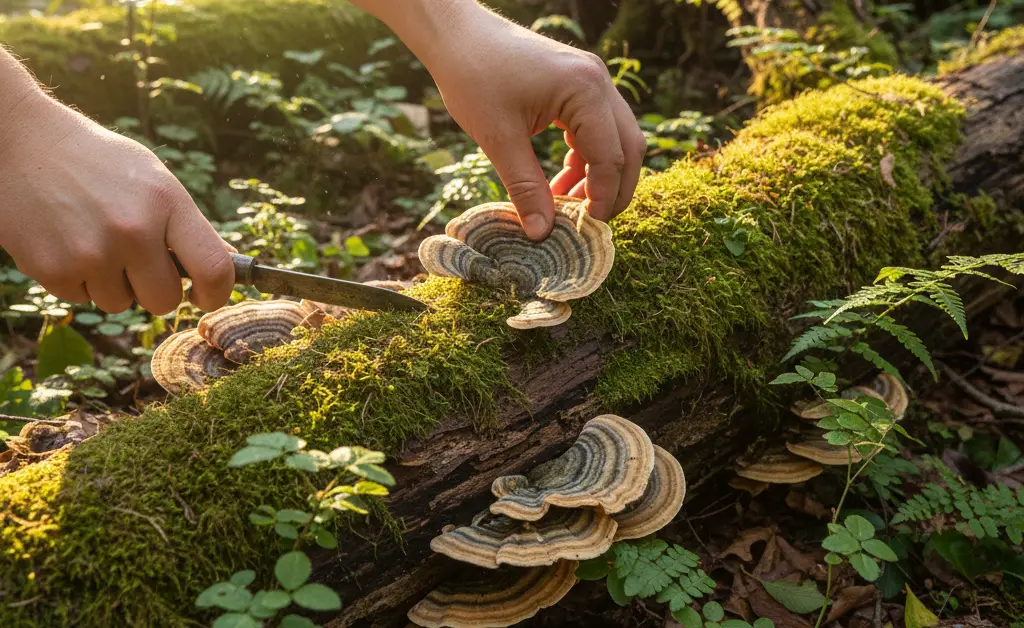
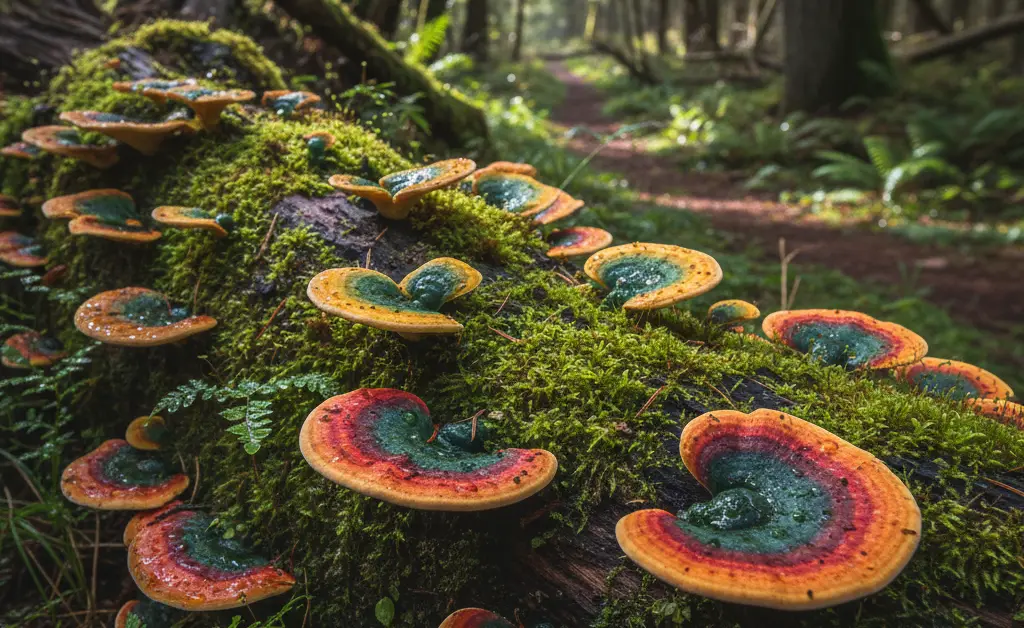
Identifying edible turkey tail (Trametes versicolor) relies on several distinct visual characteristics. The caps are semi-circular or fan-shaped, growing in overlapping, shelf-like clusters. They display concentric color zones, often ranging from browns, grays, and oranges to blues and purples, giving them a vibrant, “turkey tail” appearance. The texture of the upper surface is velvety or finely hairy. Crucially, the underside should have tiny, visible pores, not gills. These pores are typically white or off-white. The edges of the caps are often thin and wavy.
Distinguishing from Poisonous Look-Alikes
While there are no truly poisonous look-alikes for turkey tail, several other bracket fungi can be mistaken for it, such as “false turkey tail” (Stereum ostrea) or other polypore species. The key differentiator is the underside. True turkey tail has distinct, tiny pores, while false turkey tail has a smooth underside. Other polypores might have larger pores or a different overall texture and color pattern. Always double-check for the pore surface; if you see gills or a completely smooth underside, it is not Trametes versicolor. When in doubt, it is best to leave the specimen undisturbed.
Identifying Mature and Healthy Specimens
When selecting specimens for harvesting turkey tail mushroom, look for mature, healthy, and firm fungi. Avoid overly brittle or waterlogged caps, as these may be past their prime or starting to decay. Healthy specimens will have vibrant colors and a firm yet flexible texture. The concentric bands should be clearly defined, and the pore surface clean and white. Overly old specimens might appear faded, soft, or show signs of insect damage, indicating they are no longer suitable for collection.
Assessing Freshness and Viability for Harvest
The freshness of turkey tail is crucial for its quality and potential applications. Fresh caps will be relatively supple and firm. A simple test for viability is to gently press on the pore surface; it should feel slightly rubbery, not crumbly or mushy. Avoid specimens that appear desiccated, discolored, or have an unpleasant odor. The best specimens for collection are those that are actively growing, showcasing clear patterns and a robust structure. Assessing freshness ensures you are gathering the most potent and clean material.
Recommended Tools and Equipment for Collection
For efficient and respectful collection, a few simple tools are highly recommended. A sharp knife or a pair of strong scissors is essential for cleanly detaching the fungus from its substrate without damaging the wood or the mycelium. A mesh bag or a woven basket is ideal for carrying your harvest, as it allows for air circulation, preventing moisture buildup and preliminary spores dispersal as you walk. Avoid plastic bags, which can trap moisture and accelerate decay. Gloves can be useful for keeping hands clean, especially if handling many specimens.
Gentle Collection Methods
When collecting, aim to take only the healthy, mature caps. Use your knife or scissors to cut the fungus cleanly at its base, where it attaches to the wood. Try to make a clean cut to minimize disturbance to the mycelial network embedded within the substrate. Do not rip or tear the fungus from the wood, as this can damage the host material and hinder future growth. Focus on taking individual caps rather than trying to pry off entire clusters, which can be less efficient and more damaging. This gentle approach is key to sustainable harvesting and ensures the fungus can continue to fruit.
Initial Cleaning and Trimming
Once collected, a quick initial cleaning can be performed in the field. Gently brush off any loose debris, such as leaves, dirt, or insect remnants, using a soft brush or your fingers. If the base of the mushroom is woody or tough, trim it off with your knife. This pre-cleaning step makes post-harvest processing much easier and reduces the amount of forest material brought home. Ensure that only the desirable parts of the turkey tail mushroom are retained for further preparation, such as drying or making a tea.
Sustainable Practices for Harvesting Turkey Tail
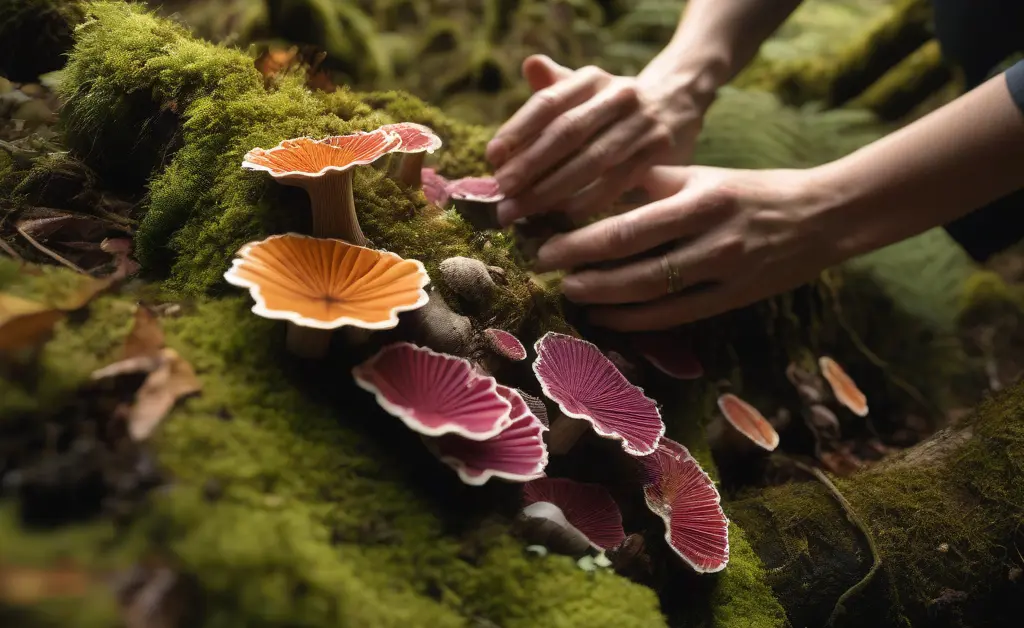
Ensuring the long-term availability of natural resources like the turkey tail mushroom is vital for both ecological balance and future generations of foragers. Sustainable harvesting turkey tail mushroom goes beyond simply taking what you need; it involves a deep understanding of ethical foraging principles and a commitment to preserving the environment. The importance of sustainable practices for natural resources is also emphasized by global health organizations like the WHO.
Ethical Foraging Principles
Ethical foraging is at the core of sustainable harvesting. Always adhere to the principle of “take only what you need and leave plenty behind.” This means not over-harvesting a single log or area. Leave smaller, immature specimens to grow, and always leave a significant portion of the mature fungi to continue sporulating, which helps ensure the species’ reproduction. Avoid disturbing the surrounding ecosystem; walk lightly, respect plant life, and do not leave any trash. Obtain permission if foraging on private land, and check local regulations for public lands. These practices are essential for preserving fungal populations and supporting the health of the forest.
Foraging for turkey tail mushroom can be a rewarding experience, connecting us with the natural world and providing a valuable resource. By carefully identifying, gently collecting, and adhering to sustainable practices, we can ensure the continued abundance of this remarkable fungus for years to come. Remember to always prioritize safety, respect the environment, and enjoy the journey of discovery.
While this article discusses health-related topics, it does not provide medical guidance. The information contained herein is for informational and educational purposes only and should not be considered a substitute for professional medical advice, diagnosis, or treatment. Always consult with a qualified healthcare provider before making any decisions about your health or starting any new supplement regimen. Individual results may vary, and the efficacy of natural remedies has not been evaluated by all regulatory bodies.
FAQ
— When is the best time to harvest turkey tail mushrooms?
Turkey tail mushrooms can be found year-round in many regions, but they are often most vibrant and abundant from late spring through fall. For optimal collection, look for mature specimens that exhibit rich, distinct colors and a firm texture, indicating they are at their prime. This timing helps ensure the mushroom’s compounds are fully developed.
— How can you tell if a turkey tail mushroom is good to harvest?
When harvesting turkey tail mushroom, look for several key indicators. A good specimen will display clearly defined, vibrant concentric bands of various colors on its top surface. Crucially, the underside should be white or off-white with very small, visible pores, rather than gills or a smooth surface, and the entire fruiting body should feel relatively firm and pliable.
— Where do turkey tail mushrooms typically grow?
Turkey tail mushrooms are saprophytic, meaning they thrive on dead or decaying hardwood trees, stumps, and fallen logs. They are widespread across temperate forests globally, often appearing in clusters or shelves along the wood. Their presence indicates a healthy forest ecosystem breaking down organic matter.
— What tools are needed to harvest turkey tail?
For effective harvesting, a sharp knife or a pair of strong scissors is generally all that’s required to cleanly detach the mushroom from its host. Bringing a mesh bag or a basket is also recommended, allowing for airflow during transport which helps keep the mushrooms fresh and can aid in spore dispersal.
— Are there any dangerous look-alikes for turkey tail?
While no truly dangerous look-alikes are widely known, several other fungi can resemble turkey tail, often referred to as “false turkey tail” species. The most reliable distinguishing feature of true turkey tail (Trametes versicolor) is its pore surface: it will always have a white or creamy underside covered in tiny, visible pores, whereas look-alikes might have a smooth underside, gills, or different pore structures. Always confirm the presence of these distinct pores for proper identification.