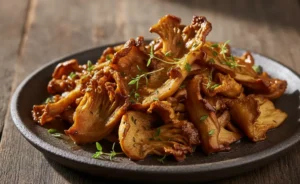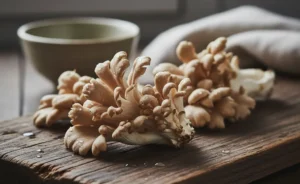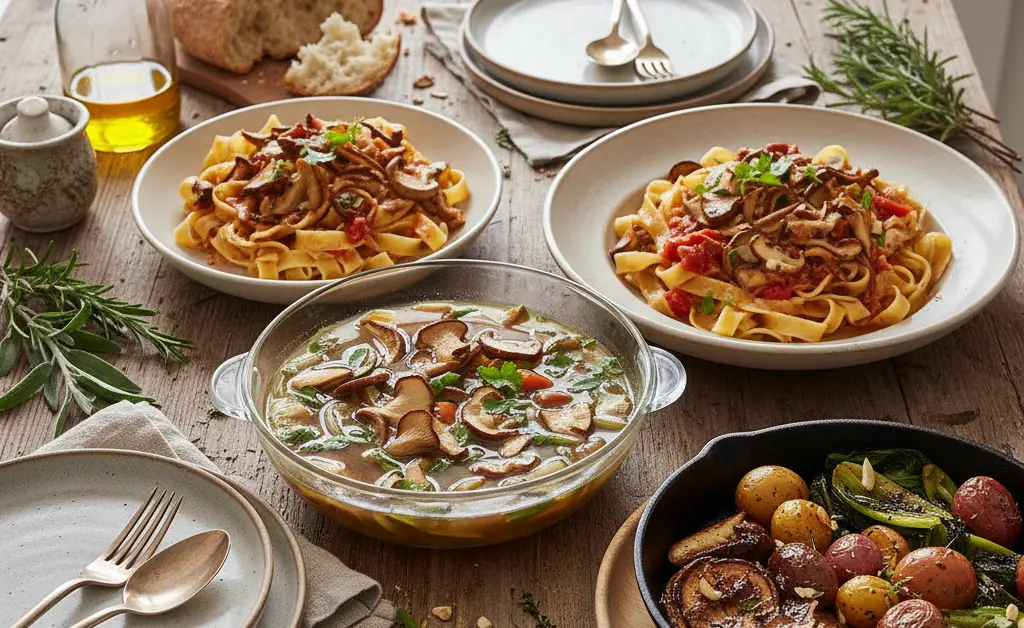
Incorporating turkey tail mushrooms into your daily meals offers a practical way to integrate their renowned benefits into your lifestyle. Beyond their potential health properties, these fungi bring a subtle, earthy depth to culinary creations, expanding your palate and providing a versatile ingredient for various dishes. Many find that processing the mushrooms into powders or tinctures before adding them simplifies their use. This guide explores creative turkey tail mushroom recipes, demonstrating how easily this beneficial ingredient can be woven into everything from savory sauces to comforting soups and main courses. Discover how to transform your cooking with this unique fungal addition, making wellness both accessible and enjoyable.
Turkey Tail Mushroom Recipes
Delving into turkey tail mushroom recipes opens up a world of culinary exploration, allowing you to appreciate the unique culinary profile of this fascinating fungus. While historically recognized for its traditional uses, its distinctive earthy notes and subtle umami flavor make it a valuable addition to many savory dishes. Preparing fresh turkey tail mushrooms for cooking typically involves careful cleaning and trimming, ensuring they are free from debris. For those using dried mushrooms, rehydration is a crucial step to restore their texture before integrating them into dishes. Understanding the flavor and texture of cooked turkey tail is key to successful recipe development, as its firm texture holds up well to various cooking methods. For those interested in exploring other beneficial fungi, various maitake mushroom recipes also offer unique culinary experiences.
Infusing Sauces and Gravies with Turkey Tail
Turkey tail mushrooms offer an excellent way to deepen the complexity of sauces and gravies. By simmering powdered mushrooms or finely chopped rehydrated dried mushrooms directly into your liquid base, you can infuse a rich, earthy flavor that enhances the overall profile. This method is particularly effective for creating savory dishes that benefit from an underlying umami flavor. Whether you’re making a hearty mushroom gravy for roasted vegetables or a delicate sauce for poultry, the subtle addition of turkey tail can elevate the dish significantly. Some culinary uses involve creating a concentrated broth or decoction from the mushrooms first, then using that liquid as the base for your sauces.
Complementary Ingredients for Turkey Tail Dishes
When crafting turkey tail mushroom recipes, selecting complementary ingredients is essential to create balanced and flavorful meals. The earthy notes of turkey tail pair beautifully with a variety of fresh ingredients, including root vegetables like carrots and parsnips, leafy greens such as spinach and kale, and alliums like onions and garlic. Proteins such as chicken, beef, or tofu also harmonize well, absorbing the subtle flavors of the mushroom. To ensure optimal texture, pre-cooking techniques for optimal texture might involve a brief sauté or simmer before combining with other elements. Consider rich broths, creamy dairy or plant-based alternatives, and hearty grains to round out your dishes, making them wholesome and satisfying.
Herbs and Spices to Elevate Turkey Tail Flavors
The right combination of herbs and spices can truly bring out the best in turkey tail mushroom dishes. To enhance its natural earthy notes and umami flavor, consider using herbs like thyme, rosemary, sage, and bay leaf, which all share a robust profile. For a more vibrant touch, parsley and chives can add freshness. When it comes to spices, a pinch of black pepper, a touch of smoked paprika, or a hint of garlic powder can deepen the savory aspects. Incorporating warming spices like nutmeg or a touch of cayenne can also provide an interesting contrast. Experimenting with these flavor enhancers allows for creative pairings and helps in developing distinctive turkey tail mushroom recipes that cater to various palates.
Diverse Turkey Tail Mushroom Recipe Categories

The versatility of turkey tail mushrooms extends across numerous recipe categories, making it a functional and flavorful addition to almost any meal. Beyond traditional applications, turkey tail mushroom recipes can span from breakfast scrambles to elaborate main courses, showcasing its adaptability. Its robust structure, especially when dried and rehydrated, makes it suitable for prolonged cooking, allowing its beneficial compounds and flavors to meld seamlessly with other ingredients. Research on these compounds is often accessible through resources like PubMed. Whether you’re exploring new cooking methods or adapting classic family favorites, this unique fungus offers a fascinating dimension to your culinary endeavors, fitting into many wholesome food preparations.
Turkey Tail Mushroom Soup and Broth Recipes
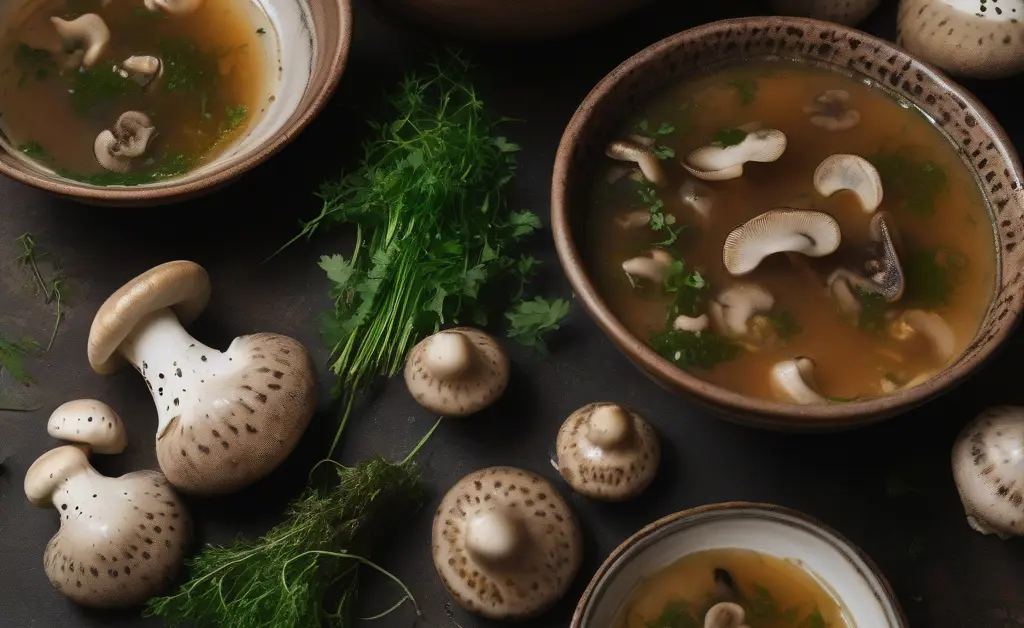
Utilizing turkey tail mushrooms in soups and broths is one of the most effective and comforting ways to incorporate them into your diet. The simmering process, a key cooking method for these preparations, gently extracts the mushroom’s subtle flavors and compounds, infusing the liquid with its distinct earthy essence. Creating rich turkey tail mushroom recipes for broths and stocks can serve as a flavorful base for countless other dishes, or simply be enjoyed on their own as a warming beverage. This approach is particularly popular for those seeking a comforting and nourishing option, often prepared using either fresh or dried turkey tail.
Hearty Soups and Broths with Turkey Tail
For truly hearty soups and broths, turkey tail can be simmered alongside vegetables like carrots, celery, and onions, along with robust aromatics and other edible mushrooms. This prolonged cooking time ensures a depth of flavor and a rich, satisfying broth. Whether you’re making a simple vegetable broth, a substantial chicken soup, or a creamy mushroom stew, the addition of turkey tail enhances the overall experience, contributing to a truly wholesome food. These preparations offer a comforting and nourishing option, perfect for any season, and can be easily adapted to include various proteins or grains for a complete meal.
Turkey Tail Mushroom Pasta Recipes
Incorporating turkey tail mushrooms into pasta recipes can transform a simple dish into a gourmet experience, adding both texture and an intriguing flavor profile. For best results, consider pre-cooking techniques such as sautéing or roasting the rehydrated mushrooms until they develop a slightly crisp texture and deeper umami flavor. These enhanced turkey tail mushroom recipes can then be folded into creamy sauces, tossed with olive oil and garlic, or become the star of a hearty baked pasta dish. The firm texture of turkey tail holds up well to the saucy environment of pasta, providing a pleasant chewiness that complements the soft noodles.
Incorporating Turkey Tail into Grains and Main Dishes
Beyond pasta, turkey tail mushrooms are a versatile ingredient for enriching a wide array of grains and main dishes. For grains like risotto, barley, or farro, the mushrooms can be finely chopped and simmered directly into the cooking liquid, imparting their earthy essence throughout the dish. In main courses, they can be a key component in stuffings, casseroles, or as a side dish prepared by sautéing or roasting with herbs and spices. This approach allows for a broad spectrum of turkey tail mushroom recipes, from vegetarian pilafs to savory meat accompaniments, ensuring the unique properties of the mushroom are seamlessly integrated into diverse culinary creations.
Turkey Tail Mushroom Asian-Inspired Dishes
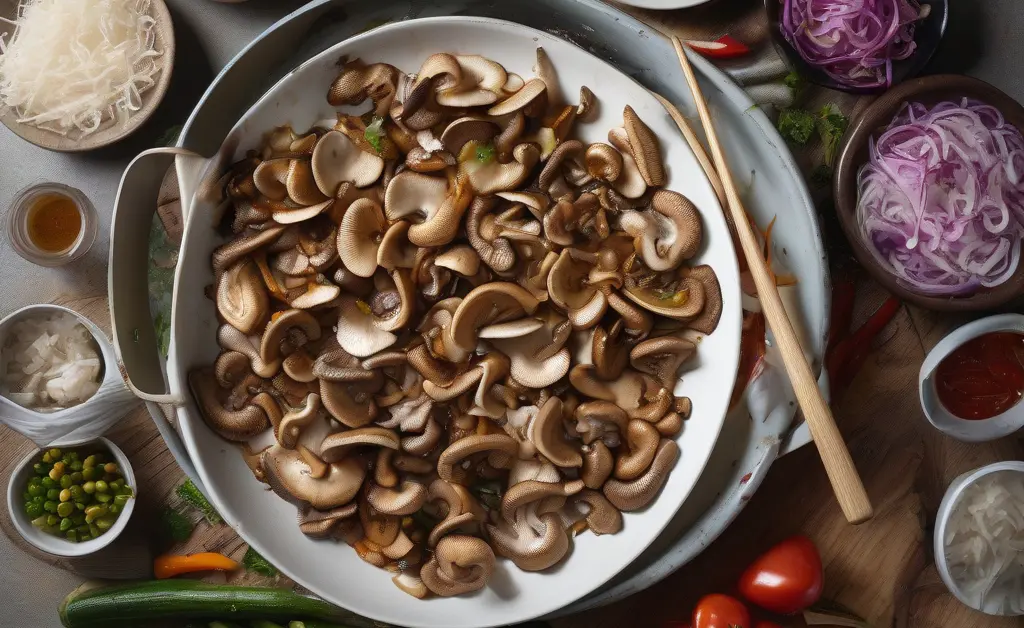
Turkey tail mushrooms find a natural home in Asian-inspired cuisine, where their earthy flavor and firm texture can shine. These turkey tail mushroom recipes often feature rapid cooking methods like stir-frying or sautéing, which preserve the mushroom’s structural integrity while infusing it with vibrant Asian flavors. Whether used in a savory curry, a spicy noodle dish, or a delicate stir-fry, the mushrooms absorb the marinades and sauces beautifully, contributing to a complex and satisfying taste experience. Preparation tips often involve thinly slicing the rehydrated dried mushrooms to ensure they cook evenly and integrate well with other ingredients.
Flavorful Turkey Tail Stir-Fries and Sautéed Dishes
For truly flavorful turkey tail stir-fries and sautéed dishes, thinly sliced rehydrated turkey tail mushrooms are ideal. They can be quickly cooked with an array of colorful vegetables like bell peppers, snap peas, and bok choy, along with proteins such as chicken, shrimp, or tofu. Aromatic additions like ginger, garlic, and scallions, combined with sauces based on soy sauce, sesame oil, and a hint of spice, create a harmonious blend of flavors. The rapid sautéing ensures the mushrooms retain some of their texture, contributing to the overall mouthfeel. These turkey tail mushroom recipes offer a quick, nutritious, and delicious way to enjoy the mushroom’s unique characteristics.
FAQ
— How do you prepare and cook fresh turkey tail mushrooms?
Fresh turkey tail mushrooms are quite fibrous and tough, making them unsuitable for direct culinary dishes like sautéing. Instead, they are typically prepared by gently cleaning them and then simmering them in water to create an earthy tea or broth. This process helps to extract the beneficial compounds from the mushroom, which can then be strained and consumed.
— What are common recipes using turkey tail mushrooms?
Given its tough texture, turkey tail is not commonly eaten whole in dishes but is primarily used for infusions and extractions. Popular turkey tail mushroom recipes often include simmering the cleaned fungi to create nutrient-rich broths, teas, or tinctures. These liquid preparations allow for the easy incorporation of its beneficial compounds into one’s routine.
— What ingredients pair well with turkey tail mushrooms?
When preparing turkey tail as a tea or broth, its earthy flavor pairs well with other complementary ingredients that enhance the overall profile. Ginger, cinnamon, or a hint of citrus can brighten the taste, while other functional mushrooms or herbs like astragalus root can enrich the preparation’s botanical compounds. These additions can create a more balanced and flavorful beverage.