Many dedicated pet owners seek innovative ways to enhance their canine companions’ health, particularly when managing complex conditions. When dogs face the debilitating symptoms of intervertebral disc disease (IVDD), the search often extends beyond conventional treatments to explore complementary options. This raises a natural question: how might certain natural compounds contribute to spinal health and recovery? Among the various botanical supplements gaining attention, the turkey tail mushroom for IVDD has emerged as a topic of increasing interest for its potential immunomodulatory and anti-inflammatory properties. This article delves into the science and anecdotal evidence surrounding turkey tail mushroom, exploring its possible benefits for dogs with IVDD, guiding on proper usage, and discussing its integration within a comprehensive care plan.
Understanding Turkey Tail Mushroom for Canine IVDD
Turkey tail mushroom, scientifically known as Trametes versicolor or Coriolus versicolor, is a well-researched *medicinal mushroom* recognized for its rich composition of bioactive compounds. Historically, it has been used in traditional medicine systems for centuries to support overall well-being and immune health. For dogs dealing with *Canine IVDD*, the interest in turkey tail mushroom stems from its unique properties that may interact favorably with the body’s natural healing and protective mechanisms. While not a cure for *Intervertebral Disc Disease*, exploring how this fungus could offer supportive benefits forms a crucial part of a holistic approach to pet care.
How Turkey Tail May Support Spinal Health
The potential support offered by turkey tail mushroom to spinal health is largely attributed to its complex polysaccharide compounds, notably polysaccharide-K (PSK) and polysaccharide-peptide (PSP), along with various beta-glucans. These components are studied for their *immunomodulator* and *antioxidant* properties. In the context of *dog disc disease*, such properties may help manage the chronic *dog inflammation* often associated with disc degeneration and nerve compression. By potentially modulating the immune response and combating oxidative stress, turkey tail mushroom may contribute to an environment conducive to natural healing processes within the *spinal column* and around affected *vertebrae* and *discs*.
Can Specific Breeds Benefit from Turkey Tail for IVDD?
Certain dog breeds are genetically predisposed to *Canine IVDD* due to their chondrodystrophic conformation, meaning they have abnormally developed cartilage. Breeds like Dachshunds, Beagles, French Bulldogs, Corgis, and Basset Hounds are particularly susceptible to conditions such as *bulging disc* or herniated discs. While *turkey tail mushroom for dogs* is not breed-specific in its action, any dog facing *dog breed IVDD* or other *canine spinal issues* might potentially benefit from its general supportive properties. The underlying goal is to support the body’s systemic health, which could, in turn, aid in managing the symptoms and progression of disc disease across various breeds.
Potential Benefits of Turkey Tail for Dogs with IVDD

The exploration of *turkey tail mushroom for IVDD* in dogs is driven by its widely recognized biological activities. For a condition as challenging as *Intervertebral Disc Disease*, any natural compound that can offer supportive benefits without significant side effects is of great interest. The potential advantages focus primarily on its capacity to influence inflammatory pathways and cellular health, which are critical factors in the progression and management of IVDD.
Reducing Inflammation and Pain
One of the primary reasons *turkey tail mushroom* garners attention for conditions like *canine IVDD* is its studied anti-inflammatory effects. Inflammation is a key component of disc degeneration and nerve irritation, leading to significant *pain management for dogs*. The bioactive compounds in turkey tail, such as *polysaccharides* and *beta-glucans*, may help to regulate the body’s inflammatory response. By potentially mitigating excessive inflammation, *turkey tail mushroom* may contribute to reducing discomfort and improving the quality of life for dogs experiencing the pain associated with *nerve pinching* or *spinal cord compression*.
Supporting Nerve Function and Recovery
Damage or compression to the spinal cord and peripheral nerves is a hallmark of *Canine IVDD*, leading to *neurological* deficits and impaired *mobility*. While research is ongoing, the *antioxidant* properties of *turkey tail mushroom* may play a role in protecting nerve cells from oxidative stress, which can exacerbate damage. Furthermore, by potentially fostering a healthier cellular environment, *turkey tail mushroom* may support the body’s natural mechanisms for *nerve recovery* and maintaining optimal *nerve function*. This is an important consideration for dogs undergoing recovery from *IVDD* or managing chronic symptoms.
User Experiences: Turkey Tail for IVDD
Many pet owners share anecdotal accounts of using *turkey tail mushroom for dogs* as a *natural remedy for dogs* with various health issues, including *Canine IVDD*. Some also explore the potential of turkey tail mushroom for tinnitus, among other conditions. These experiences often highlight perceived improvements in mobility, reduced signs of discomfort, and an overall enhancement in the dog’s vitality. While these personal testimonials are valuable for illustrating the broader interest in *medicinal mushrooms for pets*, it is important to remember that they do not replace scientific evidence. However, they serve as a testament to the growing interest in *holistic treatment for dogs* and the potential role of supplements like *turkey tail mushroom* in a comprehensive care plan for *dog disc disease*.
Choosing the Best Turkey Tail Mushroom for IVDD
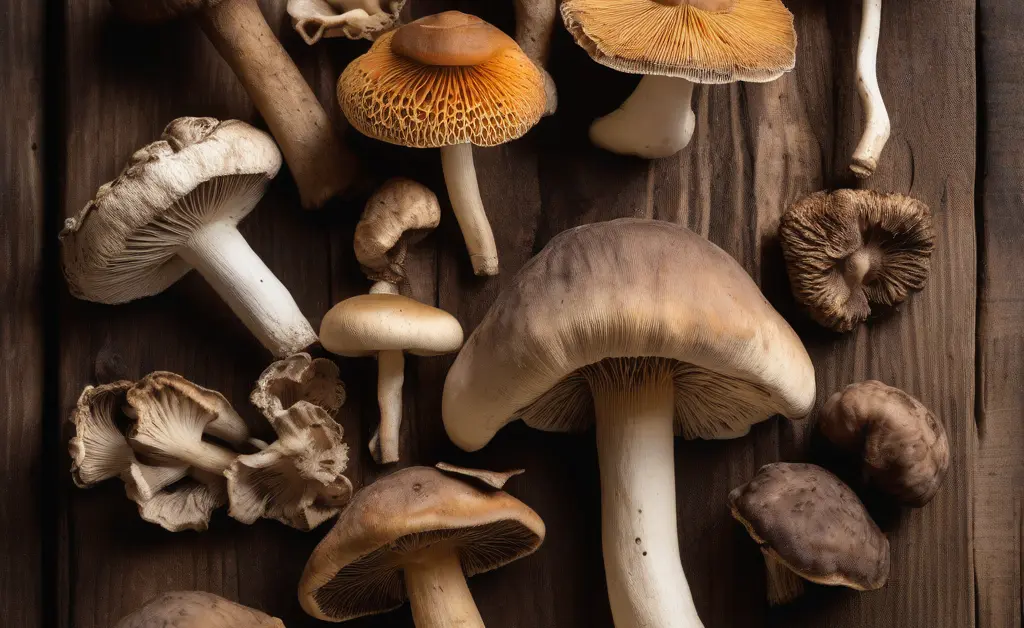
When considering *turkey tail mushroom for IVDD* as a *dietary supplement* for your dog, selecting a high-quality product is paramount. The efficacy and safety of any supplement can vary significantly based on its source, processing, and purity. It’s crucial to look for reputable brands that prioritize transparency and rigorous quality control. This ensures your dog receives a product that is potent and free from contaminants. Focusing on *sourcing high-quality turkey tail products* is a key step in responsible supplementation for *canine IVDD*.
Factors to consider include whether the product is a full-spectrum extract or isolated compounds, as full-spectrum products typically contain a wider array of beneficial compounds. Look for supplements that specify the percentage of active compounds like *polysaccharides* or *beta-glucans*. Additionally, verify if the product is third-party tested for purity and potency. *Mushroom extract* forms are often preferred for better bioavailability, and ensure the product is specifically formulated for pets or is safe for canine consumption.
Administering Turkey Tail to Dogs with IVDD: Dosage and Methods
Administering any new supplement, including *turkey tail mushroom for IVDD*, requires careful consideration and, most importantly, *veterinarian advice*. While turkey tail is generally considered safe, the appropriate amount and method of delivery are critical for maximizing potential benefits and minimizing any risks for dogs with *Canine IVDD*. The goal is to integrate the supplement effectively into your dog’s daily routine as part of a broader health strategy.
Recommended Dosage Guidelines for Canine IVDD
Establishing the correct *turkey tail dosage* for a dog with *Canine IVDD* is not a one-size-fits-all approach. It depends on several factors, including the dog’s size, weight, overall health status, the severity of their condition, and the specific concentration of the *turkey tail mushroom* product being used. It is imperative to discuss supplementation with a veterinarian who is knowledgeable about *medicinal mushrooms for pets*. They can provide tailored guidance, taking into account your dog’s individual needs and any other *IVDD medications* or treatments they may be receiving. Never begin any new supplement regimen without professional veterinary consultation.
Best Practices for Giving Turkey Tail to Your Dog
When incorporating *turkey tail mushroom* into your dog’s diet, consistency is important. *Forms of turkey tail supplements* include powders, capsules, and liquid extracts. Powders can often be mixed directly into wet food, or sprinkled over dry kibble moistened with a little water or broth. Capsules can sometimes be hidden in treats or administered directly. Liquid extracts can also be added to food or given orally. Always follow the product’s instructions and your veterinarian’s recommendations regarding the best method of administration. *Monitoring your dog’s progress* and response to the supplement is also crucial, noting any changes in behavior, comfort, or *mobility*.
Important Considerations and Safety for Dogs with IVDD

While *turkey tail mushroom for IVDD* is often well-tolerated, it is essential to approach its use with a comprehensive understanding of potential safety aspects. As with any supplement or *natural remedies for dogs*, individual responses can vary. Prioritizing your dog’s safety means being informed about possible *side effects in dogs*, interactions, and circumstances where it might not be suitable. Thoroughly addressing these considerations ensures responsible and effective care for *canine IVDD*.
Before introducing *turkey tail mushroom* to your dog’s regimen, *consulting your veterinarian before starting* is non-negotiable. They can assess your dog’s overall health, current medications, and specific *IVDD* condition to determine if turkey tail is appropriate. While rare, some dogs might experience mild digestive upset, such as diarrhea or gas. *Potential side effects and interactions* with other drugs, especially immunosuppressants or blood thinners, should be discussed with your vet. It is also important to consider *who should not use turkey tail*, which might include pregnant or lactating dogs, or those with certain autoimmune conditions without veterinary clearance. Regular *monitoring your dog’s progress* and any adverse reactions is crucial, prompting immediate veterinary attention if concerns arise.
Integrating Turkey Tail with Conventional IVDD Treatment
The use of *turkey tail mushroom for IVDD* is generally considered a *complementary therapy*, meaning it is intended to work alongside, not replace, conventional veterinary treatments for *Canine IVDD*. A multi-modal approach often yields the best outcomes for dogs suffering from this complex condition. Conventional treatments may include crate rest, *pain management for dogs* with medication, anti-inflammatory drugs, physical therapy, and in some cases, surgery to address *spinal cord compression*. Integrating *turkey tail mushroom* into this existing framework can be a strategic way to provide additional *immune support* and foster an environment of wellness.
The goal of combining *turkey tail mushroom* with standard care is to leverage its potential anti-inflammatory and immunomodulatory effects to support the body’s natural healing processes and potentially enhance the overall response to treatment. This holistic view acknowledges that while specific medical interventions target the immediate issues of *bulging disc* or *nerve pinching*, supportive supplements like *turkey tail mushroom* can contribute to *boosting overall immune system health* and resilience. Always ensure open communication with your *veterinarian advice* about all *complementary therapy approaches* you are considering, so they can help you create a safe and effective treatment plan for your dog’s *recovery from IVDD*.
This article aims to inform, not to replace professional healthcare advice. It is intended for informational purposes only and does not provide medical advice, diagnosis, or treatment recommendations. Always consult with a qualified veterinarian or animal healthcare professional regarding any health concerns or before making any decisions about your pet’s health or treatment plans.
FAQ
— Is turkey tail mushroom effective for IVDD in dogs?
Research on turkey tail mushroom for IVDD in dogs is still emerging, and direct efficacy claims are not appropriate. However, turkey tail is recognized for its immune-modulating compounds, such as polysaccharopeptides (PSPs) and polysaccharide K (PSK). These compounds play a role in supporting the body’s natural inflammatory responses and overall cellular health.
— How much turkey tail should I give my dog with IVDD?
Determining appropriate quantities of any supplement for a dog with a specific condition like IVDD requires careful veterinary consultation. A veterinarian can consider your dog’s individual health status, weight, existing medications, and the specific form of turkey tail. They are best equipped to provide guidance tailored to your pet’s needs.
— Can turkey tail help a dog with a bulging disc?
While turkey tail mushroom is not a treatment for structural issues like a bulging disc, its well-documented properties include supporting immune function. Compounds within turkey tail are linked to aiding the body’s natural ability to manage inflammation and maintain overall cellular wellness. This general support can be a part of a broader health strategy.
— What are the benefits of turkey tail for canine spinal issues?
Turkey tail is widely recognized for its immune-modulating capabilities, primarily due to potent polysaccharopeptides and polysaccharides it contains. These compounds are known to support a balanced immune response and contribute to overall cellular health in dogs. This foundational support can be relevant for maintaining well-being in animals facing various health challenges, including those affecting the spinal region.
— Is turkey tail safe for dogs with IVDD?
Generally, turkey tail mushroom is considered safe for dogs, but individual responses can vary. It is always crucial to consult with a veterinarian before introducing any new supplement, especially for a dog with a pre-existing condition like IVDD or those on other medications. A vet can assess potential interactions or contraindications specific to your pet.
— Can I use turkey tail with other IVDD medications for my dog?
It is essential to discuss the concurrent use of turkey tail mushroom with your veterinarian if your dog is already taking medications for IVDD. While turkey tail is generally well-tolerated, potential interactions with specific drugs or underlying health conditions must be evaluated by a professional. Your vet can provide personalized advice to ensure the safety and efficacy of all treatments.
— How long does it take for turkey tail to show effects in dogs with IVDD?
The timeframe for observing any discernible effects from turkey tail mushroom can vary significantly among individual dogs. Factors such as the dog’s age, overall health, the severity of the condition, and consistency of administration all play a role. Natural supplements typically support the body over time rather than producing immediate or dramatic changes.