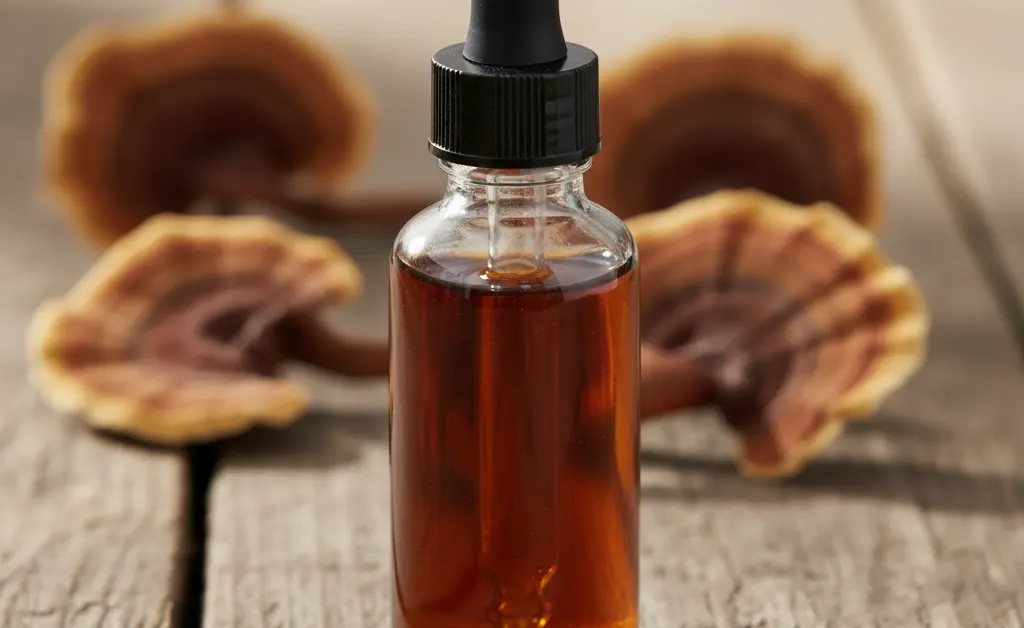
Often recognized by its vibrant, fan-like appearance on decaying wood, the turkey tail mushroom (Trametes versicolor) is a fungus traditionally prized in Eastern medicine for its wellness properties. Its extract, a concentrated form derived from the whole mushroom, has garnered significant attention in the natural health community. This powerful supplement is rich in unique polysaccharides, notably PSP and PSK, which are believed to contribute to its therapeutic effects. As research continues to unfold, understanding the comprehensive potential of turkey tail mushroom extract for humans becomes increasingly vital for those seeking natural approaches to health support, particularly concerning immune function and overall vitality. This article explores its mechanisms, benefits, and practical considerations.
What is Turkey Tail Mushroom Extract?
Turkey tail mushroom extract is a highly concentrated form derived from the Trametes versicolor fungus, also known as Coriolus versicolor. This medicinal mushroom is widely recognized for its vibrant, multi-colored bands resembling a turkey’s tail, commonly found growing on dead logs in forests worldwide. For centuries, various cultures, particularly in traditional Eastern medicine, have utilized the whole mushroom for its purported health benefits. The extraction process concentrates the beneficial compounds, making a potent supplement form of turkey tail mushroom extract for humans that is easier to incorporate into a daily wellness routine.
Understanding PSP and PSK Compounds
At the core of the turkey tail mushroom’s acclaimed properties are its unique polysaccharide compounds, primarily Polysaccharide Peptide (PSP) and Polysaccharide Krestin (PSK). These are complex carbohydrates, specifically beta-glucans, that are believed to be responsible for many of the mushroom’s reported biological effects. PSP and PSK have been extensively studied for their potential roles in modulating the immune system. They are considered key bioactives that differentiate the turkey tail mushroom from other fungi, contributing significantly to its reputation as a potent adaptogen and immune supporter.
Turkey Tail Mushroom vs. Extract: Key Differences
While the whole turkey tail mushroom can be consumed in various ways, such as in teas or powders, the extract offers a distinct advantage in terms of concentration and bioavailability. An extract undergoes a process, often hot water or dual extraction, to isolate and concentrate the beneficial compounds like polysaccharides, PSP, and PSK. This results in a more potent product with standardized levels of active ingredients. Whole mushroom products might offer a broader spectrum of nutrients but often lack the concentrated potency and guaranteed levels of specific bioactives found in a well-prepared extract. The extract is typically preferred for targeted wellness support due to its higher concentration of key compounds.
Benefits of Turkey Tail Mushroom Extract for Humans

The growing interest in natural wellness solutions has propelled turkey tail mushroom extract to the forefront, with numerous studies exploring its diverse health benefits. Understanding the full range of turkey tail mushroom extract benefits is crucial for informed choices. This powerful supplement is often sought after for its comprehensive support for various bodily systems. The rich composition of polysaccharides and other bioactive compounds in turkey tail mushroom extract for humans contributes to its adaptogenic and immunomodulatory properties, making it a valuable addition to many health regimens.
Immune System Support
One of the most widely recognized benefits of turkey tail mushroom extract is its potential to support and modulate the immune system. The PSP and PSK compounds are thought to interact with immune cells, potentially enhancing their activity and response. This immunomodulatory action may help the body maintain balance and resilience, contributing to overall immunity. Many traditions have long valued this medicinal mushroom for its ability to bolster the body’s natural defenses and promote robust cellular health. Research supporting these effects can often be found on reputable scientific databases like NCBI.
Antioxidant Effects
Turkey tail mushroom extract contains a variety of antioxidants, including phenols and flavonoids, which play a crucial role in combating oxidative stress within the body. Oxidative stress can damage cells and contribute to inflammation and various health concerns. By neutralizing free radicals, the antioxidant properties of turkey tail may help protect cells, reduce inflammation, and support general wellness, thereby contributing to cellular integrity and function.
Impact on Gut Health and Microbiome
Emerging research suggests a significant connection between turkey tail mushroom extract and gut health. The prebiotics found within the mushroom, particularly its polysaccharides, may act as nourishment for beneficial gut bacteria. A thriving gut microbiome is essential for digestion, nutrient absorption, and even immune function. By promoting a balanced and diverse gut environment, turkey tail extract could indirectly support overall health, including immune response and digestive regularity.
Specific Benefits for Women
While many of the benefits of turkey tail mushroom extract apply universally, some aspects may be particularly relevant to women’s health. Its immune-supportive and anti-inflammatory properties can contribute to general well-being during various life stages. Maintaining a strong immune system and balanced inflammation is vital for women, especially when navigating hormonal changes or increased stress. The adaptogenic qualities of turkey tail can also help the body cope with daily stressors, promoting overall vitality.
Side Effects and Safety of Turkey Tail Mushroom Extract

While generally considered well-tolerated by most individuals, understanding the potential side effects and safety considerations of turkey tail mushroom extract is important. As with any natural supplement, individual responses can vary. Being informed about common reactions and contraindications helps users make educated decisions regarding the integration of turkey tail mushroom extract for humans into their wellness routine.
Common Side Effects
Most individuals experience no significant adverse reactions when taking turkey tail mushroom extract. However, some common, mild side effects may occasionally occur. These can include digestive upset, such as gas, bloating, or loose stools. In rare instances, individuals might experience dark stools or fingernail darkening, which are typically benign and resolve upon discontinuation of the supplement. It is always advisable to start with a smaller serving to assess individual tolerance.
Potential for Liver Toxicity
Reports of liver toxicity associated with turkey tail mushroom extract are rare, and generally not established in robust clinical research when used appropriately. However, individuals with pre-existing liver conditions or those taking hepatotoxic medications should exercise caution and consult a healthcare professional before use. Monitoring liver function may be advised in such cases to ensure safety.
Contraindications and Drug Interactions
Turkey tail mushroom extract may interact with certain medications, particularly those affecting the immune system, such as immunosuppressants. Individuals undergoing chemotherapy or radiation therapy should consult their medical team, as specific compounds within turkey tail could potentially impact treatment efficacy or side effects. Furthermore, those with known mushroom allergies should avoid its use. Always discuss any supplements with a healthcare provider, especially if you are on prescription medications or have chronic health conditions.
Who Should Exercise Caution (e.g., Pregnancy, Autoimmune Conditions)
Certain populations should exercise increased caution or avoid turkey tail mushroom extract altogether. Pregnant or breastfeeding individuals are generally advised against using such supplements due to a lack of sufficient safety data in these groups. People with autoimmune conditions, such as lupus, rheumatoid arthritis, or multiple sclerosis, should also consult their doctor. While turkey tail is known for immune modulation, its effects could potentially exacerbate certain autoimmune responses, making professional medical guidance crucial.
How to Use Turkey Tail Mushroom Extract
Successfully incorporating turkey tail mushroom extract into a daily health regimen involves understanding its various forms and best practices for consumption. While specific instructions cannot be provided, general guidance helps optimize its use. The goal is to maximize the potential benefits of turkey tail mushroom extract for humans safely and effectively.
Recommended Dosage for Adults
General recommendations for turkey tail mushroom extract for adults often vary depending on the product’s concentration and the specific health goals. It is typically advised to follow the suggested serving size provided by the manufacturer. However, individual needs may differ, and consulting a healthcare professional is always prudent for personalized advice, especially concerning any specific health conditions or sensitivities. It’s important to remember that more is not always better, and consistency in usage is often prioritized over high quantities.
Available Forms (Capsules, Powders, Liquids)
Turkey tail mushroom extract is available in several convenient forms to suit different preferences. Capsules offer a precise and easy way to consume the extract without tasting it. Powders can be mixed into beverages like smoothies, tea, or coffee, offering flexibility in serving size and an option for those who prefer to avoid capsules. Liquid extracts, or tinctures, provide a highly concentrated form that can be taken directly or added to drinks. Each form has its advantages in terms of absorption and ease of use.
Best Practices for Consumption
To potentially enhance the absorption and effectiveness of turkey tail mushroom extract, some general best practices can be followed. Many prefer to take the supplement with food to minimize any potential mild digestive upset. Consistency is key, as the benefits of medicinal mushrooms often build over time with regular use. It is also wise to listen to your body and adjust consumption as needed, discontinuing use if any adverse reactions occur. Always store the product according to manufacturer instructions to maintain its potency and quality.
Choosing a Quality Turkey Tail Mushroom Extract
Selecting a high-quality turkey tail mushroom extract is paramount to ensure efficacy and safety. The market offers a wide range of products, making it essential for consumers to know what to look for. Consumers often look for turkey tail mushroom extract for sale from reputable suppliers. Investing in a reputable product helps maximize the potential benefits of turkey tail mushroom extract for humans.
Key Features to Look For (Standardization, Purity)
When evaluating turkey tail mushroom extracts, look for products that specify standardization for active compounds, particularly polysaccharides and beta-glucans. This indicates that the extract contains a guaranteed level of these beneficial constituents. Purity is also crucial; ensure the product is free from contaminants like heavy metals, pesticides, and other undesirable additives. Reputable brands will often provide this information transparently on their labels or websites, sometimes specifying whether it’s derived from the fruiting body or mycelium.
Understanding Extract Ratios and Polysaccharide Content
Understanding extract ratios can provide insight into the product’s concentration. For example, a 10:1 extract means that 10 parts of raw mushroom were used to create 1 part of the extract, indicating higher potency. While this ratio provides context, the most critical factor is the guaranteed polysaccharide content, typically expressed as a percentage (e.g., 30% polysaccharides). This figure directly reflects the concentration of the primary active compounds. A high percentage of beta-glucans, often noted, further confirms the quality and potential effectiveness of the extract.
Importance of Third-Party Testing and Certifications
To verify the claims of standardization and purity, always prioritize brands that conduct third-party testing. This independent analysis confirms the product’s ingredient accuracy, potency, and absence of contaminants. Certifications, such as USDA Organic, GMP (Good Manufacturing Practices), or specific purity seals, provide additional assurance of quality and ethical manufacturing processes. These validations signify a commitment to transparency and consumer safety, making them crucial indicators when choosing a turkey tail mushroom extract.
This information is provided for educational purposes only. It is not intended to be a substitute for professional medical advice, diagnosis, or treatment. Always seek the advice of your physician or other qualified health provider with any questions you may have regarding a medical condition. Never disregard professional medical advice or delay in seeking it because of something you have read here.
FAQ
What is turkey tail mushroom extract good for humans?
Turkey tail mushroom extract for humans is recognized for its rich content of polysaccharides like PSK and PSP, which are studied for their biological activity. These compounds are relevant to various aspects of well-being, particularly in supporting cellular health and overall vitality. Its beneficial properties are a key area of research in natural wellness.
Does turkey tail mushroom extract boost the immune system?
Turkey tail mushroom extract is known for its role in supporting immune function, primarily through its beta-glucan content. These compounds interact with the immune system, helping to modulate its responses rather than simply “boosting” it in a non-specific way. This interaction contributes to maintaining a balanced and responsive immune system.
What are the side effects of turkey tail mushroom extract?
Generally, turkey tail mushroom extract is considered well-tolerated by most individuals. Some people may experience mild digestive upset, such as gas or bloating, or occasional changes in stool consistency. These effects are usually temporary and tend to subside as the body adjusts.
How much turkey tail extract should a human take daily?
Determining an appropriate daily amount of turkey tail extract depends on various individual factors, including age, health status, and specific wellness goals. It is essential to consult with a qualified healthcare professional who can provide personalized guidance. They can help assess individual needs and recommend a suitable approach.
Is turkey tail mushroom extract safe for human consumption?
Turkey tail mushroom extract is generally considered safe for consumption by healthy adults. However, individuals with pre-existing health conditions or those taking medications should always discuss its use with a healthcare provider. Ensuring the product’s quality and purity is also an important safety consideration.