Imagine tapping into nature’s profound wisdom to support your well-being with confidence and ease. For centuries, various cultures have recognized the inherent power within certain natural elements, inspiring a modern resurgence in their scientific exploration. Among these revered botanicals, the turkey tail mushroom stands out for its intriguing potential in health support. As research continues to uncover its diverse applications, understanding the specific attributes of turkey tail mushroom extract becomes increasingly important for those seeking to enhance their vitality. This guide delves into the comprehensive benefits, proper uses, and recommended dosages, offering clarity on how this unique extract can contribute to a balanced lifestyle.
Health Benefits and Uses of Turkey Tail Mushroom Extract
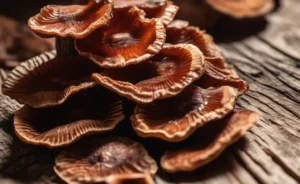
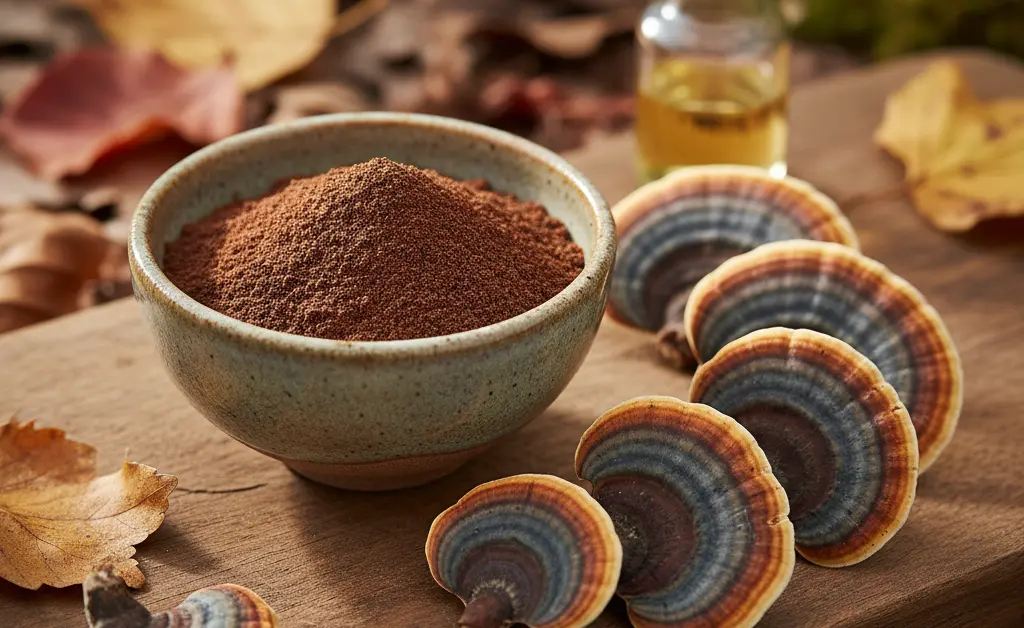
The turkey tail mushroom, known scientifically as Trametes versicolor or Coriolus versicolor, has a long history of use in traditional medicine across various cultures. This resilient fungus, recognizable by its distinctive fan-shaped, multi-colored bands resembling a turkey’s tail, is a subject of increasing scientific interest due to its potential health benefits. Modern research continues to explore how this medicinal mushroom, often consumed as a turkey tail mushroom extract, may contribute to overall well-being by supporting various bodily functions. Historically, it has been valued for its broad-spectrum support, particularly in areas related to immune health and vitality.
Immune System Support
One of the most extensively studied benefits of turkey tail mushroom extract is its potential to support the immune system. The rich array of polysaccharides, particularly beta-glucans, found within this fungus are thought to act as immunomodulators. These compounds may interact with immune cells, potentially helping to balance and strengthen the body’s natural defenses. Regular supplementation may assist in maintaining robust immune function, which is crucial for overall health and resilience.
Antioxidant Properties
Turkey tail mushroom contains various antioxidant compounds, including phenols and flavonoids. These antioxidants play a vital role in protecting the body’s cells from oxidative stress caused by free radicals. By neutralizing these harmful molecules, the antioxidant properties of turkey tail mushroom extract may contribute to cellular health and reduce the potential for cellular damage, thereby supporting general well-being and a healthy aging process.
Turkey Tail Benefits for Females
For females, turkey tail mushroom extract may offer general wellness support that contributes to a balanced lifestyle. Its potential for immune system support can be beneficial during different life stages. Furthermore, some research suggests a connection between the mushroom’s compounds and gut health, which is increasingly recognized as influencing various aspects of female health, including hormonal balance and mood. This makes turkey tail mushroom extract for humans a versatile supplement. As with any supplement, individual experiences may vary, and a holistic approach to health is always recommended.
Turkey Tail Mushroom Extract for Pets
The interest in natural health solutions extends to our animal companions, and turkey tail mushroom extract is gaining attention in the pet wellness community. Veterinarians and pet owners are exploring its potential to support pets’ immune systems and overall vitality, particularly as animals age or face health challenges. While anecdotal evidence is growing, it is crucial for pet owners to consult with a veterinarian before introducing any new supplement, including turkey tail extract, into their pet’s regimen to ensure safety and appropriate use.
Key Bioactive Compounds in Turkey Tail Extract

The health-promoting potential of turkey tail mushroom extract is largely attributed to its unique composition of bioactive compounds. These specialized molecules are responsible for the fungus’s diverse effects on the body. Among the most well-researched and recognized of these compounds are two distinct polysaccharide complexes that have been the focus of extensive scientific investigation: Polysaccharide Peptide (PSP) and Polysaccharide Krestin (PSK).
Polysaccharide Peptide (PSP)
Polysaccharide Peptide, commonly referred to as PSP, is a potent protein-bound polysaccharide found in turkey tail mushrooms. Research suggests that PSP may play a significant role in immune system modulation. It is believed to interact with various immune cells, potentially supporting their activity and contributing to a balanced immune response. PSP has been studied for its potential in maintaining general health and supporting the body’s natural defense mechanisms.
Polysaccharide Krestin (PSK)
Polysaccharide Krestin, or PSK, is another prominent protein-bound polysaccharide derived from the turkey tail mushroom. Like PSP, PSK has been a subject of considerable scientific interest, particularly for its potential immunomodulatory effects. It is thought to influence various components of the immune system, contributing to its adaptive capacity. PSK’s presence in turkey tail mushroom extract is a key factor in the supplement’s reputation for supporting immune health and overall resilience.
Side Effects, Interactions, and Precautions of Turkey Tail Extract

While turkey tail mushroom extract is generally considered to be well-tolerated by many individuals, it is important to be aware of potential side effects, interactions with medications, and specific precautions. As with any natural supplement, individual responses can vary. Understanding these aspects helps ensure responsible and safe use of turkey tail extract, contributing to overall health and well-being. Individuals considering supplementation should always proceed with caution and informed decision-making.
Common Adverse Reactions
Most individuals experience no significant adverse reactions when taking turkey tail mushroom extract. However, some people may report mild digestive upset, such as bloating, gas, or changes in bowel habits. These effects are usually temporary and may diminish as the body adjusts to the supplement. Occasionally, a dark stool or changes in appetite have been noted. If any persistent or uncomfortable symptoms arise, it is advisable to discontinue use and consult a healthcare professional.
Drug Interactions
Turkey tail extract may potentially interact with certain medications. For instance, because of its immune-modulating properties, there is a theoretical concern about interactions with immunosuppressant drugs. It could also potentially affect blood thinners or other medications. Individuals taking prescription drugs, especially those for chronic conditions, should discuss the use of turkey tail supplementation with their doctor or pharmacist to avoid any unforeseen interactions.
Who Should Avoid Turkey Tail
Certain populations should exercise caution or avoid turkey tail mushroom extract altogether. Pregnant or breastfeeding individuals are typically advised to avoid new supplements due to a lack of sufficient safety data. People with autoimmune diseases or those on immunosuppressive therapy should consult their healthcare provider before use. Anyone with a known mushroom allergy should also avoid turkey tail to prevent allergic reactions. Individuals undergoing organ transplantation or those with specific medical conditions should seek professional medical advice before incorporating this supplement.
When to Consult a Healthcare Professional
It is always recommended to consult a healthcare professional before starting any new supplement regimen, including turkey tail mushroom extract. This is particularly important if you have pre-existing health conditions, are taking other medications, or are pregnant or breastfeeding. A healthcare provider can offer personalized advice, assess potential risks and benefits, and help determine if turkey tail is appropriate for your individual health needs. They can also provide guidance on proper dosage and monitor for any adverse effects. For comprehensive information on drug and supplement regulation, resources from the FDA are available.
Recommended Dosage, Forms, and Choosing Quality Turkey Tail Mushroom Extract
Navigating the world of supplements, particularly for a beneficial natural product like turkey tail mushroom extract, requires an understanding of proper usage. Determining the appropriate “dosage” and selecting a high-quality product are crucial steps for maximizing potential benefits and ensuring safety. The availability of various extract forms also plays a role in how a turkey tail mushroom supplement can be integrated into one’s daily routine, emphasizing the need for informed choices.
General Dosage Guidelines
The optimal daily dosage of turkey tail mushroom extract can vary significantly based on the specific product, its concentration, and individual health needs. There is no universally established standard, and recommendations may differ. It is essential to follow the specific instructions provided by the manufacturer on the product label. For personalized guidance, particularly concerning specific health conditions, consulting with a healthcare professional is always advisable. They can help determine an appropriate intake that aligns with your health goals and circumstances.
Common Extract Forms (Powder, Capsules, Liquid)
Turkey tail mushroom extract is available in several convenient forms to suit different preferences. You can find turkey tail mushroom extract for sale from various reputable suppliers. Powdered forms can be easily mixed into beverages, smoothies, or food. Capsules offer a pre-measured, convenient option for those who prefer not to taste the mushroom. Liquid extracts, such as tinctures, provide a readily absorbed form and can be taken directly or added to drinks. Each extract form may have different bioavailability and concentration, so it is important to consider these factors when choosing a product.
Organic and Standardized Extracts
When selecting a turkey tail mushroom extract, prioritizing organic and standardized products is key to ensuring quality and potency. Organic certification indicates that the mushrooms were grown without synthetic pesticides or fertilizers. Standardized extracts mean that the product contains a guaranteed concentration of the main bioactive compounds, such as polysaccharides or beta-glucans, ensuring consistent potency across batches. This standardization helps consumers receive a reliable and effective supplement.
Purity and Third-Party Testing
To further assure the quality and safety of turkey tail mushroom extract, look for products that undergo third-party testing. Independent laboratories assess supplements for purity, verifying that they are free from contaminants like heavy metals, pesticides, and microbial impurities. This testing also confirms the accuracy of the ingredients listed on the label. Evidence of third-party testing, often indicated by seals or certificates of analysis, provides an extra layer of confidence in the integrity and safety of the supplement you choose.
The exploration of turkey tail mushroom extract reveals a fascinating natural compound with a rich history and promising potential for wellness support. From its well-researched immune-modulating properties and antioxidant benefits to its specific bioactive compounds like PSP and PSK, this medicinal mushroom offers a compelling option for those seeking natural health augmentation. Understanding its various forms, dosage considerations, and critical quality markers like organic certification and third-party testing are essential for responsible supplementation. As with any health supplement, informed decisions, guided by professional advice, are paramount to safely integrating turkey tail mushroom extract into a balanced health regimen.
This material is shared for educational insight, not for clinical decision-making. The information provided is for general knowledge and informational purposes only, and does not constitute medical advice. It is essential to consult with a qualified healthcare professional before making any health decisions or starting any new supplement, especially if you have existing health conditions or are taking medications. Individual results may vary, and the efficacy of natural supplements has not been evaluated by the Food and Drug Administration.
FAQ
What is turkey tail mushroom extract used for?
This specific natural compound, known as turkey tail mushroom extract, has garnered attention for its unique array of polysaccharides and other compounds. It is commonly explored for its potential role in supporting immune system function and overall wellness. Historically, this mushroom has been valued in traditional practices for its various benefits.
What are the side effects of turkey tail mushroom extract?
Generally, this mushroom extract is considered well-tolerated by many individuals. Some people might experience mild digestive upset, such as gas or bloating, especially when first introducing it. If any unusual or severe reactions occur, discontinuing use is appropriate.
Is turkey tail mushroom extract good for immunity?
Studies have investigated turkey tail mushroom’s connection to immune health, focusing on its ability to support various aspects of the body’s natural defenses. The mushroom contains specific types of polysaccharides, like beta-glucans, which are known for their role in modulating immune responses. These compounds are understood to interact with immune cells, contributing to their functional balance.
How much turkey tail mushroom extract should I take daily?
Determining an appropriate daily intake is a personal decision that often depends on individual health goals and specific product formulations. It is always beneficial to consult with a qualified health professional to discuss your unique needs and circumstances before incorporating any new supplement into your routine. They can provide guidance tailored to your health profile.
What is PSP and PSK in turkey tail mushroom?
PSP (Polysaccharopeptide) and PSK (Polysaccharide-K) are well-researched protein-bound polysaccharides found within the turkey tail mushroom. These complex compounds are relevant to immune system support and have been studied for their potential to influence various cellular activities. Both PSP and PSK are considered key bioactive components contributing to the mushroom’s functional properties.
Who should not take turkey tail mushroom extract?
Individuals with specific health conditions, those taking certain medications, or people who are pregnant or breastfeeding should exercise caution. It is always advisable to discuss any new supplement with a healthcare provider to ensure it aligns with your personal health situation and to avoid potential interactions. Prioritizing professional medical advice is a responsible approach.