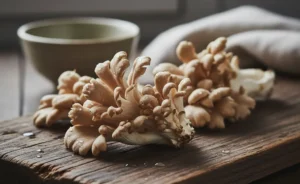
Choosing between natural health supplements can be a complex decision. As interest in holistic wellness grows, many individuals explore the distinct advantages offered by various botanicals and fungi. Two prominent contenders in the adaptogenic realm are mushroom supplements and Ashwagandha, both lauded for their potential to support overall well-being and resilience. While both are recognized for their beneficial properties, understanding their unique compositions, mechanisms, and specific applications is crucial for making an informed choice. This guide provides a comprehensive comparison to help clarify the nuances between mushroom supplements vs ashwagandha, enabling you to select the option best aligned with your personal health goals.
Mushroom Supplements vs Ashwagandha: A Comprehensive Guide

Navigating the world of natural health often involves weighing the merits of various traditional remedies and modern supplements. The debate of mushroom supplements vs ashwagandha highlights two distinct yet powerful adaptogens, each with a rich history of use in different healing traditions. Ashwagandha, an esteemed herb in Ayurvedic medicine, is celebrated for its ability to help the body manage stress, while a diverse array of medicinal mushrooms, deeply rooted in Asian herbal practices, offer a spectrum of benefits, from immune support to cognitive enhancement. Understanding their foundational properties and origins is key to appreciating their potential contributions to overall wellness.
Key Differences in Composition and Mechanism of Action
The unique effects of Ashwagandha and medicinal mushrooms stem from their distinct biochemical compositions and subsequent mechanisms of action within the body. Ashwagandha, scientifically known as Withania somnifera, owes much of its therapeutic potential to a class of compounds called Withanolides. These bioactive steroids are believed to interact with the nervous system, influencing stress pathways and promoting a sense of calm and balance. Its action primarily targets the adrenal system, helping to regulate the body’s response to psychological and physiological stressors. Traditional medicine has long recognized its role in supporting the body’s resilience.
In contrast, medicinal mushroom supplements, such as Reishi, Lion’s Mane, Cordyceps, Chaga, and Turkey Tail, derive their power from a wider array of compounds, including polysaccharides (particularly beta-glucans), triterpenes, and other unique metabolites. These components often work synergistically to exert their effects. For instance, beta-glucans are well-studied for their immune-modulating properties, interacting with immune cells to enhance the body’s defense mechanisms. Lion’s Mane, specifically, is explored for its neurotrophic factors that may support brain health and cognitive function. The diverse nature of mushroom species means that each type offers a slightly different profile of active compounds and potential benefits, ranging from antioxidant activity to support for energy levels. It’s also important to be aware of potential mushroom supplements side effects when considering their use.
Comparative Benefits: Ashwagandha and Mushroom Supplements

When considering mushroom supplements vs ashwagandha, it is important to examine the range of benefits each may offer, as they often excel in different areas while sharing some common adaptogenic qualities. Both are sought after for their ability to support overall wellness, but their specific strengths can guide an individual’s choice based on their primary health goals. While Ashwagandha is predominantly known for its calming and stress-reducing properties, medicinal mushrooms present a broader spectrum of benefits, including significant immune support and cognitive enhancement, depending on the specific species.
Comparing Adaptogenic Properties
Both Ashwagandha and various medicinal mushrooms are revered as adaptogens, meaning they are believed to help the body adapt to various forms of stress and promote homeostasis. Ashwagandha is particularly noted for its direct impact on stress relief and mood regulation. It is traditionally used to help mitigate the physiological effects of chronic stress, potentially supporting adrenal health and fostering a sense of inner calm, which can also contribute to improved sleep quality. Its adaptogenic qualities are often described as deeply restorative, helping to rebalance the body’s energy and reduce feelings of anxiety. Reliable health guidance is often available from organizations like the CDC.
Medicinal mushrooms also possess adaptogenic qualities, though their mechanism may differ. Reishi mushroom, often called the “mushroom of immortality,” is highly regarded for its stress-reducing and calming effects, similar to Ashwagandha, making it a popular choice for enhancing relaxation and supporting sleep. Cordyceps, on the other hand, is frequently associated with boosting energy levels and stamina, making it an adaptogen often favored by athletes or those seeking vitality. While Ashwagandha tends to have a more pronounced effect on the nervous system for stress management, mushrooms like Reishi offer a broader adaptogenic support that encompasses both mental and physical resilience.
Overall Effectiveness: Ashwagandha vs. Mushroom Supplements
The overall effectiveness of Ashwagandha versus various mushroom supplements largely depends on the specific health concern being addressed. Ashwagandha is often considered a front-runner for individuals primarily seeking stress relief, anxiety reduction, and improved sleep quality. Its efficacy in these areas is well-documented in traditional use and modern research, positioning it as a powerful tool for managing the daily demands of life and promoting mental well-being. It is also explored for its potential role in hormonal balance and adrenal support, which indirectly contributes to overall vitality.
For those interested in a wider range of benefits or targeting specific areas beyond primary stress management, mushroom supplements offer a compelling alternative or complement. Lion’s Mane is frequently chosen for its potential impact on cognitive function, supporting brain health, memory, and focus, making it a popular choice for combating “brain fog.” Reishi is highly valued for its immune support and calming effects, while Cordyceps is often sought after for energy and stamina. Other mushrooms like Chaga and Turkey Tail are lauded for their immune-modulating and antioxidant properties. Many individuals also consider mushroom supplements for gut health due to their prebiotic properties. Therefore, the choice between mushroom supplements vs ashwagandha often comes down to prioritizing either the distinct calming and stress-reducing effects of Ashwagandha or the diverse, targeted benefits offered by the different species of medicinal mushrooms for areas like immunity, cognition, or physical performance.
Ultimately, the decision between mushroom supplements vs ashwagandha hinges on an individual’s specific health objectives and personal circumstances. Both offer unique and valuable contributions to well-being, leveraging distinct active compounds and mechanisms to support the body’s adaptogenic response and overall health. Ashwagandha stands out for its profound ability to help manage stress, enhance sleep quality, and support a balanced nervous system. Medicinal mushrooms, with their diverse array of species like Reishi, Lion’s Mane, and Cordyceps, provide a broader spectrum of benefits, from robust immune support and anti-inflammatory properties to improved cognitive function and sustained energy levels. Consulting with a healthcare professional can provide personalized guidance, helping you make an informed choice that aligns with your wellness journey and maximizes the benefits of these powerful natural remedies.
This content is for informational use and should not be considered medical instruction. It is not intended to be a substitute for professional medical advice, diagnosis, or treatment. Always seek the advice of your physician or other qualified health provider with any questions you may have regarding a medical condition or before making any changes to your health regimen. Never disregard professional medical advice or delay in seeking it because of something you have read here.
FAQ
— Is ashwagandha considered a mushroom supplement?
No, ashwagandha is not a mushroom supplement. It is an adaptogenic herb, specifically a plant belonging to the nightshade family, botanically known as *Withania somnifera*. Its beneficial compounds are primarily found in its roots.
— What are the main differences between ashwagandha and medicinal mushrooms?
The primary difference between mushroom supplements vs ashwagandha lies in their biological classification; ashwagandha is a root herb, while functional mushrooms are fungi. They contain distinct active compounds, with ashwagandha featuring withanolides and mushrooms offering beta-glucans, triterpenes, and other unique polysaccharides. These varying biochemical profiles mean they influence the body through different mechanisms, even when addressing similar wellness areas.
— Which is better for stress and anxiety: ashwagandha or mushroom supplements?
Both ashwagandha and certain functional mushrooms are recognized as adaptogens, each playing a role in the body’s response to stress. Ashwagandha is notably studied for its influence on the HPA axis and cortisol regulation, supporting a calm state. Specific mushrooms, such as Reishi, are known for their calming properties and their potential to support nervous system balance.
— Which is more effective for brain fog: ashwagandha or mushroom supplements?
Ashwagandha is linked to cognitive support often by modulating the stress response, which can indirectly clear mental cloudiness. Certain functional mushrooms, like Lion’s Mane, are particularly recognized for their role in supporting nerve growth factor and overall cognitive function. These different approaches mean they address brain fog through distinct biological pathways.
— Do mushroom supplements offer similar adaptogenic benefits to ashwagandha?
Many functional mushrooms are indeed considered adaptogens, meaning they help the body adapt to various forms of stress and promote balance. While ashwagandha is a well-known adaptogenic herb, mushrooms like Cordyceps or Reishi are also valued for their ability to support resilience and overall systemic equilibrium. They achieve these adaptogenic effects through their unique arrays of bioactive compounds.
— Which is better for sleep: ashwagandha or specific mushroom supplements?
Ashwagandha is widely studied for its ability to promote relaxation and improve sleep quality, partly by helping to calm the nervous system and reduce stress. While not directly a sedative, some functional mushrooms, like Reishi, are valued for their potential to support a state of tranquility, which can be conducive to restful sleep. Each offers support through distinct biological interactions within the body.