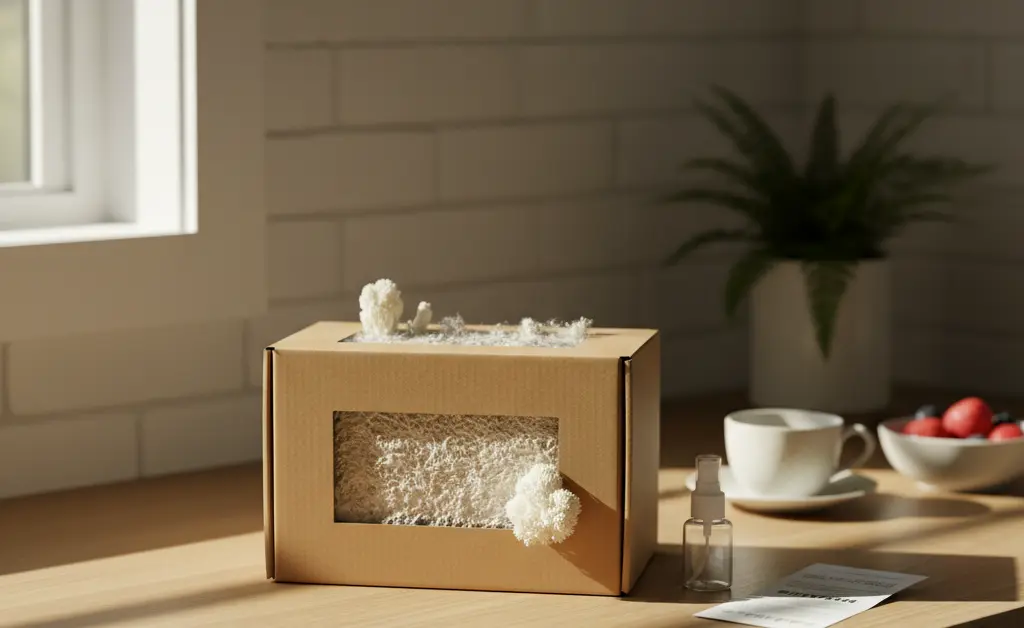
Many people enjoy the satisfaction of growing their own food, from simple herbs on a windowsill to a full backyard vegetable patch. Similarly, cultivating gourmet mushrooms at home offers a rewarding experience, transforming a dormant block into a delicious harvest. For those interested in venturing into home mycology, a lion’s mane mushroom grow kit simplifies the entire process. These kits provide a convenient starting point, much like purchasing a pre-potted plant rather than growing from seed. They eliminate much of the complexity associated with traditional mushroom cultivation, making it accessible to beginners. This guide will walk you through everything you need to know, from setting up your kit to harvesting your bountiful flushes and understanding how to troubleshoot common issues, ensuring a successful and enjoyable growing journey.
Best lion’s mane mushroom grow kit
When seeking the best lion’s mane mushroom grow kit, several factors come into play, influencing not only the ease of cultivation but also the quality and quantity of your harvest. A high-quality kit provides a robust foundation for successful home growing, ensuring that your efforts are well-rewarded. Investing in a reputable lion’s mane mushroom kit can significantly enhance your experience, making the process both straightforward and productive.
Kit Components and Contents
A typical lion’s mane mushroom grow kit, also known as a fruiting block or grow block, usually consists of a sterilized substrate block fully colonized with lion’s mane mycelium. This block is the foundation from which your mushrooms will grow. Beyond the main block, many kits include additional items designed to optimize growing conditions. These often feature a humidity tent or bag, which helps maintain the critical moisture levels needed for successful fruiting. A spray bottle for misting is another common inclusion, essential for daily hydration. Some comprehensive kits might even provide gloves or a small informational guide to assist beginners. Understanding these components is the first step in how to grow lion’s mane with a kit effectively.
Organic Certification and Substrate
The quality of the substrate is paramount for healthy mushroom growth. Lion’s mane (Hericium Erinaceus) thrives on specific types of wood-based substrates. Many premium kits prioritize organic materials, which can be a significant consideration for those looking for a pure product. An organic lion’s mane mushroom grow kit typically uses a blend of sawdust (often from hardwood species like oak or maple), soy hulls, and other nutrient-rich additions, all sourced sustainably. Certification ensures that the materials are free from synthetic pesticides and fertilizers, aligning with practices that support natural growth and potentially contribute to a cleaner, more robust final product. For more information on health-related research, consult resources like the NIH.
What to Expect from Your Grow Kit
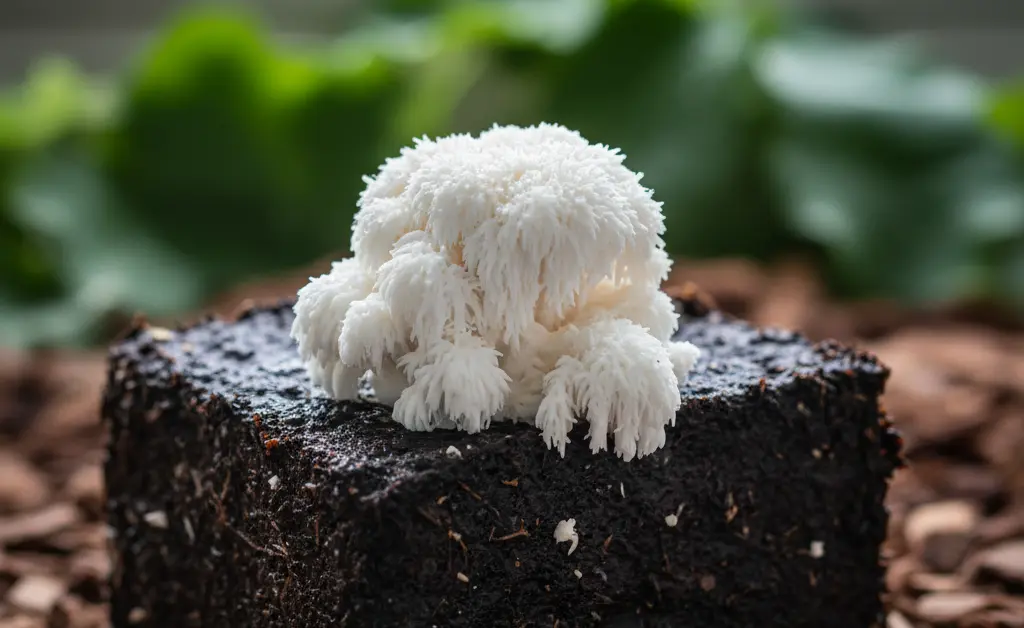
Embarking on the journey of cultivating lion’s mane mushrooms at home with a kit is an exciting prospect. Knowing what to expect from a lion’s mane kit in terms of yield and timeline can help manage expectations and provide a clearer understanding of the growing cycle, allowing you to anticipate your fresh harvest.
Expected Yield and Timeline
The yield from a lion’s mane mushroom grow kit can vary depending on factors such as environmental conditions, the specific strain of mycelium, and how diligently the growing instructions are followed. Typically, a standard 5lb lion’s mane mushroom grow kit can produce multiple “flushes” or harvests. The first flush is often the largest, offering a substantial amount of gourmet mushrooms. Subsequent flushes, while generally smaller, still contribute to the overall yield. From activation to the first harvest, the timeline is usually around 1-2 weeks for the initial pinning (the emergence of tiny mushroom formations) and another 5-10 days for them to mature sufficiently for harvesting lion’s mane from a kit. Subsequent flushes might take a bit longer to initiate.
Step-by-Step Growing Instructions
Successfully growing lion’s mane mushrooms with a kit involves a few straightforward steps. Following these instructions for lion’s mane grow kit cultivation diligently will help ensure optimal conditions for your mycelium to develop into beautiful, edible mushrooms.
Activating Your Mushroom Block
To begin, you’ll need to prepare your lion’s mane mushroom grow kit for fruiting. This typically involves making an incision into the plastic packaging of the fruiting block. Some kits instruct you to cut an “X” shape, while others suggest removing a square section from the side of the block. The goal is to expose a portion of the colonized substrate to fresh air, signaling to the mycelium that it’s time to start producing mushrooms. This exposed area is where the “pinning” will begin, marking the first visible signs of mushroom growth. Always refer to the specific instructions provided with your particular kit, as activation methods can slightly differ.
Optimal Location and Light Conditions
Choosing the right location is crucial for your lion’s mane mushroom grow kit. Ideal spots are typically cool, with consistent temperatures (often between 60-70°F or 15-21°C), and out of direct sunlight. While mushrooms don’t require light for photosynthesis, they do need some ambient light to develop properly and ensure correct orientation. Indirect natural light from a window or even artificial room lighting is usually sufficient. Avoid areas with strong drafts or extreme temperature fluctuations, as these can stress the mycelium and hinder growth. A kitchen counter or a shelf in a well-ventilated room often works well.
Daily Misting and Humidity Control
Humidity is perhaps the most critical factor for lion’s mane mushroom development. These mushrooms require a consistently high-humidity environment to fruit successfully. Most lion’s mane mushroom grow kits come with a humidity tent or bag designed to create this microclimate. You will need to mist the exposed part of the block and the inside of the humidity tent multiple times a day using a spray bottle with clean, unchlorinated water. The goal is to keep the surface of the developing mushrooms and the air around them consistently moist, but not soaking wet. Proper humidity control helps prevent the mushrooms from drying out and encourages robust growth, leading to a good yield.
Harvesting Your Lion’s Mane Mushrooms
Knowing when and how to harvest your lion’s mane mushrooms is key to enjoying their best flavor and texture. A timely harvest from your lion’s mane mushroom grow kit ensures you capture them at their peak.
Identifying When to Harvest
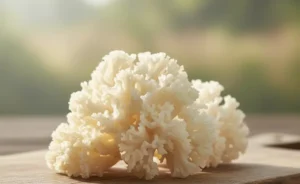
Lion’s mane mushrooms are ready for harvest when they have developed distinct “teeth” or spines that are well-formed and elongated, typically around 0.5 to 1.5 inches long. The mushroom should appear dense and firm, with a creamy white to slightly off-white color. Avoid letting them grow too large, as they can start to yellow, dry out, or become bitter. Overly mature lion’s mane might also begin to drop spores, which can create a mess and signal a decline in quality. Observing the development of the spines is your primary indicator for the first harvest and subsequent flushes.
Proper Harvesting Technique
To harvest, gently twist and pull the entire mushroom cluster away from the grow block. Alternatively, you can use a clean, sharp knife to cut the mushroom at its base, as close to the block as possible. The goal is to remove the entire fruiting body without leaving behind significant remnants that could decompose and invite contamination. Handle the mushrooms carefully to avoid bruising. Once harvested, you can enjoy your fresh gourmet mushrooms immediately or store them properly. This technique helps preserve the integrity of the lion’s mane mushroom grow kit for potential future flushes.
Initiating Subsequent Harvests
One of the rewarding aspects of using a lion’s mane mushroom grow kit is the potential for multiple harvests, also known as flushes. With proper care, your grow block can continue to produce delicious mushrooms.
How to Prepare the Block for a Second Crop
After your first harvest, the mushroom block needs a short rest period and some rehydration to prepare for the next crop. Many growers recommend soaking the entire block (after removing it from its plastic container or cutting off the exposed section) in cold water for several hours, often 4-6 hours, or even overnight. This rehydration helps replenish the moisture lost during the first flush, signaling to the mycelium that it’s time to fruit again. After soaking, drain any excess water and return the block to its humidity-controlled environment, ensuring fresh air exchange. Some kits suggest placing the block in the refrigerator for a day or two after soaking to simulate a “cold shock,” which can also encourage new pinning.
Maximizing Your Number of Flushes
To maximize the number of flushes and overall yield from your lion’s mane mushroom grow kit, consistent environmental conditions are key. Maintaining optimal temperature, humidity, and fresh air exchange throughout the entire cultivation cycle is crucial. Adequate rehydration between flushes is vital, as the block will gradually deplete its moisture and nutrients. Ensure you are providing enough misting and humidity, as well as sufficient indirect light. While most kits can produce 2-4 flushes, the size of each subsequent harvest may diminish. Paying close attention to the block’s appearance and keeping the environment clean will help extend its productivity, getting multiple flushes from a grow kit.
Troubleshooting and Best Practices
Even with a high-quality lion’s mane mushroom grow kit, you might encounter some common challenges. Understanding these issues and implementing best practices can help ensure a successful grow and a bountiful harvest.
Common Growing Issues
Several issues can arise during the cultivation of lion’s mane. One common problem is insufficient humidity, which can lead to the mushrooms drying out, turning yellow, or failing to form proper “teeth.” If your mushrooms look stunted or brittle, increase misting frequency or improve your humidity tent’s seal. Another issue is poor fresh air exchange (FAE), which can result in “leggy” or elongated mushrooms as they reach for more oxygen. Ensure your humidity tent has adequate ventilation or gently fan the grow area a few times a day. Over-misting can also be a problem, leading to waterlogging or bacterial blotch, characterized by slimy spots. Aim for a fine mist that covers the surface without pooling.
Signs of Contamination
Contamination is a grower’s biggest concern and can sometimes appear even in a sterile lion’s mane mushroom grow kit. Fungi and bacteria are everywhere, and once your block is exposed to air, there’s a risk. Common signs of contamination include green or blue mold (Trichoderma), which often appears fuzzy, or black mold (Aspergillus). You might also see pink, orange, or black patches, or notice an unusual, foul odor. If contamination is detected, it’s best to isolate the affected block immediately to prevent spores from spreading to other grow projects. Unfortunately, once a grow block is significantly contaminated, it is usually not salvageable and should be discarded safely, far from other growing areas.
Tips for a Successful Grow
To maximize your chances of success with your lion’s mane mushroom grow kit, consistency and observation are paramount. Always use clean, unchlorinated water for misting. Maintain a stable temperature within the recommended range. Ensure consistent high humidity and good fresh air exchange. Keep your growing area clean and practice good hygiene to minimize the risk of contamination. Be patient and observe your mushrooms daily; early detection of issues can often lead to a successful resolution. By adhering to these best practices for lion’s mane kit growth, you can enjoy a rewarding experience cultivating these unique and delicious gourmet mushrooms right in your home.
Cultivating lion’s mane mushrooms at home using a grow kit offers a wonderfully rewarding experience, transforming a simple block into multiple harvests of gourmet fungi. By understanding the components of your lion’s mane mushroom grow kit, diligently following the instructions, and paying close attention to environmental conditions, you can enjoy the entire process from activation to a satisfying yield. These kits democratize mushroom cultivation, making it accessible and enjoyable for everyone. The fresh, unique flavor and potential benefits of home-grown lion’s mane make the effort truly worthwhile.
Readers should understand that this article does not offer medical diagnosis or treatment. The information provided is for educational and informational purposes only and is not intended as a substitute for professional medical advice, diagnosis, or treatment. Always seek the advice of a qualified healthcare provider with any questions you may have regarding a medical condition or before making any decisions related to your health or well-being. Individual results from using mushroom grow kits may vary, and responsible cultivation practices should always be followed.
FAQ
— Is it difficult to grow lion’s mane mushrooms at home?
Growing lion’s mane mushrooms at home is generally considered straightforward, especially for beginners using a prepared kit. These kits simplify the process by providing an already inoculated substrate, reducing many of the common hurdles associated with starting from scratch. Success largely depends on maintaining the right environmental conditions.
— How long does it take to grow lion’s mane from a kit?
Once activated, a lion’s mane grow kit typically begins to produce visible “pins” or primordia within 7 to 14 days. These small formations then mature into full-sized fruiting bodies over another one to two weeks. The entire process from activation to first harvest often spans approximately two to three weeks, depending on specific environmental factors.
— How many crops can I get from one lion’s mane kit?
A single lion’s mane mushroom grow kit can often yield multiple harvests, commonly referred to as flushes. After the initial picking, the substrate typically has enough residual energy to produce a second, and sometimes even a third, flush of mushrooms. Subsequent harvests are generally smaller than the first.
— What are the ideal growing conditions for a lion’s mane mushroom kit?
Lion’s mane mushrooms thrive in environments with high humidity, usually between 80-95%, and moderate temperatures ranging from 65 to 75 degrees Fahrenheit. They also require adequate fresh air exchange to prevent CO2 buildup, which can inhibit proper fruiting body development. Consistent moisture and indirect light are also beneficial for robust growth.
— How do I know when my lion’s mane is ready to be picked?
Lion’s mane mushrooms are ready for harvest when their teeth-like spines are clearly visible and elongated, and the overall mushroom feels firm and dense. At this stage, the mushroom’s texture resembles a cauliflower or brain-like mass with distinct spines beginning to form. Picking them before the tips start to turn yellow or brown helps ensure optimal flavor and texture.
— What do I do with my mushroom kit after the first harvest?
After the first harvest, it is beneficial to rehydrate the mushroom block to encourage subsequent flushes. This often involves soaking the substrate in water for several hours to replenish its moisture content. Following rehydration, place the block back into the appropriate fruiting conditions, and you may observe new growth emerging within a week or two.